Water is a finite resource. Perhaps a tad difficult to believe, when each year, the dark clouds gather to bring in the fresh, glorious monsoon rains and the rivers and lakes gurgle and overflow bountifully. But this is nature at its efficient best, recycling and
A Better Tomorrow
Stories, Practices, and Solutions
The water flowing beneath the surface is the largest source of fresh water on the planet. This “hidden resource” accounts for just 0.62% of the total water and 30% of the freshwater available on earth. Water availability, or the lack of it, is a cross-cutting issue.
Gender stereotypes have shaped expectations and defined roles that have been stitched tightly into the seam of rural fabric. Given the centrality of gender equality to climate or development goals, ripping the biases out will be imperative. While there’s no quick fix to this, addressing the following overarching biases could be a start
Gender inclusiveness and women empowerment has garnered strong support globally, especially in the last couple of decades, and rightly so. Women are pivotal to the progress of a nation and play a key role in defining the culture of a society.
Climate change itself may be gender-neutral, but any action we need to take for adaptation cannot be anything but women-centric. Climate action cannot do without women. The reasons are endless, but let me bring out the five specific ones, and all of them have to do with every day and straightforward logic.
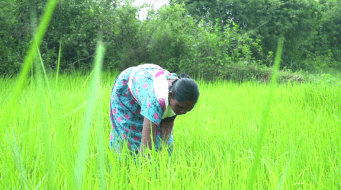
Over 48% of India’s rural population comprises of the female gender. They play an essential role in the rural economy by working as farmers, daily wage workers, traditional knowledge disseminators, entrepreneurs etc.They often also serve a significant role in managing household work, childcare, elderly care, taking care of ill ones
Water is a finite resource. Perhaps a tad difficult to believe, when each year, the dark clouds gather to bring in the fresh, glorious monsoon rains and the rivers and lakes gurgle and overflow bountifully. But this is nature at its efficient best, recycling and
The water flowing beneath the surface is the largest source of fresh water on the planet. This “hidden resource” accounts for just 0.62% of the total water and 30% of the freshwater available on earth. Water availability, or the lack of it, is a cross-cutting issue.
Gender stereotypes have shaped expectations and defined roles that have been stitched tightly into the seam of rural fabric. Given the centrality of gender equality to climate or development goals, ripping the biases out will be imperative. While there’s no quick fix to this, addressing the following overarching biases could be a start
Gender inclusiveness and women empowerment has garnered strong support globally, especially in the last couple of decades, and rightly so. Women are pivotal to the progress of a nation and play a key role in defining the culture of a society.
Climate change itself may be gender-neutral, but any action we need to take for adaptation cannot be anything but women-centric. Climate action cannot do without women. The reasons are endless, but let me bring out the five specific ones, and all of them have to do with every day and straightforward logic.
Over 48% of India’s rural population comprises of the female gender. They play an essential role in the rural economy by working as farmers, daily wage workers, traditional knowledge disseminators, entrepreneurs etc.They often also serve a significant role in managing household work, childcare, elderly care, taking care of ill ones
By Categories
By Tags
Raghubir’s story shows how entrepreneurship can begin with a simple idea, the right support, and a little confidence creating a thriving livelihood.
Indigenous food systems sustain generations through women’s forest knowledge, biodiversity, and seasonal wisdom—now threatened by climate change. Discover their resilience.
Pastoralism has shaped India’s rangelands for centuries. Here’s why pastoralists are key to protecting biodiversity and healthy ecosystems.
Water security remains elusive in Shahapur despite heavy rains. Discover why hard rock terrain stops groundwater recharge in this Konkan story.
An analogy for climate adaptation, showing that scientific expertise alone is not enough. It reminds us that the knowledge on the ground is equally important in making informed decisions
Maharashtra village, Gosasi, transforms chronic water scarcity into year-round security through watershed structures, women-led savings groups, and sustainable farming practices.
सिलाई उद्यमी से VDC अध्यक्ष तक, मनबसिया सिंह अपने छत्तीसगढ़ के गाँव को बेहतर भविष्य की ओर अग्रसर कर रही हैं।
From tailoring entrepreneur to VDC Chairman, Manbasiya Singh is leading her village in Chhattisgarh towards a better future.