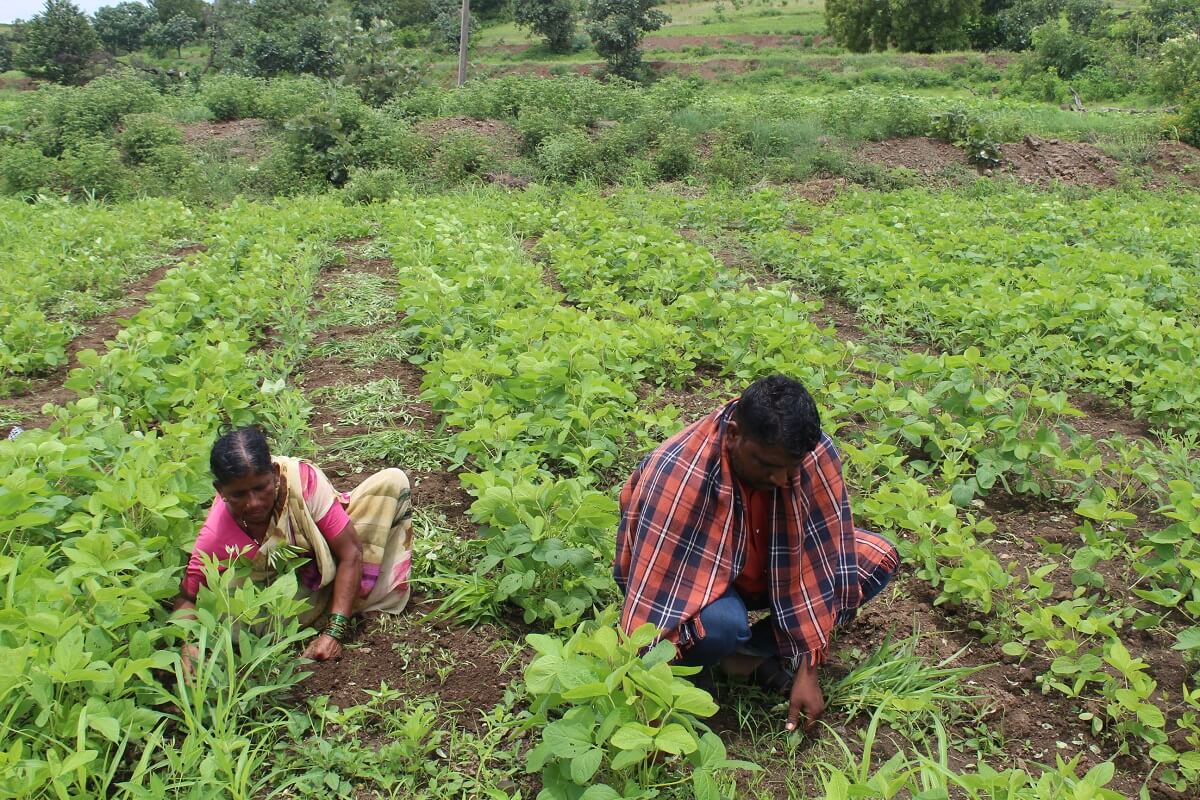
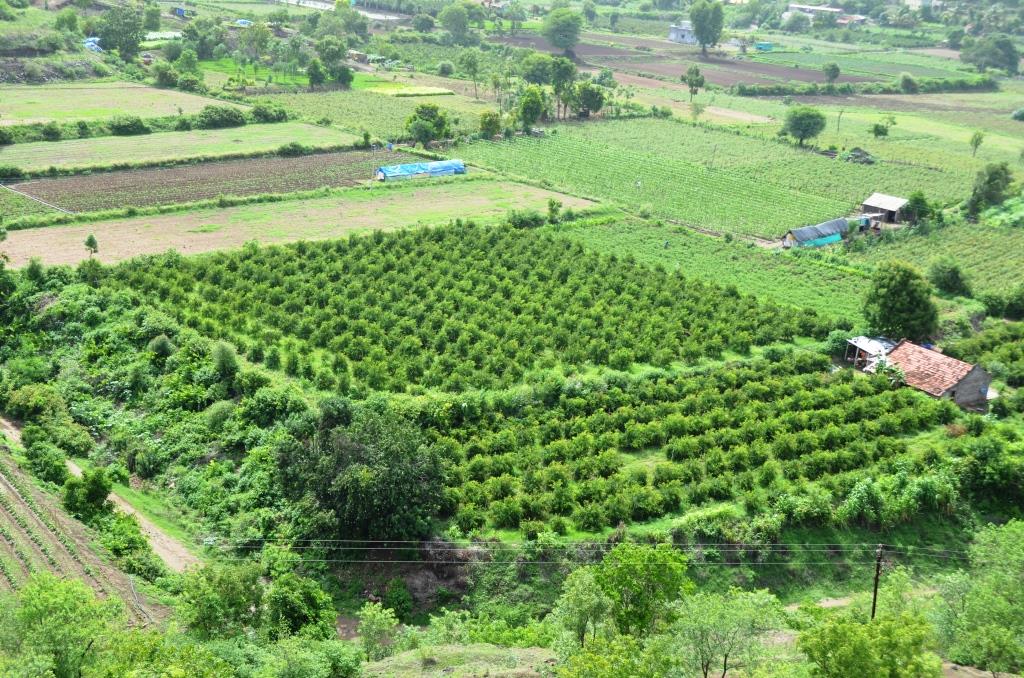
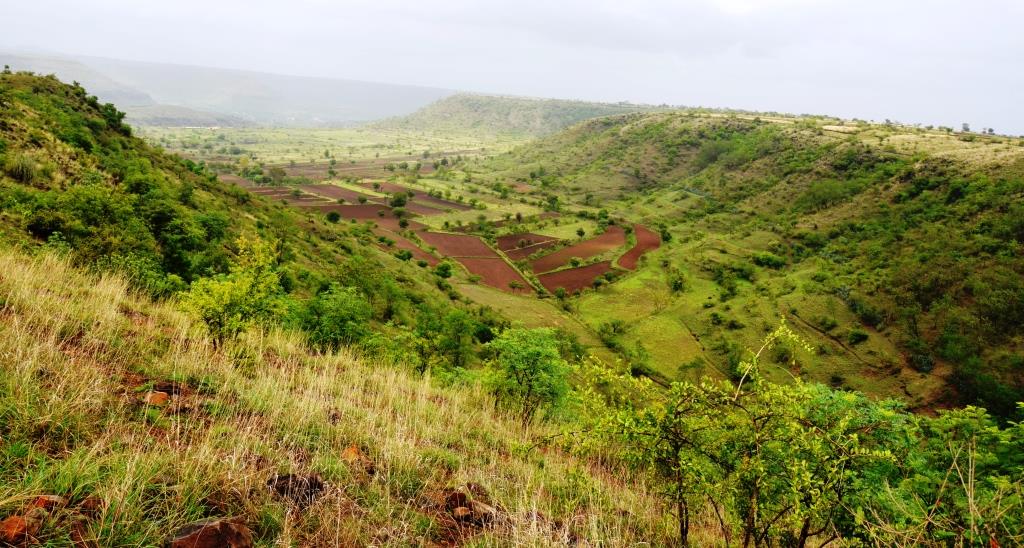
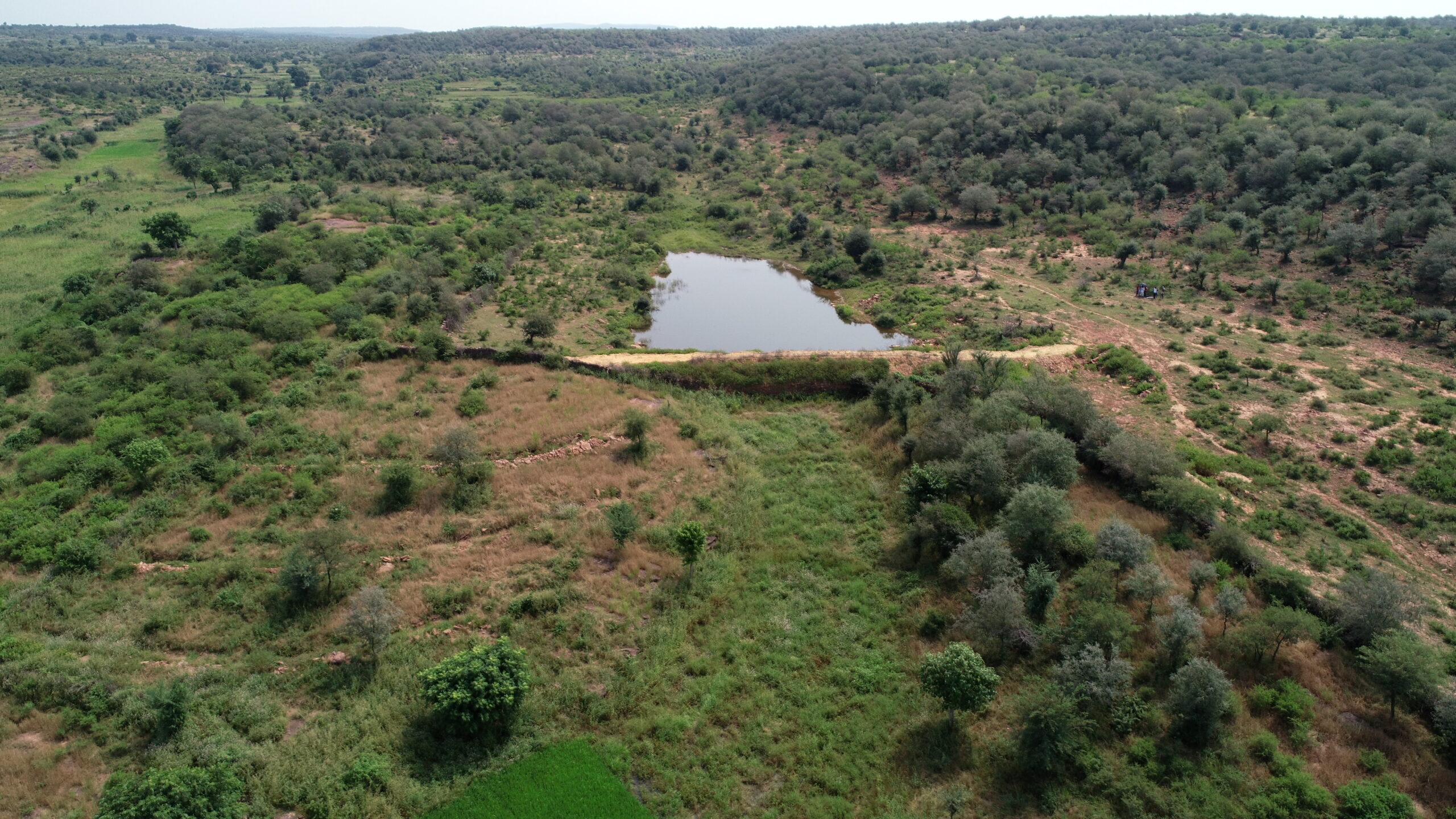
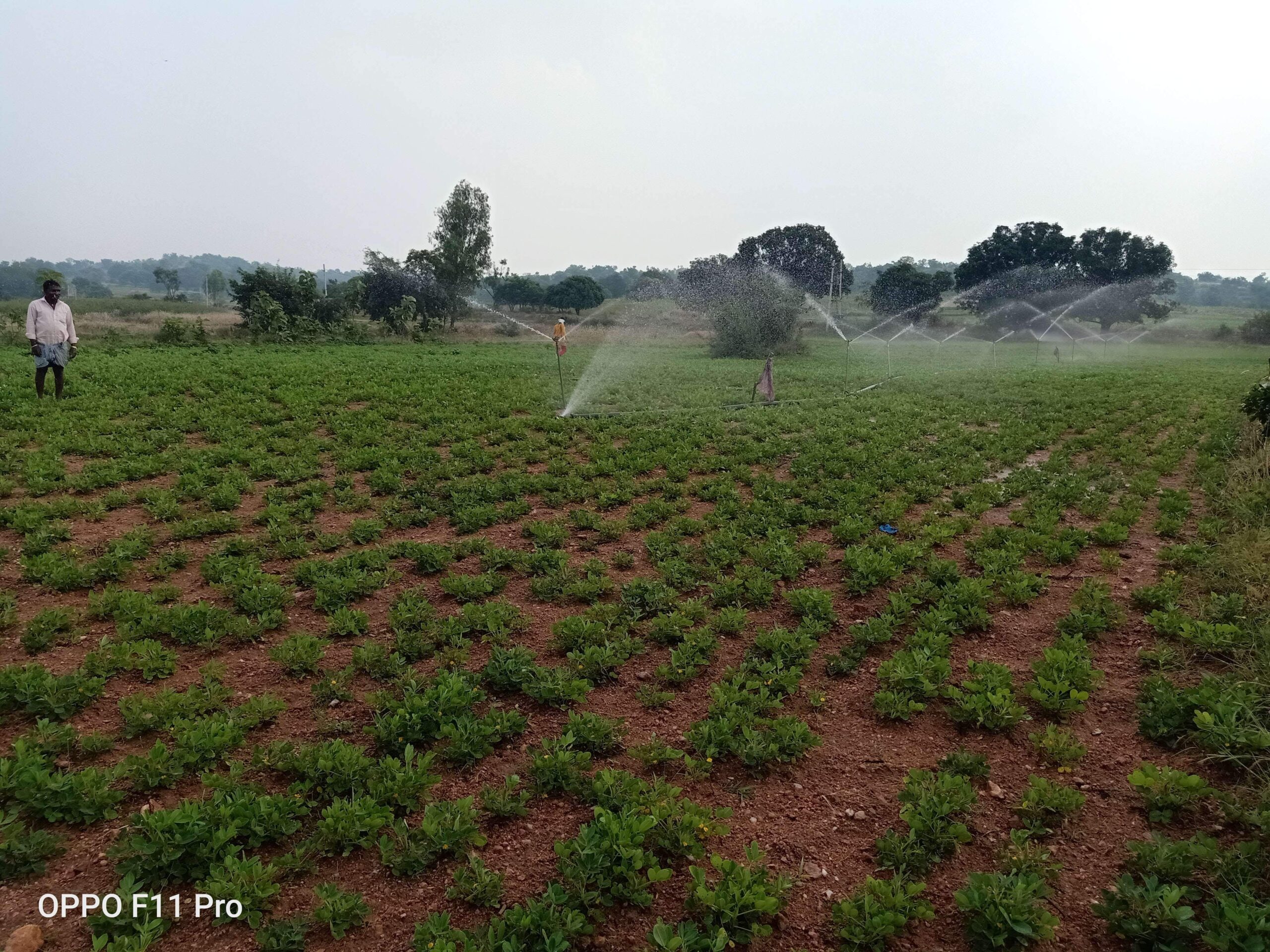
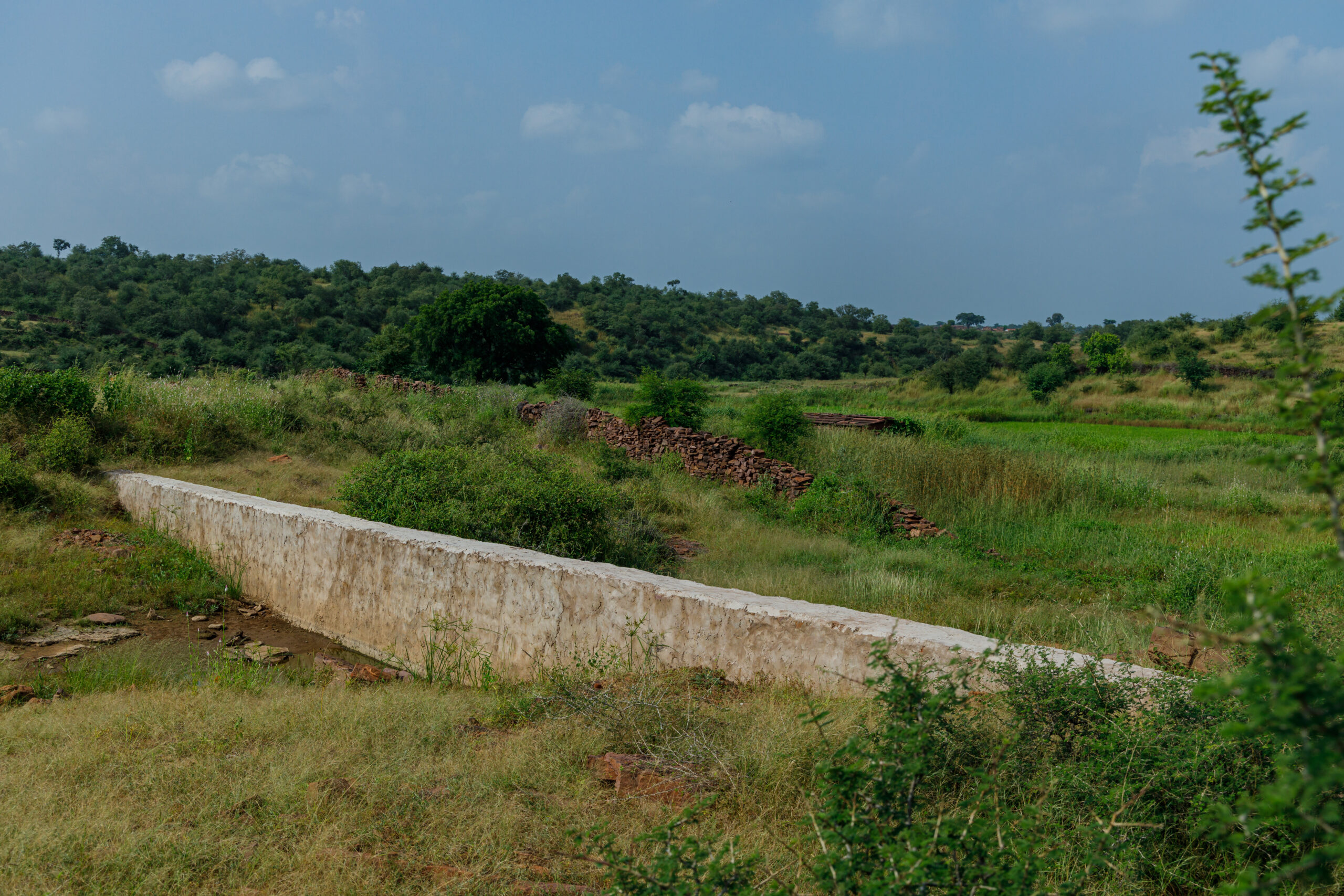
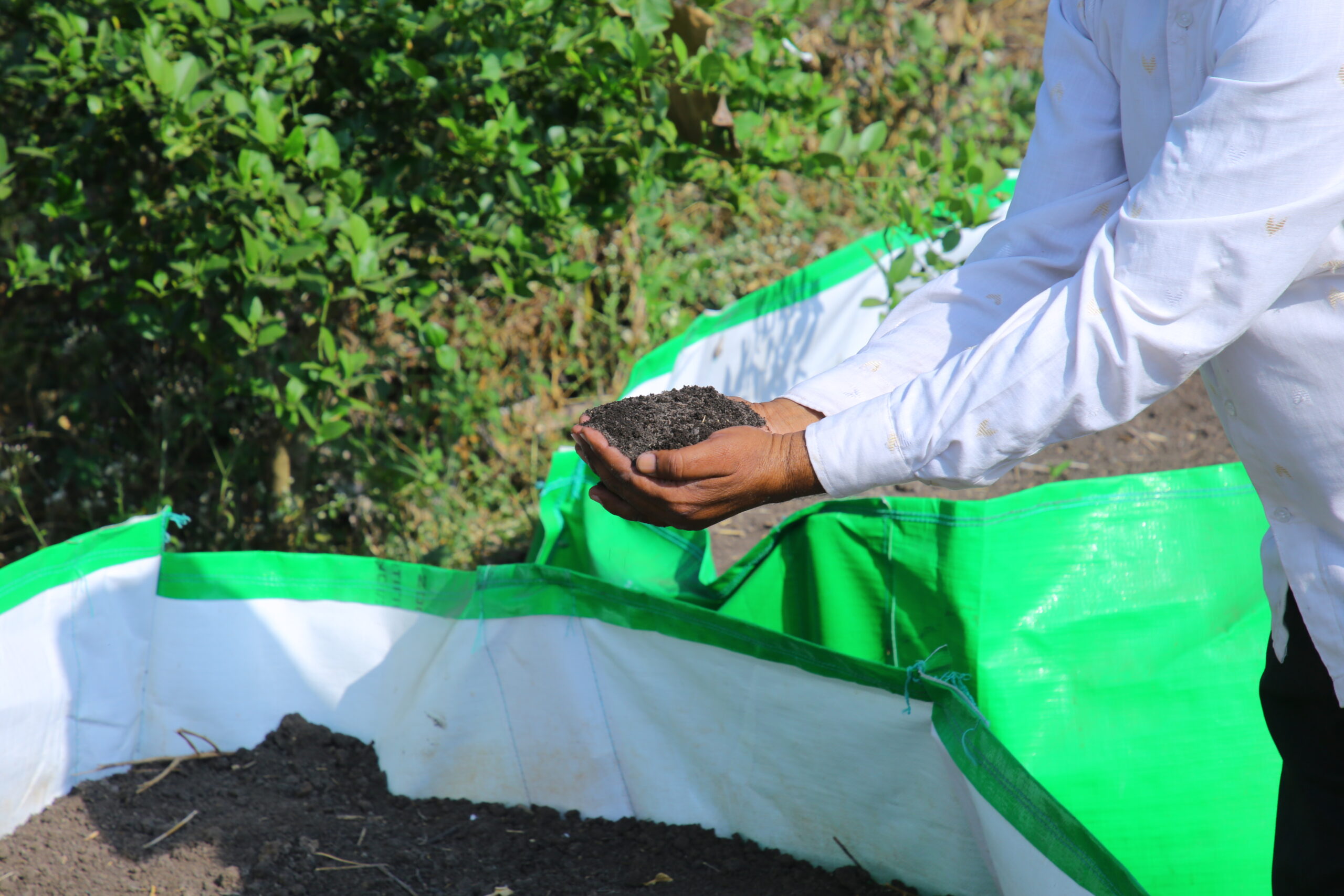
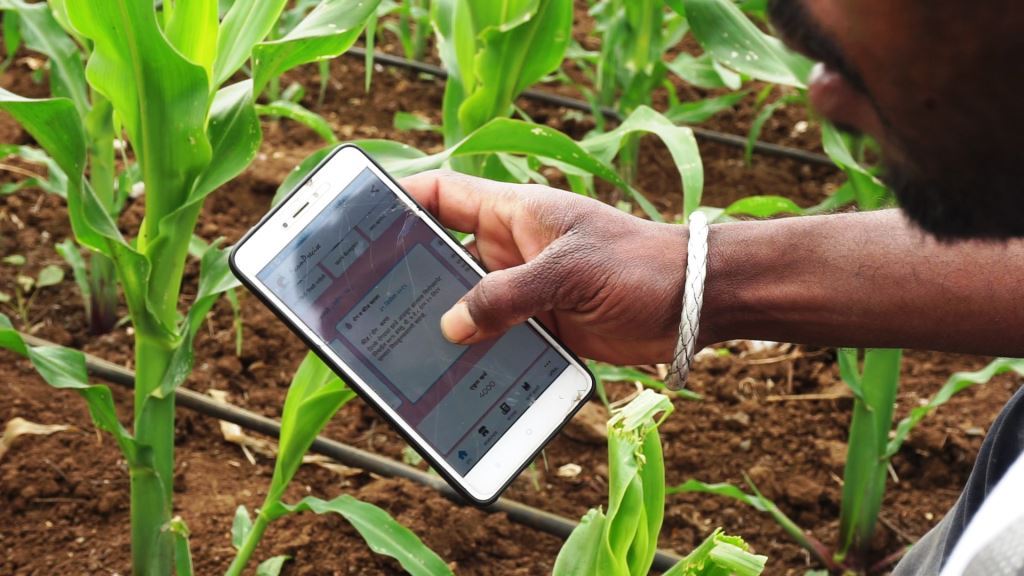
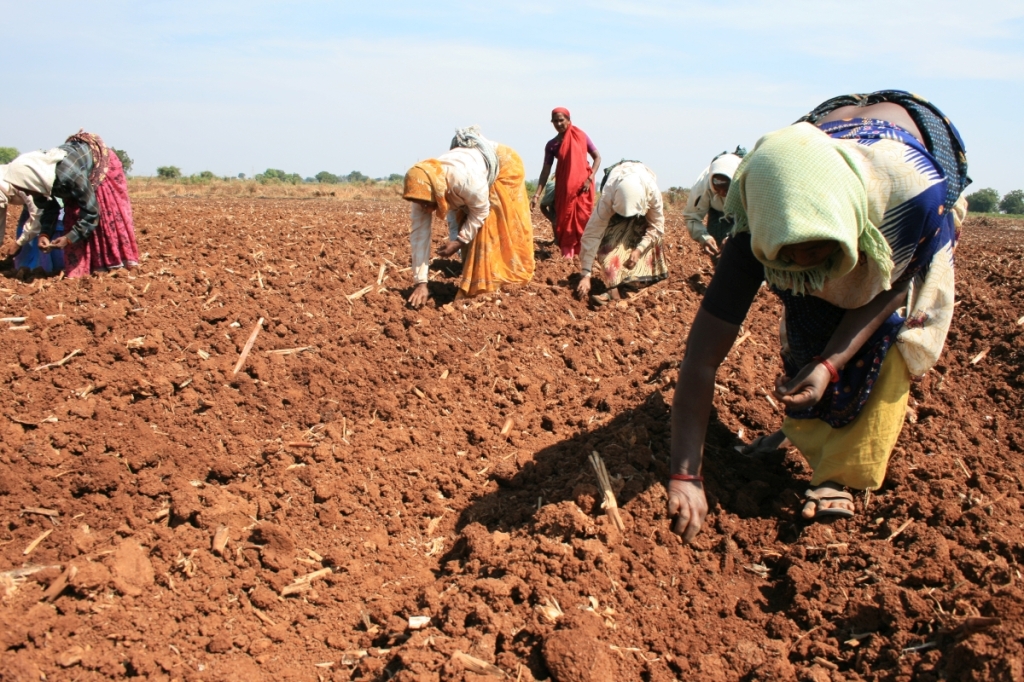
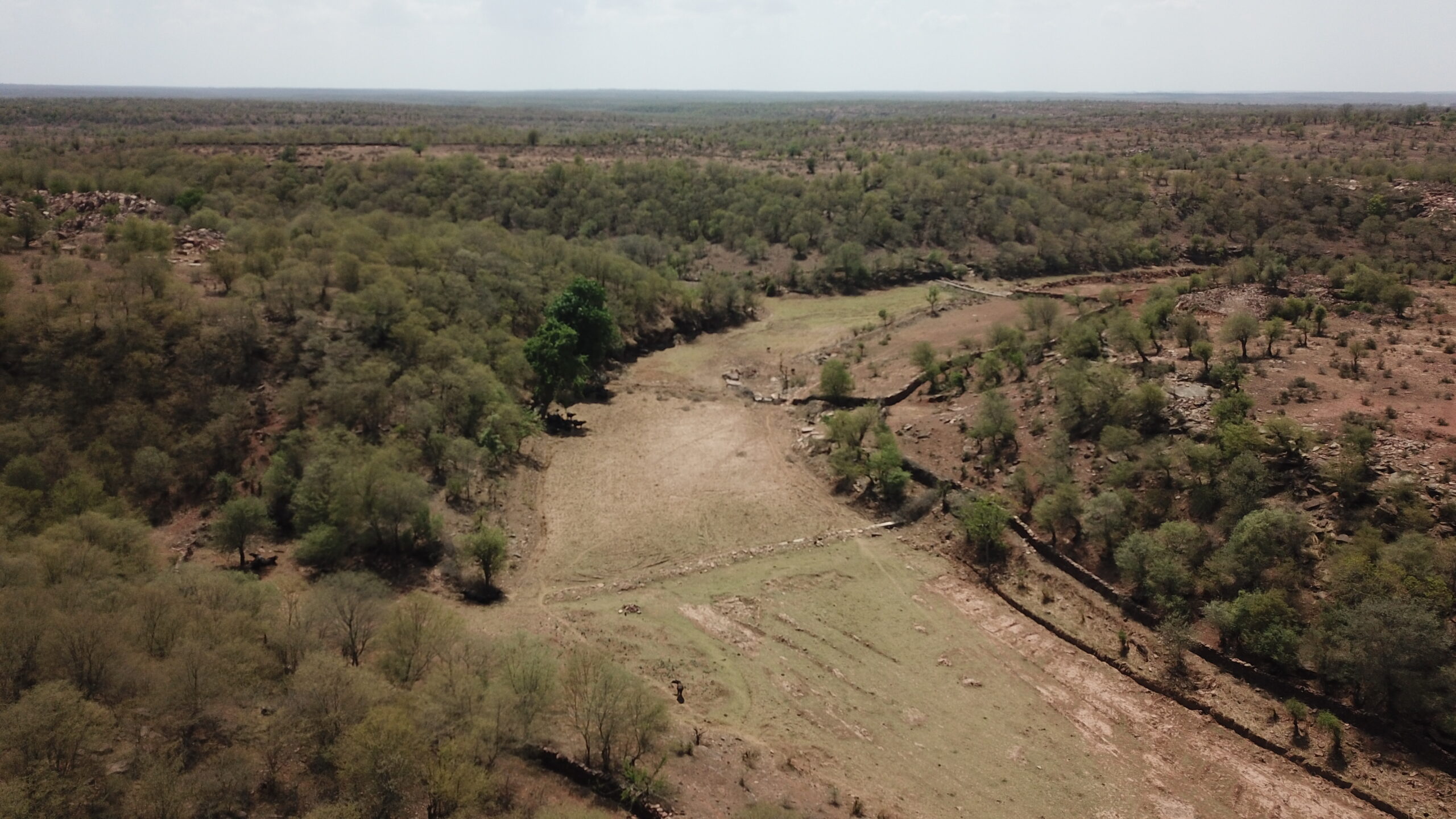
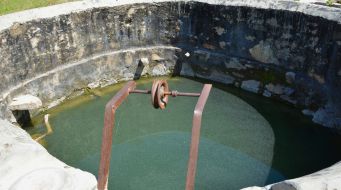
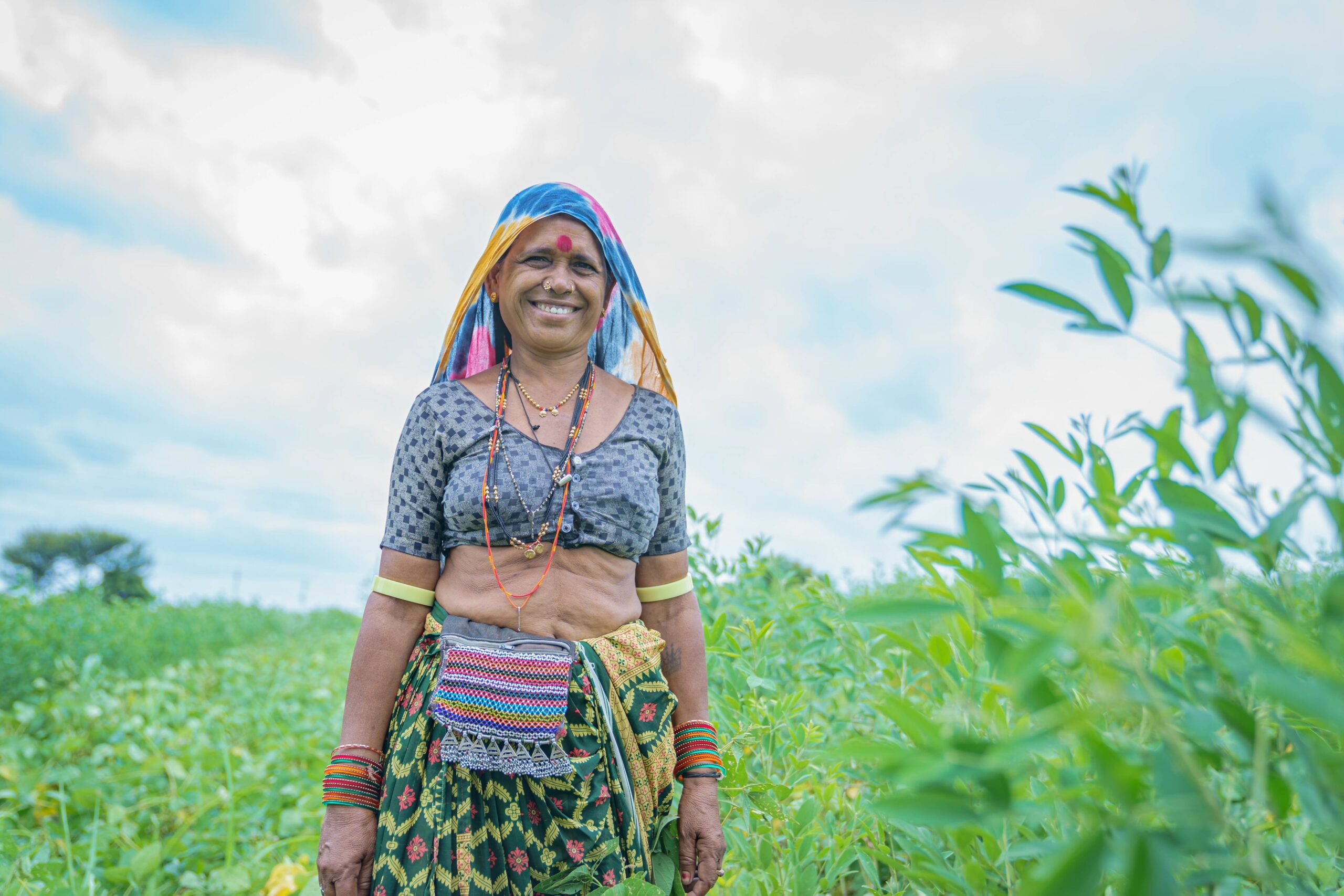
In the quiet heart of Bonthi Village, nestled within Bidar District of Karnataka, Rama Malhari Rane, a 62-year-old farmer, faced a dire challenge. With 10 acres of land thirsting for hydration, and a dried-up well as testament to the scorching heat, Rama
We only have one earth – only one place in the whole wide world that we can call home. An earth to live, laugh, grow, and breathe in. The slogan, ‘Only One Earth’, at the 1972 Stockholm conference rings true even today, fifty years later. Yet, like
Well-functioning ecosystems form the bedrock of planetary health and human survival. With increased degradation of habitats and waning ecosystem functions, the threat of ecosystem collapse is more real than ever. Research shows a
Just like art and music, nature is the common thread that frees us from all physical and social boundaries, connecting us to the larger aspects of life. The vastness of forests and deserts, the depth of oceans, and the dynamism of biological diversity
Heerabai still feels chills running down her spine when she thinks of the water scarcity and parched lands that her village Purushwadi was known for. The unseasonal and irregular rainfall, fragmented landholding were the major challenges in the area
Until about five years back cotton, paddy and red gram were considered the only profitable crops by the farmers of Kamsanpally village in Damargidda Mandal, Narayanpet district of Telangana. Water scarcity and extreme climatic conditions
For years, Ramnarayan Meena had been only limited to millets, paddy and wheat from his 9 bigha land. The limited water for irrigation left him with not many options. The income was meagre, just adequate to run his family.
Santosh Salve was on cloud nine when WOTR began its work in the Ambad block of Jalna district in Maharashtra. As WOTR started working with the local community to promote climate-resilient agriculture, Santosh approached the team with a specific interest – building a low-cost setup to prepare vermicompost.
In continuation with a previous blog on “Role of Mobile Apps for Climate Smart Agro-Advisory in Agriculture”, there is a need to provide farmers with a dynamic decision support system that is tailored to their specific farm/crops and provides
As we all know, in the early stages of COVID-19 in 2020, there was no vaccine or treatment available to protect people against infection. As infections increased, the government implemented lockdowns, closed borders, and imposed travel limits
Water Budgeting in Yeniye Khurd assesses water availability, demand, and agricultural needs, revealing a deficit and guiding community-led planning for resilience.
At an FPO meeting, a woman’s presence can be easy to count. She is a member. Her name may appear on the board. What is harder to see is what that presence means in practice.
From aspiring government teacher to community leader, Mahaveer journey shows how community mobilisation, leadership and collective action can transform rural development in Rajasthan.
It is a small enterprise, still finding its feet. But its beginnings are firmly local, shaped by what the women know, what the farmers need and what the village already has.
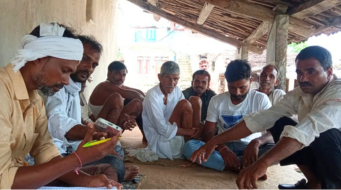
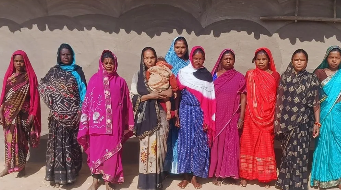
Bringing light, safety, and renewed community life to 20 villages in Kabirdham through 150 solar streetlights, empowering communities to reclaim their public spaces.
How planning and implementation of ecosystem-based adaptation (EbA) and agroecology principles in arid or semi-arid regions can help address the growing impacts of climate change.