Economic growth has surged globally, but it continues to overlook the true value of biodiversity, placing disproportionate risks on the Global South.
A Better Tomorrow
Stories, Practices, and Solutions
Environmental DNA (eDNA) is transforming how scientists monitor biodiversity and ecosystem health by detecting genetic traces left by organisms in their environment. It offers a non-invasive, efficient way to track species, study climate impacts, and support conservation efforts.

Economic growth has surged globally, but it continues to overlook the true value of biodiversity, placing disproportionate risks on the Global South.
Environmental DNA (eDNA) is transforming how scientists monitor biodiversity and ecosystem health by detecting genetic traces left by organisms in their environment. It offers a non-invasive, efficient way to track species, study climate impacts, and support conservation efforts.
By Categories
By Tags
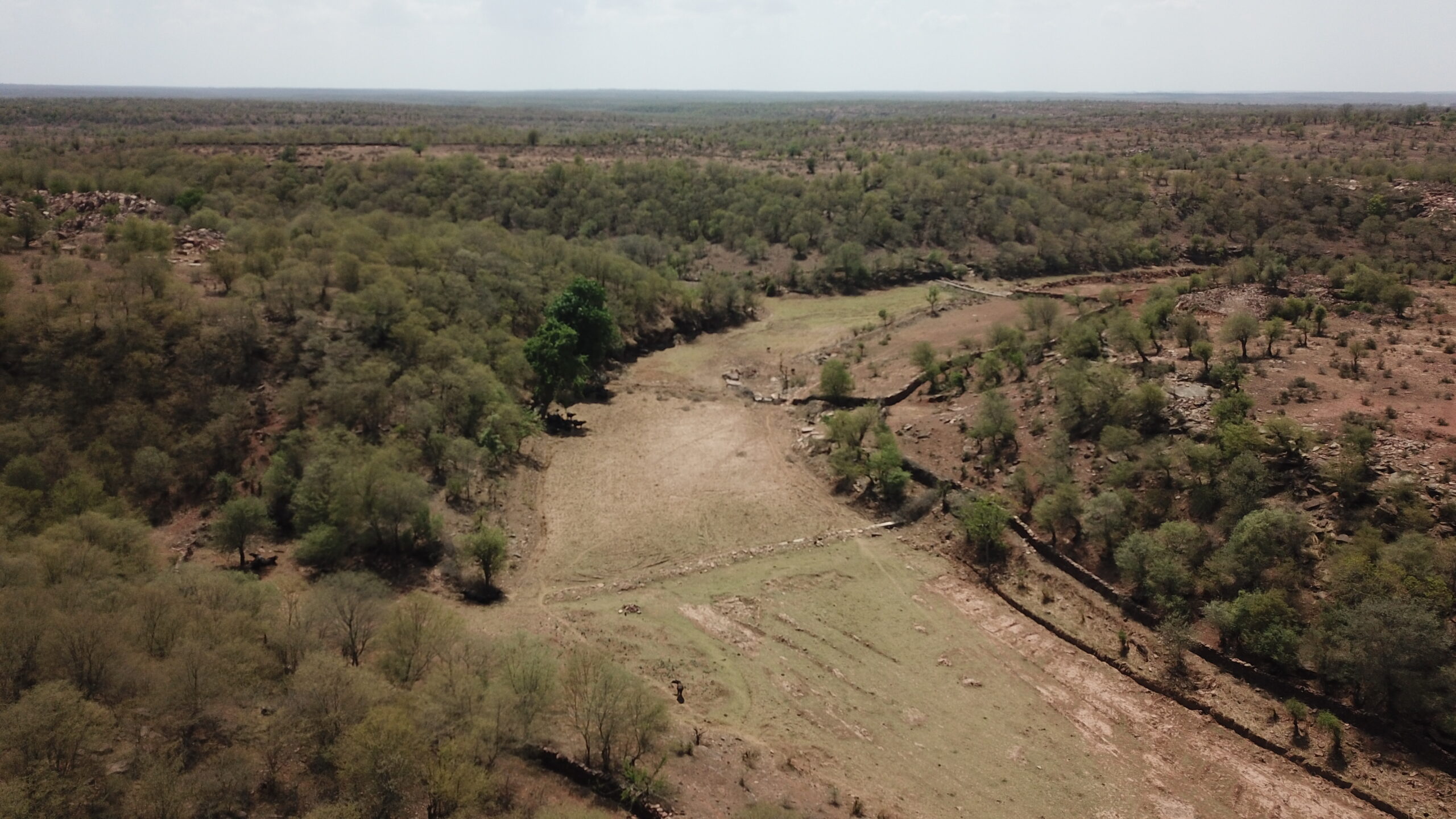
Water Budgeting in Yeniye Khurd assesses water availability, demand, and agricultural needs, revealing a deficit and guiding community-led planning for resilience.
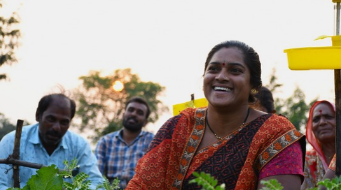
At an FPO meeting, a woman’s presence can be easy to count. She is a member. Her name may appear on the board. What is harder to see is what that presence means in practice.
A walkthrough of how WOTR is enabling farmers in Maharashtra’s Marathwada region prepare for an increasingly unpredictable climate.
From aspiring government teacher to community leader, Mahaveer journey shows how community mobilisation, leadership and collective action can transform rural development in Rajasthan.
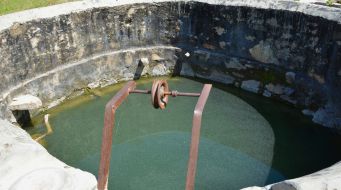
Group irrigation wells reveal how shared water resources can strengthen livelihoods, support year-round farming, and prepare for climate uncertainty.
It is a small enterprise, still finding its feet. But its beginnings are firmly local, shaped by what the women know, what the farmers need and what the village already has.
Bringing light, safety, and renewed community life to 20 villages in Kabirdham through 150 solar streetlights, empowering communities to reclaim their public spaces.
How planning and implementation of ecosystem-based adaptation (EbA) and agroecology principles in arid or semi-arid regions can help address the growing impacts of climate change.