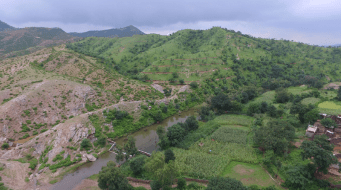
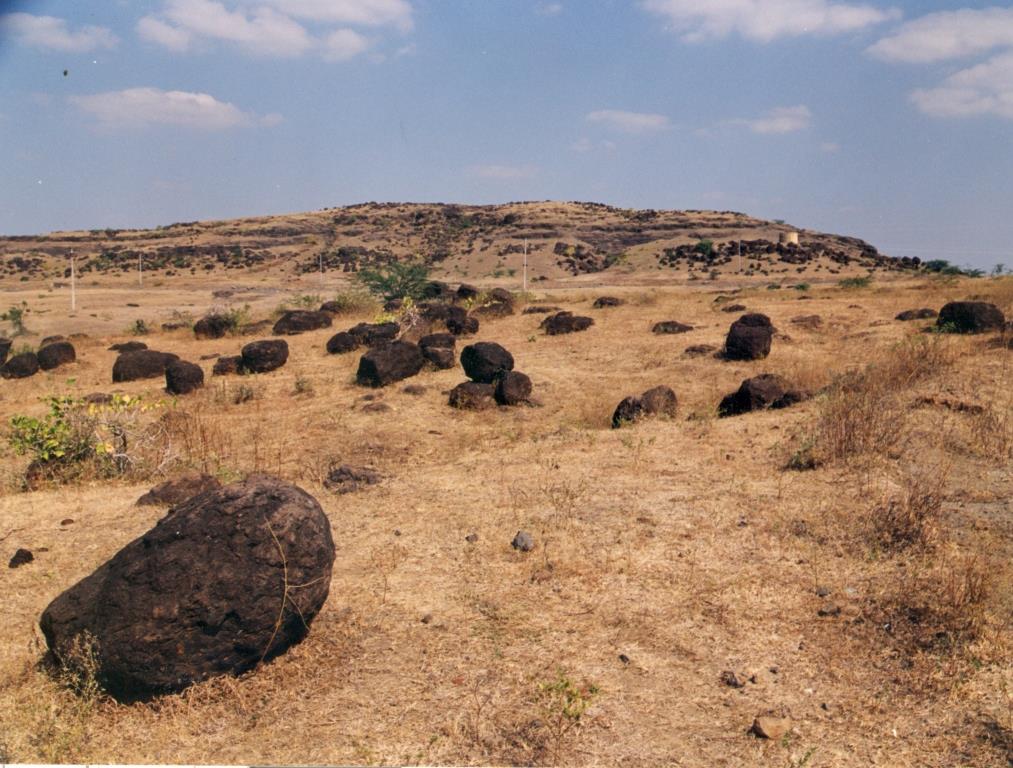
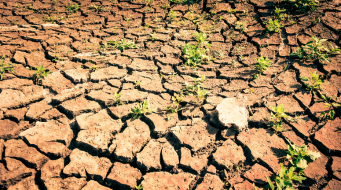
Discover how integrated watershed management in Chhattisgarh is restoring degraded lands, conserving water, improving agricultural productivity and strengthening rural livelihoods.
A Better Tomorrow
Stories, Practices, and Solutions
A new policy brief calls for integrated land restoration that unites science, tradition, and policy for sustainable growth.
At this year’s IUCN World Conservation Congress in Abu Dhabi, a new global report was released that carries an important message for our planet: to restore the land, we must first reconnect it.
Just as a successful film relies on the combined talent of many contributors, the restoration of soils, watersheds, and landscapes depends on the collective energy of diverse stakeholders.
On the occasion of World Environment Day, this blog underscores the pressing necessity for present and upcoming generations to address land degradation and desertification. With 40% of the world’s land degraded and impacting half of the global population, prompt action is imperative.
The fertile soil that sustains Indian agriculture is under siege. Unsustainable land-use practices have long contributed to its decline. Today, climate change is a powerful catalyst, intensifying soil degradation and erosion with alarming consequences. Safeguarding India’s soils is a fight against both climate change and food insecurity.
The resurgence of organic fertilisers is not just a trend but a necessity, a clarion call to mend the ruptured ties with nature and tread a path of sustainable and inclusive growth.
Our constitutional forefathers, with their far-sighted vision, had foreseen the crucial role of trees in mitigating the future implications of climate change. Recognising the need to create enthusiasm among people towards conservation, they initiated ‘Van
India is the second largest producer of rice, wheat, sugarcane, groundnut, vegetables, fruit, and cotton and the largest producer of milk, pulses, and jute in the world. As an agrarian country, 70% of India’s rural population depends on agriculture as their
Land resources are vital in supporting physical, social, and economic infrastructure and activities. Functions such as agriculture, watershed management, forestation, mining, transport, and development
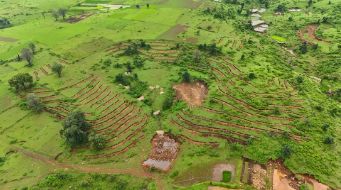
Discover how integrated watershed management in Chhattisgarh is restoring degraded lands, conserving water, improving agricultural productivity and strengthening rural livelihoods.
A new policy brief calls for integrated land restoration that unites science, tradition, and policy for sustainable growth.
At this year’s IUCN World Conservation Congress in Abu Dhabi, a new global report was released that carries an important message for our planet: to restore the land, we must first reconnect it.
Just as a successful film relies on the combined talent of many contributors, the restoration of soils, watersheds, and landscapes depends on the collective energy of diverse stakeholders.
On the occasion of World Environment Day, this blog underscores the pressing necessity for present and upcoming generations to address land degradation and desertification. With 40% of the world’s land degraded and impacting half of the global population, prompt action is imperative.
The fertile soil that sustains Indian agriculture is under siege. Unsustainable land-use practices have long contributed to its decline. Today, climate change is a powerful catalyst, intensifying soil degradation and erosion with alarming consequences. Safeguarding India’s soils is a fight against both climate change and food insecurity.
The resurgence of organic fertilisers is not just a trend but a necessity, a clarion call to mend the ruptured ties with nature and tread a path of sustainable and inclusive growth.
Our constitutional forefathers, with their far-sighted vision, had foreseen the crucial role of trees in mitigating the future implications of climate change. Recognising the need to create enthusiasm among people towards conservation, they initiated ‘Van
India is the second largest producer of rice, wheat, sugarcane, groundnut, vegetables, fruit, and cotton and the largest producer of milk, pulses, and jute in the world. As an agrarian country, 70% of India’s rural population depends on agriculture as their
Land resources are vital in supporting physical, social, and economic infrastructure and activities. Functions such as agriculture, watershed management, forestation, mining, transport, and development
By Categories
By Tags
Discover how integrated watershed management in Chhattisgarh is restoring degraded lands, conserving water, improving agricultural productivity and strengthening rural livelihoods.
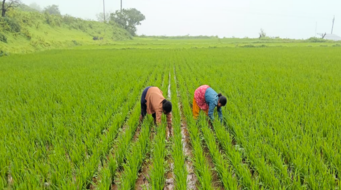
Project Jal Samruddhi was implemented across 11,840 acres reaching 2,064 households and 10,500+ people in six villages. Read to know more.
Discover how farmers can grow chia, from seed selection and sowing to irrigation, crop care and harvesting.
Project Samruddhi demonstrates how an integrated approach to rural development can strengthen community resilience and create lasting change across 16 villages.
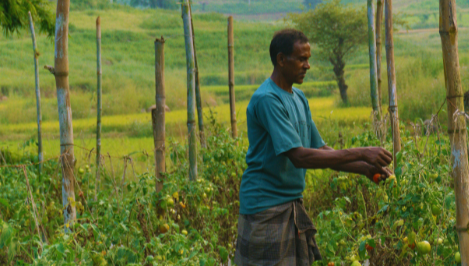
Farming sustained Ramesh’s family of eleven, but limited water kept his land productive for only one season. Drip irrigation changed what was possible.
Shanti’s journey with her daughter Ishvi began with the challenges of malnutrition, and a long road towards better health and nourishment.
Explore key insights from our new book on water governance, women’s leadership and locally relevant climate solutions in Maharashtra
Deep dive into how WOTR’s W-CReS is helping farmers understand the challenges in times of El Niño through localised training.