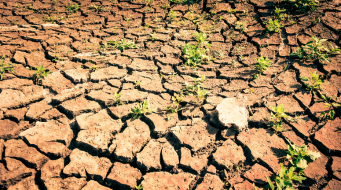
El Niño is often blamed for weak monsoons and droughts. Discover how it really influences India’s rainfall, agriculture, water security, and resilience.
A Better Tomorrow
Stories, Practices, and Solutions
Adaptation to climate change is vital for resilience amidst rising sea levels and erratic weather patterns. Key strategies include protecting coastlines, ensuring food security, conserving water, investing in renewable energy, disaster preparedness, and protecting ecosystems.
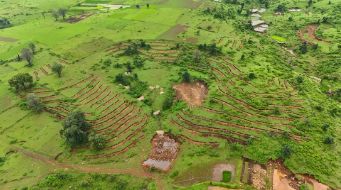
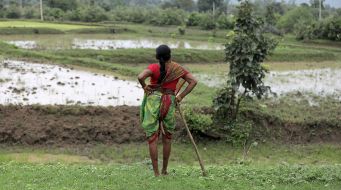
In rural India, water scarcity is a harsh reality impacting communities’ lives profoundly. Through watershed development, communities are empowered to heal the land holistically, from ridge to valley, ensuring water security, improved health, and livelihoods.
This blog explores the challenges and solutions towards achieving Sustainable Development Goal 6 (Clean Water and Sanitation for All) in India, emphasizing the importance of collective action and innovative approaches.
El Niño is often blamed for weak monsoons and droughts. Discover how it really influences India’s rainfall, agriculture, water security, and resilience.
Adaptation to climate change is vital for resilience amidst rising sea levels and erratic weather patterns. Key strategies include protecting coastlines, ensuring food security, conserving water, investing in renewable energy, disaster preparedness, and protecting ecosystems.
In rural India, water scarcity is a harsh reality impacting communities’ lives profoundly. Through watershed development, communities are empowered to heal the land holistically, from ridge to valley, ensuring water security, improved health, and livelihoods.
This blog explores the challenges and solutions towards achieving Sustainable Development Goal 6 (Clean Water and Sanitation for All) in India, emphasizing the importance of collective action and innovative approaches.
By Categories
By Tags
Discover how integrated watershed management in Chhattisgarh is restoring degraded lands, conserving water, improving agricultural productivity and strengthening rural livelihoods.
Project Jal Samruddhi was implemented across 11,840 acres reaching 2,064 households and 10,500+ people in six villages. Read to know more.
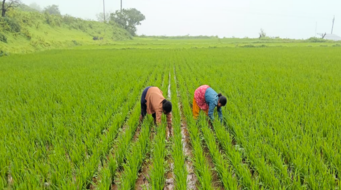
Discover how farmers can grow chia, from seed selection and sowing to irrigation, crop care and harvesting.
Project Samruddhi demonstrates how an integrated approach to rural development can strengthen community resilience and create lasting change across 16 villages.
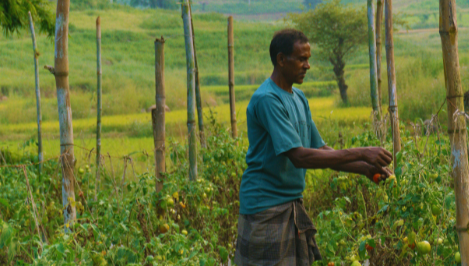
Farming sustained Ramesh’s family of eleven, but limited water kept his land productive for only one season. Drip irrigation changed what was possible.
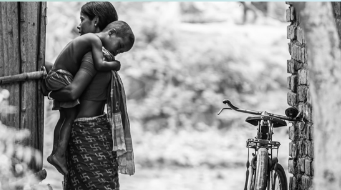
Shanti’s journey with her daughter Ishvi began with the challenges of malnutrition, and a long road towards better health and nourishment.
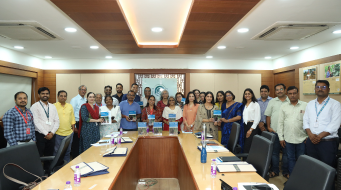
Explore key insights from our new book on water governance, women’s leadership and locally relevant climate solutions in Maharashtra
Deep dive into how WOTR’s W-CReS is helping farmers understand the challenges in times of El Niño through localised training.