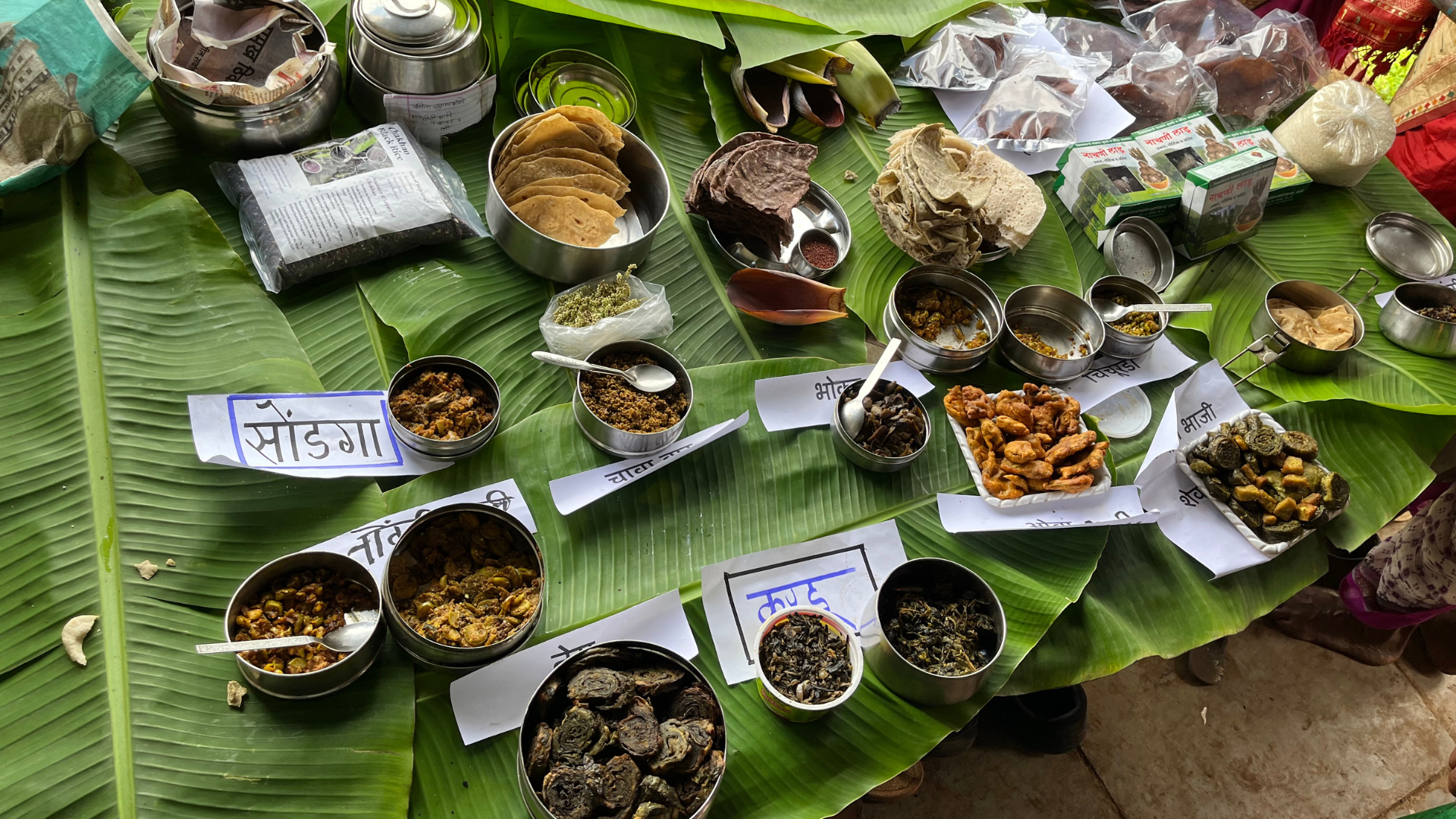
The Raan Bhaji festival celebrates indigenous, wild edible plants used in local cuisine, highlighting the ancient diet of human civilisations. Wild Edible Plants (WEPs) thrive independently, predating modern agriculture. WEPs are integral to the sustenance of traditional and indigenous food methodologies, particularly within rural and
Plankton, specifically cyanobacteria (a type of phytoplankton), are the pioneers of photosynthesis on Earth. Yet, when we think of aquatic life, our minds often jump to fish, birds, crabs, and plants. Rarely do we give a thought to plankton, the
Our constitutional forefathers, with their far-sighted vision, had foreseen the crucial role of trees in mitigating the future implications of climate change. Recognising the need to create enthusiasm among people towards conservation, they initiated ‘Van
This incident is from the picturesque village of Purushwadi, nestled among the majestic Sahyadri mountain range in Maharashtra. It was the peak of summer and we, from the Biodiversity and Ecology team of W-CReS, had arrived to collect pre-
Menstruation is a natural process that marks the transition from adolescence to womanhood, and it plays a vital role in women’s reproductive health. Did you know that on average, women spend about five years of their lives menstruating? Taking care of
Native plant species, those which naturally inhabit a certain region, state, ecosystem, or habitat without human intervention, have historically been integral to human livelihoods. For many, these plants are not merely part of the landscape but woven into their
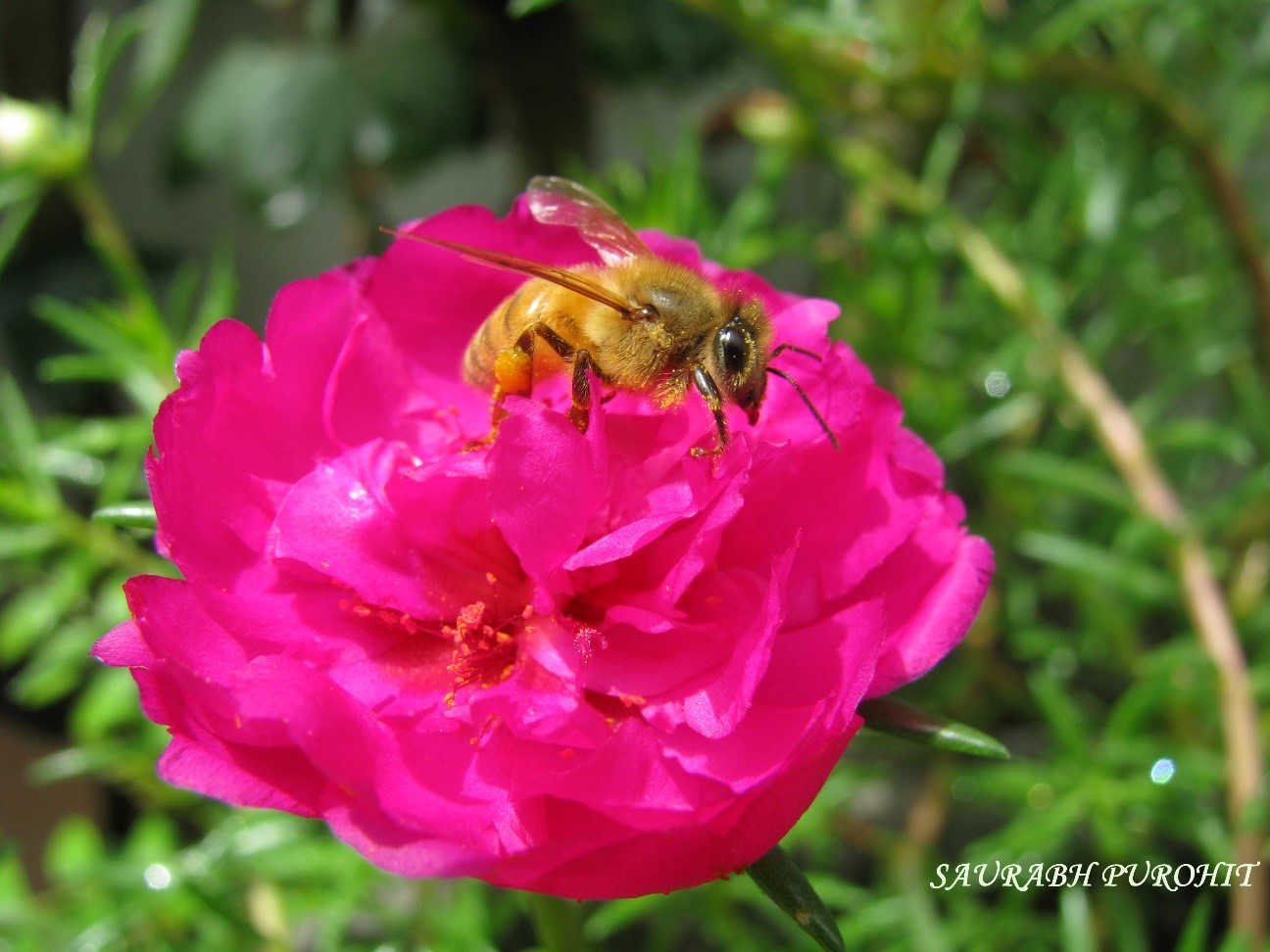
May 20th, marks the celebration of World Bee Day. This day pays tribute to Anton Janša, a key figure in modern beekeeping and a trailblazer in the world of apiculture. The aim of World Bee Day is to emphasize the essential role pollinators like bees
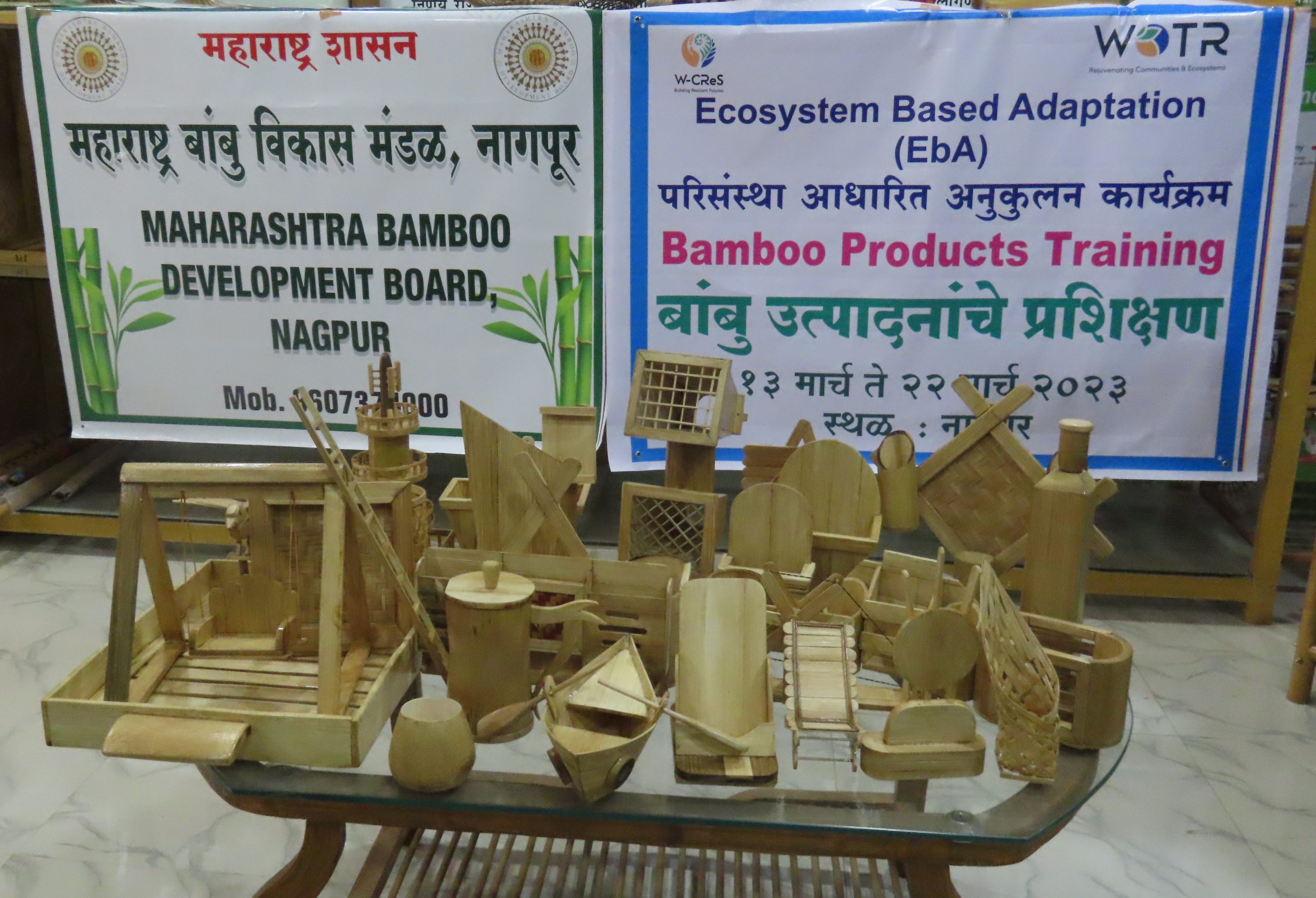
Bamboo, a remarkably versatile and swiftly growing member of the grass family, Poaceae, falls within the Bambusoideae subfamily. Distinguished by its woody culms, robust rhizomes, rare flowering, and intricate branching patterns, this unique plant
On Monday, December 19th, 2022, a final deal was reached at the Montreal Biodiversity Summit, where nearly 200 nations agreed to conserve 30% of land and ocean by 2030. The main objective of the summit was to finalize global nature targets for
An initiative to work with 40 Farmer Producer Organisations across five districts, strengthening climate-resilient agriculture, farmer-owned enterprises and market access.
Discover how integrated watershed management in Chhattisgarh is restoring degraded lands, conserving water, improving agricultural productivity and strengthening rural livelihoods.
Project Samruddhi demonstrates how an integrated approach to rural development can strengthen community resilience and create lasting change across 16 villages.
Farming sustained Ramesh’s family of eleven, but limited water kept his land productive for only one season. Drip irrigation changed what was possible.