Women Empowerment
Women Empowerment
Why Women Empowerment?
Gender equality remains a burning issue even when women play equally important roles in driving the rural economy in India. Women have always been facing the inequitable distribution of domestic chores besides other responsibilities such as fetching water, collecting firewood and even working in the farms. This is severely impacting their physical security, opportunities for adult education, overall productivity, income generation capacity, nutritional status, and overall health and well-being.
WOTR is driving initiatives to reduce the ‘time poverty’ and drudgery of women, provide them with access to economic opportunities and enable their participation in decision-making, so that they become equal partners in the development process.
Our Interventions
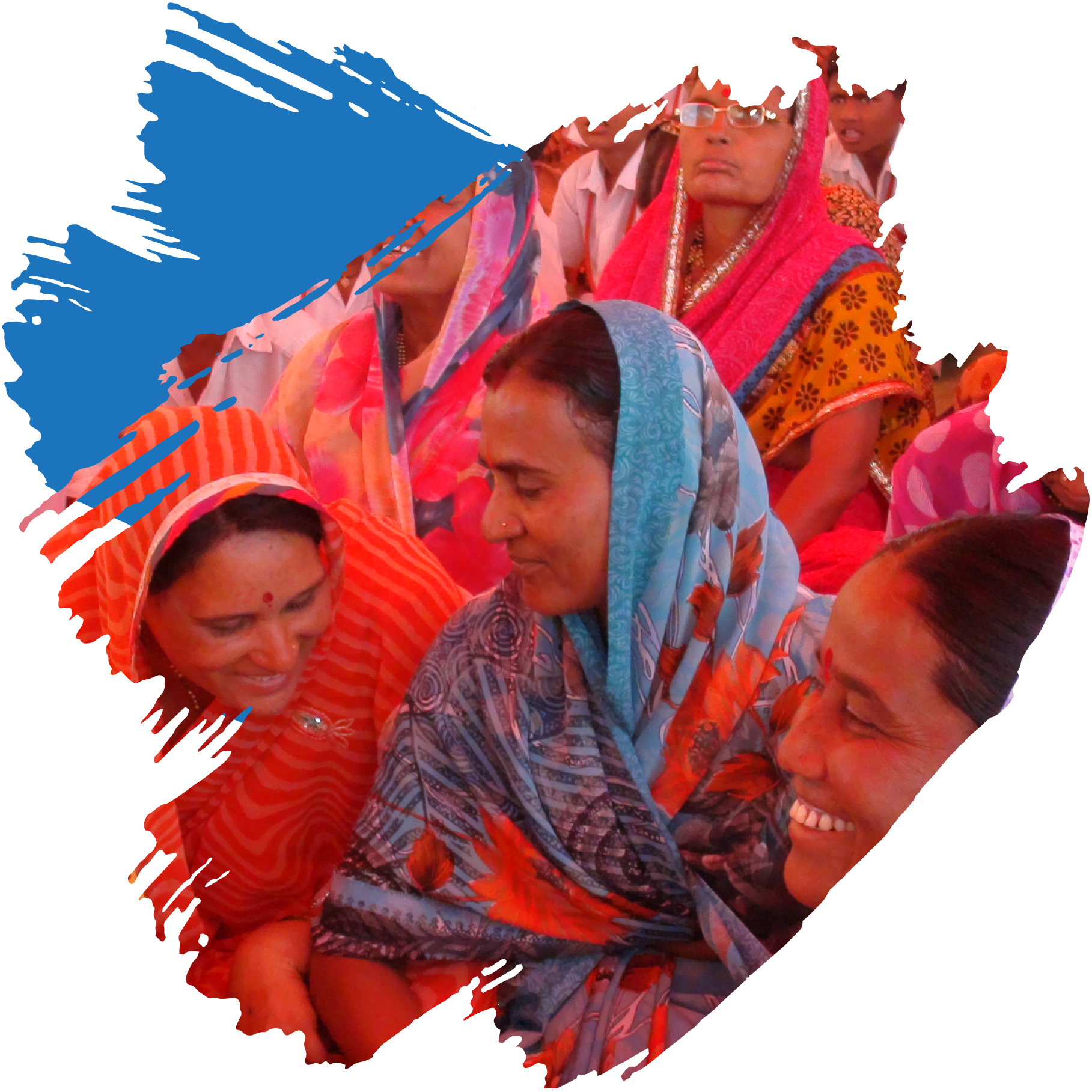
Helping women find their voice is deeply empowering and has a ripple effect on families and society. As an NGO working for women in India, WOTR believes that women’s issues cannot be addressed in isolation but within their social and institutional milieu. Women’s representation is crucial in social, political and economic processes for a thriving society.
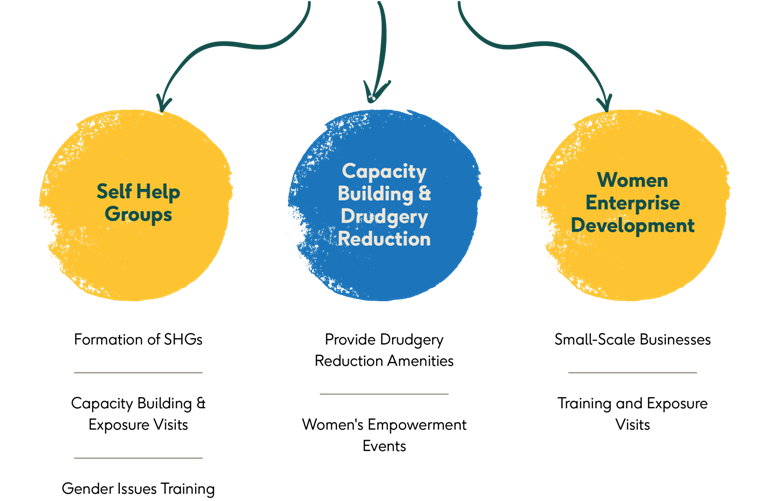
Whilst gender is a cross-cutting theme across all our activities, specific initiatives aimed at women are:
Our Impact
10,472
2,122
67
10,134
SHGs formed consisting of about 128,569 women members
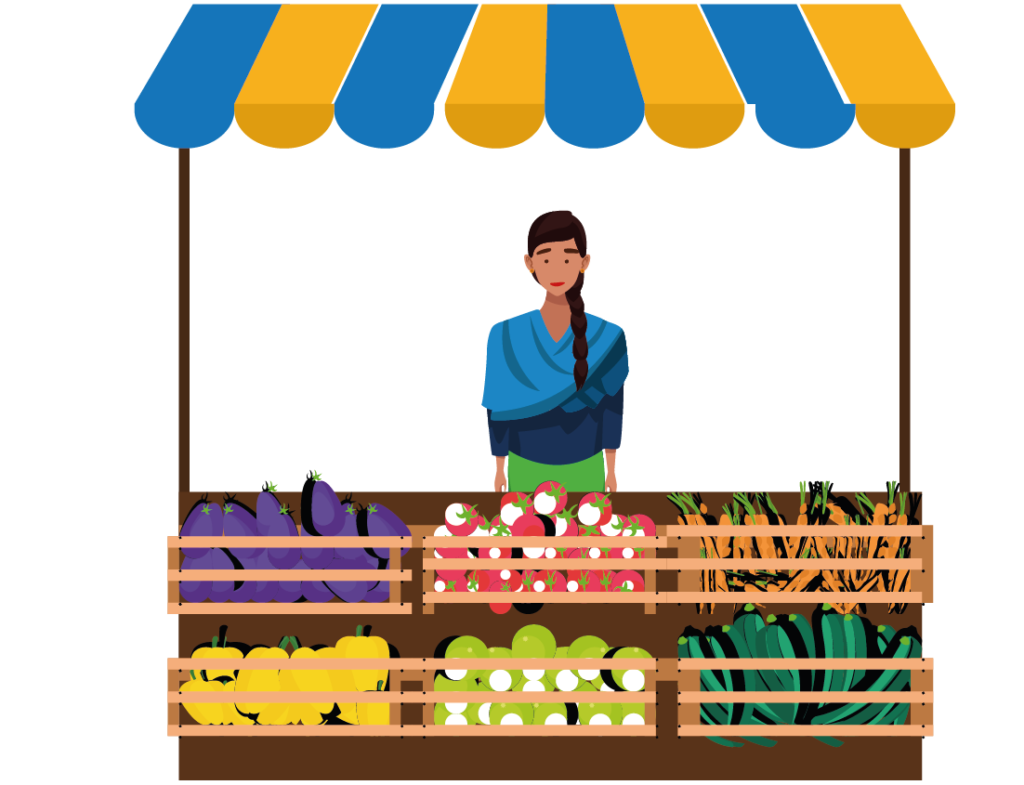
new women-led enterprises launched
Our Impact
10,472
2,122
SHGs formed consisting of about 128,569 women members
new women-led enterprises launched
67
10,134
Program Highlights
Our Achievements
Laadli Media Awards
WOTR won this award for Gender Sensitivity 2011-12
Woman of the Year 2007- 2008 Award
Awarded to Dr. Marcella D’Souza, Executive Director of WOTR, by Indian Merchant Chambers’ Ladies Wing, for her significant contribution in the field of water conservation
Karmaveer Puraskaar
Awarded to Dr. Marcella D’Souza (Director, WCReS), by Khemka Foundation in March 2007, for developing pedagogy for women empowerment
No more financial distress!
Yavatmal district in Maharashtra has several heartbreaking stories of poor agriculture and financial crisis. But Chanda and Ramkala’s story is inspiring to many. After their husbands’ death, both the women were struggling to fend for themselves and take care of their families.
With the support of WOTR’s women empowerment program, Chanda and Ramkala are now leading a progressive life. They are now the role models for several women in the community.
To invest in the empowerment of women for rural India, reach out to Preetilata Gaikwad at preetilata.gaikwad@wotr.org.in
Frequently Asked Questions (FAQs)
Livelihood initiatives empower rural women by creating sustainable income opportunities, improving financial independence, and enhancing their participation in community development. Through self-help groups (SHGs), skill development, women-led enterprises, and access to savings and credit support, WOTR helps rural women build confidence and strengthen their decision-making role within households and villages. These initiatives not only improve livelihoods but also contribute to long-term women empowerment and social well-being in rural communities.

Rural women in India face a deeply layered set of challenges that limit their potential and well-being. They bear a disproportionate burden of domestic and other responsibilities, including fetching water, collecting firewood, working in fields, and managing household tasks; a condition often referred to as “time poverty.” This constant drudgery severely restricts their ability to pursue adult education, engage in income-generating activities, and participate in social and political decision-making.
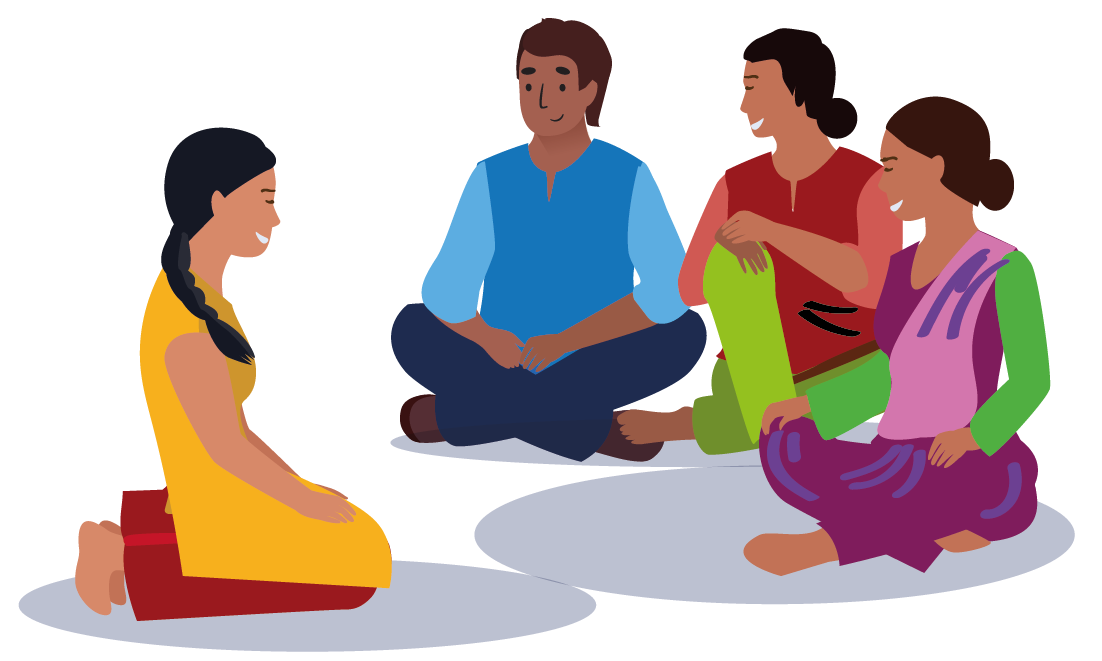
Self-Help Groups (SHGs) are one of the most effective tools for building women’s financial independence at the grassroots level. By bringing women together in a collective, SHGs enable members to pool savings, access credit, and support each other in starting and growing small enterprises. This collective financial strength gives women the means to invest in livelihoods without depending on informal moneylenders or facing the barriers of traditional banking.
Gender inequality is a significant barrier to inclusive and sustainable rural development. When women; who play equally important roles in driving the rural economy are denied access to education, economic opportunities, and decision-making platforms, the entire community suffers. The inequitable distribution of domestic labour limits women’s productivity and income generation capacity, reducing the overall economic output of rural households.
Women’s empowerment is essential for the holistic development of rural India because women are central to the functioning of rural households, farms, and communities; yet they remain among the most underserved. Addressing gender inequality by reducing women’s time poverty, improving their access to economic opportunities, and enabling their participation in decision-making creates a powerful ripple effect that benefits not just individual women but entire families and societies.
Women’s participation in Village Development Committees (VDCs) plays a vital role in creating inclusive and sustainable rural development. WOTR promotes equal representation by ensuring that 50% of the members in VDCs are women, giving them an active voice in community decision-making. This approach strengthens women empowerment, improves local governance, and helps address key issues related to water, agriculture, livelihoods, and social well-being in rural communities.