Rajasthan
NGO in Rajasthan
The Challenge
Yet, water scarcity, degrading natural resources, and growing desertification threaten two key livelihoods—agriculture and animal husbandry. As these falter, many are pushed toward mining, often at the cost of their health. Limited income fuels a range of other challenges: rising malnutrition, increased burden on women, distress migration, and the overuse of fragile natural resources.
WOTR’s Approach
Considering the rising stress on natural resources of the region, intensified by climate change, WOTR is working on enhancing livelihood security for the community through sustainable management of resources.
We believe that combating rural poverty requires a systemic approach that rejuvenates both rural communities and their surrounding natural ecosystems. Employing an Ecosystem-based Adaptation (EbA) approach, we mobilise rural communities to restore and efficiently manage their land, water, and forests, while promoting participatory governance and enhancing their adaptive capacities. This leads to revitalised ecosystems that strengthen their resilience to climate change, generates more livelihood opportunities, and boosts their overall quality of life, health, and nutrition.
WOTR is supporting tribal, poor and marginal families to secure a sustainable income and break the vicious cycle of poverty through different interventions.
Presence
Flagship Programmes
Water and Land Management
In Rajasthan’s drought-prone regions, WOTR works with communities struggling against degraded land and depleting water resources. Rainfall here is brief, intense, and increasingly erratic due to climate change, failing to recharge the groundwater. Most farmers rely solely on rainfed agriculture, unable to grow a second (rabi) crop due to water scarcity.
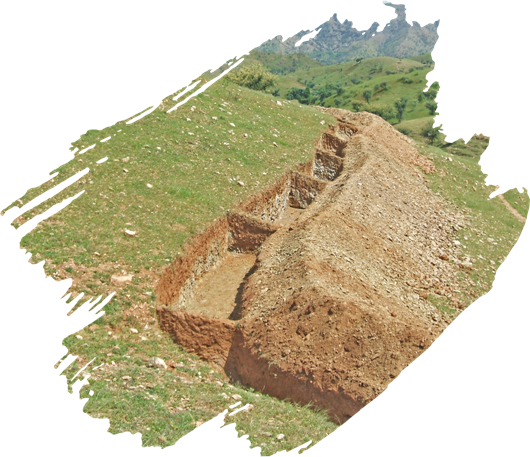
To support poor and marginal farmers, WOTR promotes water conservation and sustainable land management. By reviving and building traditional, low-cost water harvesting structures like pokhars and pagaras, the initiative helps capture rainwater and improve groundwater recharge. These efforts aim to restore degraded landscapes, raise the water table, and offer farming communities a chance at improved resilience and productivity in the face of climate uncertainty.
In 2024-2025, our interventions in Rajasthan have restored more than 960 hectares of land have been treated for soil and water conservation
hectares of area treatment done, supporting nearly 2,700 households across locations
Pagaras constructed, benefitting over 60 households
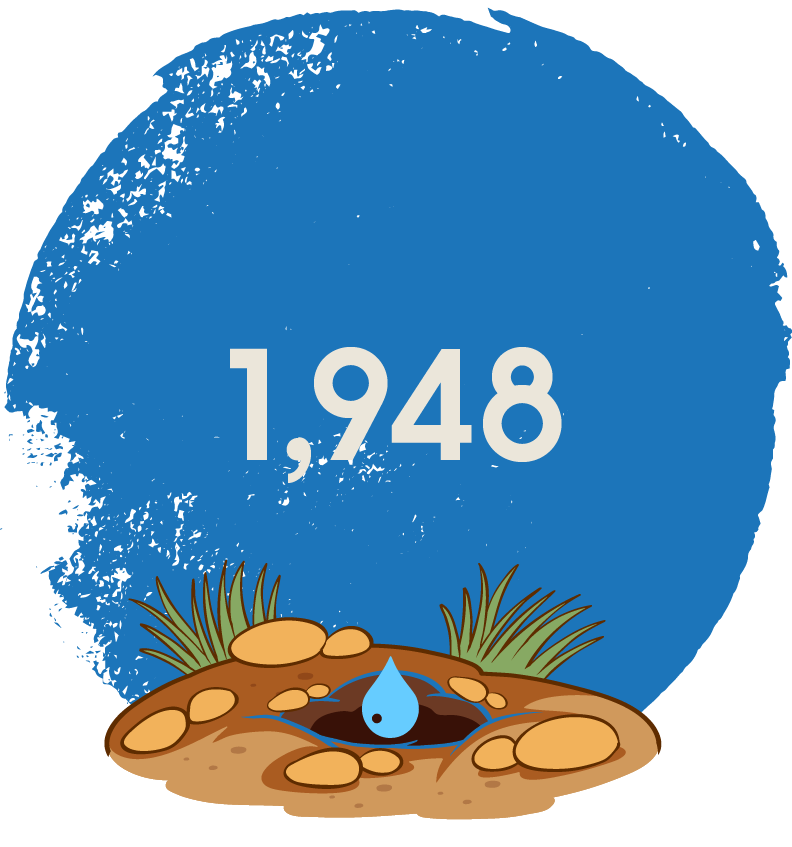
million liters of water harvesting potential created
micro-irrigation sets for optimum use of water in agriculture
Climate Resilient Agriculture
In Rajasthan, many farmers still rely on traditional methods, facing low yields due to scarce irrigation and extreme, unpredictable weather. To address this, WOTR is guiding them toward climate-resilient farming. Through hands-on training and field demonstrations, farmers are introduced to sustainable practices like organic farming and the System of Crop Intensification (SCI)—methods that improve productivity while preserving natural resources.
Beyond the field, WOTR connects farmers to Farmer Producer Organisations (FPOs), helping them access fair prices, secure payments, and convenient produce collection points near their farms. These efforts not only strengthen livelihoods but also build long-term resilience, ensuring farming remains a viable way of life even in the face of climate uncertainty.
In 2024-2025, more than 3025 farmers have adopted organic farming in Rajasthan
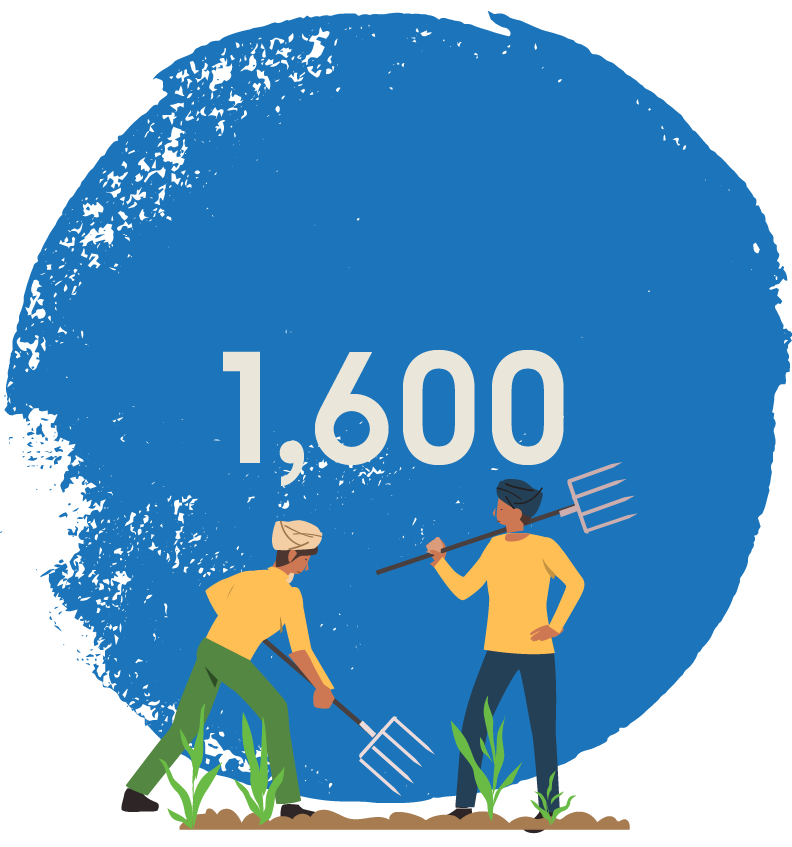
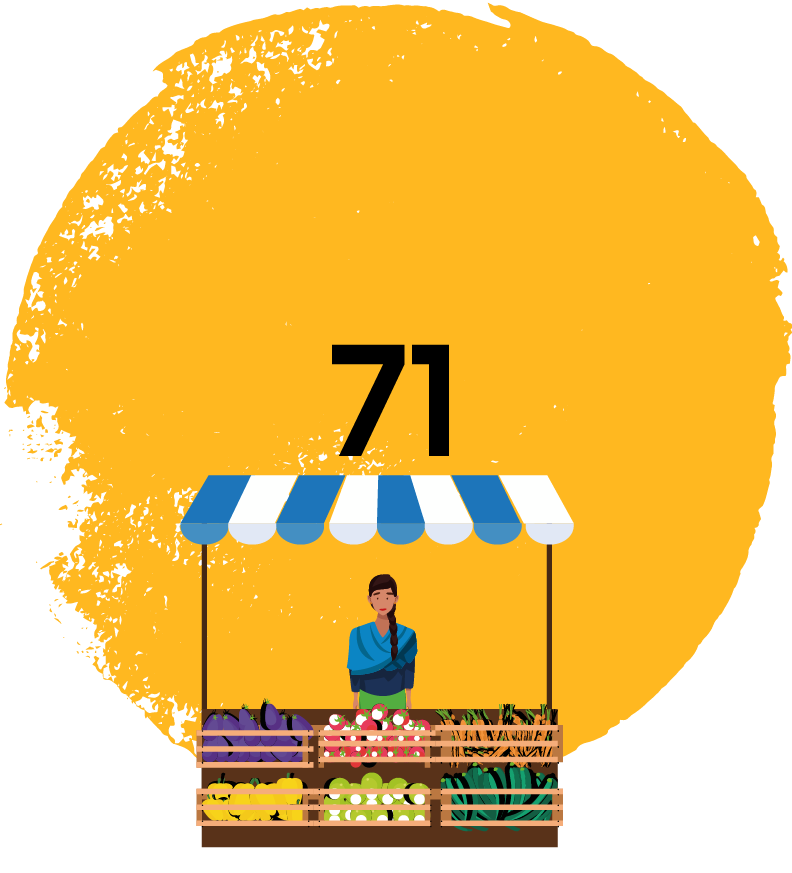
farmers from 44 villages covered under climate-resilient agriculture
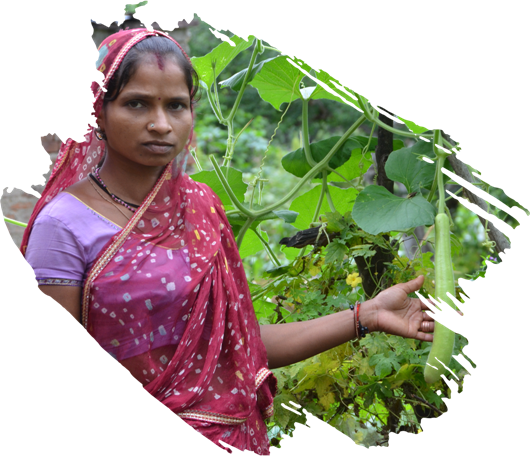
households started their own kitchen garden
WOTR is empanelled by NABARD for the formation and promotion of farmer producer organizations (FPOs)
Livelihoods
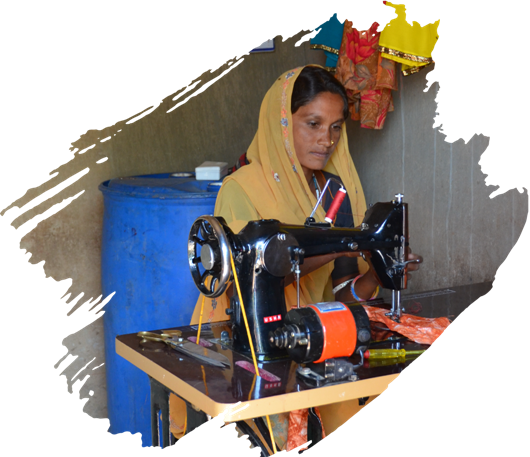
In rural Rajasthan, livestock forms the backbone of household livelihoods along with other employment opportunities like wage labour, forest produce collection and artisanry. Recognising this, WOTR is helping communities care better for their animals with initiatives like goat-rearing units while boosting incomes through other non-agricultural livelihood options.
These initiatives offer families alternative sources of income and reduce their dependence on increasingly unreliable farming due to climate change.
In 2024-2025, 620 households in Rajasthan are being supported with livelihood initiatives, helping families build more secure and sustainable sources of income.
families are supported under livelihood security initiatives
families empowered with capacity building on alternate livelihoods
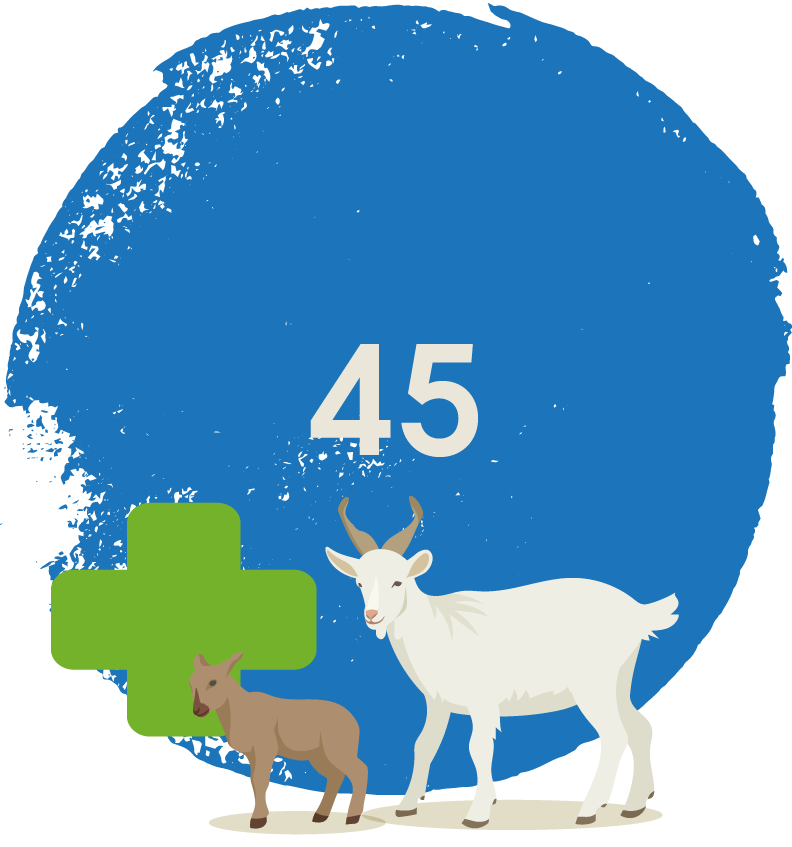
animal health camps have been organized in 33 villages
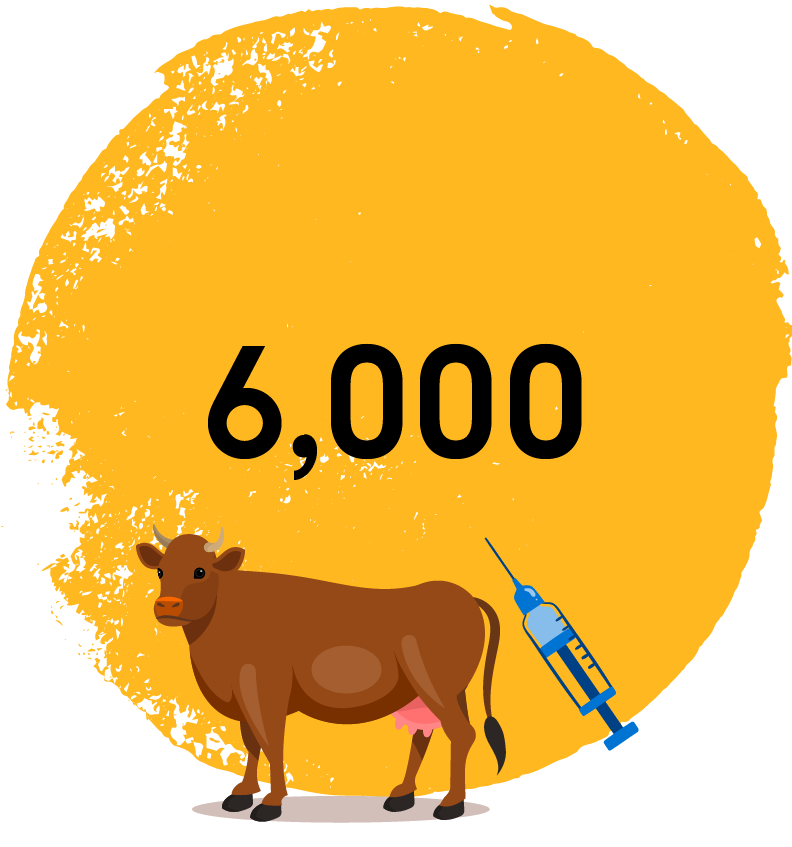
cattle vaccinated
Nutrition, health, and sanitation:
Children are the foundation of a better future, but in Rajasthan, many face the harsh realities of malnutrition driven by poverty.
WOTR is addressing this challenge through practical, community-led solutions that prioritise child health and well-being. With the help of Wasundhara Sevikas, WOTR’s Community Resource Persons (CRPs) on ground, we conduct regular monitoring of children’s height and weight, kitchen gardens, and anemia detection camps are creating awareness and fostering change at the grassroots.
By using simple, local resources and involving families directly, WOTR is helping communities take charge of their children’s nutrition, laying the groundwork for a healthier, more hopeful tomorrow.
In 2024-2025, 7235 children were monitored regularly for height and weight, helping ensure healthy development
Women Empowerment
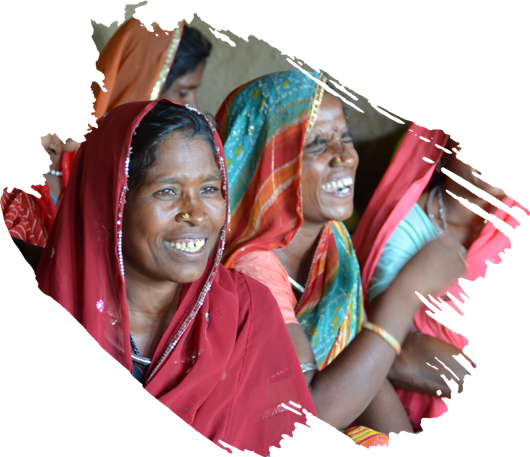
In rural Rajasthan, women and water are deeply intertwined. Women are typically responsible for collecting water, a task that consumes hours each day and limits their ability to pursue education or personal interests. Child marriage remains another persistent issue in the region, often fueling gender-based violence and domestic abuse. It frequently strips women of financial autonomy and imposes severe restrictions on their mobility and independence.
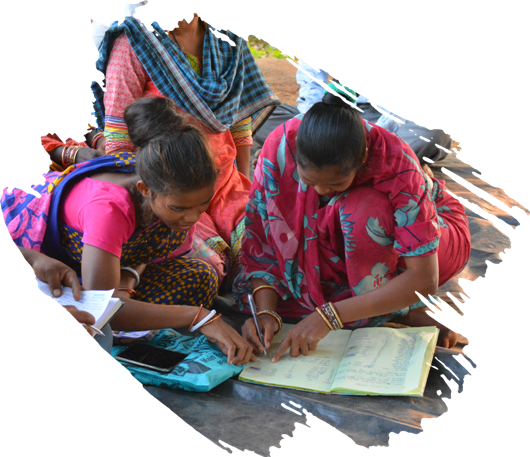
To address this, Watershed Organisation Trust (WOTR) not only works to improve water availability but also further empowers women through Self-Help Groups (SHGs). These groups give women a platform to voice their concerns, gain confidence, and make informed decisions. With training and support, they’re becoming financially independent and active participants in community development.
In 2024-2025, around 19 SHG new SHGs were formed and 139 women-led enterprises were supported
Other Initiatives
WOTR is educating community members to realize the power of collectives through community mobilization. WOTR actively supports the formation and functioning of Village Development Committees (VDCs) and self-help groups (SHGs). The team regularly participates in Gram Sabhas to understand the challenges of the community. The platform is used for spreading awareness on various initiatives and planning for future programs.
village development committees supported
women SHGs have been supported by WOTR in Dungarpur, Udaipur and Pratapgarh
persons trained including key leaders, GP members and VDC members
capacity building events for village development and implementation support
Reaping Profits through sustainable agriculture
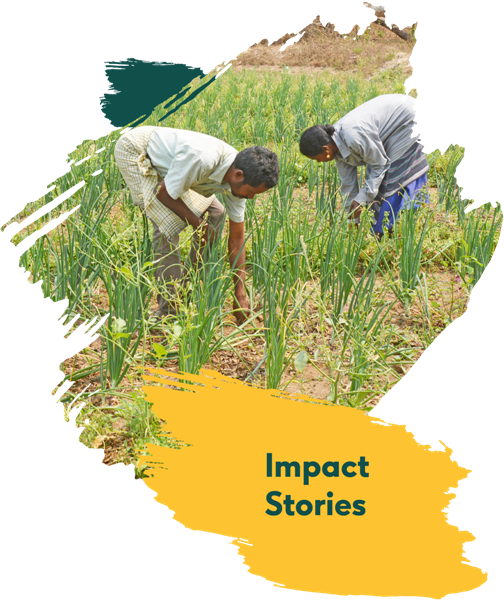
For years, Ramnarayan Meena never thought of crop diversification due to limited water availability. The farm income was insufficient and was affecting him as well as his family.
Battling against hope and the sole recourse of migrating to one of the big cities for work, he attended WOTR’s farmer school and learned smart farming. With a focus on reducing chemical inputs and improving water-use efficiency, these practices helped Ramnarayan triple his income and cultivate a larger area.