Health, Sanitation & Nutrition
Why Health, Sanitation & Nutrition?
Amongst multiple factors affecting people’s health in rural areas, sanitation and nutrition play a crucial role. For instance, more than 50% of women in rural India are malnourished and anaemic. While several government initiatives and schemes have been launched to promote better health, sometimes the facilities are not easily accessible in the remote terrains of rural India.
Good health is the foundation of a thriving, progressive society. WOTR is working with and for communities to foster healthy lifestyles and improve access to good health in rural areas.
Our Interventions
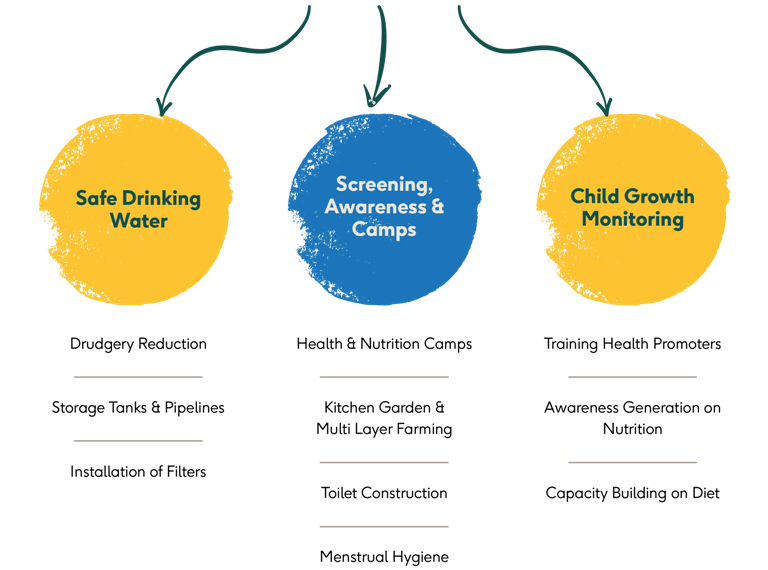
By adopting a collaborative approach, WOTR is sensitizing community members to adopt healthy practices and support them with facilities such as clean drinking water and growth monitoring for children. We promote good nutrition to mitigate anemia, specifically in adolescent girls and women while also focusing on building physical and mental health awareness by collaborating with government and like-minded organisations.
Our Impact
116,337
288
7,781
56
people impacted by overall health initiatives across 289 villages
drinking water units installed in schools across 183 villages
children covered under Child Growth Monitoring in 2021-22
Anemia detection camps benefitting 6214 men, women and children in 2021-22
Our Impact
116,337
288
people impacted by overall health initiatives across 289 villages
drinking water units installed in schools across 183 villages
7,781
56
children covered under Child Growth Monitoring in 2021-22
Anemia detection camps benefitting 6214 men, women and children in 2021-22
Program Highlights
Our Achievements
Nirmal Gram Puraskar
Awarded to WOTR by the Government of India in 2008
Citadel Achievement Award
Mr. Crispino Lobo was honored with the award for exemplary work in the social development sector in August 2008
Vasantrao Naik Puraskar 2012
Awarded to WOTR for excellent work done in rural development areas
Kyoto World Water Grand Prize 2009
WOTR won the prize during the 5th World Water Forum in Istanbul, Turkey
Using the sun to fetch water
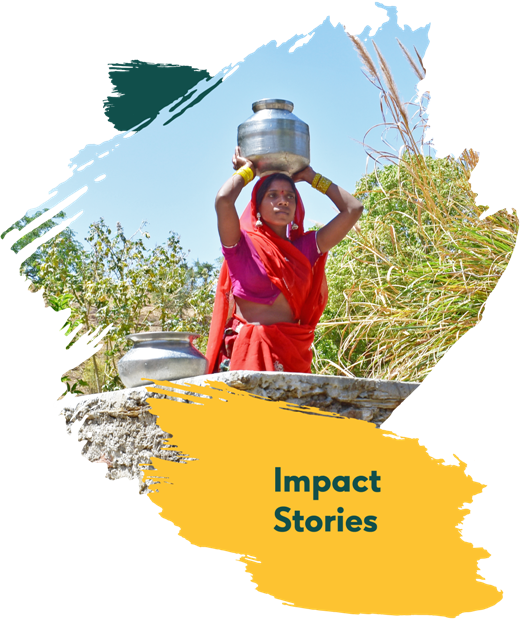
The residents of village Modwa were facing a deep water crisis for a long period. The common well in the village, the only source of potable water, was crumbling due to poor maintenance.
In 2016, WOTR used solar pumps to resolve the drinking water issue in this small village of Rajasthan. Today the villagers have clean water supply through taps and they don’t have to worry about fetching water from the well.
To invest in sustainable Health, Sanitation and Nutrition practices for rural India, reach out to Sujaya Dangwar at sujaya.dangwar@wotr.org.in
Frequently Asked Questions (FAQs)
Malnutrition has a deeply damaging impact on rural communities, affecting the health, productivity, and overall well-being of individuals particularly women and children. In rural India, more than 50% of women are malnourished and anaemic, which weakens their physical capacity, reduces their ability to work and earn, and compromises their quality of life. For children, poor nutrition directly affects physical growth and cognitive development, limiting their long-term potential.

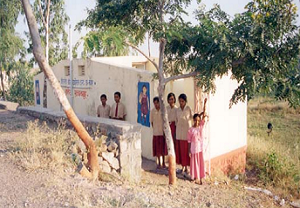
Sanitation is a fundamental pillar of public health and community well-being, yet it remains a significant challenge in rural India. Poor sanitation leads to the spread of waterborne diseases, worsens malnutrition, and increases health vulnerabilities; especially for children and women. In remote rural terrains, limited access to government health facilities makes the situation even more critical.
Women’s nutrition is absolutely central to the health and progress of rural communities, as women are the primary caregivers, farmers, and nurturers within their households. When women are malnourished and anaemic as is the case for more than 50% of women in rural India; the consequences extend far beyond individual health. Malnourished mothers are more likely to give birth to underweight children, perpetuating an intergenerational cycle of poor health and poverty.
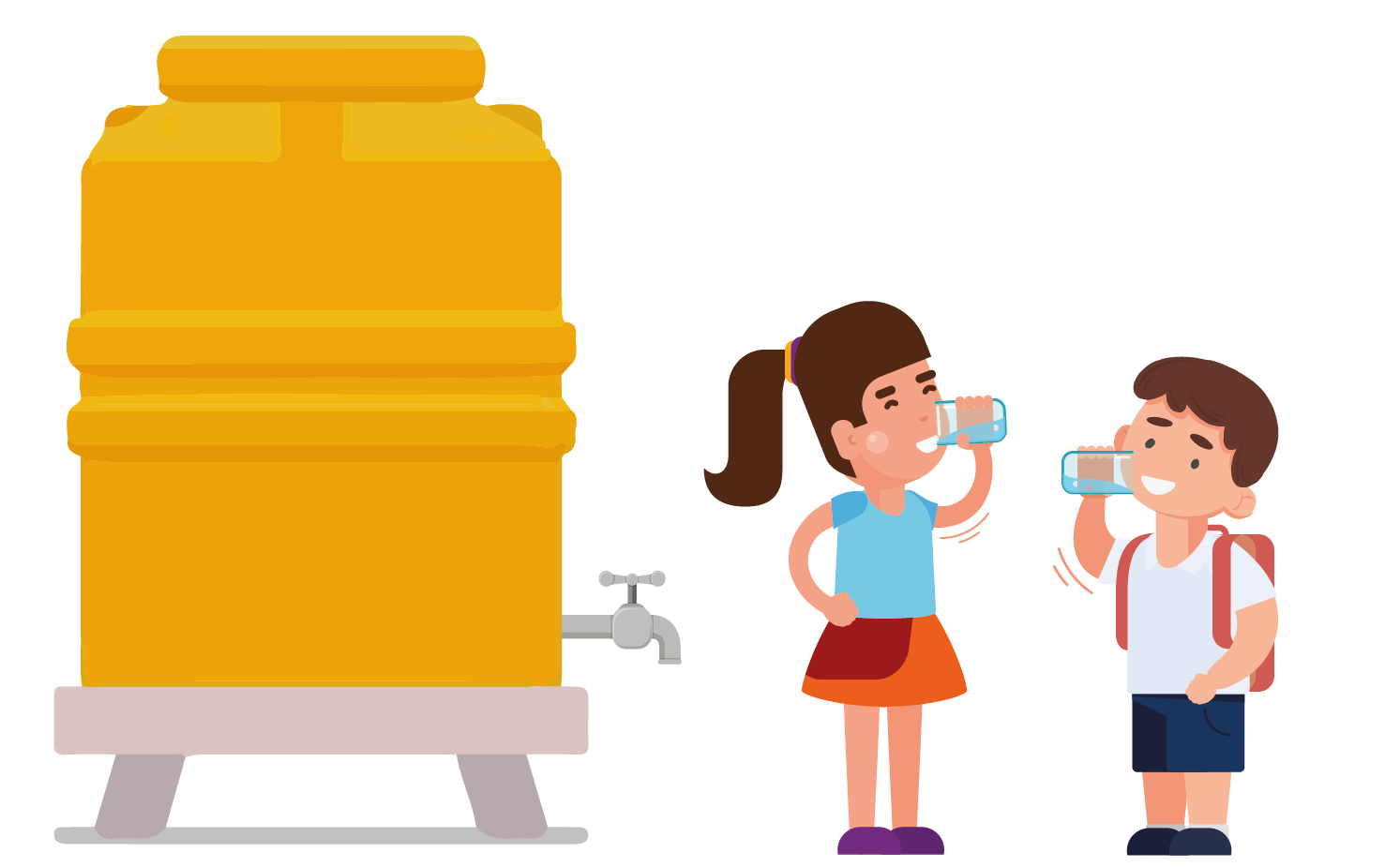
Access to safe drinking water is a cornerstone of good health, yet it remains out of reach for many rural communities. WOTR has supported the installation of drinking water units in villages, ensuring that families, especially women and children, have reliable access to clean water close to home. This reduces the time women spend fetching water, lowers the risk of waterborne diseases, and directly supports better nutrition and hygiene outcomes.
Anemia, a condition caused by iron deficiency, affects more than 50% of women in rural India and is a leading cause of maternal and child mortality. WOTR organises anemia detection camps at the community level to screen adolescent girls, women of reproductive age, pregnant women, and new mothers. Early detection allows for timely intervention through iron supplementation, dietary counselling, and referrals, helping to break the cycle of intergenerational malnutrition.
Child growth monitoring is the regular tracking of a child’s height, weight, and nutritional status to identify early signs of stunting, wasting, or undernutrition. WOTR conducts village-level growth monitoring sessions that help communities and families identify at-risk children before malnutrition becomes severe. During 2021–22, WOTR covered 7,781 children under its Child Growth Monitoring initiative.