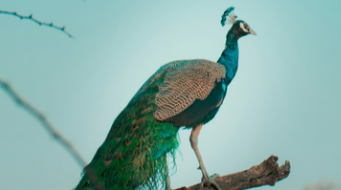
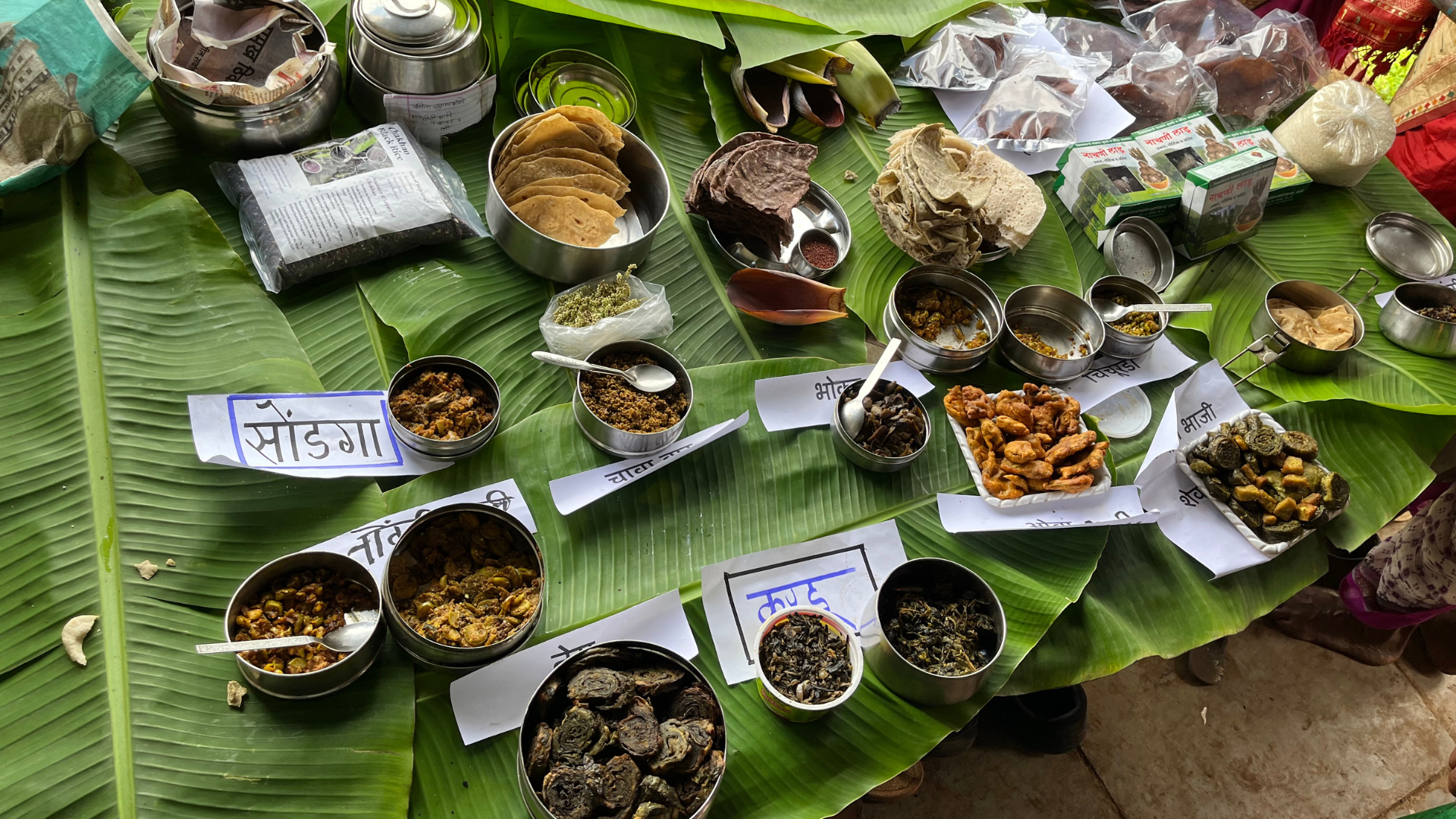
The Raan Bhaji festival celebrates indigenous, wild edible plants used in local cuisine, highlighting the ancient diet of human civilisations. Wild Edible Plants (WEPs) thrive independently, predating modern agriculture. WEPs are integral to the sustenance of traditional and indigenous food methodologies, particularly within rural and
A Better Tomorrow
Stories, Practices, and Solutions
Achieving food security in India with 17.7% of the world’s population but only 2.4% of its land1 is a daunting task. Despite an estimated food production of 314 million metric tons in 2021-2022, the country still faces the challenge of feeding its
India, with a population of 1.4 billion, has long been concerned with ensuring food security. Despite recent economic growth, the country continues to face challenges in eradicating hunger. Maharashtra, one of India’s largest states in terms of area and
The Raan Bhaji festival celebrates indigenous, wild edible plants used in local cuisine, highlighting the ancient diet of human civilisations. Wild Edible Plants (WEPs) thrive independently, predating modern agriculture. WEPs are integral to the sustenance of traditional and indigenous food methodologies, particularly within rural and
Achieving food security in India with 17.7% of the world’s population but only 2.4% of its land1 is a daunting task. Despite an estimated food production of 314 million metric tons in 2021-2022, the country still faces the challenge of feeding its
India, with a population of 1.4 billion, has long been concerned with ensuring food security. Despite recent economic growth, the country continues to face challenges in eradicating hunger. Maharashtra, one of India’s largest states in terms of area and
By Categories
By Tags
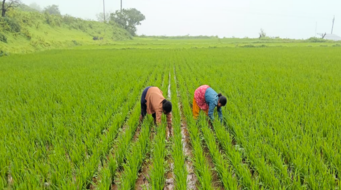
An initiative to work with 40 Farmer Producer Organisations across five districts, strengthening climate-resilient agriculture, farmer-owned enterprises and market access.
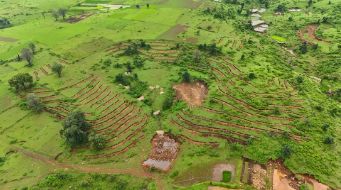
Discover how integrated watershed management in Chhattisgarh is restoring degraded lands, conserving water, improving agricultural productivity and strengthening rural livelihoods.
Project Jal Samruddhi was implemented across 11,840 acres reaching 2,064 households and 10,500+ people in six villages. Read to know more.
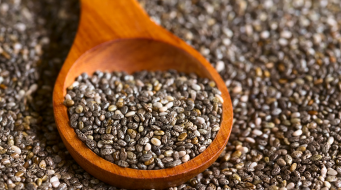
Discover how farmers can grow chia, from seed selection and sowing to irrigation, crop care and harvesting.
Project Samruddhi demonstrates how an integrated approach to rural development can strengthen community resilience and create lasting change across 16 villages.
Farming sustained Ramesh’s family of eleven, but limited water kept his land productive for only one season. Drip irrigation changed what was possible.
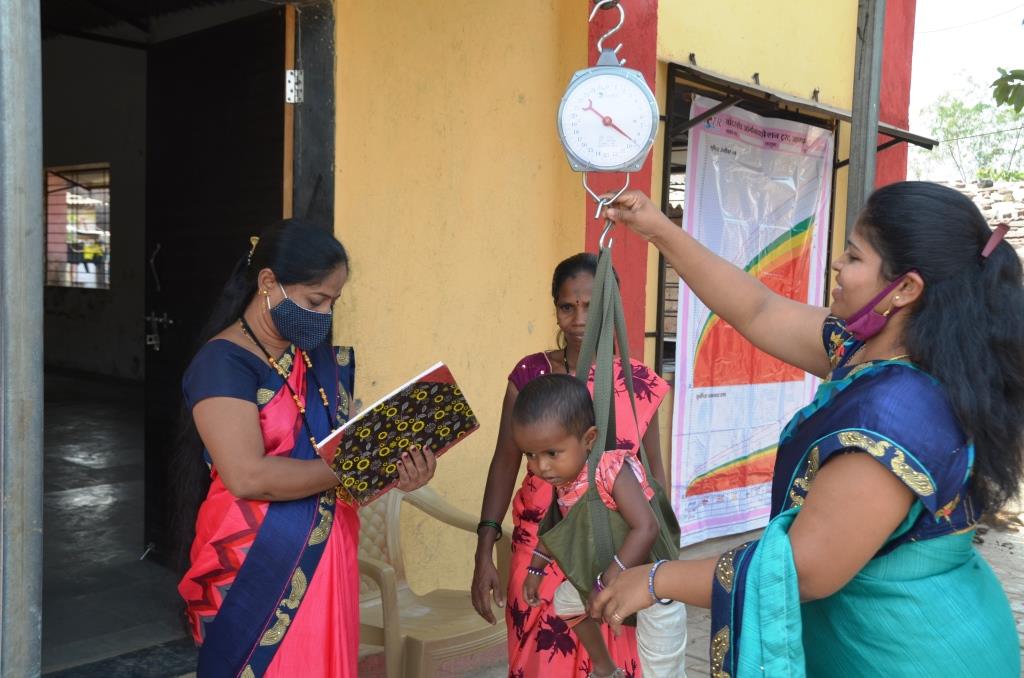
Shanti’s journey with her daughter Ishvi began with the challenges of malnutrition, and a long road towards better health and nourishment.
Explore key insights from our new book on water governance, women’s leadership and locally relevant climate solutions in Maharashtra