If you’re able to fill your bottle with clean drinking water at any given time of the day, clearly you are not amongst the 163 million Indians with no access to this privilege. India is one of the most water-stressed countries in the world
Deficit irrigation is the way towards sustainable agriculture in India, particularly in regions with uncertain and uneven rainfall patterns. There are several challenges posed by climate change, urbanisation, and industrialisation on agricultural
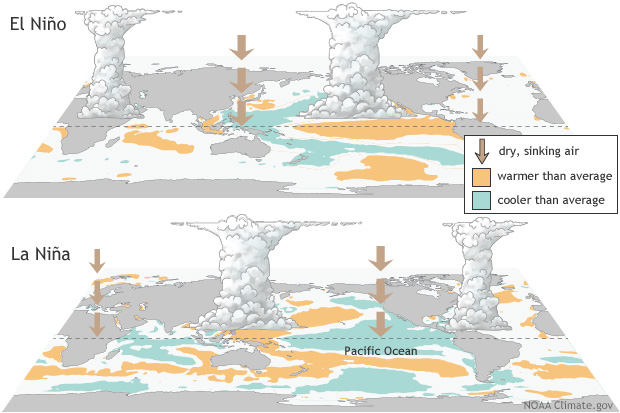
The Indian Meteorological Department (IMD) has predicted a normal monsoon for 2023, estimating rainfall at 96% of the long-term average. Despite this, the IMD also cautions that El Niño conditions are likely to emerge during the monsoon season. In
India, predominantly an agricultural nation, is currently facing a significant challenge in ensuring food security for its ever-growing population. With agriculture accounting for about 70% of the country’s water consumption, efficient water
Groundwater resources in India, a lifeline for millions of people and a driving force behind its economic growth, are under immense pressure due to population growth, climate change, and unregulated exploitation. The availability and
As we celebrate World Water Day, it’s crucial to recognize the importance of accelerating change to solve the water and sanitation crisis that affects millions of people worldwide. With this year’s theme focusing on the need for urgent action, the Water
India is on the brink of a water crisis, with over 600 million people facing high to extreme water stress. The dwindling freshwater reserves are a wake-up call for us to act now and ensure sustainable use of our natural resources. To address this grave concern,
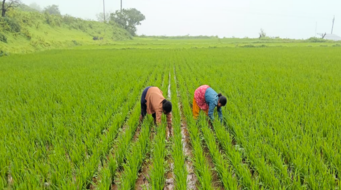
An initiative to work with 40 Farmer Producer Organisations across five districts, strengthening climate-resilient agriculture, farmer-owned enterprises and market access.
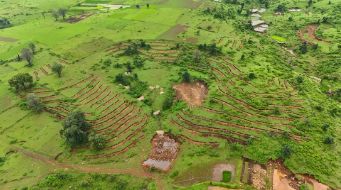
Discover how integrated watershed management in Chhattisgarh is restoring degraded lands, conserving water, improving agricultural productivity and strengthening rural livelihoods.
Project Samruddhi demonstrates how an integrated approach to rural development can strengthen community resilience and create lasting change across 16 villages.
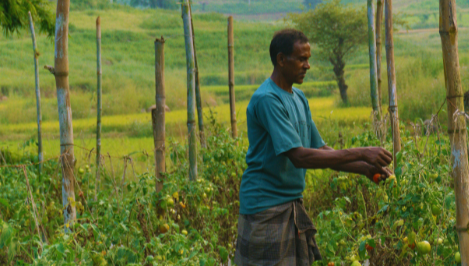
Farming sustained Ramesh’s family of eleven, but limited water kept his land productive for only one season. Drip irrigation changed what was possible.