Tracing the historical evolution of global warming awareness from its origins in the late 1930s to its current status, it is a pressing global concern due to human activities like burning fossil fuels. The
A Better Tomorrow
Stories, Practices, and Solutions
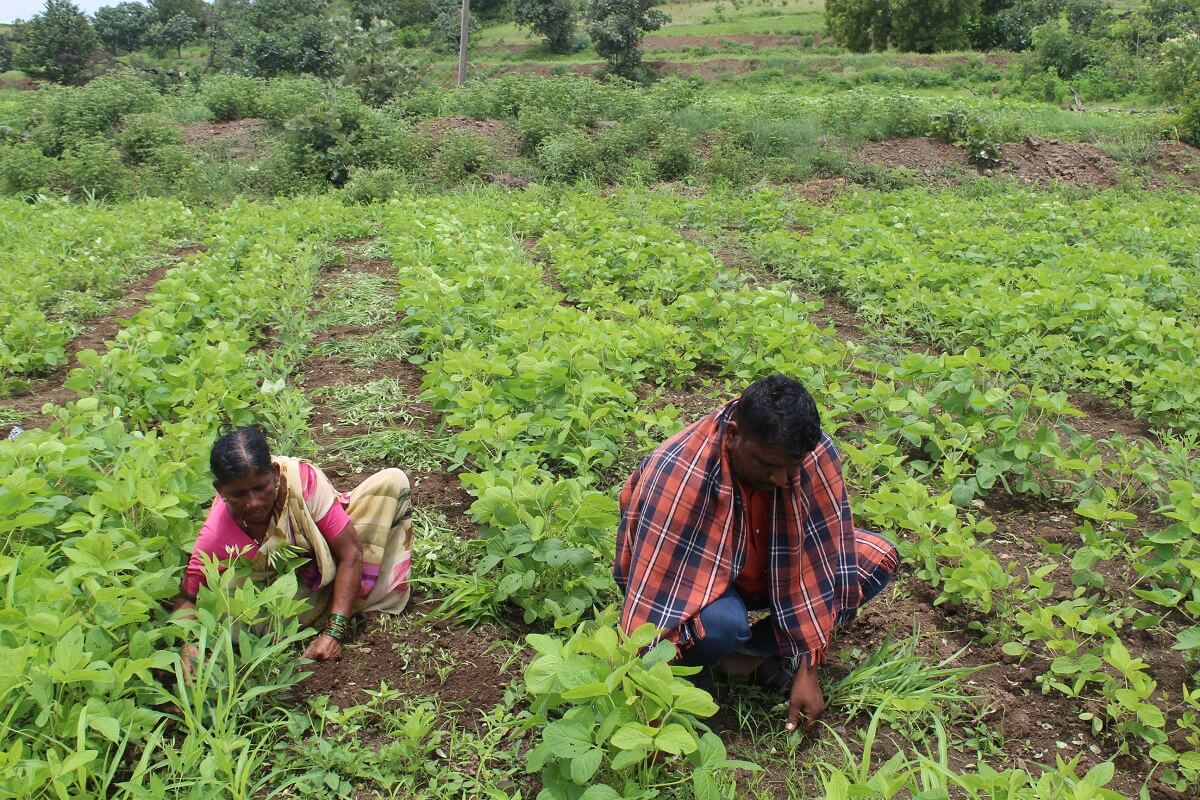
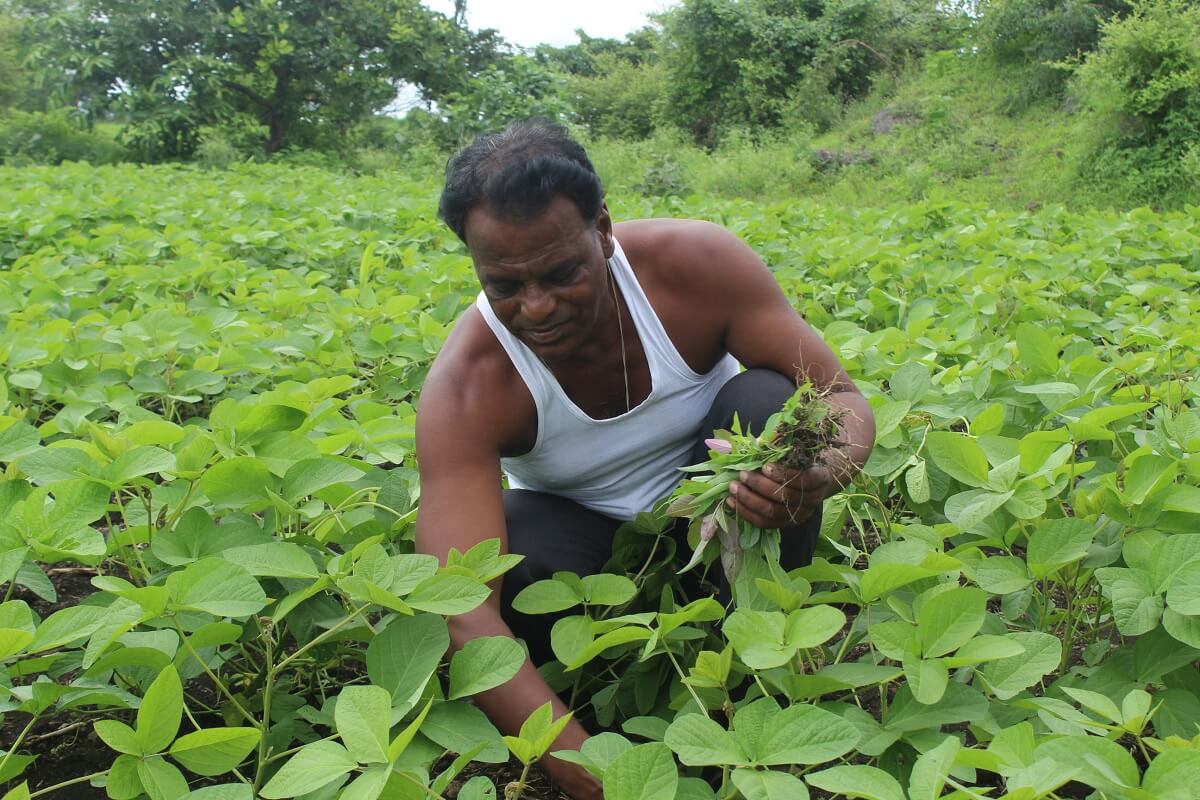
Basaava Swami, a 50-year-old farmer from Kherada village in the Bidar district of Aurad taluka, had long been practising conventional farming methods. However, his curiosity led him on a path of discovery of SCI-system of crop intensification which
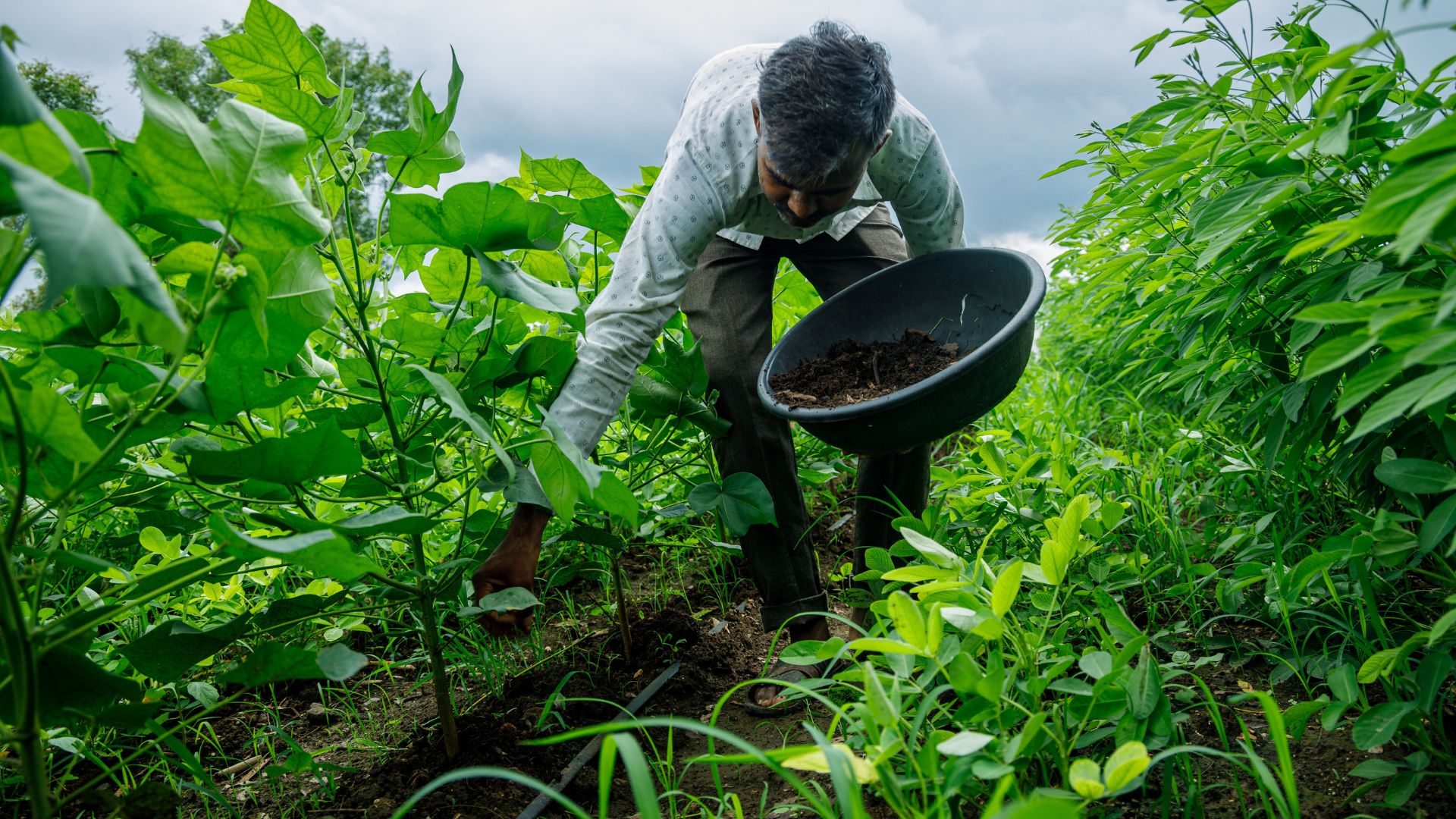
In the quiet heart of Bonthi Village, nestled within Bidar District of Karnataka, Rama Malhari Rane, a 62-year-old farmer, faced a dire challenge. With 10 acres of land thirsting for hydration, and a dried-up well as testament to the scorching heat, Rama
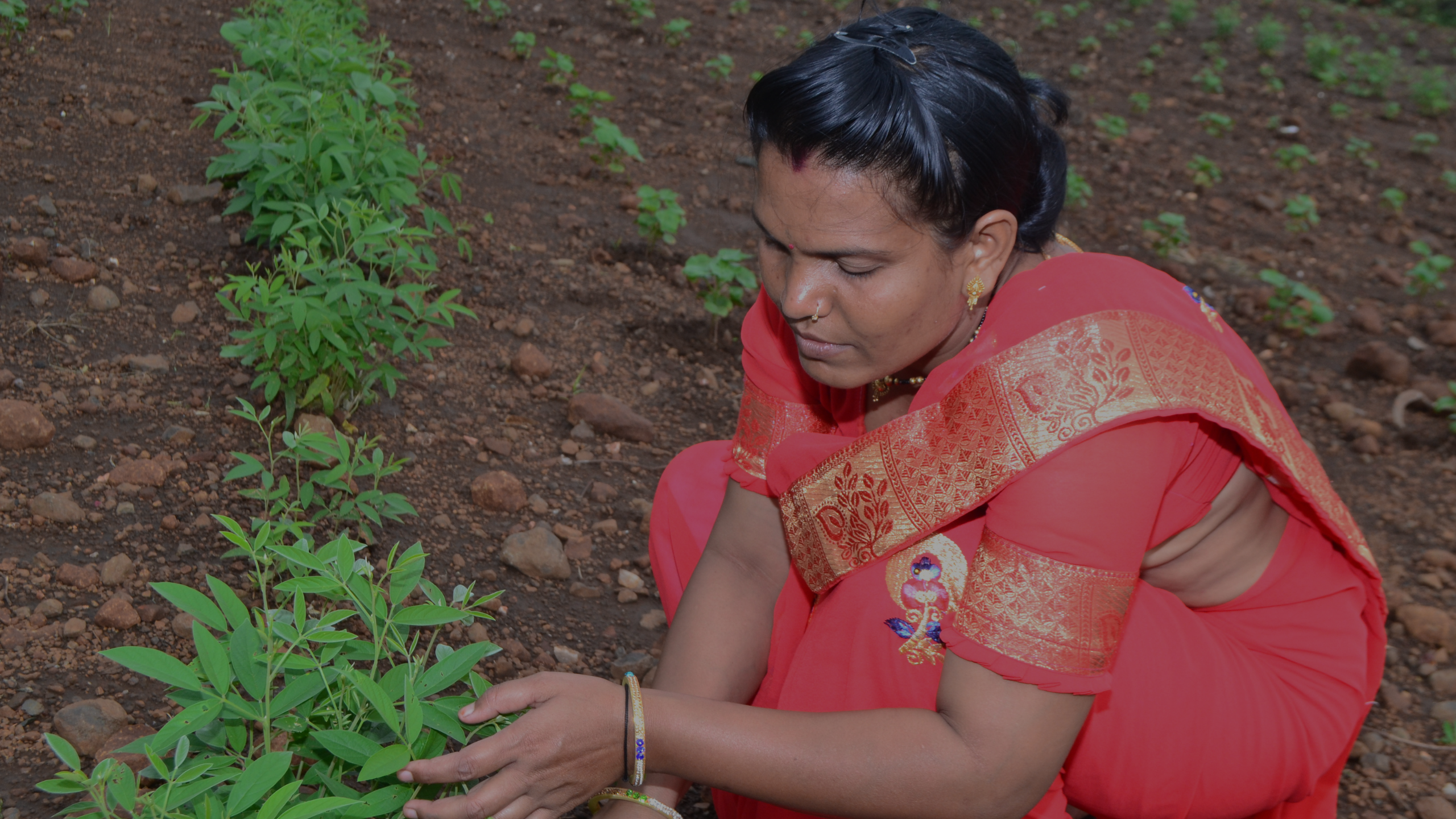
Kanta Golayit always harboured a deep-seated desire to cultivate her own land and reap a bountiful harvest. Despite the vast land she owned, the yield was dishearteningly meagre. With acute water scarcity and inadequate irrigation facilities
Despite the Indian Meteorological Department’s (IMD) optimistic forecast of a normal monsoon in 2023, gauging at about 96% of the Long Period Average (LPA) with a model error margin of ± 4%, concerns still loom large. The IMD’s cautionary note
India, with its vast rural expanse, presents an intriguing case where feasibility studies in rural development projects could play a transformative role. With over 65% of its more than 1.4 billion people living in rural areas, the need for focused
Rural communities are the backbone of our nation. According to the World Bank, 65% of India’s population resides in rural areas, making rural development a critical aspect of sustainable development and inclusive growth. However, these
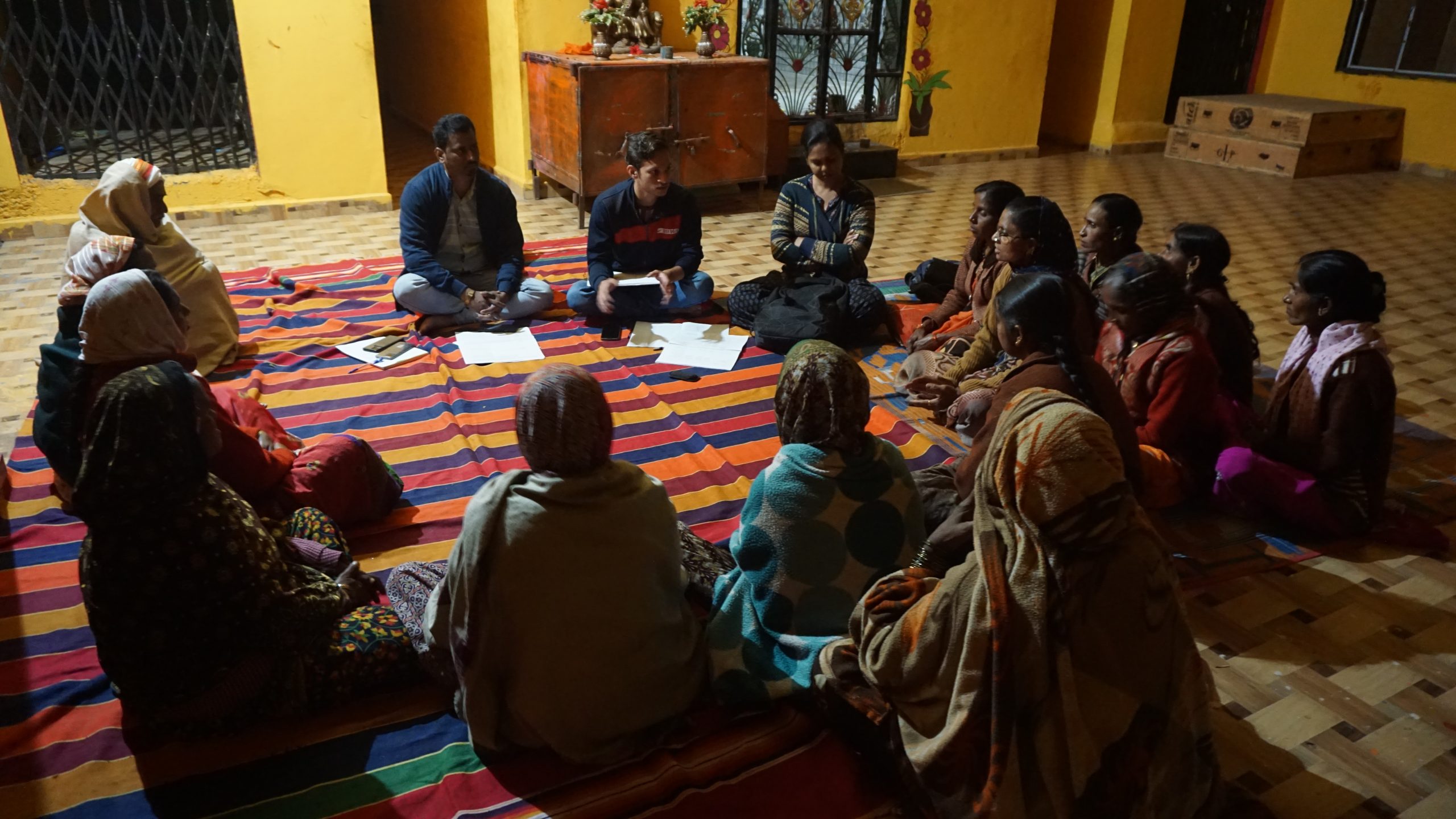
WOTR’s innovative CoDriVE-PD (Community Driven Vulnerability Evaluation – Programme Designer) approach breaks away from conventional methods by actively involving communities in the data collection process, recognizing that community
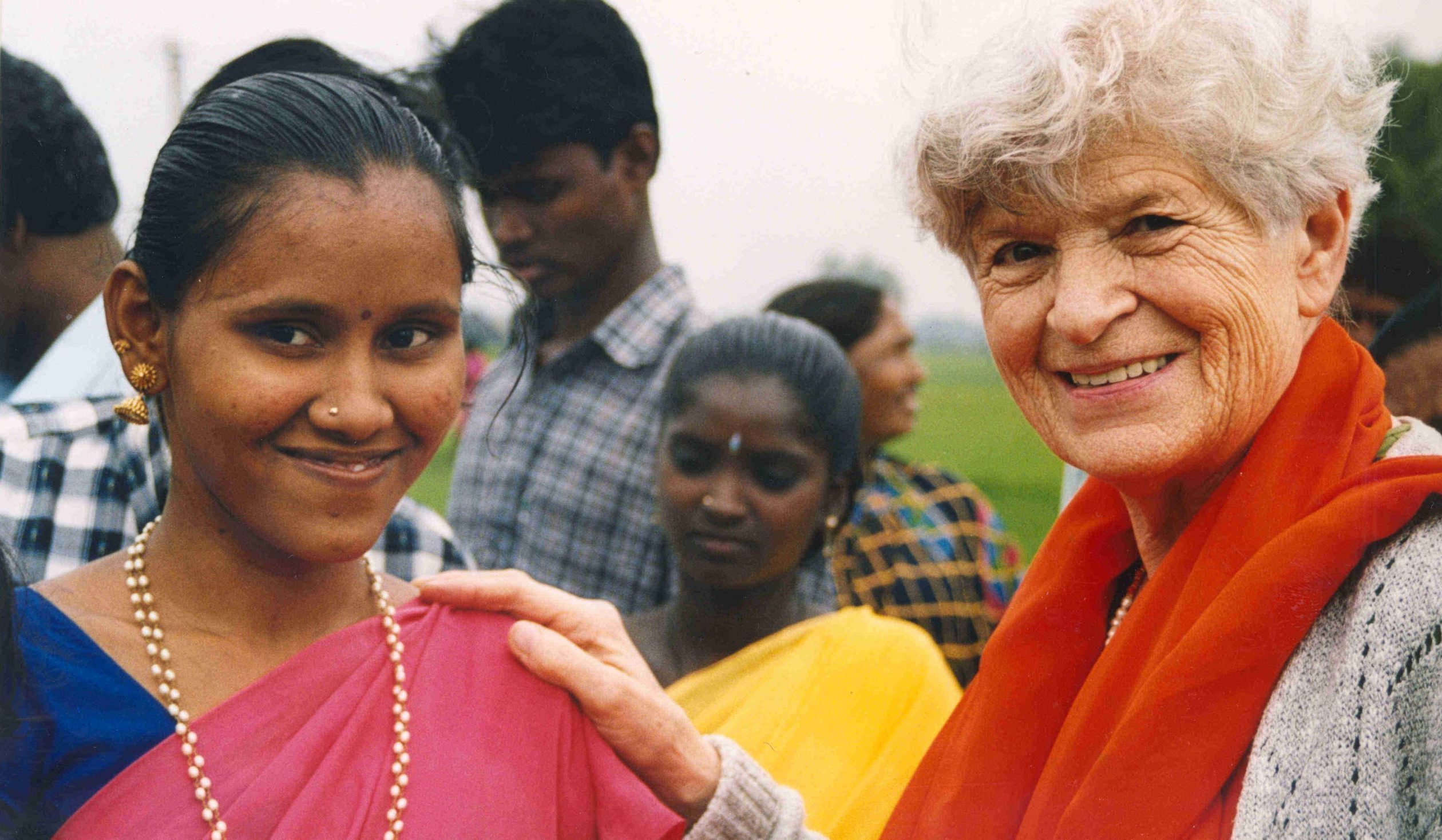
In a world often overshadowed by hardship and suffering, there are extraordinary individuals who choose to dedicate their lives to making a difference. Today, on the occasion of Rosi Gollmann’s 96th birthday, we celebrate the
Native plant species, those which naturally inhabit a certain region, state, ecosystem, or habitat without human intervention, have historically been integral to human livelihoods. For many, these plants are not merely part of the landscape but woven into their
Tracing the historical evolution of global warming awareness from its origins in the late 1930s to its current status, it is a pressing global concern due to human activities like burning fossil fuels. The
Basaava Swami, a 50-year-old farmer from Kherada village in the Bidar district of Aurad taluka, had long been practising conventional farming methods. However, his curiosity led him on a path of discovery of SCI-system of crop intensification which
In the quiet heart of Bonthi Village, nestled within Bidar District of Karnataka, Rama Malhari Rane, a 62-year-old farmer, faced a dire challenge. With 10 acres of land thirsting for hydration, and a dried-up well as testament to the scorching heat, Rama
Kanta Golayit always harboured a deep-seated desire to cultivate her own land and reap a bountiful harvest. Despite the vast land she owned, the yield was dishearteningly meagre. With acute water scarcity and inadequate irrigation facilities
Despite the Indian Meteorological Department’s (IMD) optimistic forecast of a normal monsoon in 2023, gauging at about 96% of the Long Period Average (LPA) with a model error margin of ± 4%, concerns still loom large. The IMD’s cautionary note
India, with its vast rural expanse, presents an intriguing case where feasibility studies in rural development projects could play a transformative role. With over 65% of its more than 1.4 billion people living in rural areas, the need for focused
Rural communities are the backbone of our nation. According to the World Bank, 65% of India’s population resides in rural areas, making rural development a critical aspect of sustainable development and inclusive growth. However, these
WOTR’s innovative CoDriVE-PD (Community Driven Vulnerability Evaluation – Programme Designer) approach breaks away from conventional methods by actively involving communities in the data collection process, recognizing that community
In a world often overshadowed by hardship and suffering, there are extraordinary individuals who choose to dedicate their lives to making a difference. Today, on the occasion of Rosi Gollmann’s 96th birthday, we celebrate the
Native plant species, those which naturally inhabit a certain region, state, ecosystem, or habitat without human intervention, have historically been integral to human livelihoods. For many, these plants are not merely part of the landscape but woven into their
By Categories
By Tags
Fruit and vegetable farming helps Chhattisgarh farmers earn more, adopt organic methods, and build climate-resilient, diversified agricultural livelihoods.
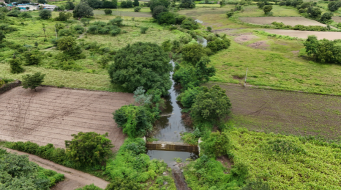
How community-Led Irrigation helped Ramgarh farmers secure year-round water, increase crop diversity, strengthen livelihoods, and inspire collective action.
619 residents from 45 villages villages came together for World Environment Day to build water capacities in an El Niño Year.
El Niño is often blamed for weak monsoons and droughts. Discover how it really influences India’s rainfall, agriculture, water security, and resilience.
Global Forest Goals Report 2026 reveals critical gaps in forest conservation, financing, and livelihoods, highlighting urgent action before 2030.
Climate adaptation needs collective action. ECOBARI unites ecosystems, livelihoods, and communities to build nature-based resilience across rural India.
Climate Resilience is possible when people work with nature. Learn how wetlands, forests, renewable energy, and communities are shaping a sustainable future.
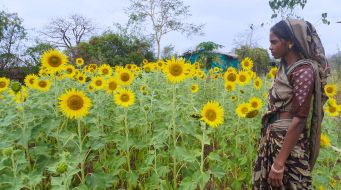
A glimpse of the Rabi harvest season from Chhattisgarh, featuring freshly harvest wheat and sunflowers from villages of Kolhuva, Temri etc.