India, with its vast rural expanse, presents an intriguing case where feasibility studies in rural development projects could play a transformative role. With over 65% of its more than 1.4 billion people living in rural areas, the need for focused
A Better Tomorrow
Stories, Practices, and Solutions
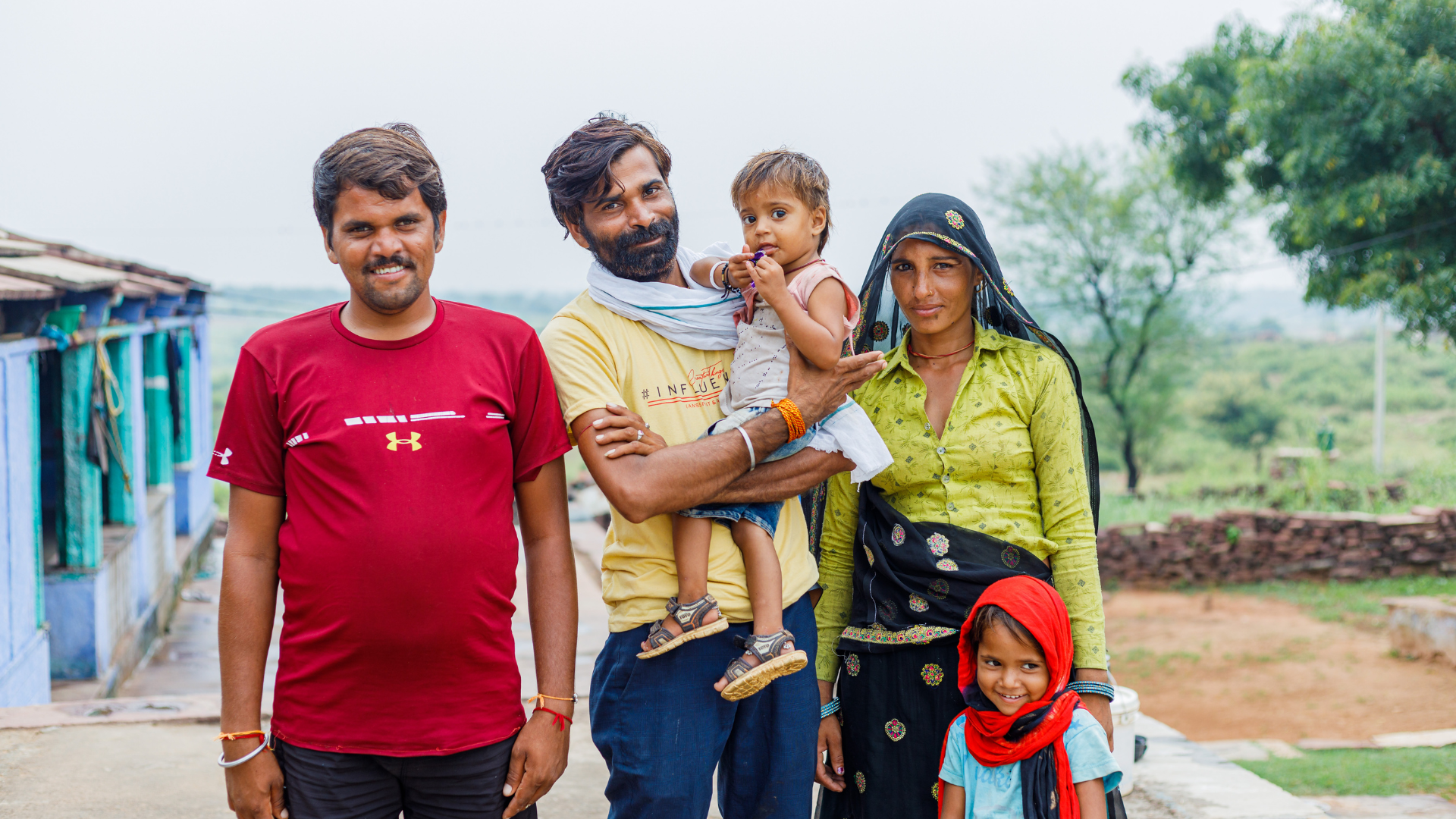
Shivmangal Singh, a hardworking man of 38, knew the contours of struggle and perseverance intimately. As a resident of the remote Mudijhariya village in Koriya district of Chhattisgarh, he bore the weight of providing for a family of six. Alongside his eldest son, Shivmangal shouldered the responsibility
Agriculture plays a significant role in the economies of many developing countries in the Global South. Nonetheless, the sector faces numerous challenges , including climate change, market pressures, land degradation, extreme weather events, and
Rural communities are the backbone of our nation. According to the World Bank, 65% of India’s population resides in rural areas, making rural development a critical aspect of sustainable development and inclusive growth. However, these
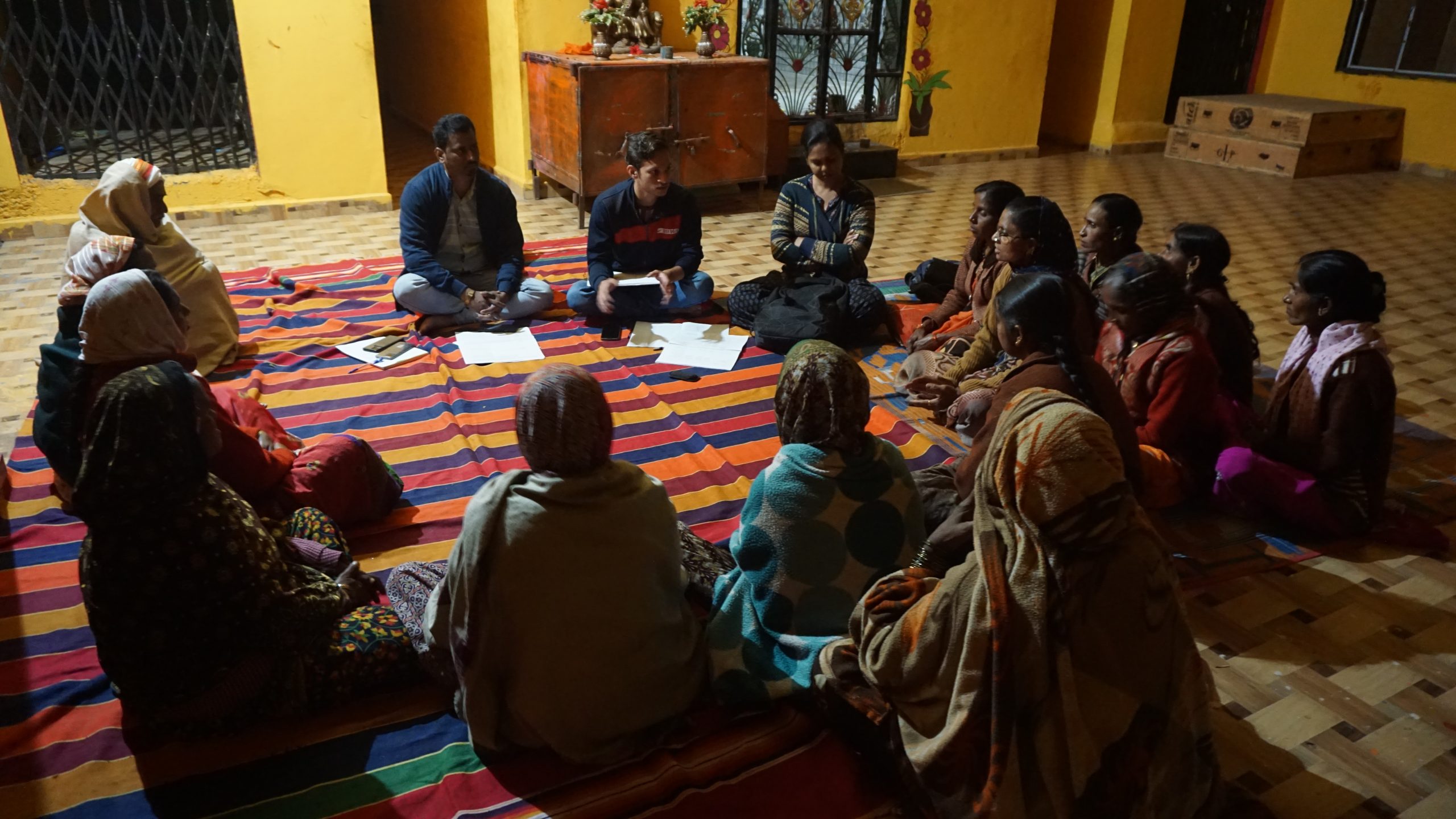
WOTR’s innovative CoDriVE-PD (Community Driven Vulnerability Evaluation – Programme Designer) approach breaks away from conventional methods by actively involving communities in the data collection process, recognizing that community
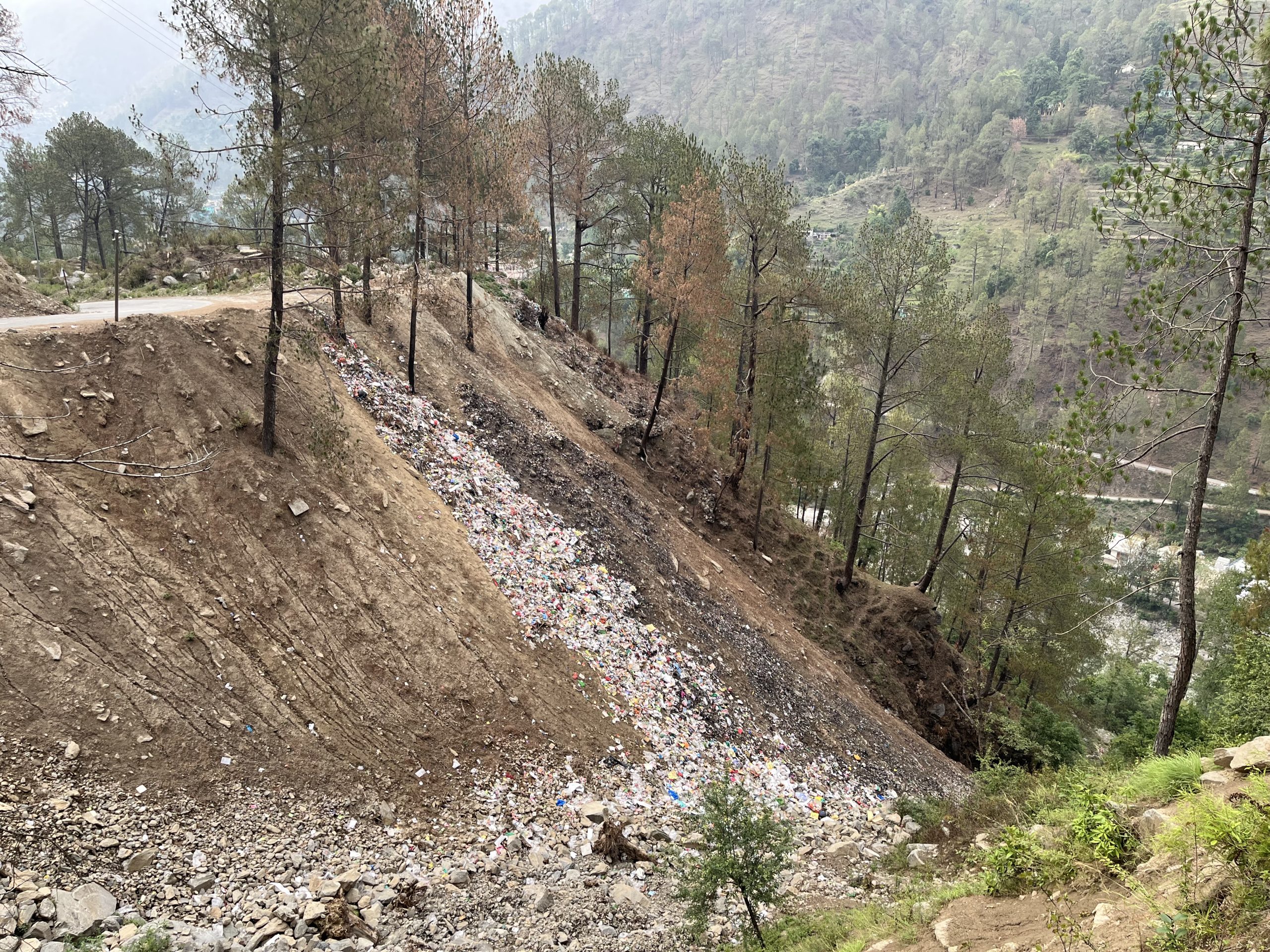
It wouldn’t be an exaggeration to say that plastic dominated the last century as an omnipresent component of the global economy. It has infiltrated every ecosystem and continent on Earth. Plastic is present in every product we use daily, from writing
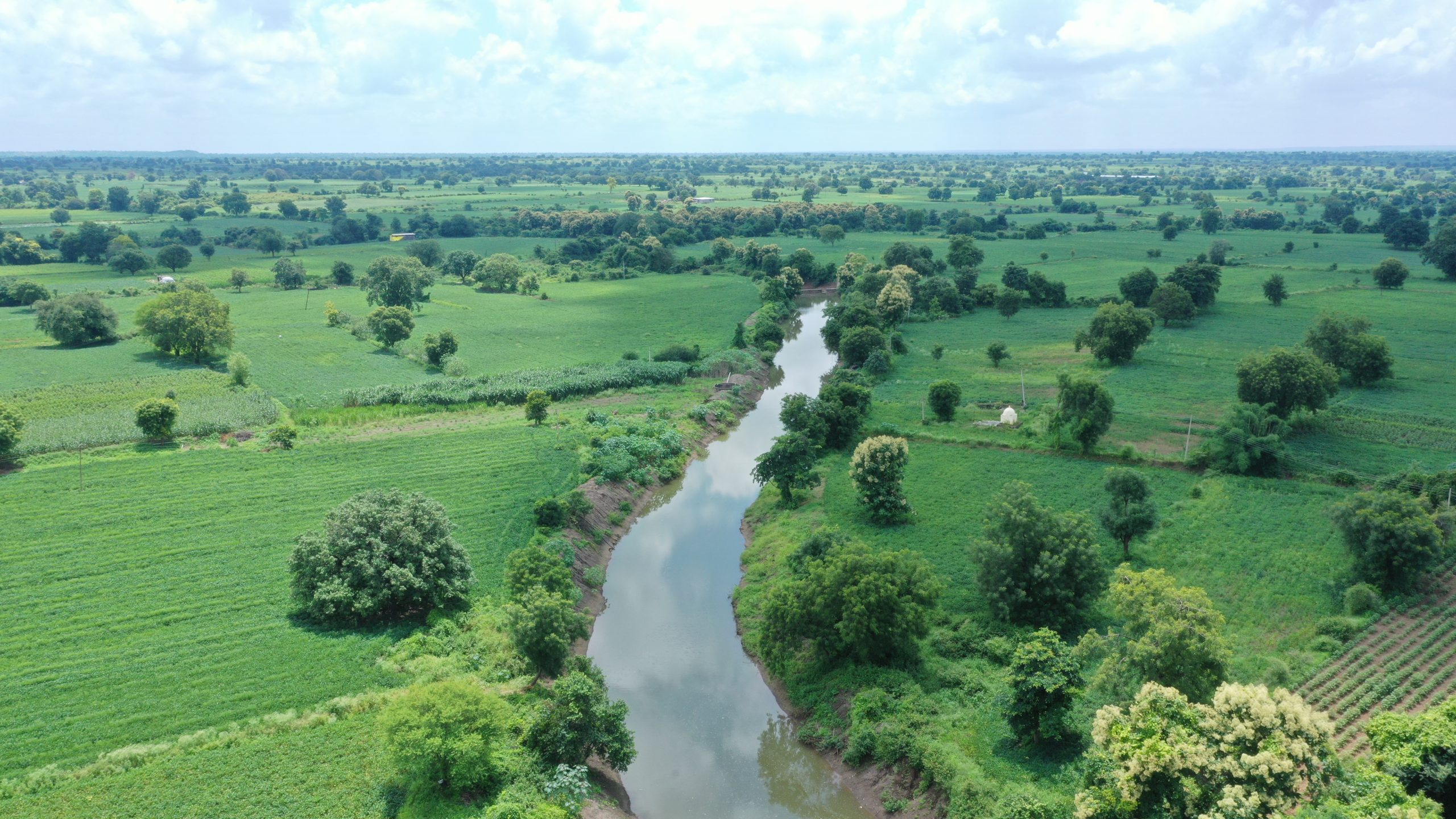
Jalna’s water-scarce rural communities found hope through the transformative PPCP project. Between 2014 and 2019, WOTR, in collaboration with Hindustan Unilever Foundation and the Maharashtra government, undertook an integrated watershed development initiative, leading to the empowerment of local communities. As a result, water levels have significantly improved, soil productivity has been revived, and farmers have gained newfound empowerment.
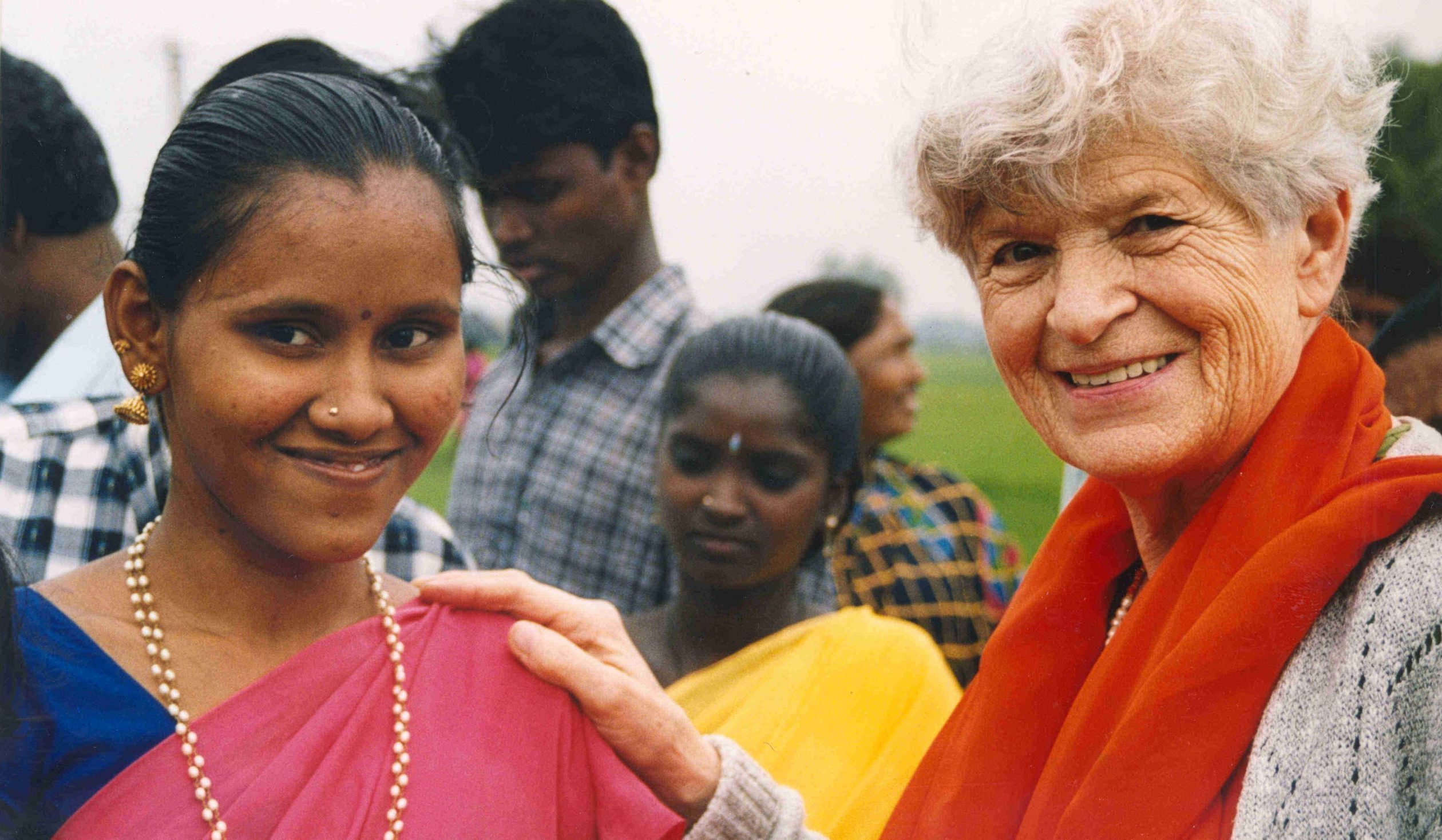
In a world often overshadowed by hardship and suffering, there are extraordinary individuals who choose to dedicate their lives to making a difference. Today, on the occasion of Rosi Gollmann’s 96th birthday, we celebrate the
This incident is from the picturesque village of Purushwadi, nestled among the majestic Sahyadri mountain range in Maharashtra. It was the peak of summer and we, from the Biodiversity and Ecology team of W-CReS, had arrived to collect pre-
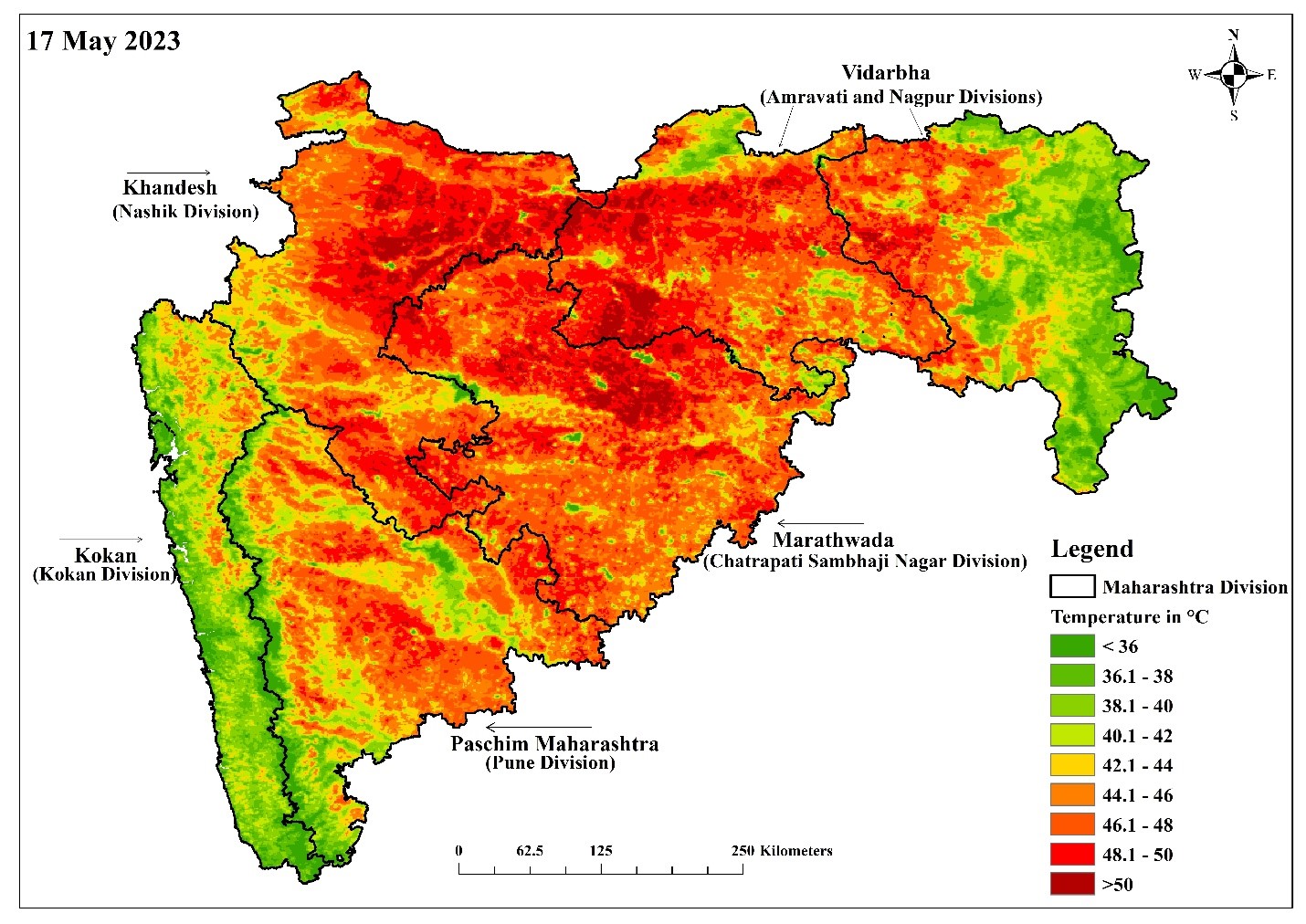
Land Surface Temperature (LST) is a critical parameter for monitoring global changes in heat flux and surface temperature, offering valuable insights into surface energy balance, environmental climate change, ecosystem dynamics, and natural
India, with its vast rural expanse, presents an intriguing case where feasibility studies in rural development projects could play a transformative role. With over 65% of its more than 1.4 billion people living in rural areas, the need for focused
Shivmangal Singh, a hardworking man of 38, knew the contours of struggle and perseverance intimately. As a resident of the remote Mudijhariya village in Koriya district of Chhattisgarh, he bore the weight of providing for a family of six. Alongside his eldest son, Shivmangal shouldered the responsibility
Agriculture plays a significant role in the economies of many developing countries in the Global South. Nonetheless, the sector faces numerous challenges , including climate change, market pressures, land degradation, extreme weather events, and
Rural communities are the backbone of our nation. According to the World Bank, 65% of India’s population resides in rural areas, making rural development a critical aspect of sustainable development and inclusive growth. However, these
WOTR’s innovative CoDriVE-PD (Community Driven Vulnerability Evaluation – Programme Designer) approach breaks away from conventional methods by actively involving communities in the data collection process, recognizing that community
It wouldn’t be an exaggeration to say that plastic dominated the last century as an omnipresent component of the global economy. It has infiltrated every ecosystem and continent on Earth. Plastic is present in every product we use daily, from writing
Jalna’s water-scarce rural communities found hope through the transformative PPCP project. Between 2014 and 2019, WOTR, in collaboration with Hindustan Unilever Foundation and the Maharashtra government, undertook an integrated watershed development initiative, leading to the empowerment of local communities. As a result, water levels have significantly improved, soil productivity has been revived, and farmers have gained newfound empowerment.
In a world often overshadowed by hardship and suffering, there are extraordinary individuals who choose to dedicate their lives to making a difference. Today, on the occasion of Rosi Gollmann’s 96th birthday, we celebrate the
This incident is from the picturesque village of Purushwadi, nestled among the majestic Sahyadri mountain range in Maharashtra. It was the peak of summer and we, from the Biodiversity and Ecology team of W-CReS, had arrived to collect pre-
Land Surface Temperature (LST) is a critical parameter for monitoring global changes in heat flux and surface temperature, offering valuable insights into surface energy balance, environmental climate change, ecosystem dynamics, and natural
By Categories
By Tags
Capacity Building as a cornerstone of rural development strengthens leadership, resilience, sustainability, and community-driven solutions through inclusive training initiatives.
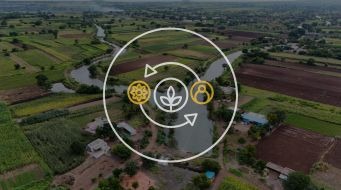
Participatory systems thinking empowers community-led development by integrating local knowledge, strengthening resilience, sustainability, and enabling adaptive, inclusive, long-term rural solutions.
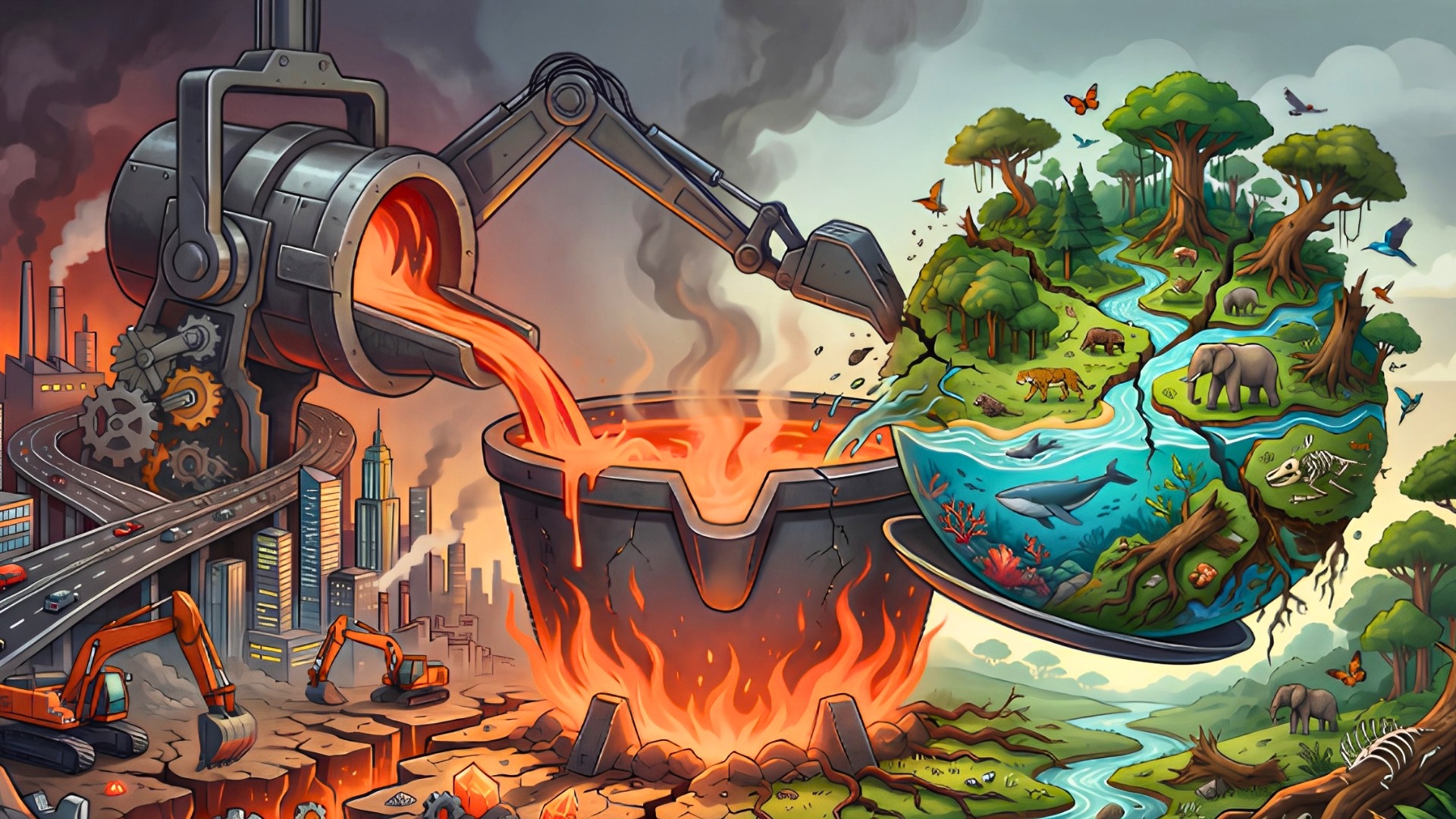
Economic growth has surged globally, but it continues to overlook the true value of biodiversity, placing disproportionate risks on the Global South.
In Chhattisgarh, solar solutions bring water, irrigation, and light to villages, boosting livelihoods and building resilient, self-reliant communities.
In Rayagada district, crescent bunds help cashew trees retain water on hilly slopes, improving yields. A simple solution strengthening tribal livelihoods and climate resilience.
In Karauli district, revived pokhars and pagaras are conserving rainwater and restoring agriculture. These community-led efforts are reducing dependence on hazardous mining while improving livelihoods and health.
Circular economy keeps resources in use for as long as possible, extracts maximum value from them, and then recovers and regenerates products at the end of service life.
Reimagining FPCs as drivers of climate resilience through ecosystem-based approaches to farming. Highlighting how water conservation, soil health and women’s leadership are strengthening livelihoods.