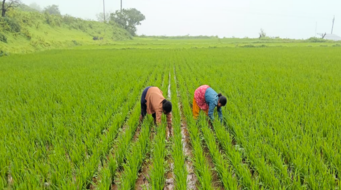
Discover how integrated watershed management in Chhattisgarh is restoring degraded lands, conserving water, improving agricultural productivity and strengthening rural livelihoods.
Frequently Asked Questions (FAQs)
Land restoration enhances soil moisture retention, groundwater recharge, and biodiversity. It reduces vulnerability to droughts and erratic rainfall while improving agricultural productivity.
Ecosystem resilience to climate change can be improved through collaborative, community-led restoration efforts. This includes sustainable land and water management, protecting biodiversity, strengthening soil health, involving farmers and local communities, and ensuring long-term, adaptive planning. When diverse stakeholders work together, ecosystems become more stable, productive, and better able to withstand climate shocks.
Recent Posts
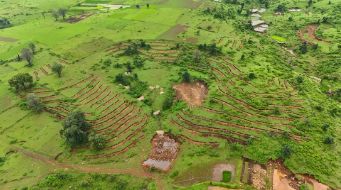
Project Jal Samruddhi was implemented across 11,840 acres reaching 2,064 households and 10,500+ people in six villages. Read to know more.
Discover how farmers can grow chia, from seed selection and sowing to irrigation, crop care and harvesting.