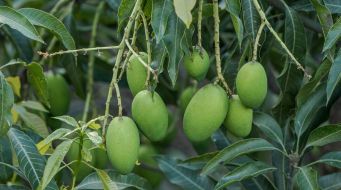
Mango orchards are improving rural livelihoods in Chhattisgarh, creating resilient farms, diverse incomes, and long-term opportunities for farming communities.
Frequently Asked Questions (FAQs)
It is a three-year initiative launched in August 2024 across 10 villages in Mandrail Block, implemented by WOTR with support from Genpact, aimed at fortifying climate change adaptation through community-led water harvesting and climate-resilient agriculture.
A Pokhar is an earthen water harvesting structure with a stone masonry wall that retains water. A single Pokhar can harvest around 12 TCM, or approximately 1.2 crore litres of water, which can then be released through kothis to irrigate downstream fields.
Pagaras are barriers constructed across drainage channels that trap soil while allowing excess water to flow over. In Karauli, they help retain water and recharge groundwater because of the area’s inland drainage system and topography.
The project formed Water User Groups (WUGs), typically consisting of 10-12 farmers for each Pokhar. Farmers contribute land and funds, while WUG members are trained in maintenance, water budgeting, and repairs, making the community responsible for caring for the structures.
Wasundhara Sevaks assist communities with constructing water harvesting structures such as Pokhars and Pagaras, setting up sprinkler irrigation systems, raising awareness about project interventions, and involving community members in decision-making. They also help farmers address issues such as locust attacks and connect them with agriculture experts at WOTR.
Recent Posts
Drawing on WOTR’s grassroots experience, this piece explores the powerful connection between water security, ecosystem restoration, agriculture and nutrition security in rural India.
Exploring World Water Week through our interventions in implementing ecohydrology-based Nature-based Solutions in Maharashtra and Telangana