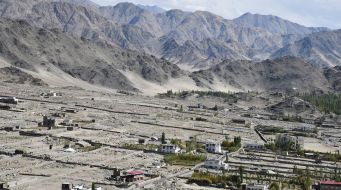
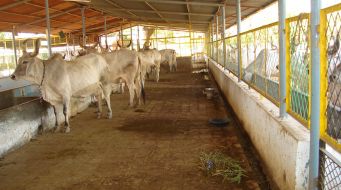
Pastoralism has shaped India’s rangelands for centuries. Here’s why pastoralists are key to protecting biodiversity and healthy ecosystems.
Frequently Asked Questions (FAQs)
Climate Resilient Agriculture (CRA) is a farming approach that helps crops and farmers cope with erratic rainfall, drought, and flooding. It combines drought-tolerant seeds, efficient irrigation, and crop diversification to protect yields from climate shocks.
The System of Rice Intensification (SRI) is a farming method that boosts rice yields by changing how plants, soil, water, and nutrients are managed, rather than by using more seed or water. It involves transplanting single young seedlings with wider spacing and keeping soil moist instead of flooded, producing stronger roots and higher yields with fewer inputs.
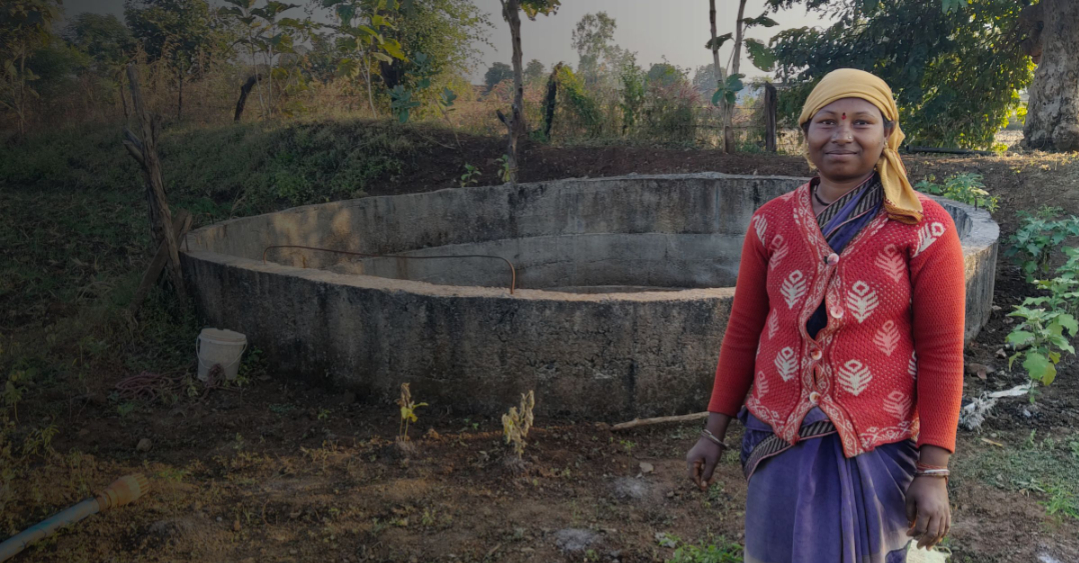
Single crop agriculture, or monocropping, means growing only one crop on the same land every season. It simplifies farming but leaves households financially exposed if that one crop fails. It is also very harmful to the soil. It strips away natural nutrients, destroys helpful microbes, and leaves the earth weak and prone to washing or blowing away.
Recent Posts
Water security remains elusive in Shahapur despite heavy rains. Discover why hard rock terrain stops groundwater recharge in this Konkan story.
An analogy for climate adaptation, showing that scientific expertise alone is not enough. It reminds us that the knowledge on the ground is equally important in making informed decisions