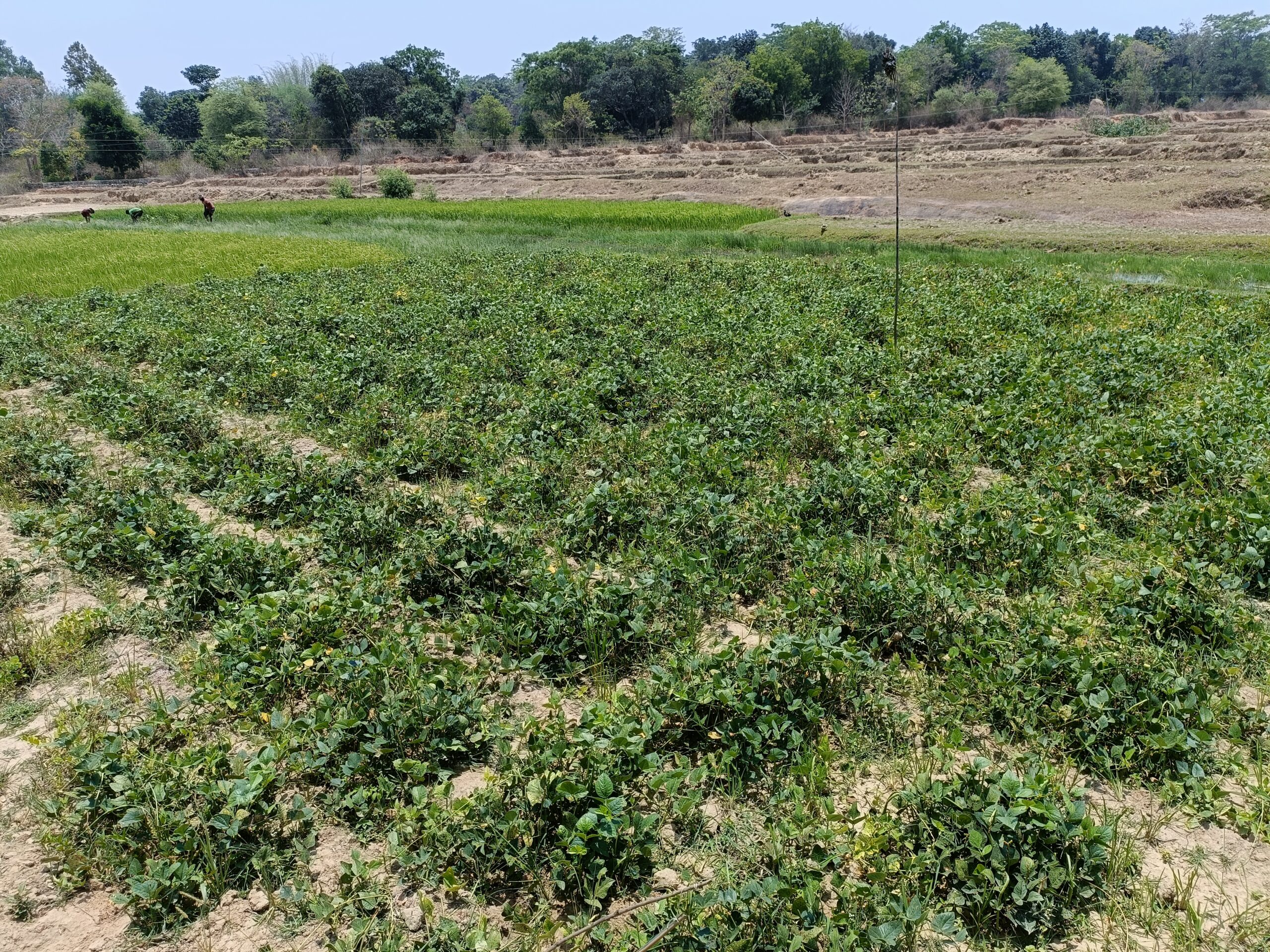
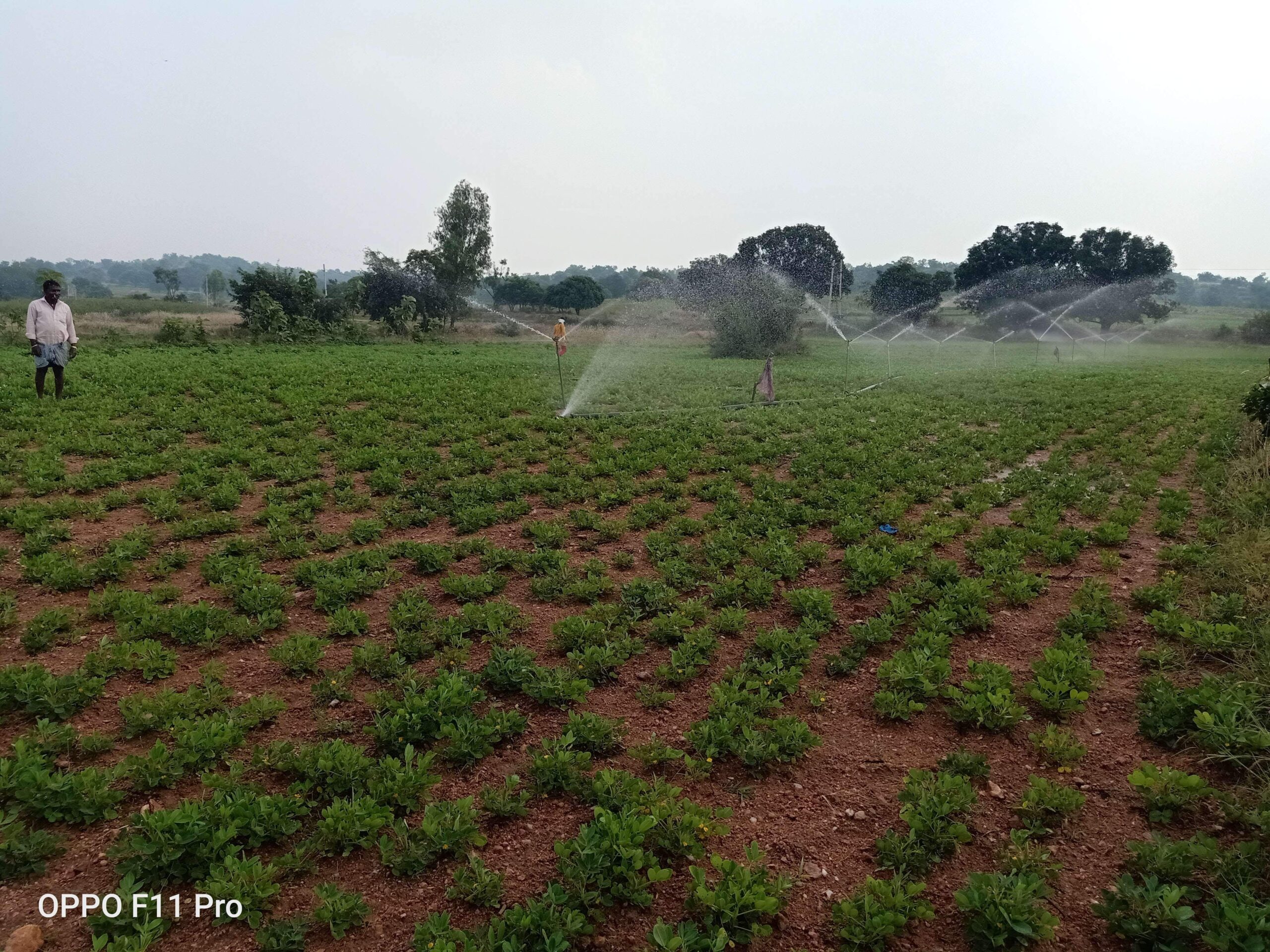
Until about five years back cotton, paddy and red gram were considered the only profitable crops by the farmers of Kamsanpally village in Damargidda Mandal, Narayanpet district of Telangana. Water scarcity and extreme climatic conditions
A Better Tomorrow
Stories, Practices, and Solutions
For years, Ramnarayan Meena had been only limited to millets, paddy and wheat from his 9 bigha land. The limited water for irrigation left him with not many options. The income was meagre, just adequate to run his family.
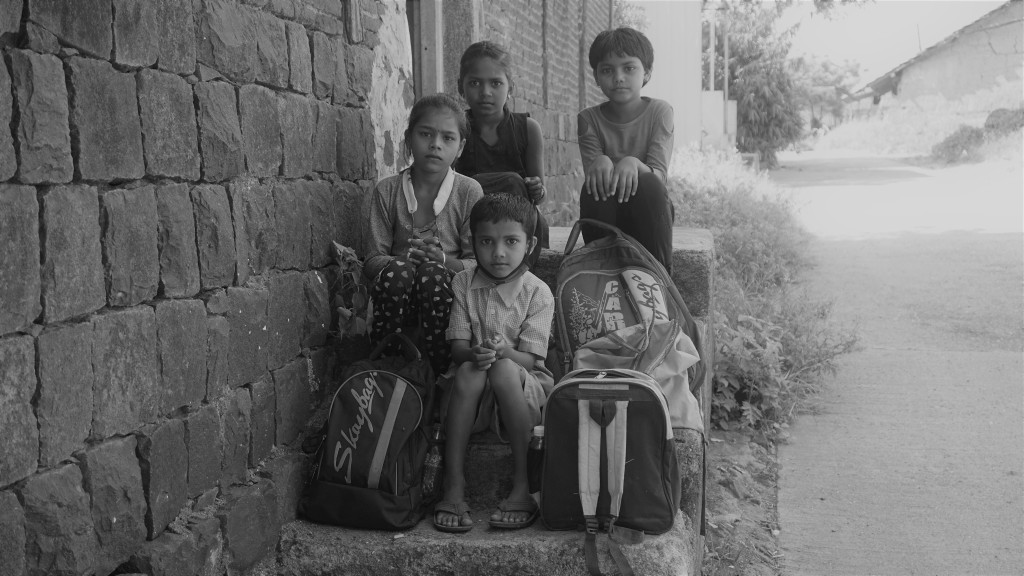
According to the HUNGaMA (Hunger and Malnutrition) Survey, almost one in every five children in 112 districts of India is at risk of malnutrition. Rayagada in Odisha is one such district that is majorly occupied by the Khonds and Lanjia Soras tribes.
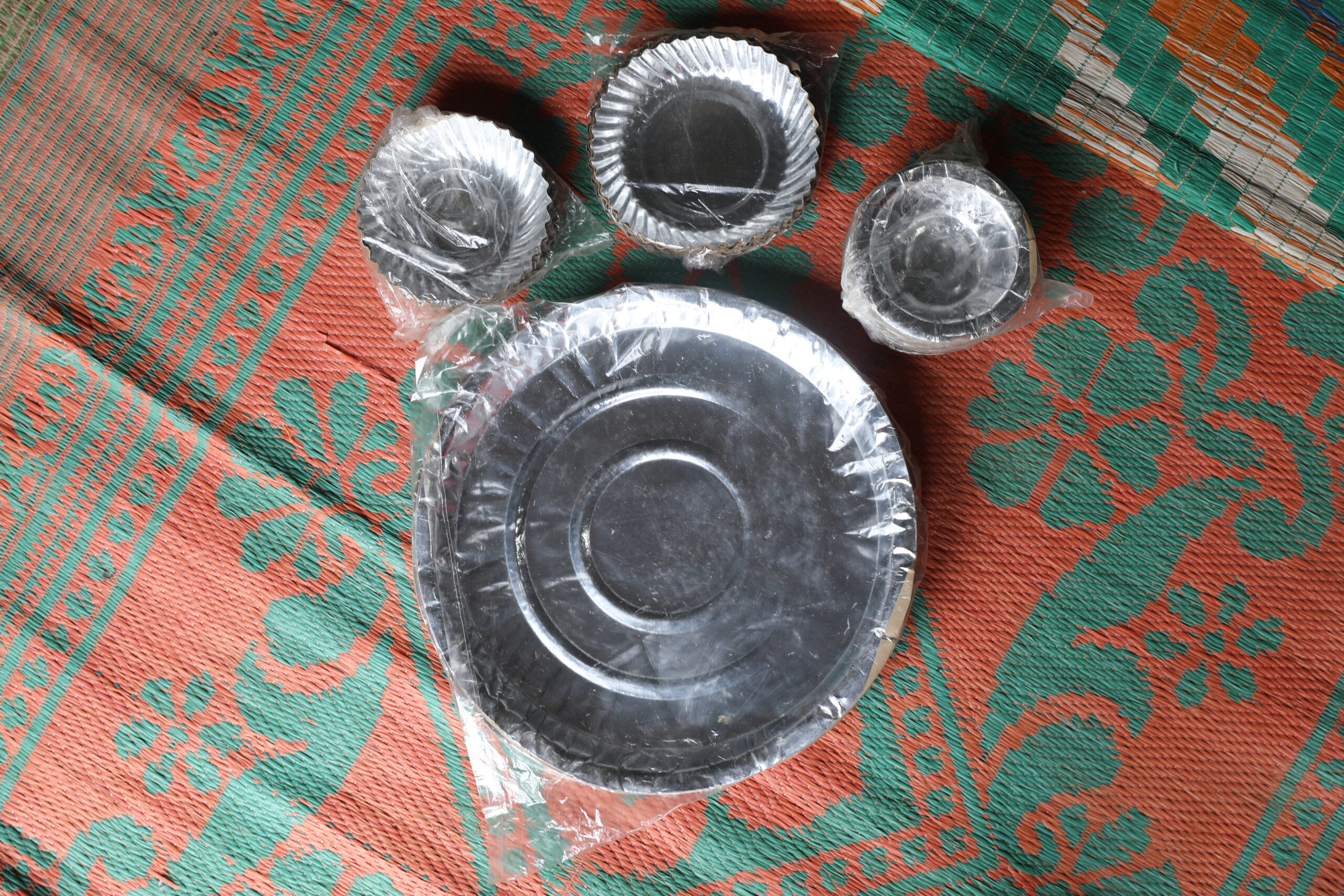
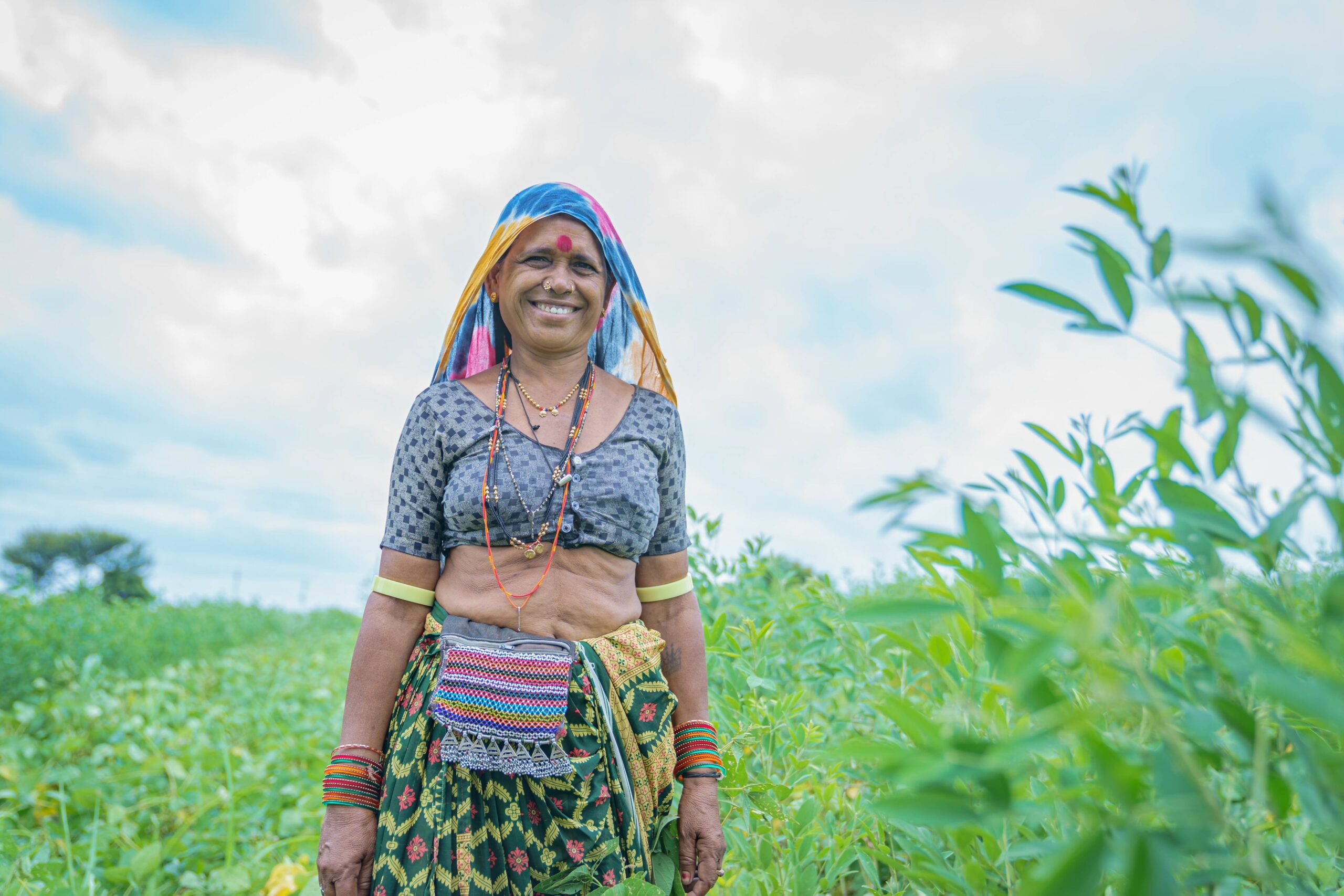
Making dona-pattal (dishes) out of tree leaves is a common activity for several tribal villages in Madhya Pradesh. Women are often seen doing this activity which is not only eco-friendly but also a source of income generation for many families.
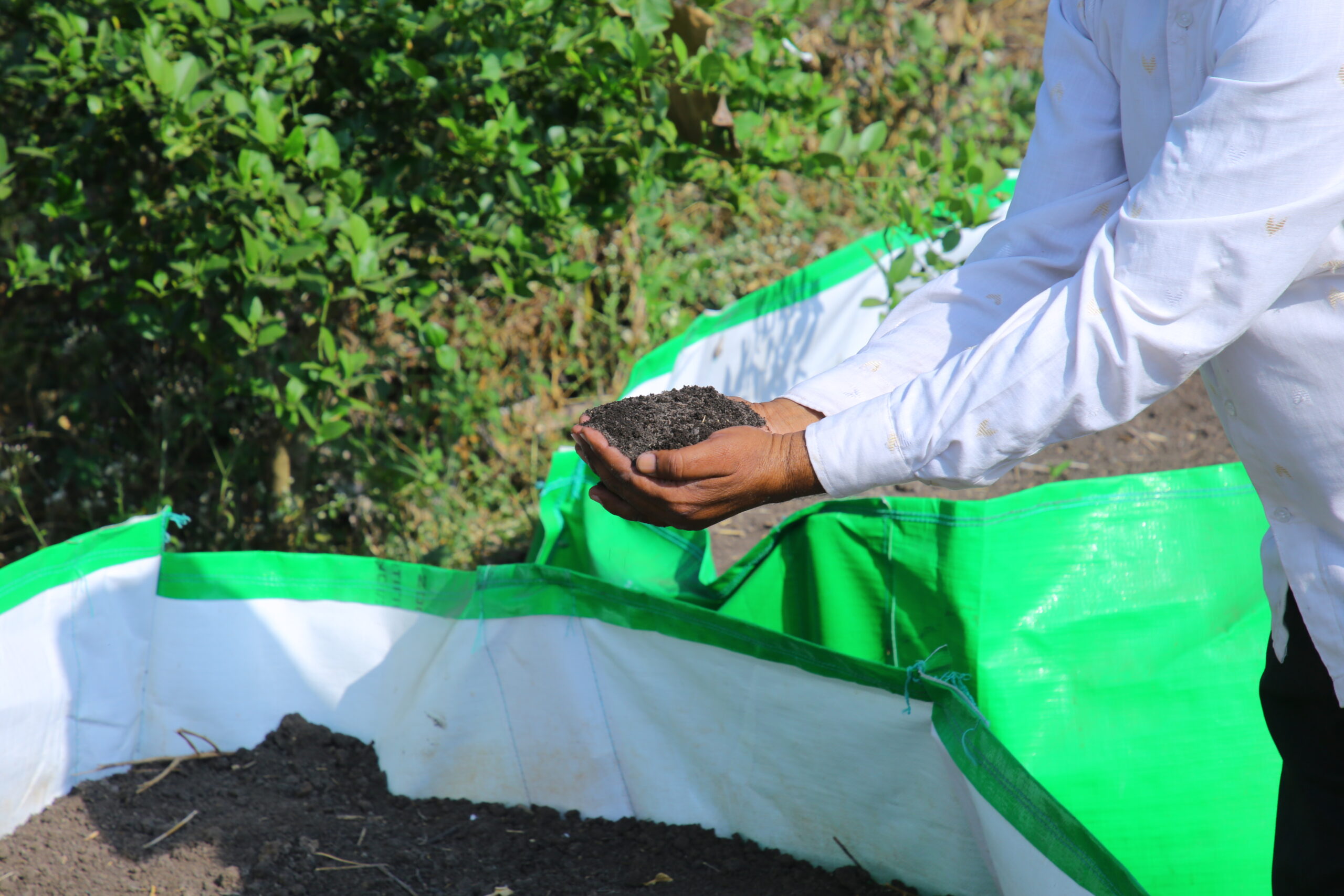
Three years back when Meena suggested replacing chemical fertilizers with vermicompost, she was ridiculed and strongly opposed. “My husband and son were not at all convinced to use organic manure. For them, it was a huge risk and could lead to losses,” said Meena Atmaram Hazare
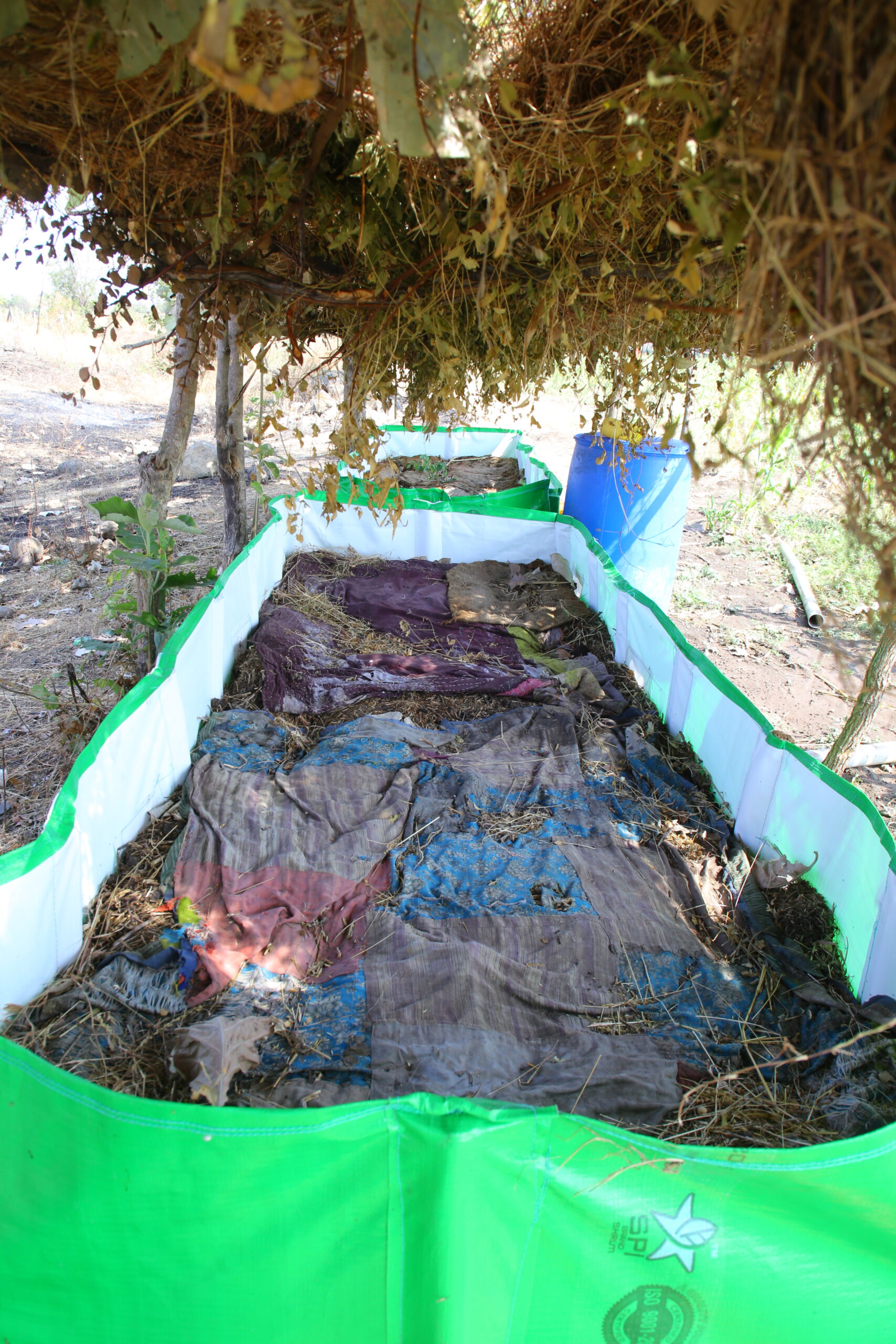
Santosh Salve was on cloud nine when WOTR began its work in the Ambad block of Jalna district in Maharashtra. As WOTR started working with the local community to promote climate-resilient agriculture, Santosh approached the team with a specific interest – building a low-cost setup to prepare vermicompost.
The villages in the Murhu block of Jharkhand are mainly occupied by members of the Munda tribe. Traditionally, these small landholding farmers cultivate paddy and lac—a natural resin secreted by the lac insect. However, in recent years they have also adapted to the cultivation of tomatoes, watermelon and potatoes.
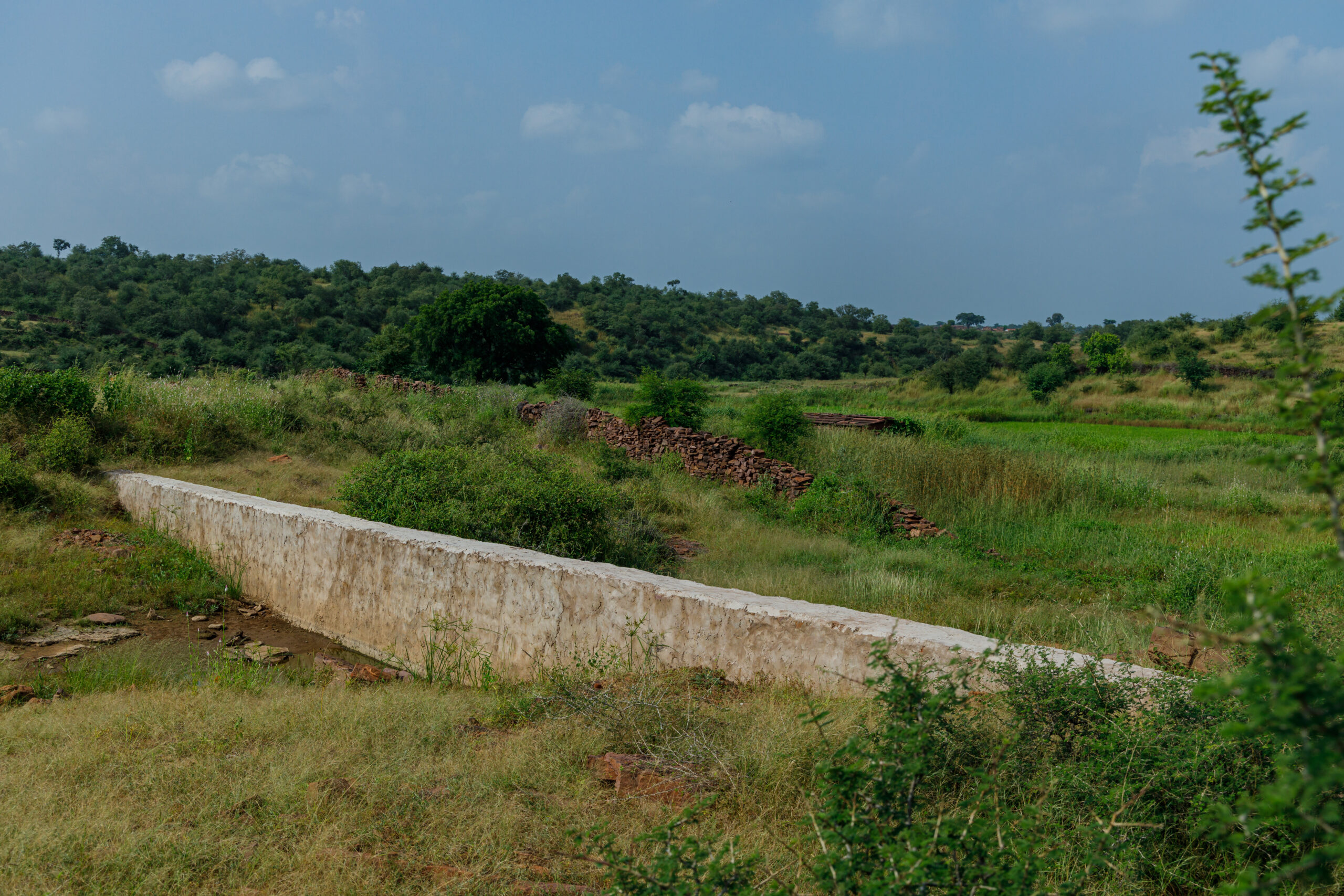
Groundwater resources, considered a replenishable resource, are often overexploited to meet the growing demand of agriculture, domestic, industrial purposes, and inhabitants. Its depletion has hugely affected the economic and social sector, forcing farmers in Maharashtra to construct new wells.
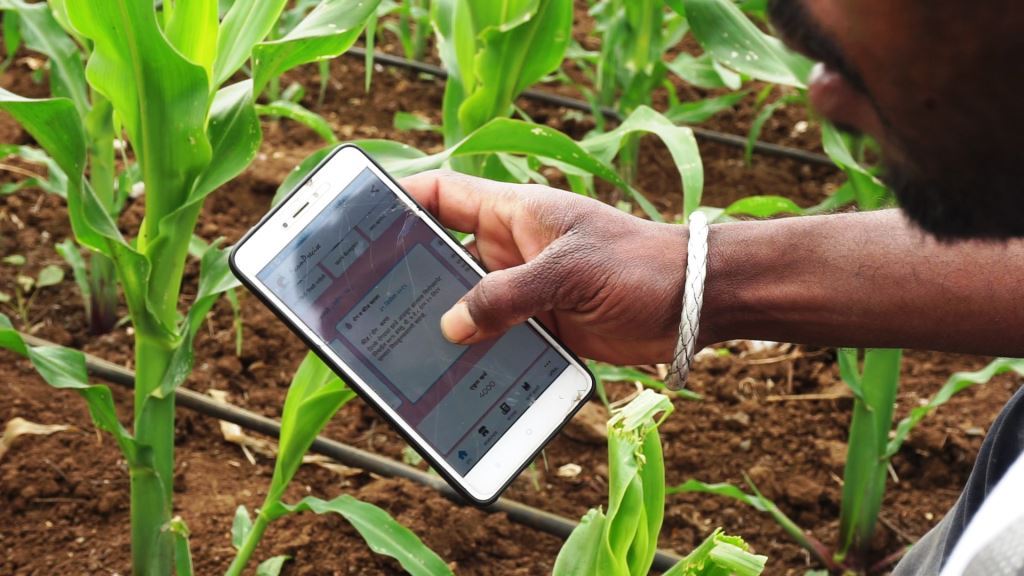
In continuation with a previous blog on “Role of Mobile Apps for Climate Smart Agro-Advisory in Agriculture”, there is a need to provide farmers with a dynamic decision support system that is tailored to their specific farm/crops and provides
Until about five years back cotton, paddy and red gram were considered the only profitable crops by the farmers of Kamsanpally village in Damargidda Mandal, Narayanpet district of Telangana. Water scarcity and extreme climatic conditions
For years, Ramnarayan Meena had been only limited to millets, paddy and wheat from his 9 bigha land. The limited water for irrigation left him with not many options. The income was meagre, just adequate to run his family.
According to the HUNGaMA (Hunger and Malnutrition) Survey, almost one in every five children in 112 districts of India is at risk of malnutrition. Rayagada in Odisha is one such district that is majorly occupied by the Khonds and Lanjia Soras tribes.
Making dona-pattal (dishes) out of tree leaves is a common activity for several tribal villages in Madhya Pradesh. Women are often seen doing this activity which is not only eco-friendly but also a source of income generation for many families.
Three years back when Meena suggested replacing chemical fertilizers with vermicompost, she was ridiculed and strongly opposed. “My husband and son were not at all convinced to use organic manure. For them, it was a huge risk and could lead to losses,” said Meena Atmaram Hazare
Santosh Salve was on cloud nine when WOTR began its work in the Ambad block of Jalna district in Maharashtra. As WOTR started working with the local community to promote climate-resilient agriculture, Santosh approached the team with a specific interest – building a low-cost setup to prepare vermicompost.
The villages in the Murhu block of Jharkhand are mainly occupied by members of the Munda tribe. Traditionally, these small landholding farmers cultivate paddy and lac—a natural resin secreted by the lac insect. However, in recent years they have also adapted to the cultivation of tomatoes, watermelon and potatoes.
Groundwater resources, considered a replenishable resource, are often overexploited to meet the growing demand of agriculture, domestic, industrial purposes, and inhabitants. Its depletion has hugely affected the economic and social sector, forcing farmers in Maharashtra to construct new wells.
In continuation with a previous blog on “Role of Mobile Apps for Climate Smart Agro-Advisory in Agriculture”, there is a need to provide farmers with a dynamic decision support system that is tailored to their specific farm/crops and provides
By Categories
By Tags
How planning and implementation of ecosystem-based adaptation (EbA) and agroecology principles in arid or semi-arid regions can help address the growing impacts of climate change.
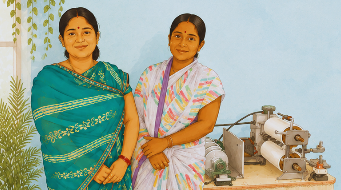
Two mothers in drought-hit Marathwada built a papad enterprise with WOTR and Standard Chartered Bank, paying school fees for their children.
COP17 put a simple question to the world’s drought experts: can lost land be restored? WOTR’s watersheds may hold the answer.
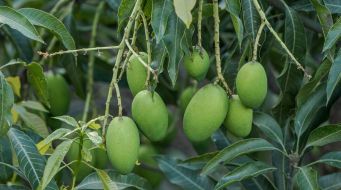
Mango orchards are improving rural livelihoods in Chhattisgarh, creating resilient farms, diverse incomes, and long-term opportunities for farming communities.
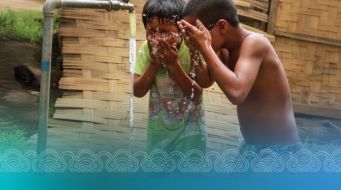
Drawing on WOTR’s grassroots experience, this piece explores the powerful connection between water security, ecosystem restoration, agriculture and nutrition security in rural India.
Exploring World Water Week through our interventions in implementing ecohydrology-based Nature-based Solutions in Maharashtra and Telangana
This World Water Week, explore how water access shapes pastoral livelihoods, migration routes and resilience across India’s changing landscapes.
India’s mosquito fight is evolving as climate change, urbanisation and insecticide resistance reshape malaria, dengue and other disease threats.