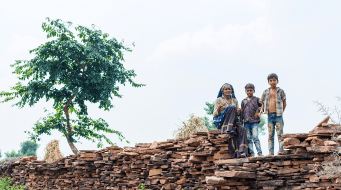
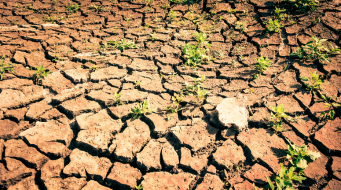
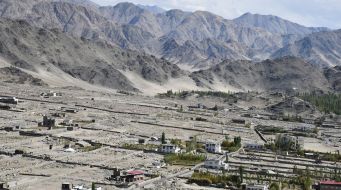
An analogy for climate adaptation, showing that scientific expertise alone is not enough. It reminds us that the knowledge on the ground is equally important in making informed decisions
A Better Tomorrow
Stories, Practices, and Solutions
In Rayagada district, crescent bunds help cashew trees retain water on hilly slopes, improving yields. A simple solution strengthening tribal livelihoods and climate resilience.
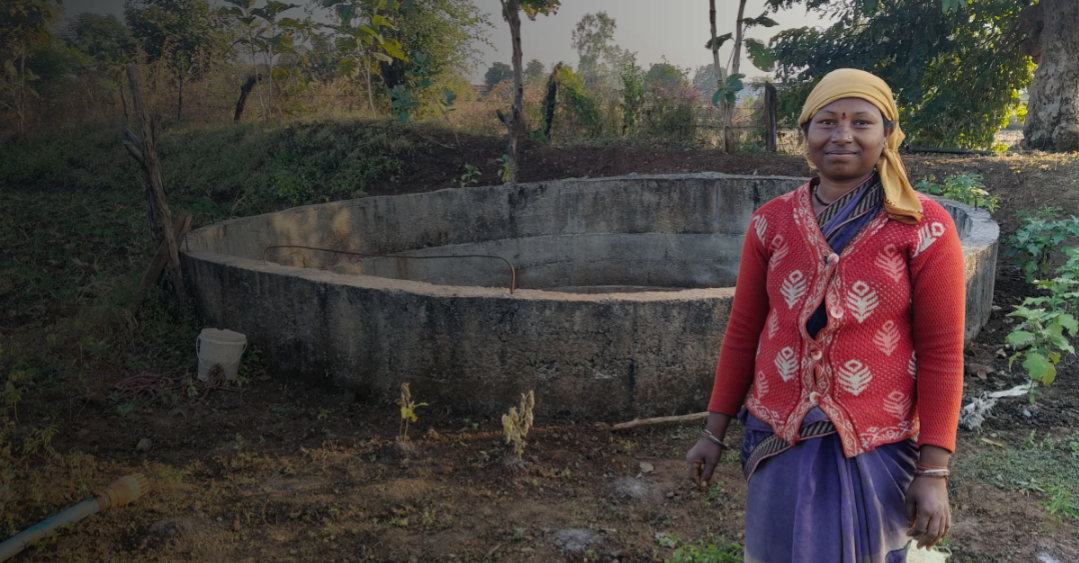
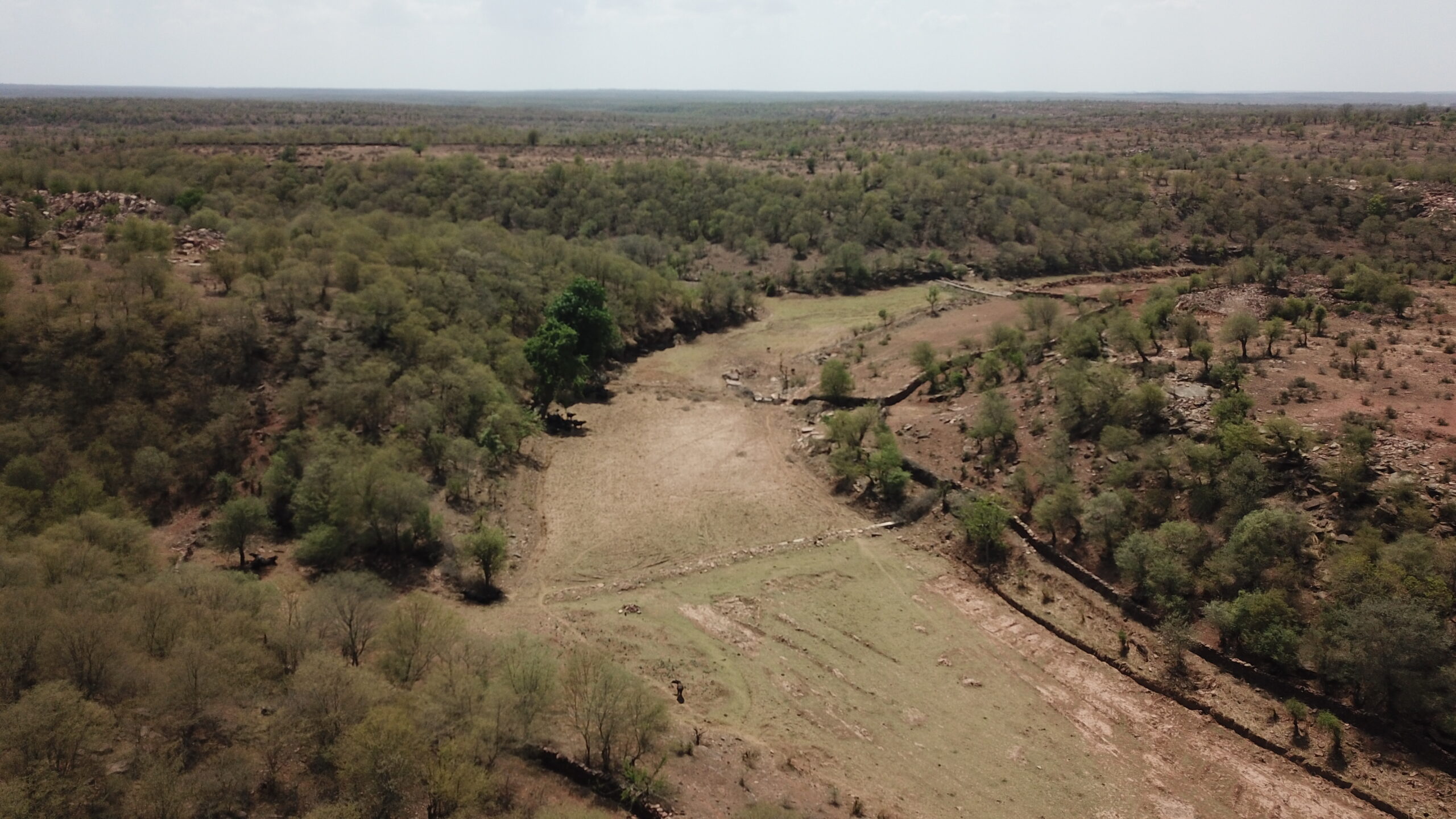
In Karauli district, revived pokhars and pagaras are conserving rainwater and restoring agriculture. These community-led efforts are reducing dependence on hazardous mining while improving livelihoods and health.
Circular economy keeps resources in use for as long as possible, extracts maximum value from them, and then recovers and regenerates products at the end of service life.
In late January, the United States withdrew once again from the Paris Agreement, while the Environmental Protection Agency (EPA) revoked its 2009 Endangerment Finding—moves that highlight how climate policy reversals in major economies can destabilise global efforts and pose serious risks for developing countries, particularly India.
Read how the results of community-led watershed development remain evident even after 25 years in the rain-shadow area of Maharashtra.
Drawing from work with smallholder farmers—from Kumbharwadi in Maharashtra to Madaul in Odisha—WOTR has contributed key experiences, insights, and evidence to the Stories of Resilience 2025, a publication launched by the Global Centre on Adaptation (GCA) at the United Nations Climate Change Conference in Belém, Brazil.
UNEP highlights the growing divide between climate impacts and adaptation finance.
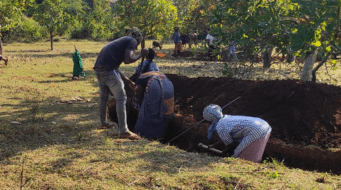
The project focuses on improving irrigation facilities and promoting alternate livelihood opportunities, enhancing income stability and building climate resilience in the region.
At this year’s IUCN World Conservation Congress in Abu Dhabi, a new global report was released that carries an important message for our planet: to restore the land, we must first reconnect it.
An analogy for climate adaptation, showing that scientific expertise alone is not enough. It reminds us that the knowledge on the ground is equally important in making informed decisions
In Rayagada district, crescent bunds help cashew trees retain water on hilly slopes, improving yields. A simple solution strengthening tribal livelihoods and climate resilience.
In Karauli district, revived pokhars and pagaras are conserving rainwater and restoring agriculture. These community-led efforts are reducing dependence on hazardous mining while improving livelihoods and health.
Circular economy keeps resources in use for as long as possible, extracts maximum value from them, and then recovers and regenerates products at the end of service life.
In late January, the United States withdrew once again from the Paris Agreement, while the Environmental Protection Agency (EPA) revoked its 2009 Endangerment Finding—moves that highlight how climate policy reversals in major economies can destabilise global efforts and pose serious risks for developing countries, particularly India.
Read how the results of community-led watershed development remain evident even after 25 years in the rain-shadow area of Maharashtra.
Drawing from work with smallholder farmers—from Kumbharwadi in Maharashtra to Madaul in Odisha—WOTR has contributed key experiences, insights, and evidence to the Stories of Resilience 2025, a publication launched by the Global Centre on Adaptation (GCA) at the United Nations Climate Change Conference in Belém, Brazil.
UNEP highlights the growing divide between climate impacts and adaptation finance.
The project focuses on improving irrigation facilities and promoting alternate livelihood opportunities, enhancing income stability and building climate resilience in the region.
At this year’s IUCN World Conservation Congress in Abu Dhabi, a new global report was released that carries an important message for our planet: to restore the land, we must first reconnect it.
By Categories
By Tags
Deep dive into how WOTR’s W-CReS is helping farmers understand the challenges in times of El Niño through localised training.
How 20 farmers in Jharkhand came together to cultivate chillies across 28.5 acres, earning a collective net profit of ₹25.40 lakh in a single season.
How access to water helped Draupati turn her skills and ambition into opportunity, diversify her farming, and build a more secure livelihood for her family.
India drylands face mounting climate pressures. Discover how IDIA is carrying integrated research, regional consultations and community knowledge to guide informed decisions and strengthen resilience.
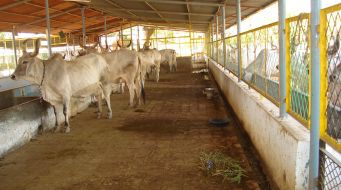
Farmer Producer Companies help smallholders access dairy schemes, productive assets, digital services and local support to strengthen rural livelihoods and incomes.
Water Budgeting in Yeniye Khurd assesses water availability, demand, and agricultural needs, revealing a deficit and guiding community-led planning for resilience.
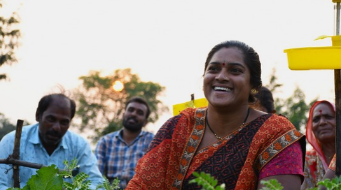
At an FPO meeting, a woman’s presence can be easy to count. She is a member. Her name may appear on the board. What is harder to see is what that presence means in practice.
A walkthrough of how WOTR is enabling farmers in Maharashtra’s Marathwada region prepare for an increasingly unpredictable climate.