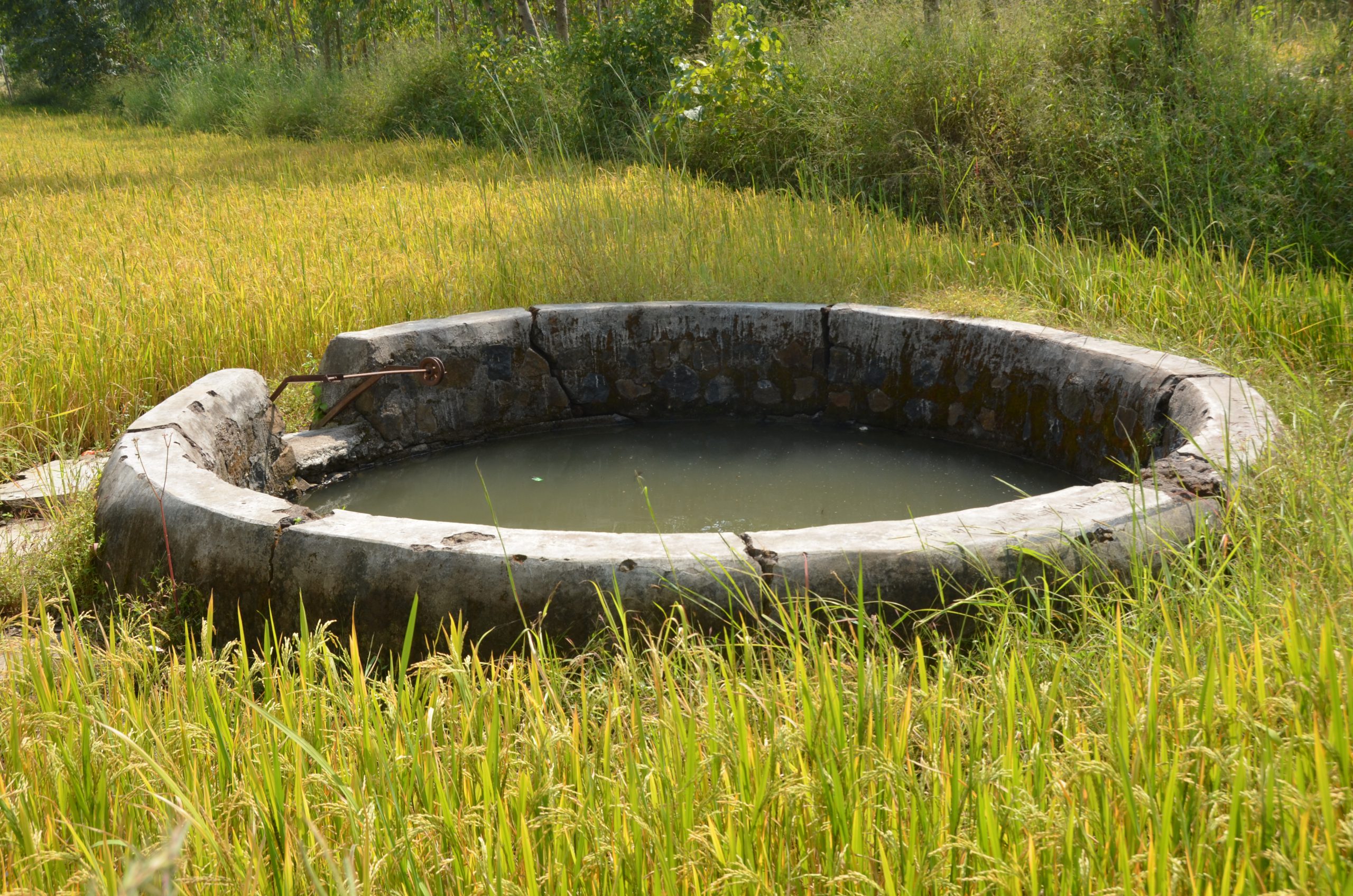
Massa Village, in Maharashtra’s drought-prone region, embraces ecosystem restoration and adaptation—unlocking 79 million litres of water and a renewed sense of hope.
Integrated Watershed Development (IWD) is a holistic approach to managing land and water resources. It is the process of managing human activities and natural resources on a watershed basis.
Watershed development in Rajasthan addresses water scarcity, land degradation, and desertification through sustainable water management, rainwater harvesting, and soil conservation, improving agriculture and rural livelihoods.
Despite the issues in water sector, a lot can still be done with the active involvement of relevant stakeholders, the private sector being integral to this
Parched villages in Karauli and Udaipur districts of Rajasthan, on the brink of despair due to water scarcity, are finding a lifeline through the “Wasundhara Gram Vikas Karykram” project, backed by the YES Foundation. This is a testament to human resilience, a story of hope blossoming amidst hardship in the harshest of landscapes.
India, predominantly an agricultural nation, is currently facing a significant challenge in ensuring food security for its ever-growing population. With agriculture accounting for about 70% of the country’s water consumption, efficient water
Nestled between the coordinates of 17.1634 to 17.1660 degrees latitude and 74.373 to 74.37060 degrees longitude, lies a cluster of 5 villages – Ghoti Bk, Ghoti Kh, Dhondgewadi, Posewadi and Renavi – located in the Khanapur Taluka of the Sangli
Despite its humble beginnings, WOTR has carved out its identity as one of the most trusted Indian non-profits in Integrated Watershed Development, Water Resources Management, environment conservation and climate change adaptation.
Massa Village, in Maharashtra’s drought-prone region, embraces ecosystem restoration and adaptation—unlocking 79 million litres of water and a renewed sense of hope.
Integrated Watershed Development (IWD) is a holistic approach to managing land and water resources. It is the process of managing human activities and natural resources on a watershed basis.
Watershed development in Rajasthan addresses water scarcity, land degradation, and desertification through sustainable water management, rainwater harvesting, and soil conservation, improving agriculture and rural livelihoods.
Despite the issues in water sector, a lot can still be done with the active involvement of relevant stakeholders, the private sector being integral to this
Parched villages in Karauli and Udaipur districts of Rajasthan, on the brink of despair due to water scarcity, are finding a lifeline through the “Wasundhara Gram Vikas Karykram” project, backed by the YES Foundation. This is a testament to human resilience, a story of hope blossoming amidst hardship in the harshest of landscapes.
India, predominantly an agricultural nation, is currently facing a significant challenge in ensuring food security for its ever-growing population. With agriculture accounting for about 70% of the country’s water consumption, efficient water
Nestled between the coordinates of 17.1634 to 17.1660 degrees latitude and 74.373 to 74.37060 degrees longitude, lies a cluster of 5 villages – Ghoti Bk, Ghoti Kh, Dhondgewadi, Posewadi and Renavi – located in the Khanapur Taluka of the Sangli
Despite its humble beginnings, WOTR has carved out its identity as one of the most trusted Indian non-profits in Integrated Watershed Development, Water Resources Management, environment conservation and climate change adaptation.
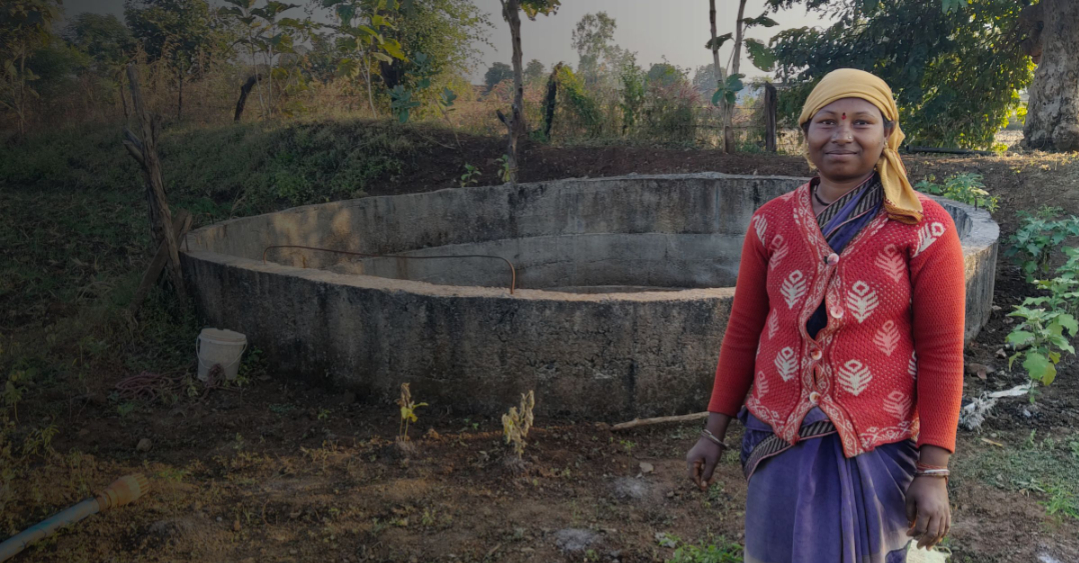
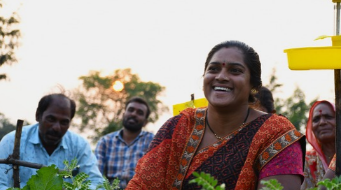
How access to water helped Draupati turn her skills and ambition into opportunity, diversify her farming, and build a more secure livelihood for her family.
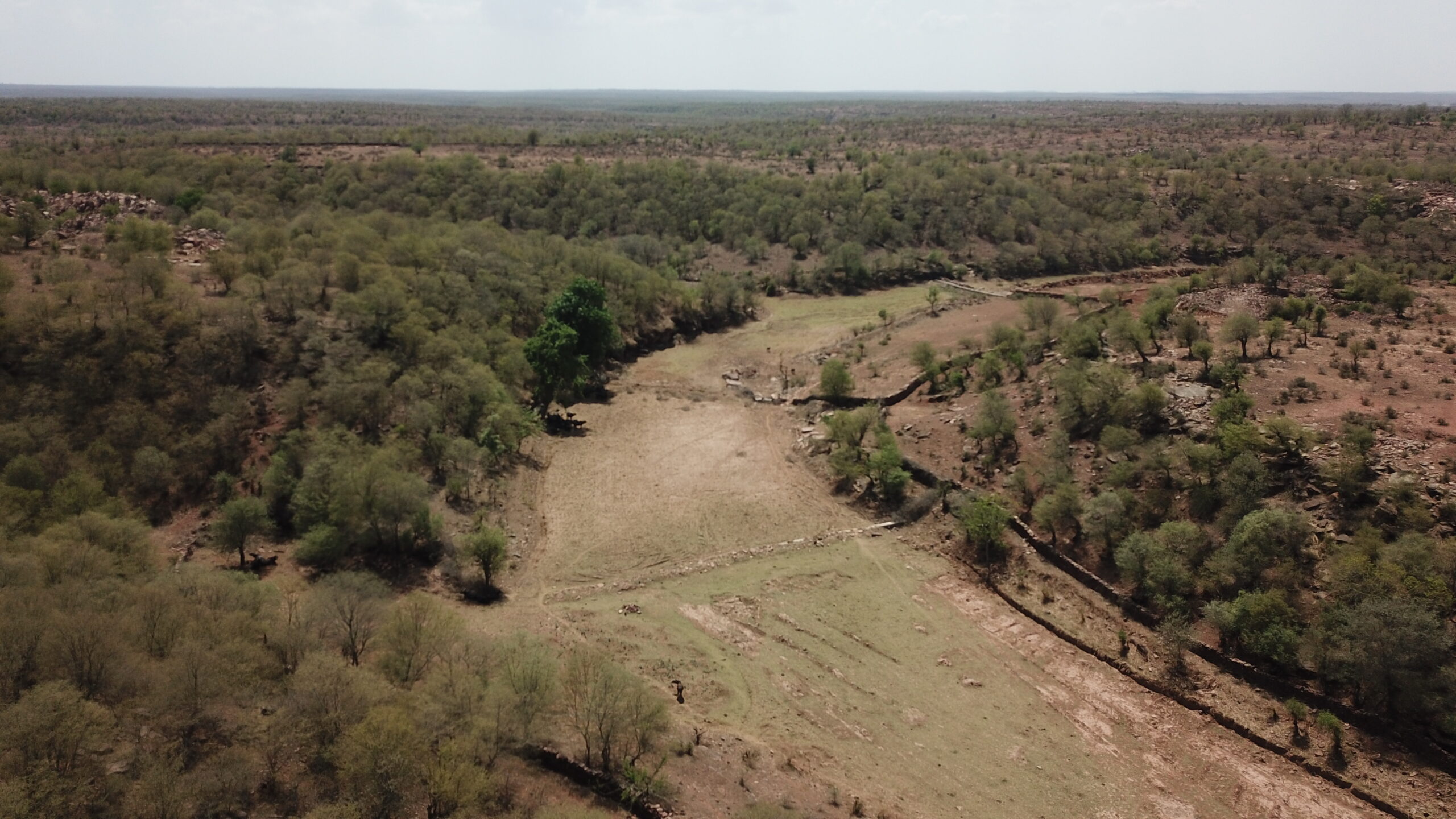
India drylands face mounting climate pressures. Discover how IDIA is carrying integrated research, regional consultations and community knowledge to guide informed decisions and strengthen resilience.
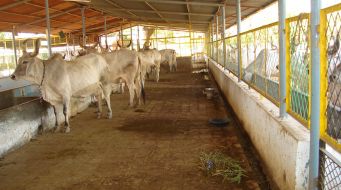
Farmer Producer Companies help smallholders access dairy schemes, productive assets, digital services and local support to strengthen rural livelihoods and incomes.
Water Budgeting in Yeniye Khurd assesses water availability, demand, and agricultural needs, revealing a deficit and guiding community-led planning for resilience.
At an FPO meeting, a woman’s presence can be easy to count. She is a member. Her name may appear on the board. What is harder to see is what that presence means in practice.