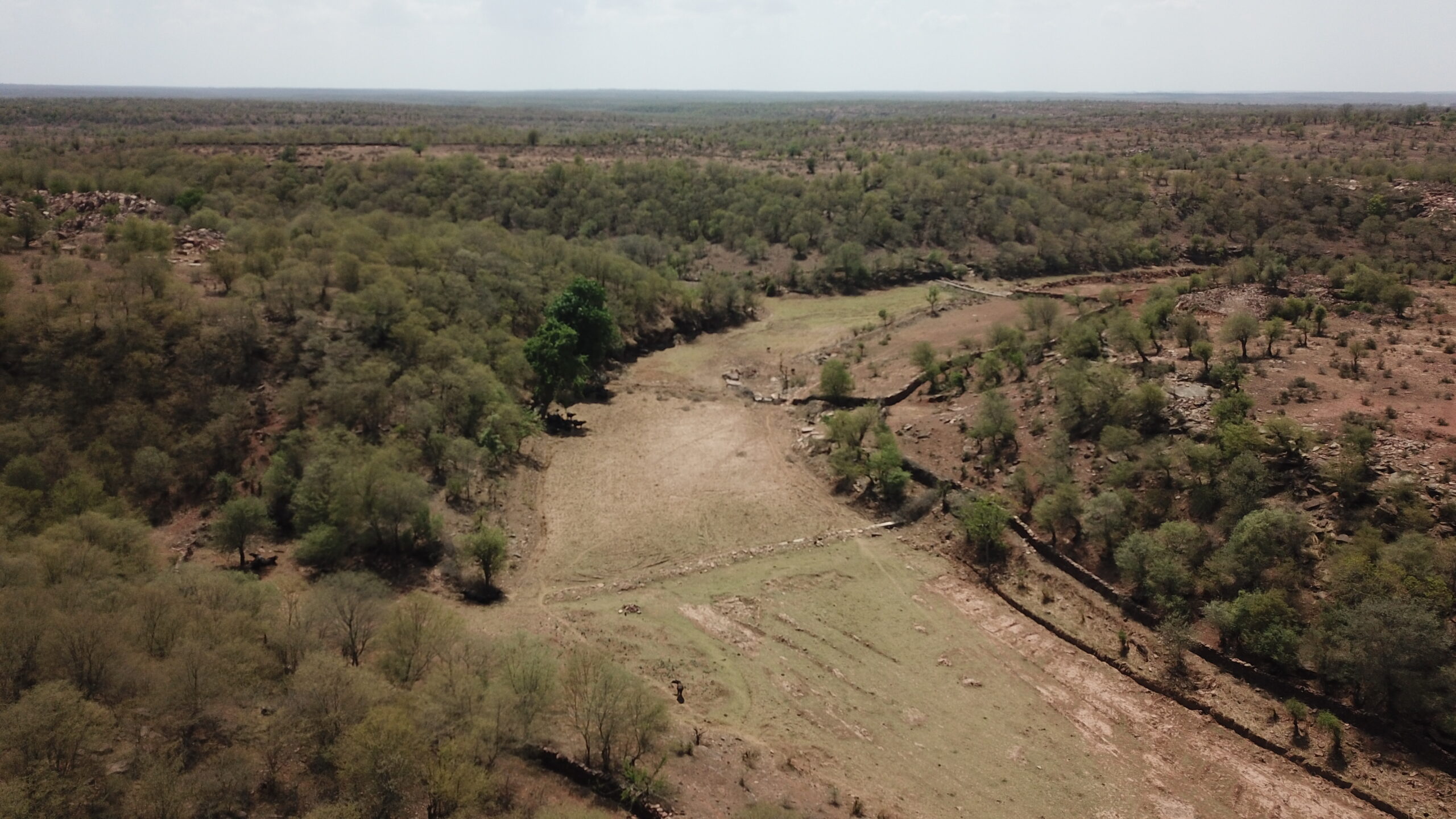
The Kadasi Revenue village in Odisha, which gets water from five springs, provided a closer look at the interplay between nature, community, and water resources to W-CReS researcher Navnath Ghodake during his field visit.
W-CReS researchers’ journey across Maharashtra documenting good O&M practices turned into a travel across diverse terrains and lived realities, with each step testing perception and decision-making
Recently, multiple large-scale awareness campaigns were conducted in 15 villages across diverse regions of Rangareddy and Jalna districts in Telangana and Maharashtra, respectively, where the Water Stewardship Initiative (WSI) is being implemented.
To assess the feasibility of Water Governance Standard and advocate for its integration into programs in Maharashtra related to water resources, a Water Competition (Jal-Spardha) was organised in Dharashiv district.
Water stewardship is a step beyond good water governance that not only ensures quality management and distribution of water, but also builds climate resilient communities.
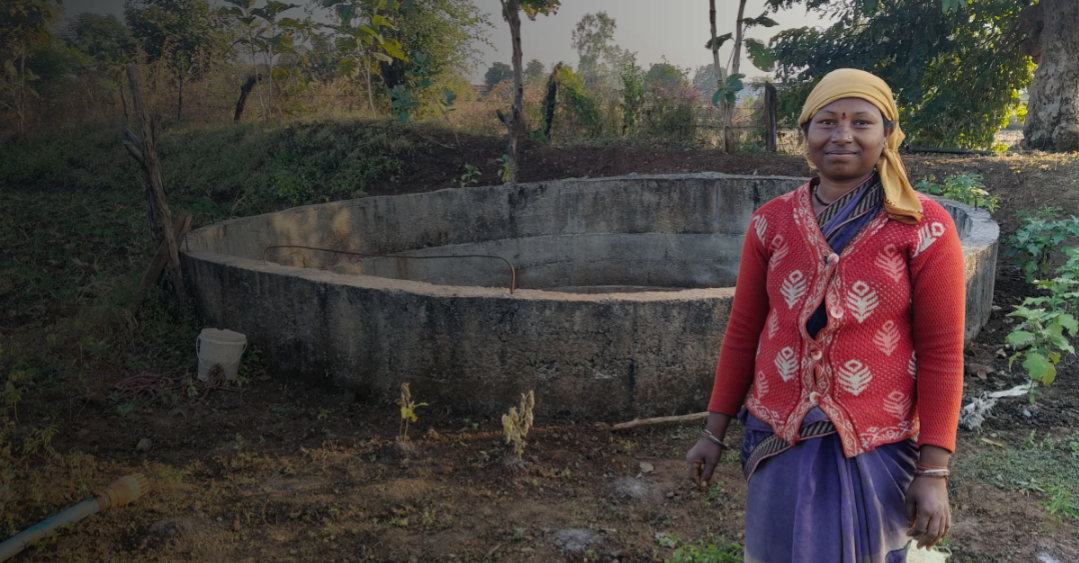
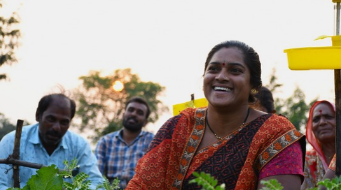
How access to water helped Draupati turn her skills and ambition into opportunity, diversify her farming, and build a more secure livelihood for her family.
India drylands face mounting climate pressures. Discover how IDIA is carrying integrated research, regional consultations and community knowledge to guide informed decisions and strengthen resilience.
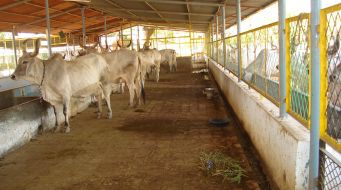
Farmer Producer Companies help smallholders access dairy schemes, productive assets, digital services and local support to strengthen rural livelihoods and incomes.
Water Budgeting in Yeniye Khurd assesses water availability, demand, and agricultural needs, revealing a deficit and guiding community-led planning for resilience.
At an FPO meeting, a woman’s presence can be easy to count. She is a member. Her name may appear on the board. What is harder to see is what that presence means in practice.