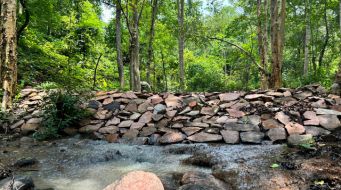
Soil erosion in Koriya, Chhattisgarh, threatens agriculture and infrastructure, requiring solutions like Loose Boulder Structures (LBS). LBS, a cost-effective method, controls erosion, conserves water, and supports local ecosystems.
A Better Tomorrow
Stories, Practices, and Solutions
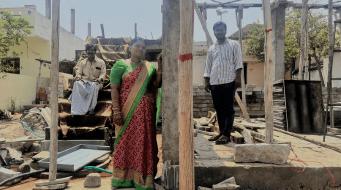
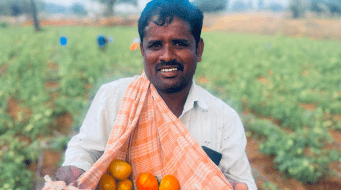
With WOTR’s support, Ravi Singh Marabi and Man Singh levelled their land, transforming their farming practices and boosting productivity.
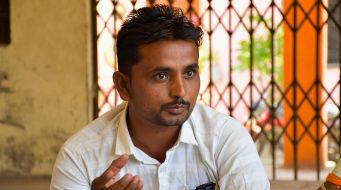
Pandarinath Shinde, a jal sevak with WOTR, helps farmers adapt to climate change by teaching efficient water management and farming practices. He has implemented techniques like micro-irrigation and soil testing on his farm, increasing his income and assisting other farmers in improving their crop yields.
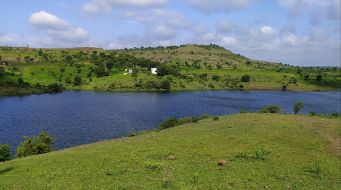
Maharashtra, leads in implementing water harvesting initiatives, with over 99% of its 97,062 water bodies being artificial. W-CReS collaborated with ATE Chandra Foundation to assess the impact of rejuvenation of water bodies five years after implementation.
Three years ago, Maheshwaram Panduranga and his wife Manga faced a severe water crisis on their 3-acre farm in Loyapally, Telangana. With help from WOTR and HSBC, they constructed a farm pond, significantly improving water levels. They then ventured into fish farming, earning substantial profits and transforming their financial situation. The couple now enjoys a better lifestyle and serves as an inspiration for others in their village.
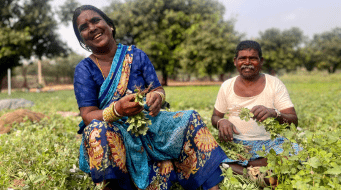
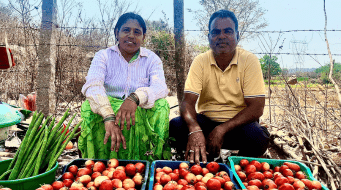
Polamoney Buchaya, 63, and his wife Bugamma, 54, transitioned to farming after Buchaya’s heart attack in 2020, cultivating green leafy vegetables on leased land. Supported by WOTR and HSBC, they adopted rainpipe irrigation, enhancing water efficiency and crop yield. This shift increased their earnings significantly, providing a steady income. Their success has inspired other farmers in their village to adopt similar practices.
Godugu Krishna, a farmer in Telangana, transformed his 2.5-acre farm from debt-ridden to profitable through innovative water management and organic farming, supported by WOTR and HSBC. Initially reliant on rain-fed farming and struggling with high costs, Krishna adopted drip irrigation and diversified crops. This shift increased his yields and profits, allowing him to repay debts, expand into dairy production, and achieve financial stability. His success has turned skepticism into respect within his community.
When Kumpally Paapi Reddy and his wife K Venkata Laxmi started farming on rocky wasteland in Gaddamallaiahguda, Telangana, they were met with skepticism. Despite the challenges, they transformed the land through sheer determination and innovative practices. Partnering with WOTR and HSBC in 2020, they implemented water management strategies and shifted to organic farming.
Water is essential for life and a cornerstone of sustainable development. Climate change, population growth, increasing urbanisation, and unsustainable practices are placing unprecedented strain on global water resources. Achieving water security – the ability to ensure sufficient, safe and accessible water for everyone’s needs – has become a pressing challenge in the 21st century.
As the world’s most populous nation now, India grapples with a complex water security challenge. While blessed with diverse water resources from snow-capped mountains to perennial rivers, the story of per capita water availability paints a concerning picture.
Soil erosion in Koriya, Chhattisgarh, threatens agriculture and infrastructure, requiring solutions like Loose Boulder Structures (LBS). LBS, a cost-effective method, controls erosion, conserves water, and supports local ecosystems.
With WOTR’s support, Ravi Singh Marabi and Man Singh levelled their land, transforming their farming practices and boosting productivity.
Pandarinath Shinde, a jal sevak with WOTR, helps farmers adapt to climate change by teaching efficient water management and farming practices. He has implemented techniques like micro-irrigation and soil testing on his farm, increasing his income and assisting other farmers in improving their crop yields.
Maharashtra, leads in implementing water harvesting initiatives, with over 99% of its 97,062 water bodies being artificial. W-CReS collaborated with ATE Chandra Foundation to assess the impact of rejuvenation of water bodies five years after implementation.
Three years ago, Maheshwaram Panduranga and his wife Manga faced a severe water crisis on their 3-acre farm in Loyapally, Telangana. With help from WOTR and HSBC, they constructed a farm pond, significantly improving water levels. They then ventured into fish farming, earning substantial profits and transforming their financial situation. The couple now enjoys a better lifestyle and serves as an inspiration for others in their village.
Polamoney Buchaya, 63, and his wife Bugamma, 54, transitioned to farming after Buchaya’s heart attack in 2020, cultivating green leafy vegetables on leased land. Supported by WOTR and HSBC, they adopted rainpipe irrigation, enhancing water efficiency and crop yield. This shift increased their earnings significantly, providing a steady income. Their success has inspired other farmers in their village to adopt similar practices.
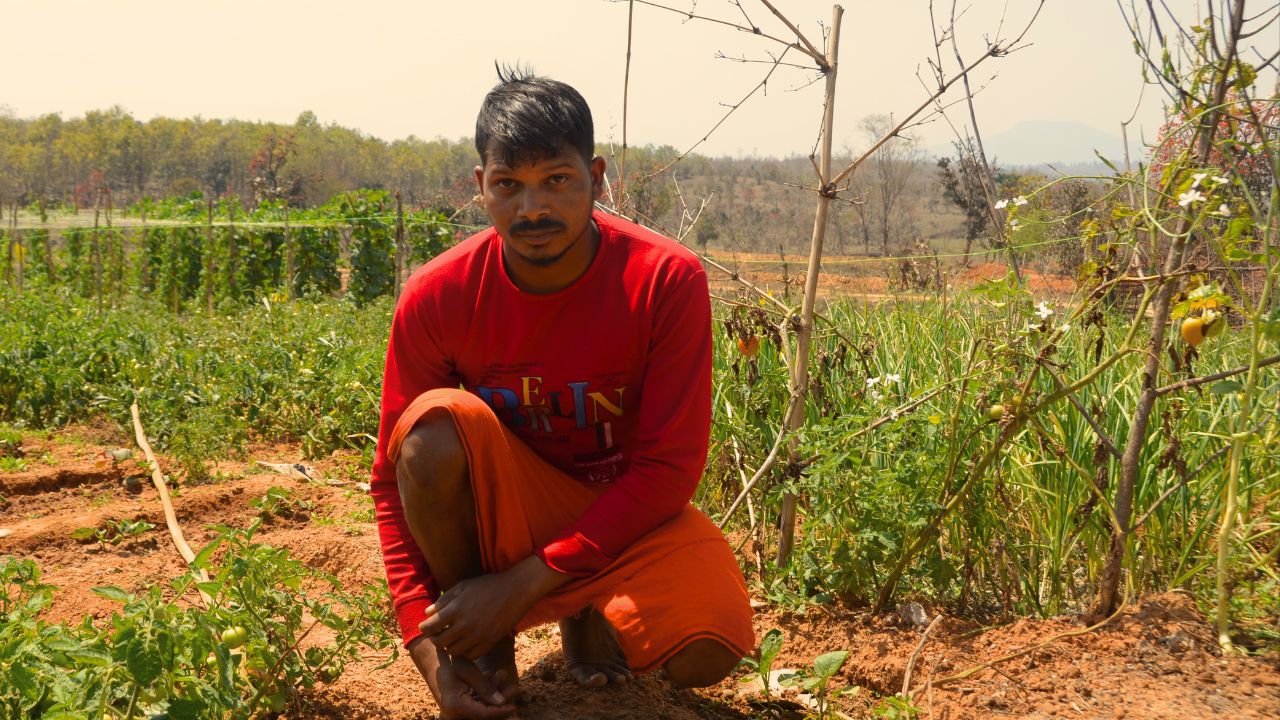
Godugu Krishna, a farmer in Telangana, transformed his 2.5-acre farm from debt-ridden to profitable through innovative water management and organic farming, supported by WOTR and HSBC. Initially reliant on rain-fed farming and struggling with high costs, Krishna adopted drip irrigation and diversified crops. This shift increased his yields and profits, allowing him to repay debts, expand into dairy production, and achieve financial stability. His success has turned skepticism into respect within his community.
When Kumpally Paapi Reddy and his wife K Venkata Laxmi started farming on rocky wasteland in Gaddamallaiahguda, Telangana, they were met with skepticism. Despite the challenges, they transformed the land through sheer determination and innovative practices. Partnering with WOTR and HSBC in 2020, they implemented water management strategies and shifted to organic farming.
Water is essential for life and a cornerstone of sustainable development. Climate change, population growth, increasing urbanisation, and unsustainable practices are placing unprecedented strain on global water resources. Achieving water security – the ability to ensure sufficient, safe and accessible water for everyone’s needs – has become a pressing challenge in the 21st century.
As the world’s most populous nation now, India grapples with a complex water security challenge. While blessed with diverse water resources from snow-capped mountains to perennial rivers, the story of per capita water availability paints a concerning picture.
By Categories
By Tags
India’s mosquito fight is evolving as climate change, urbanisation and insecticide resistance reshape malaria, dengue and other disease threats.
An animated film series follows 11 Farmer Producer Companies and 11,800+ farmers building resilient livelihoods through markets, farming and EbA.
Electric fencing turned fear into full harvests, as one Chhattisgarh farmer finally grew Rabi crops without losing them to animals.
सोलर फेंसिंग ने रामगढ़ के हरि भगत सिंह का डर मिटाया, अब वह जंगली जानवरों से बेखौफ होकर पूरी ज़मीन पर रबी की फसल उगाते हैं।
Raghubir’s story shows how entrepreneurship can begin with a simple idea, the right support, and a little confidence creating a thriving livelihood.
Indigenous food systems sustain generations through women’s forest knowledge, biodiversity, and seasonal wisdom—now threatened by climate change. Discover their resilience.
Pastoralism has shaped India’s rangelands for centuries. Here’s why pastoralists are key to protecting biodiversity and healthy ecosystems.
Water security remains elusive in Shahapur despite heavy rains. Discover why hard rock terrain stops groundwater recharge in this Konkan story.