Ecosystem integrity is a holistic approach to conservation that considers the wholeness of entire landscapes and ecosystems rather than focusing solely on individual species or resources
A Better Tomorrow
Stories, Practices, and Solutions
India is also home to a multitude of Indigenous Peoples and Local Communities (IPLCs), each with unique ethical, cultural, and traditional practices. For centuries, these communities have harnessed their Traditional Ecological Knowledge (TEK) to sustain their livelihoods and preserve their cultural identities.
Provisioning Ecosystem Services (PES) encompass essential natural resources directly supporting human livelihoods and well-being. They play a crucial role in climate change adaptation and contribute to achieving various SDGs.
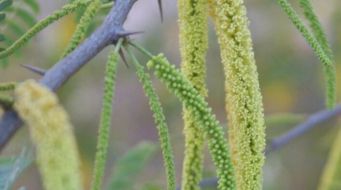
Prosopis juliflora, or Vilayati Kikar, sparks debate for its dual impact on arid and semi-arid landscapes. This invasive species provides valuable ecosystem services (ES) while also causing significant ecosystem disservices (EDS).
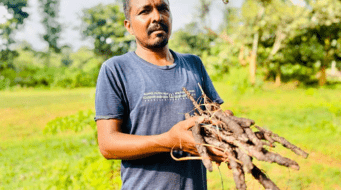
Anuj Mundu, 40, says he went around the whole country searching for money, only to find the ‘paise wale ped’ (money making trees) at home. A resident of Rumutkel village, a hamlet of 144 households in the hilly, remote interiors of Jharkhand’s Khunti district, Mundu, who until some years ago, was forced to migrate to cities to find work, has been cultivating lac, a high-value non-timber forest product, on ber and kusum trees the last five years.
India’s rural biodiversity, vital for resilience against climate change, faces threats from habitat loss and climate variability. Preserving it through community-based conservation and sustainable livelihoods is essential for human survival and a balanced coexistence with nature.
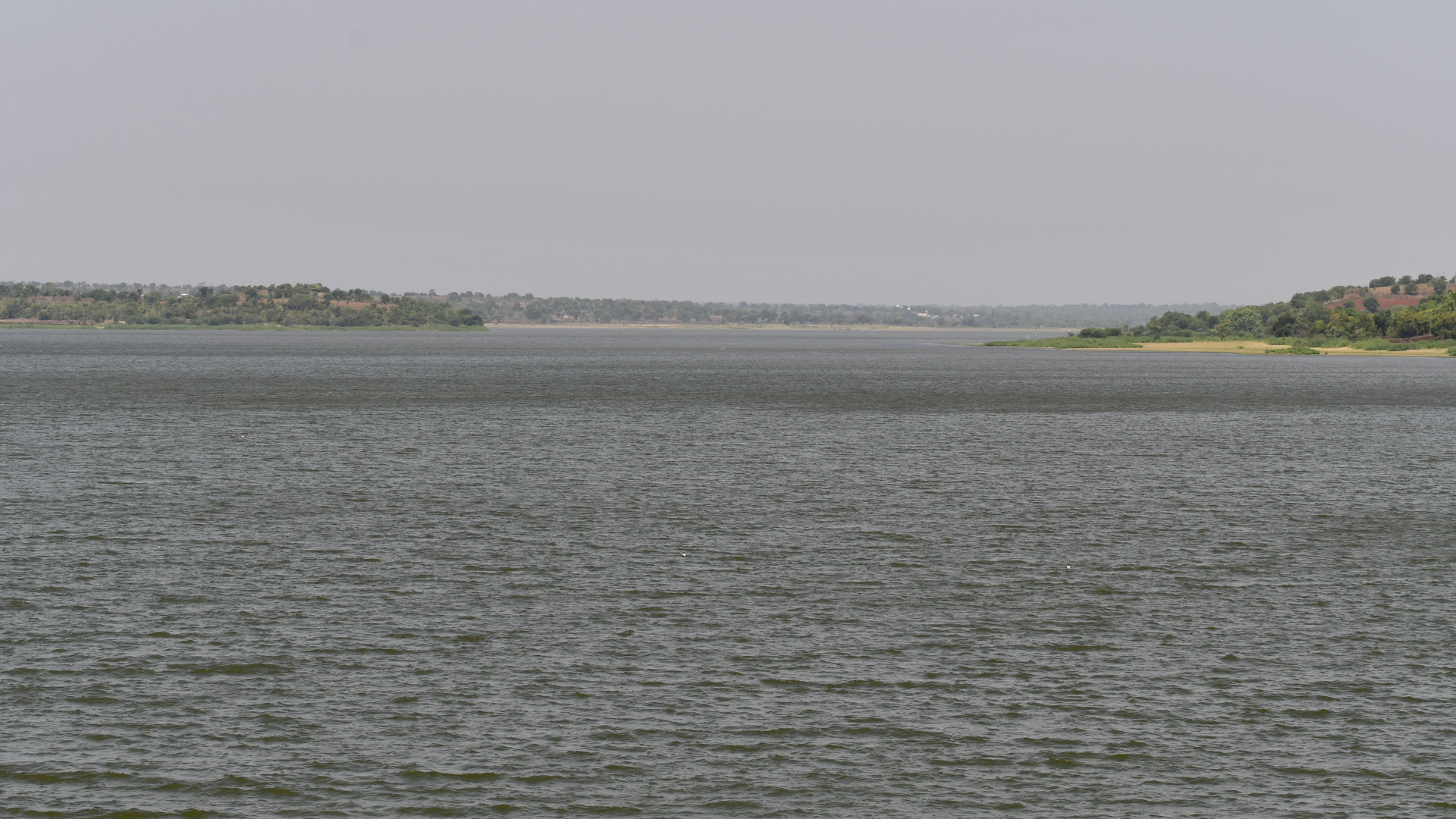
This blog will cover blue carbon, highlighting its role in climate change mitigation and adaptation. It will help us understand its significance in combatting climate change and protecting the planet.
The Mahadev Koli community in Akole, Ahmednagar, Maharashtra celebrates the Wagh Baras festival, observing rituals that venerate nature and embody an ethos of environmental stewardship and peaceful coexistence
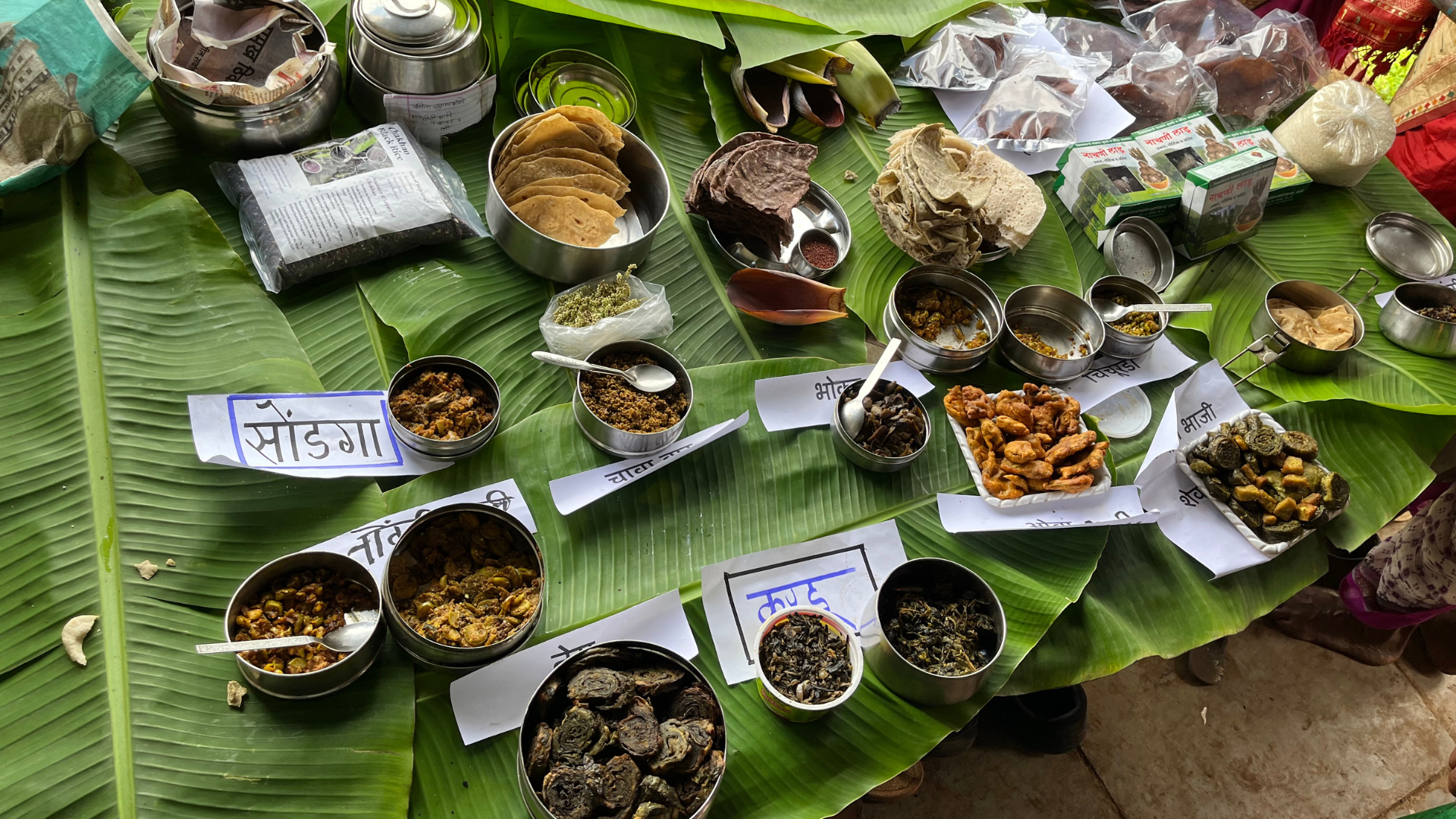
The Raan Bhaji festival celebrates indigenous, wild edible plants used in local cuisine, highlighting the ancient diet of human civilisations. Wild Edible Plants (WEPs) thrive independently, predating modern agriculture. WEPs are integral to the sustenance of traditional and indigenous food methodologies, particularly within rural and
Plankton, specifically cyanobacteria (a type of phytoplankton), are the pioneers of photosynthesis on Earth. Yet, when we think of aquatic life, our minds often jump to fish, birds, crabs, and plants. Rarely do we give a thought to plankton, the
Ecosystem integrity is a holistic approach to conservation that considers the wholeness of entire landscapes and ecosystems rather than focusing solely on individual species or resources
India is also home to a multitude of Indigenous Peoples and Local Communities (IPLCs), each with unique ethical, cultural, and traditional practices. For centuries, these communities have harnessed their Traditional Ecological Knowledge (TEK) to sustain their livelihoods and preserve their cultural identities.
Provisioning Ecosystem Services (PES) encompass essential natural resources directly supporting human livelihoods and well-being. They play a crucial role in climate change adaptation and contribute to achieving various SDGs.
Prosopis juliflora, or Vilayati Kikar, sparks debate for its dual impact on arid and semi-arid landscapes. This invasive species provides valuable ecosystem services (ES) while also causing significant ecosystem disservices (EDS).
Anuj Mundu, 40, says he went around the whole country searching for money, only to find the ‘paise wale ped’ (money making trees) at home. A resident of Rumutkel village, a hamlet of 144 households in the hilly, remote interiors of Jharkhand’s Khunti district, Mundu, who until some years ago, was forced to migrate to cities to find work, has been cultivating lac, a high-value non-timber forest product, on ber and kusum trees the last five years.
India’s rural biodiversity, vital for resilience against climate change, faces threats from habitat loss and climate variability. Preserving it through community-based conservation and sustainable livelihoods is essential for human survival and a balanced coexistence with nature.
This blog will cover blue carbon, highlighting its role in climate change mitigation and adaptation. It will help us understand its significance in combatting climate change and protecting the planet.
The Mahadev Koli community in Akole, Ahmednagar, Maharashtra celebrates the Wagh Baras festival, observing rituals that venerate nature and embody an ethos of environmental stewardship and peaceful coexistence
The Raan Bhaji festival celebrates indigenous, wild edible plants used in local cuisine, highlighting the ancient diet of human civilisations. Wild Edible Plants (WEPs) thrive independently, predating modern agriculture. WEPs are integral to the sustenance of traditional and indigenous food methodologies, particularly within rural and
Plankton, specifically cyanobacteria (a type of phytoplankton), are the pioneers of photosynthesis on Earth. Yet, when we think of aquatic life, our minds often jump to fish, birds, crabs, and plants. Rarely do we give a thought to plankton, the
By Categories
By Tags
Drawing on WOTR’s grassroots experience, this piece explores the powerful connection between water security, ecosystem restoration, agriculture and nutrition security in rural India.
Exploring World Water Week through our interventions in implementing ecohydrology-based Nature-based Solutions in Maharashtra and Telangana
This World Water Week, explore how water access shapes pastoral livelihoods, migration routes and resilience across India’s changing landscapes.
India’s mosquito fight is evolving as climate change, urbanisation and insecticide resistance reshape malaria, dengue and other disease threats.
An animated film series follows 11 Farmer Producer Companies and 11,800+ farmers building resilient livelihoods through markets, farming and EbA.
Electric fencing turned fear into full harvests, as one Chhattisgarh farmer finally grew Rabi crops without losing them to animals.
सोलर फेंसिंग ने रामगढ़ के हरि भगत सिंह का डर मिटाया, अब वह जंगली जानवरों से बेखौफ होकर पूरी ज़मीन पर रबी की फसल उगाते हैं।
Raghubir’s story shows how entrepreneurship can begin with a simple idea, the right support, and a little confidence creating a thriving livelihood.