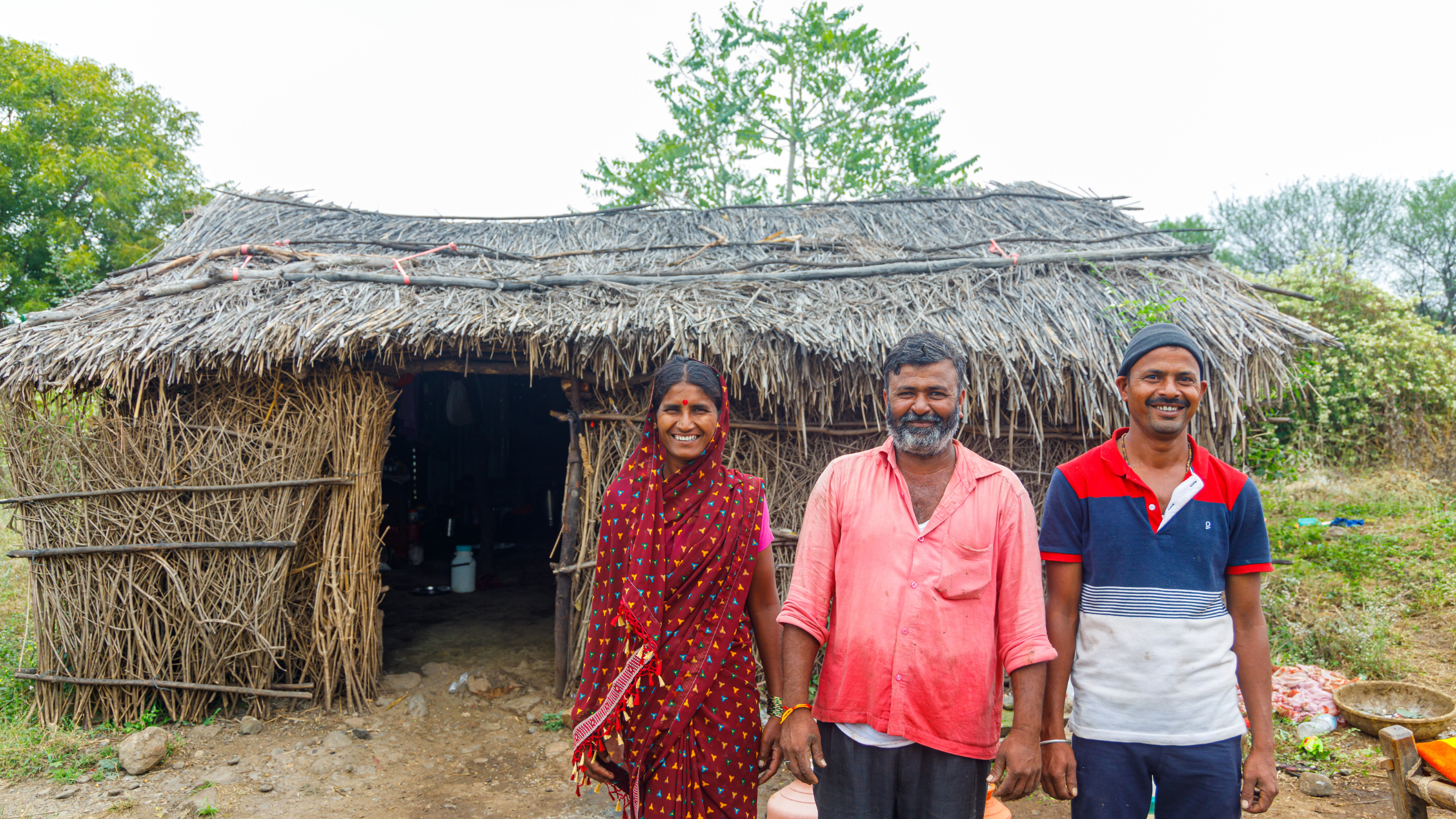
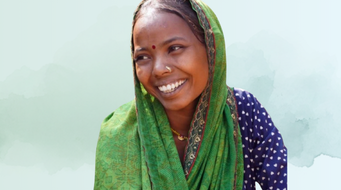
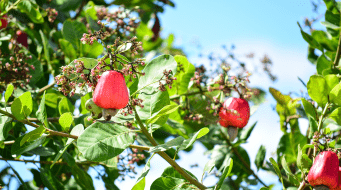
In Odisha’s Guma block, cashew plantations have become a transformative force for tribal communities, offering economic stability, reducing migration, and empowering women through sustainable agricultural practices. Managed in partnership with WOTR, these initiatives not only enhance local livelihoods but also promote biodiversity and soil health, marking a significant step towards sustainable development in the region.
A Better Tomorrow
Stories, Practices, and Solutions
WOTR is organising a pivotal three-day training event on EbA for Sustainable Ecosystems, set to take place from the 27th to the 29th of February 2024 at the Darewadi Learning Centre in Ahmednagar, Maharashtra.
The Government of Maharashtra, through its Department of Environment and Climate Change (DoE-CC), has joined forces with the Watershed Organisation Trust (WOTR), a renowned non-profit organisation and think tank, to forge a path toward sustainable and resilient development.
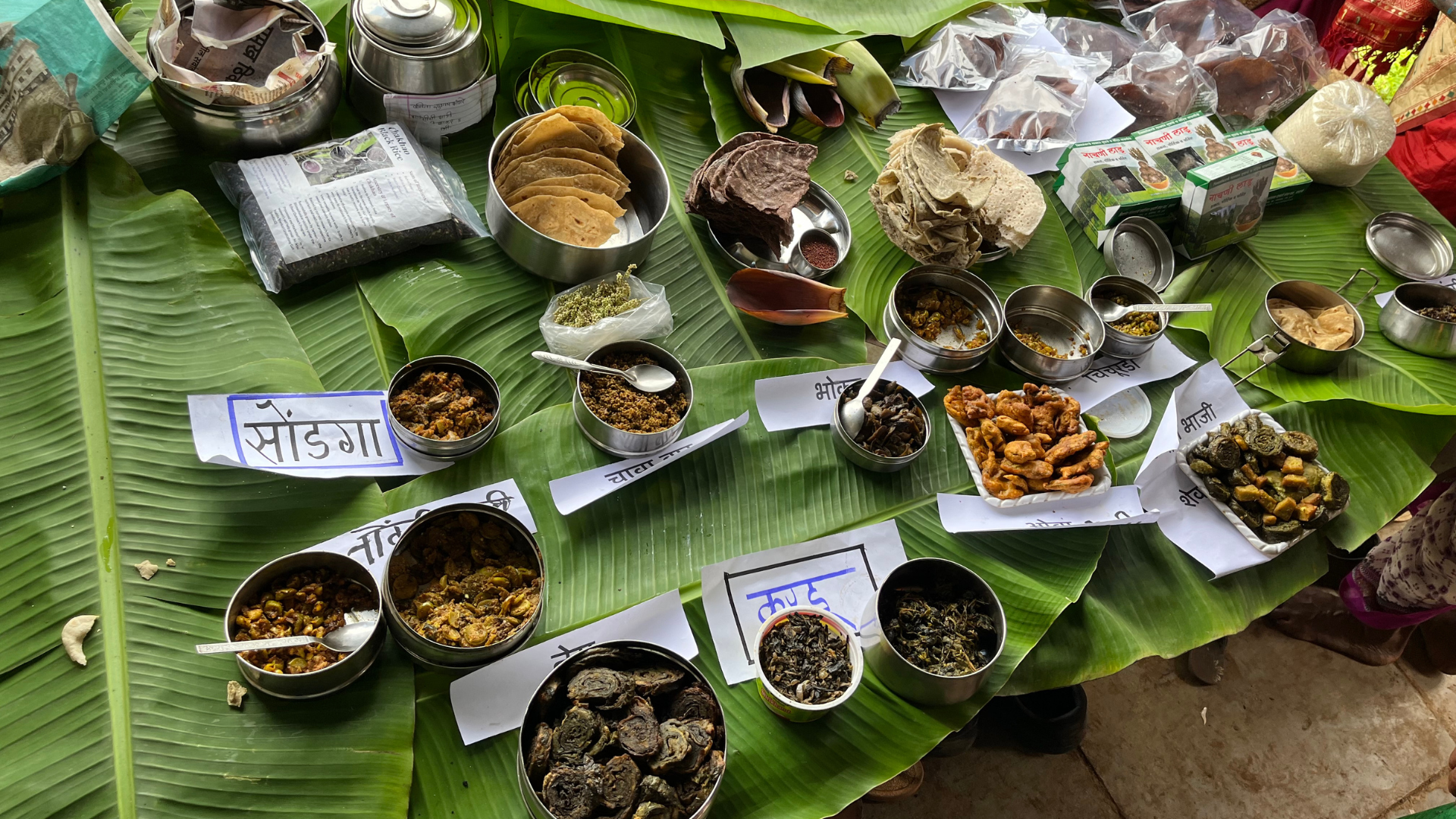
The Raan Bhaji festival celebrates indigenous, wild edible plants used in local cuisine, highlighting the ancient diet of human civilisations. Wild Edible Plants (WEPs) thrive independently, predating modern agriculture. WEPs are integral to the sustenance of traditional and indigenous food methodologies, particularly within rural and
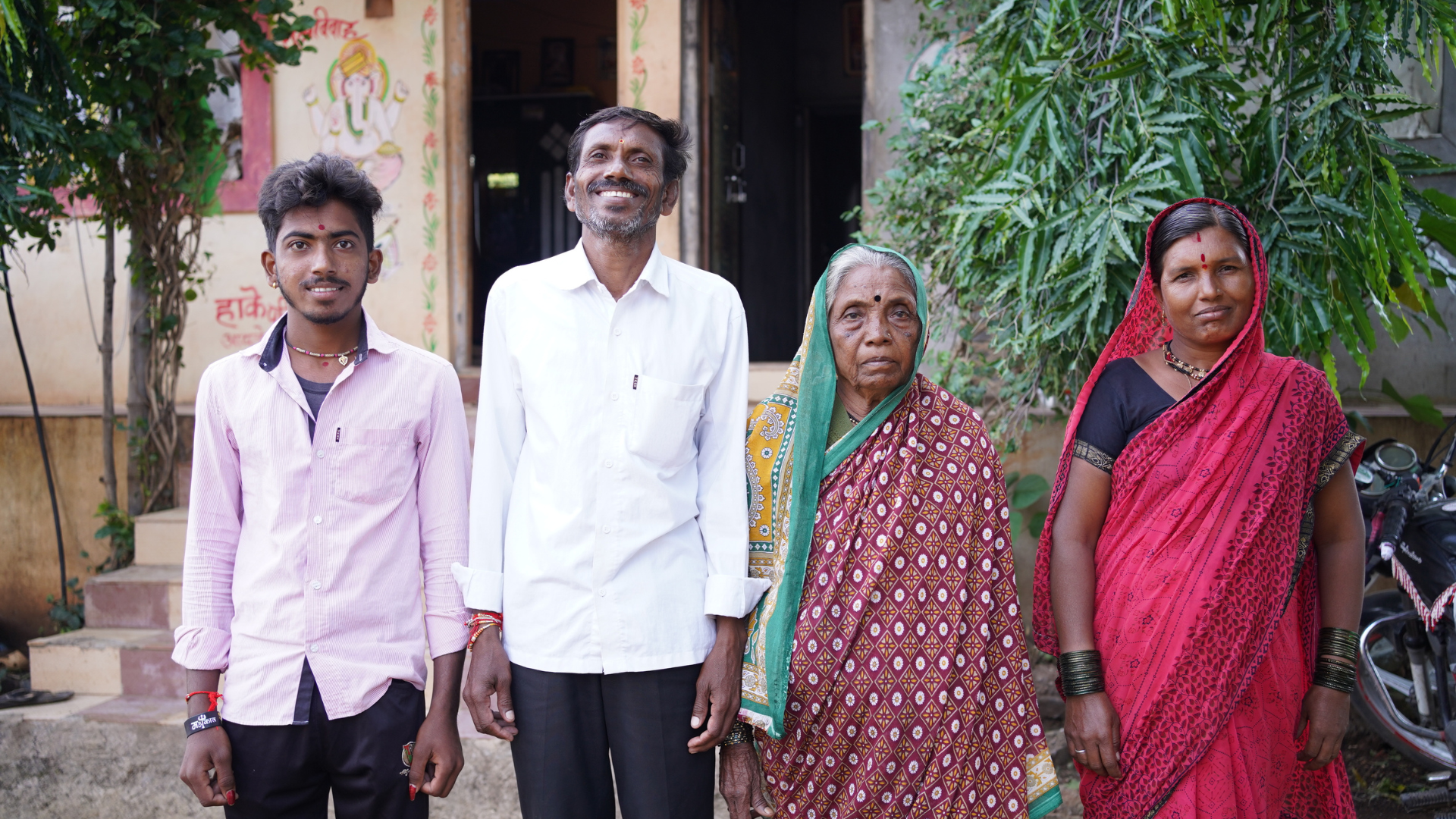
Beneath climate change’s disproportionate burden on rural women lies a story of strength, collaboration, and empowerment. On this International Day of Rural Women, let’s shift the narrative and applaud incredible tales of resilience like those we discovered in WOTR’s project villages in Ahmednagar
Every October 13th marks a pivotal moment of unity across the globe: The United Nations International Day for Natural Disaster Reduction. WOTR remains committed to transforming rural lives through sustainable water and climate-resilient practices, using EbA
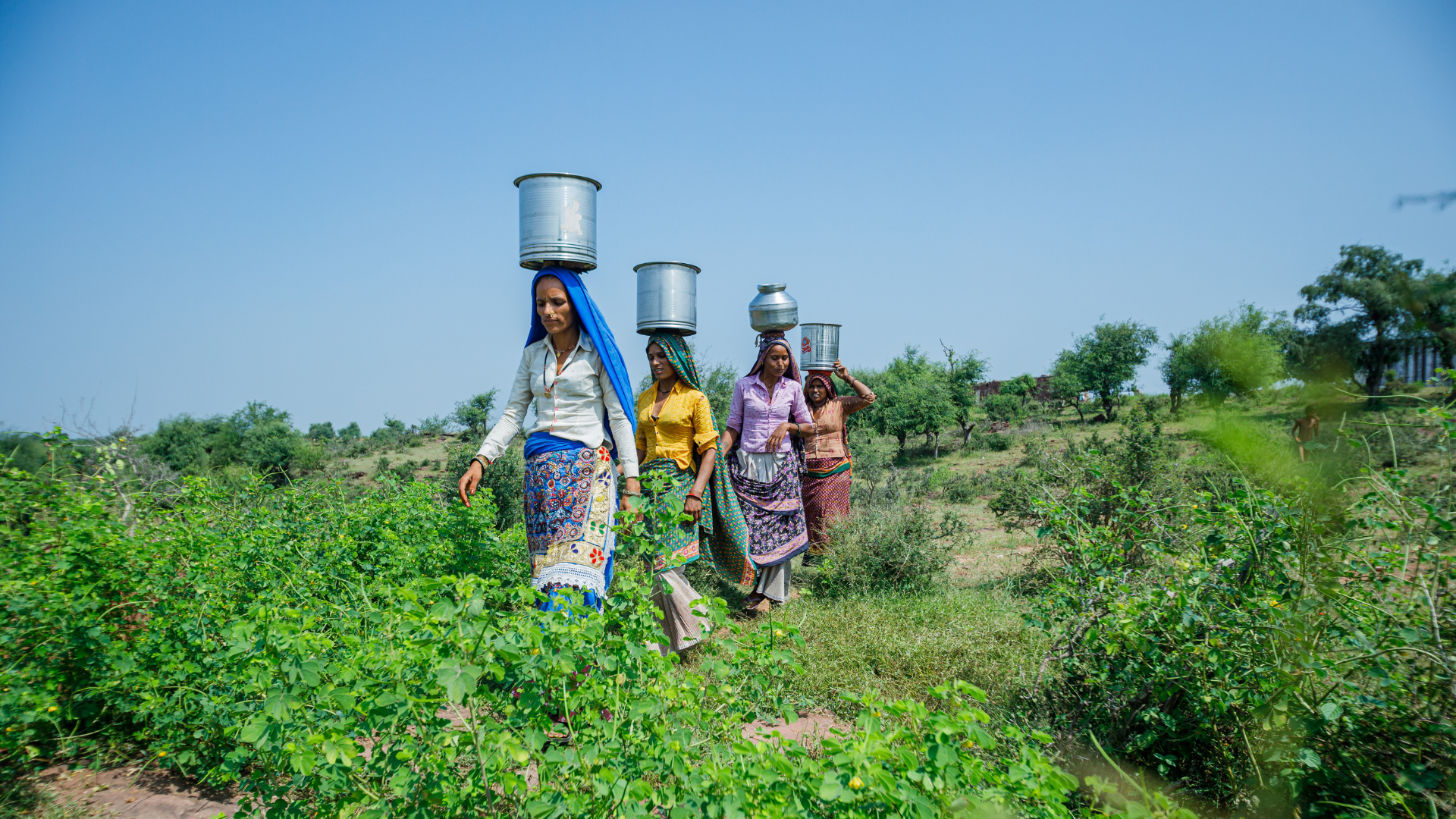
If you’re able to fill your bottle with clean drinking water at any given time of the day, clearly you are not amongst the 163 million Indians with no access to this privilege. India is one of the most water-stressed countries in the world
Basaava Swami, a 50-year-old farmer from Kherada village in the Bidar district of Aurad taluka, had long been practising conventional farming methods. However, his curiosity led him on a path of discovery of SCI-system of crop intensification which
Our constitutional forefathers, with their far-sighted vision, had foreseen the crucial role of trees in mitigating the future implications of climate change. Recognising the need to create enthusiasm among people towards conservation, they initiated ‘Van
Agriculture plays a significant role in the economies of many developing countries in the Global South. Nonetheless, the sector faces numerous challenges , including climate change, market pressures, land degradation, extreme weather events, and
In Odisha’s Guma block, cashew plantations have become a transformative force for tribal communities, offering economic stability, reducing migration, and empowering women through sustainable agricultural practices. Managed in partnership with WOTR, these initiatives not only enhance local livelihoods but also promote biodiversity and soil health, marking a significant step towards sustainable development in the region.
WOTR is organising a pivotal three-day training event on EbA for Sustainable Ecosystems, set to take place from the 27th to the 29th of February 2024 at the Darewadi Learning Centre in Ahmednagar, Maharashtra.
The Government of Maharashtra, through its Department of Environment and Climate Change (DoE-CC), has joined forces with the Watershed Organisation Trust (WOTR), a renowned non-profit organisation and think tank, to forge a path toward sustainable and resilient development.
The Raan Bhaji festival celebrates indigenous, wild edible plants used in local cuisine, highlighting the ancient diet of human civilisations. Wild Edible Plants (WEPs) thrive independently, predating modern agriculture. WEPs are integral to the sustenance of traditional and indigenous food methodologies, particularly within rural and
Beneath climate change’s disproportionate burden on rural women lies a story of strength, collaboration, and empowerment. On this International Day of Rural Women, let’s shift the narrative and applaud incredible tales of resilience like those we discovered in WOTR’s project villages in Ahmednagar
Every October 13th marks a pivotal moment of unity across the globe: The United Nations International Day for Natural Disaster Reduction. WOTR remains committed to transforming rural lives through sustainable water and climate-resilient practices, using EbA
If you’re able to fill your bottle with clean drinking water at any given time of the day, clearly you are not amongst the 163 million Indians with no access to this privilege. India is one of the most water-stressed countries in the world
Basaava Swami, a 50-year-old farmer from Kherada village in the Bidar district of Aurad taluka, had long been practising conventional farming methods. However, his curiosity led him on a path of discovery of SCI-system of crop intensification which
Our constitutional forefathers, with their far-sighted vision, had foreseen the crucial role of trees in mitigating the future implications of climate change. Recognising the need to create enthusiasm among people towards conservation, they initiated ‘Van
Agriculture plays a significant role in the economies of many developing countries in the Global South. Nonetheless, the sector faces numerous challenges , including climate change, market pressures, land degradation, extreme weather events, and
By Categories
By Tags
An analogy for climate adaptation, showing that scientific expertise alone is not enough. It reminds us that the knowledge on the ground is equally important in making informed decisions
Maharashtra village, Gosasi, transforms chronic water scarcity into year-round security through watershed structures, women-led savings groups, and sustainable farming practices.
सिलाई उद्यमी से VDC अध्यक्ष तक, मनबसिया सिंह अपने छत्तीसगढ़ के गाँव को बेहतर भविष्य की ओर अग्रसर कर रही हैं।
From tailoring entrepreneur to VDC Chairman, Manbasiya Singh is leading her village in Chhattisgarh towards a better future.
A tribute to World Nature Conservation Day, where we are reminded that conservation must extend beyond conventional models.
A story of how water stewardship empowered Bhagwat Gavande to become a trusted rural resource leader in his village
El Niño exposes hidden economic costs of degraded ecosystems, revealing why water stewardship and natural capital investment strengthen rural climate resilience.
Crop simulation reveals a startling truth: without adaptation, South Asian farmers could lose up to half their harvest by 2047. How can simulation help with adaptation?