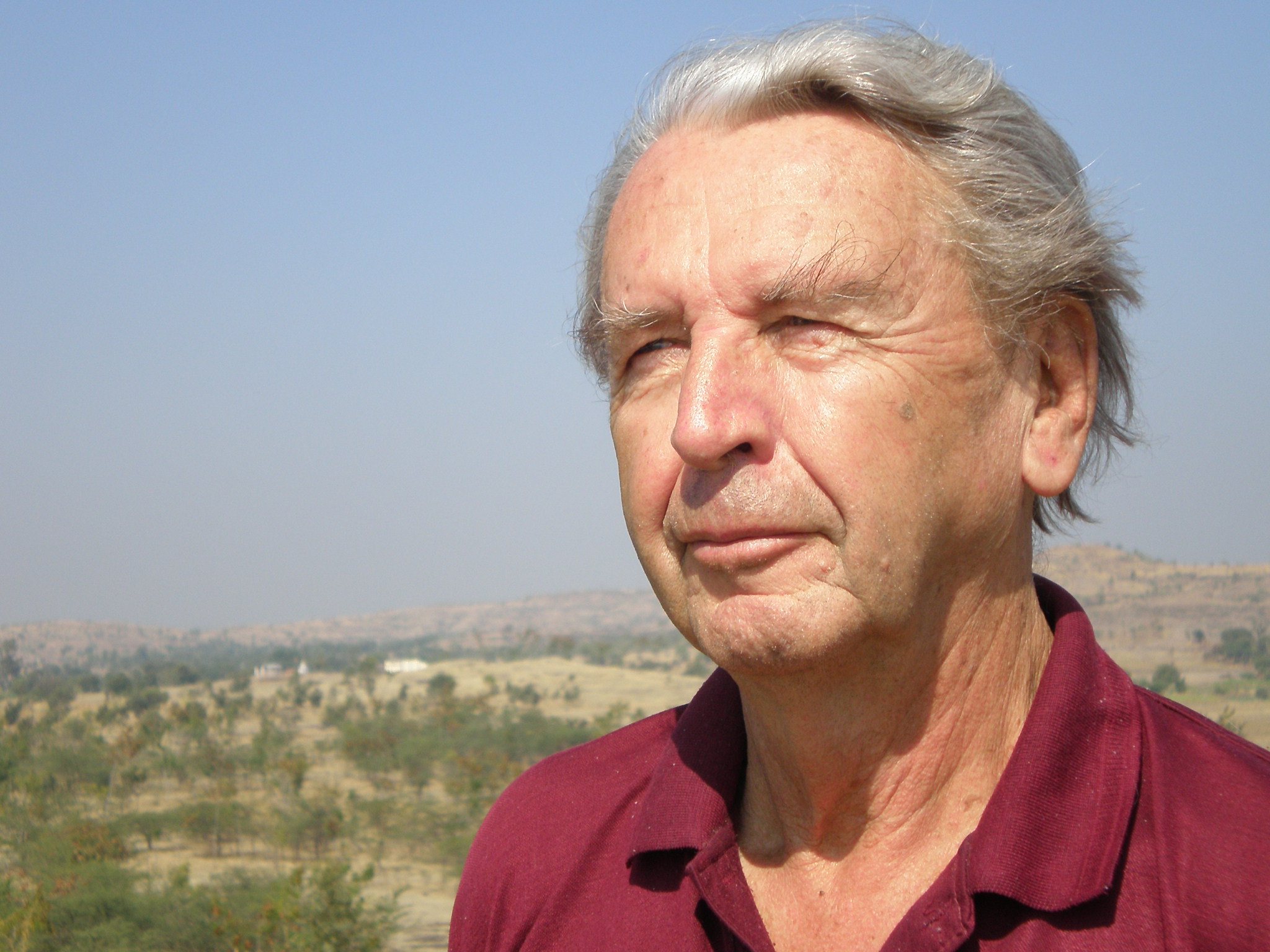
Hermann Bacher, popularly known as Bacher Baba or Father Bacher, initiated the people-led watershed movement in rural India, working tirelessly for the upliftment of the poor and marginalised communities. When Maharashtra was hit by a
A Better Tomorrow
Stories, Practices, and Solutions
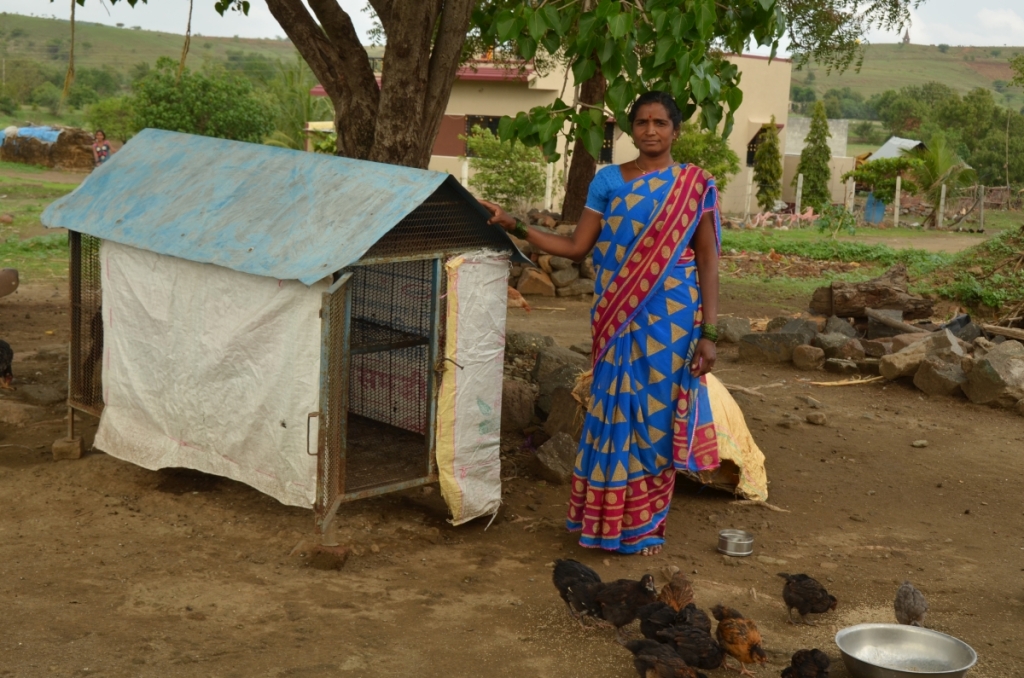
Yavatmal district of Maharashtra has numerous such heartbreaking stories. Women, after the death of their husbands, are left in the lurch. Chanda and her sister-in-law Ramkala live in Baradgaon village and could survive on a meager income of
Heerabai still feels chills running down her spine when she thinks of the water scarcity and parched lands that her village Purushwadi was known for. The unseasonal and irregular rainfall, fragmented landholding were the major challenges in the area
The world came crashing down for Kamalakola when she lost her husband to malaria. “He worked in a textile mill in Surat. His income was huge support for the family,” said Kamalakola Nayak, resident of Luduludi village in Ganjam district of Odisha.
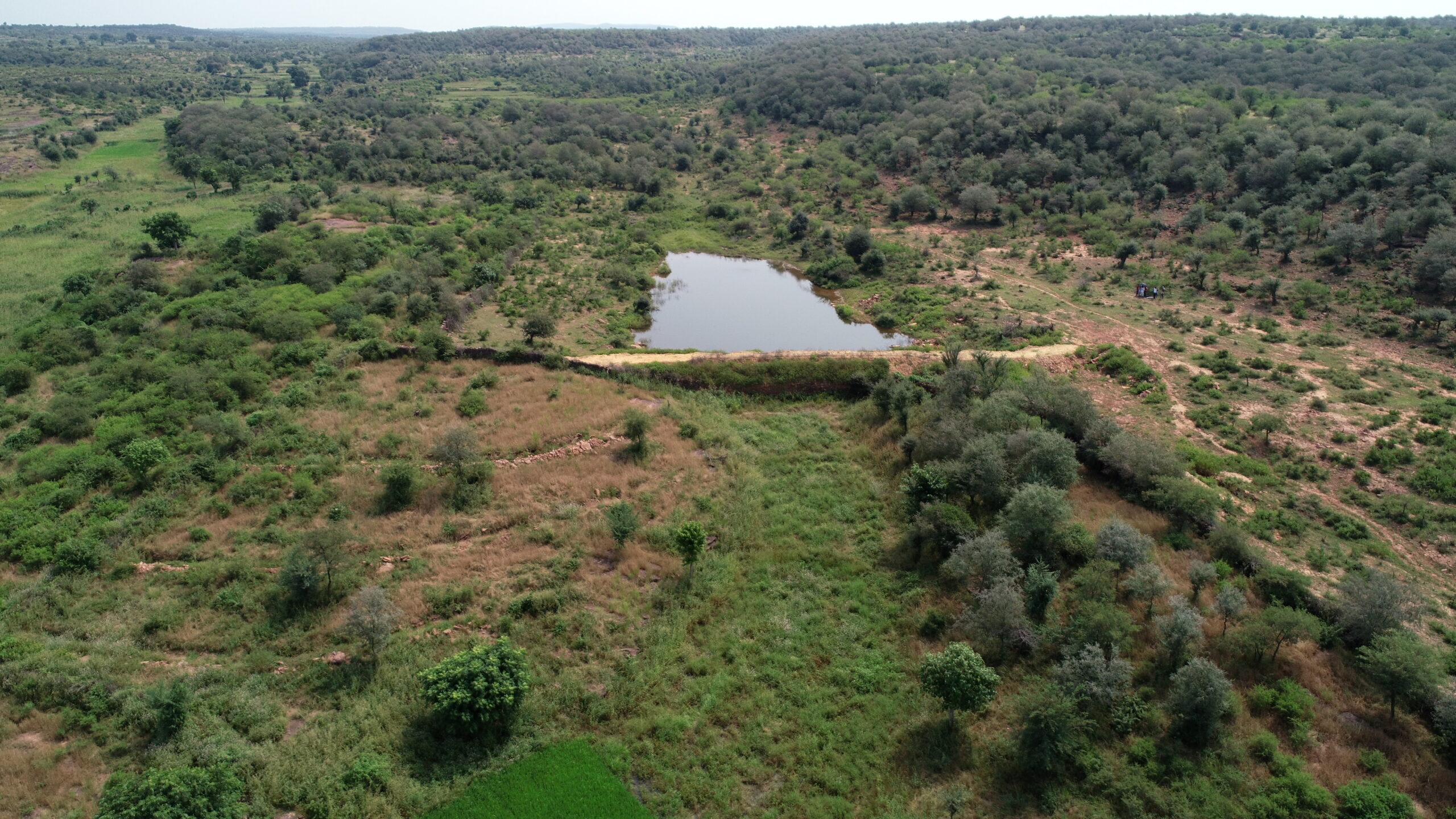
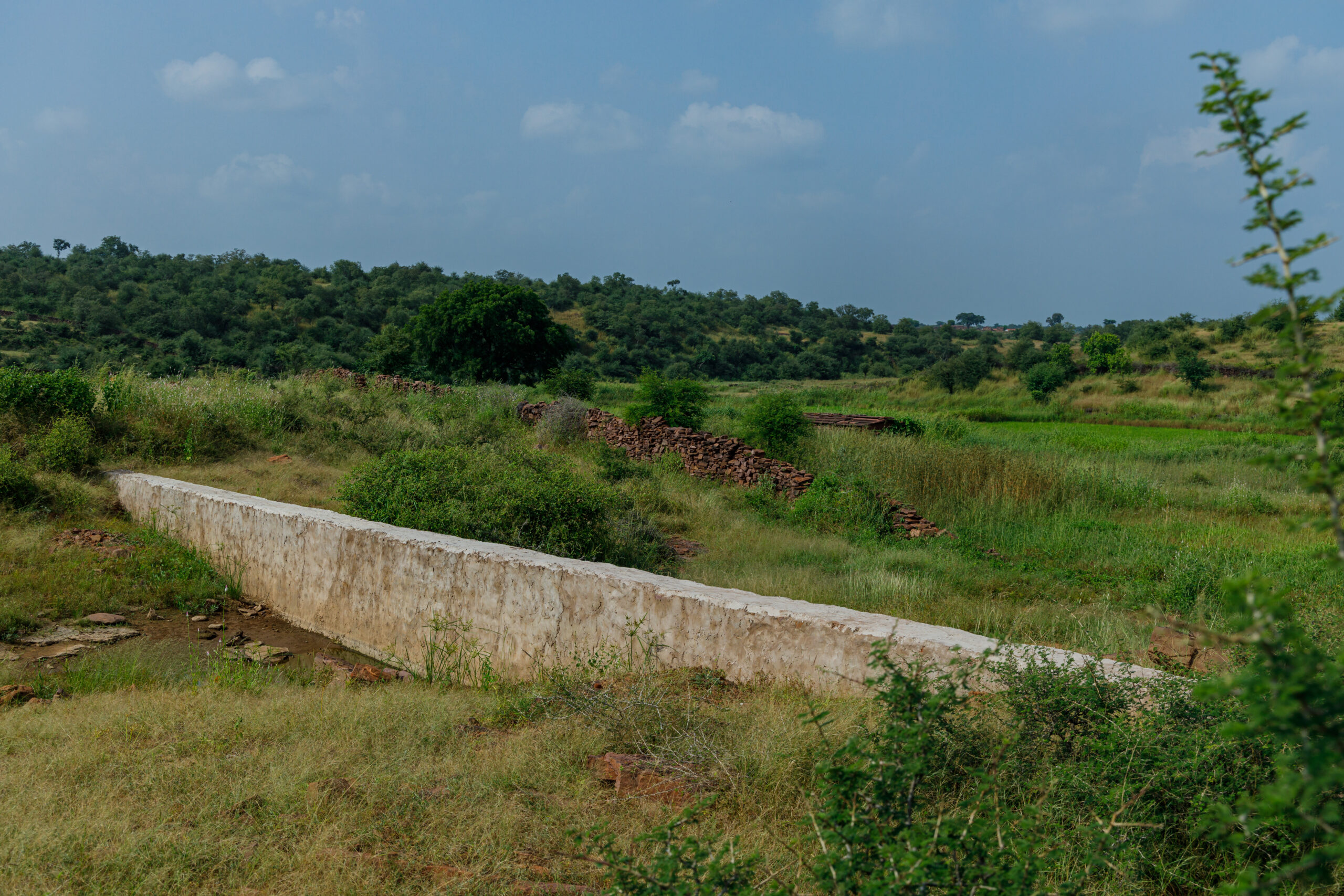
For years, Ramnarayan Meena had been only limited to millets, paddy and wheat from his 9 bigha land. The limited water for irrigation left him with not many options. The income was meagre, just adequate to run his family.
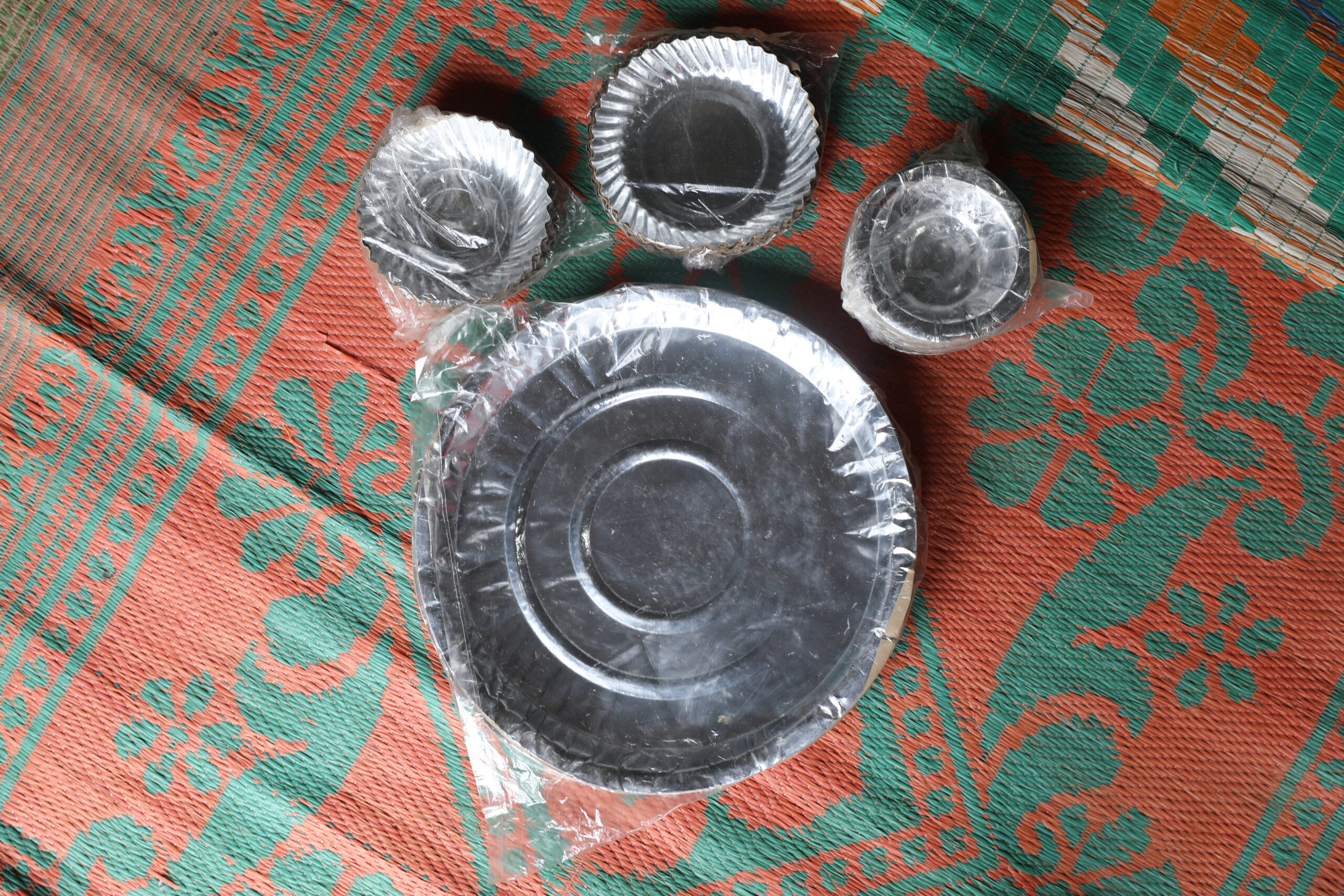
Making dona-pattal (dishes) out of tree leaves is a common activity for several tribal villages in Madhya Pradesh. Women are often seen doing this activity which is not only eco-friendly but also a source of income generation for many families.
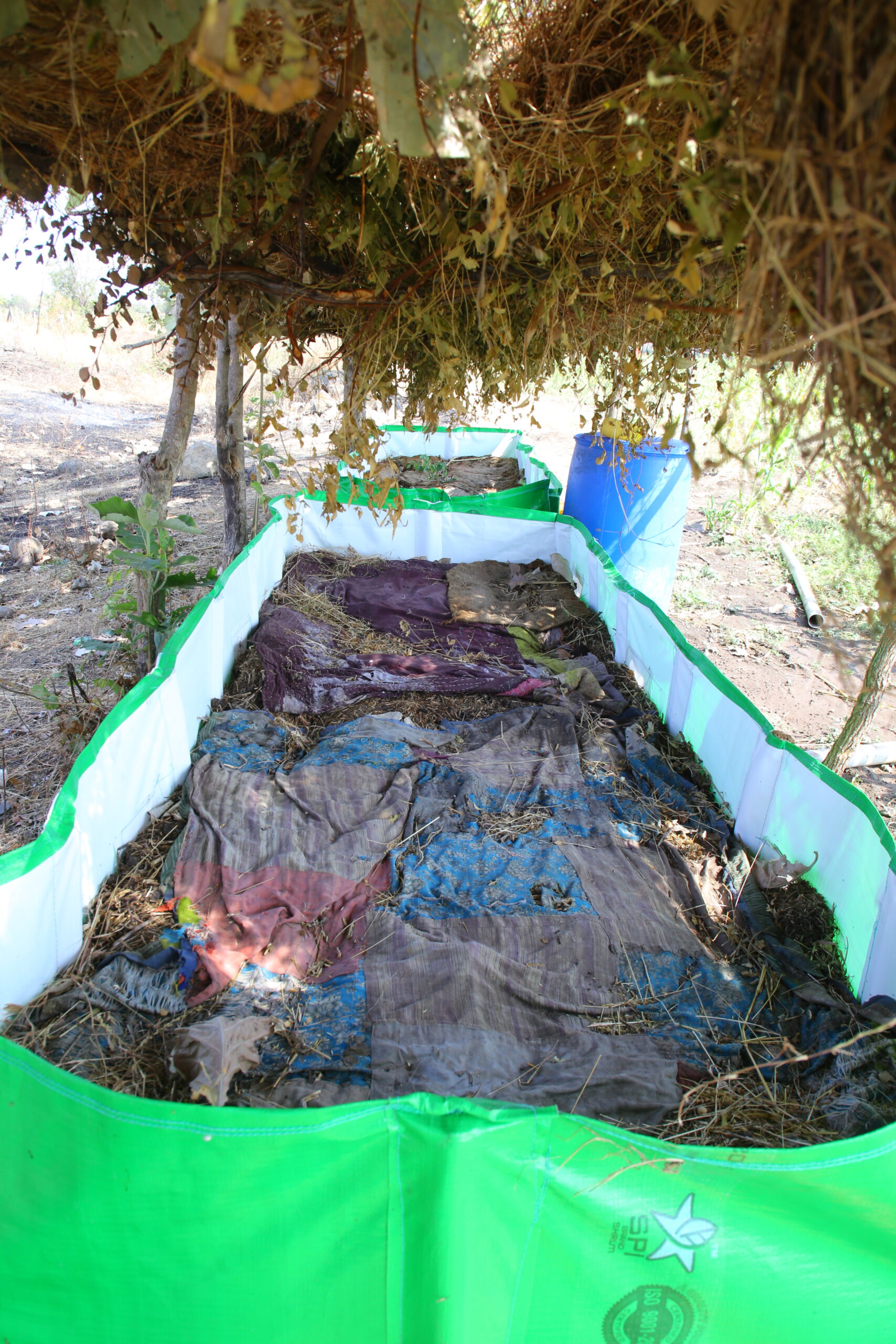
Three years back when Meena suggested replacing chemical fertilizers with vermicompost, she was ridiculed and strongly opposed. “My husband and son were not at all convinced to use organic manure. For them, it was a huge risk and could lead to losses,” said Meena Atmaram Hazare
Raising daily wage work is the second-highest source of income, followed by agriculture. However, as agriculture becomes less remunerative due to an increase in the cost of cultivation and fewer crop returns from climate change, alternate livelihoods f
Hermann Bacher, popularly known as Bacher Baba or Father Bacher, initiated the people-led watershed movement in rural India, working tirelessly for the upliftment of the poor and marginalised communities. When Maharashtra was hit by a
Yavatmal district of Maharashtra has numerous such heartbreaking stories. Women, after the death of their husbands, are left in the lurch. Chanda and her sister-in-law Ramkala live in Baradgaon village and could survive on a meager income of
Heerabai still feels chills running down her spine when she thinks of the water scarcity and parched lands that her village Purushwadi was known for. The unseasonal and irregular rainfall, fragmented landholding were the major challenges in the area
The world came crashing down for Kamalakola when she lost her husband to malaria. “He worked in a textile mill in Surat. His income was huge support for the family,” said Kamalakola Nayak, resident of Luduludi village in Ganjam district of Odisha.
For years, Ramnarayan Meena had been only limited to millets, paddy and wheat from his 9 bigha land. The limited water for irrigation left him with not many options. The income was meagre, just adequate to run his family.
Making dona-pattal (dishes) out of tree leaves is a common activity for several tribal villages in Madhya Pradesh. Women are often seen doing this activity which is not only eco-friendly but also a source of income generation for many families.
Three years back when Meena suggested replacing chemical fertilizers with vermicompost, she was ridiculed and strongly opposed. “My husband and son were not at all convinced to use organic manure. For them, it was a huge risk and could lead to losses,” said Meena Atmaram Hazare
Raising daily wage work is the second-highest source of income, followed by agriculture. However, as agriculture becomes less remunerative due to an increase in the cost of cultivation and fewer crop returns from climate change, alternate livelihoods f
By Categories
By Tags
Drawing on WOTR’s grassroots experience, this piece explores the powerful connection between water security, ecosystem restoration, agriculture and nutrition security in rural India.
Exploring World Water Week through our interventions in implementing ecohydrology-based Nature-based Solutions in Maharashtra and Telangana
This World Water Week, explore how water access shapes pastoral livelihoods, migration routes and resilience across India’s changing landscapes.
India’s mosquito fight is evolving as climate change, urbanisation and insecticide resistance reshape malaria, dengue and other disease threats.
An animated film series follows 11 Farmer Producer Companies and 11,800+ farmers building resilient livelihoods through markets, farming and EbA.
Electric fencing turned fear into full harvests, as one Chhattisgarh farmer finally grew Rabi crops without losing them to animals.
सोलर फेंसिंग ने रामगढ़ के हरि भगत सिंह का डर मिटाया, अब वह जंगली जानवरों से बेखौफ होकर पूरी ज़मीन पर रबी की फसल उगाते हैं।
Raghubir’s story shows how entrepreneurship can begin with a simple idea, the right support, and a little confidence creating a thriving livelihood.