A Better Tomorrow

Stories, Practices, and Solutions

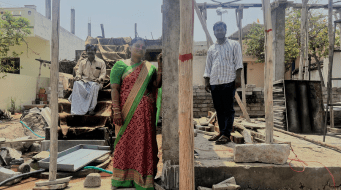
Sunanda Prakash Jante’s dream of becoming a beautician is finally taking shape with the support of a project that provided her essential tools to start her beauty parlour. Her story is one among many, empowering over 145 women in Aurad Taluka to establish various ventures through this initiative.
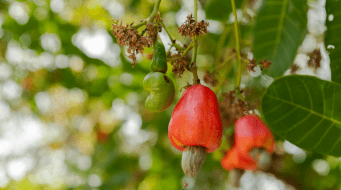
Odisha’s tribal communities face economic and livelihood challenges due to persistent water shortages and limited opportunities. This blog explores how cashew cultivation, supported by various government initiatives and NGOs, is transforming these communities. Historical struggles over land rights and recent developments in cashew farming are highlighted, showcasing both the challenges and the potential for sustainable agricultural practices.
Three years ago, Maheshwaram Panduranga and his wife Manga faced a severe water crisis on their 3-acre farm in Loyapally, Telangana. With help from WOTR and HSBC, they constructed a farm pond, significantly improving water levels. They then ventured into fish farming, earning substantial profits and transforming their financial situation. The couple now enjoys a better lifestyle and serves as an inspiration for others in their village.
Aruna Ganesh Shivasagar, a resident of Kumbharwadi village, Sangamner, dreamt of growing her own food despite not owning land. With support from WOTR and Axis Bank Foundation’s ‘Sustainable Livelihoods Programme’, she embraced gurney gardening in her front yard. Despite initial skepticism, Aruna successfully cultivated a variety of vegetables, reaping a harvest within three months.
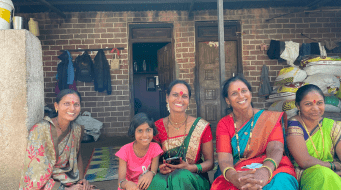
In a short span, these women from Gandharwadi village in Patoda, Beed, have forged deep bonds through Farmer Field Schools (FFS) initiated by WOTR and Axis Bank Foundation’s ‘Sustainable Livelihoods Programme’. Their journey from initial reluctance to newfound confidence showcases the transformative power of education and community support.
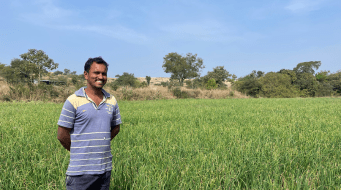
With the arrival of the rabi (winter sowing) season, Adinath Manik Thombare, a farmer from Deulgaon Ghat in Beed gets busy sowing onions on his farm. He says he is relieved growing onions, given that only a few years ago, agriculture was largely unprofitable to pursue in his village due to unavailability of water. In need of solutions, Adinath started participating in training and exposure visits conducted by WOTR, under Axis Bank Foundation’s ‘Sustainable Livelihood Programme’.
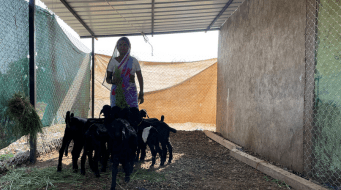
Babai Sahadev Selhar, aged 52, and her family, long-time traditional goat rearers in Beed, faced mounting challenges in recent years. Residing adjacent to a forest, their livelihood was threatened by persistent wild animal attacks, resulting in a significant loss of income, nearly a third of their total earnings. In response, Selhar was graciously provided with a goatshed by WOTR, facilitated through the Axis Bank Foundation’s ‘Sustainable Livelihood Programme in Maharashtra’.
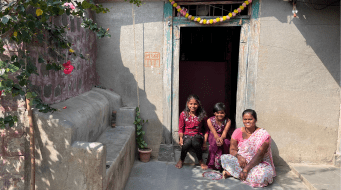
Eight years ago, Vidya Chavan’s husband went for a walk, and never returned. Broken by years of unproductive agriculture, made worse due to unpredictable weather patterns, he decided to end his life, leaving the responsibilities of running the five member household to his wife. Determined to provide for her three daughters, she started rebuilding her life.
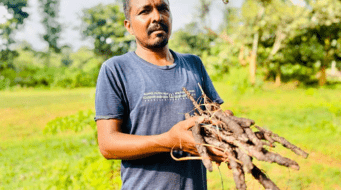
Anuj Mundu, 40, says he went around the whole country searching for money, only to find the ‘paise wale ped’ (money making trees) at home. A resident of Rumutkel village, a hamlet of 144 households in the hilly, remote interiors of Jharkhand’s Khunti district, Mundu, who until some years ago, was forced to migrate to cities to find work, has been cultivating lac, a high-value non-timber forest product, on ber and kusum trees the last five years.
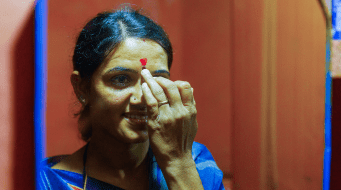
Sunanda Prakash Jante’s dream of becoming a beautician is finally taking shape with the support of a project that provided her essential tools to start her beauty parlour. Her story is one among many, empowering over 145 women in Aurad Taluka to establish various ventures through this initiative.
Odisha’s tribal communities face economic and livelihood challenges due to persistent water shortages and limited opportunities. This blog explores how cashew cultivation, supported by various government initiatives and NGOs, is transforming these communities. Historical struggles over land rights and recent developments in cashew farming are highlighted, showcasing both the challenges and the potential for sustainable agricultural practices.
Three years ago, Maheshwaram Panduranga and his wife Manga faced a severe water crisis on their 3-acre farm in Loyapally, Telangana. With help from WOTR and HSBC, they constructed a farm pond, significantly improving water levels. They then ventured into fish farming, earning substantial profits and transforming their financial situation. The couple now enjoys a better lifestyle and serves as an inspiration for others in their village.
Aruna Ganesh Shivasagar, a resident of Kumbharwadi village, Sangamner, dreamt of growing her own food despite not owning land. With support from WOTR and Axis Bank Foundation’s ‘Sustainable Livelihoods Programme’, she embraced gurney gardening in her front yard. Despite initial skepticism, Aruna successfully cultivated a variety of vegetables, reaping a harvest within three months.
In a short span, these women from Gandharwadi village in Patoda, Beed, have forged deep bonds through Farmer Field Schools (FFS) initiated by WOTR and Axis Bank Foundation’s ‘Sustainable Livelihoods Programme’. Their journey from initial reluctance to newfound confidence showcases the transformative power of education and community support.
With the arrival of the rabi (winter sowing) season, Adinath Manik Thombare, a farmer from Deulgaon Ghat in Beed gets busy sowing onions on his farm. He says he is relieved growing onions, given that only a few years ago, agriculture was largely unprofitable to pursue in his village due to unavailability of water. In need of solutions, Adinath started participating in training and exposure visits conducted by WOTR, under Axis Bank Foundation’s ‘Sustainable Livelihood Programme’.
Babai Sahadev Selhar, aged 52, and her family, long-time traditional goat rearers in Beed, faced mounting challenges in recent years. Residing adjacent to a forest, their livelihood was threatened by persistent wild animal attacks, resulting in a significant loss of income, nearly a third of their total earnings. In response, Selhar was graciously provided with a goatshed by WOTR, facilitated through the Axis Bank Foundation’s ‘Sustainable Livelihood Programme in Maharashtra’.
Eight years ago, Vidya Chavan’s husband went for a walk, and never returned. Broken by years of unproductive agriculture, made worse due to unpredictable weather patterns, he decided to end his life, leaving the responsibilities of running the five member household to his wife. Determined to provide for her three daughters, she started rebuilding her life.
Anuj Mundu, 40, says he went around the whole country searching for money, only to find the ‘paise wale ped’ (money making trees) at home. A resident of Rumutkel village, a hamlet of 144 households in the hilly, remote interiors of Jharkhand’s Khunti district, Mundu, who until some years ago, was forced to migrate to cities to find work, has been cultivating lac, a high-value non-timber forest product, on ber and kusum trees the last five years.

By Categories

By Tags