In a landmark move poised to transform water stewardship across Maharashtra’s vulnerable regions, the Water Supply & Sanitation Department (WSSD), under the Government of Maharashtra, has inked a Memorandum of Understanding (MOU) with the Watershed Organisation Trust (WOTR), Pune.
A Better Tomorrow
Stories, Practices, and Solutions
The Government of Maharashtra, through its Department of Environment and Climate Change (DoE-CC), has joined forces with the Watershed Organisation Trust (WOTR), a renowned non-profit organisation and think tank, to forge a path toward sustainable and resilient development.
The Department of Agriculture, Government of Maharashtra, and the Watershed Organisation Trust (WOTR), Pune, have come together in a pioneering non-financial agreement to spearhead the “Building Resilience in Agriculture and Allied Sectors in Rural Maharashtra” project that is aided by the India Climate Collaborative (ICC).
This blog explores the challenges and solutions towards achieving Sustainable Development Goal 6 (Clean Water and Sanitation for All) in India, emphasizing the importance of collective action and innovative approaches.
A new chapter opens for India’s drylands with a strategic Memorandum of Understanding (MoU) between the Watershed Organisation Trust (WOTR) and the Central Research Institute for Dryland Agriculture (CRIDA).
Last week, Finance Minister Nirmala Sitharaman presented the Interim Budget in the Lok Sabha, outlining key initiatives and their impact on rural India. Here are the major highlights and figures.
In the face of escalating climate challenges, the agriculture sector stands at a crucial crossroad. Recognising the demand for expertise in this realm, WOTR presents a comprehensive training program on Climate-Resilient Agriculture (CRA) Practices from March 11-15, 2024.
Madhya Pradesh, with over 72% rural population, relies heavily on groundwater, vital for agriculture and daily life. The 2022 Dynamic Groundwater Assessment shows a complex pattern of usage, recharge, and depletion, demanding urgent attention and action.
In rural India, communities grapple with climate change, erratic rainfall, and water scarcity. WOTR and HDFC Bank Parivartan’s 14-year partnership aims to tackle these challenges, impacting over 14,500 households across Jharkhand, Chhattisgarh, Maharashtra, and Odisha.
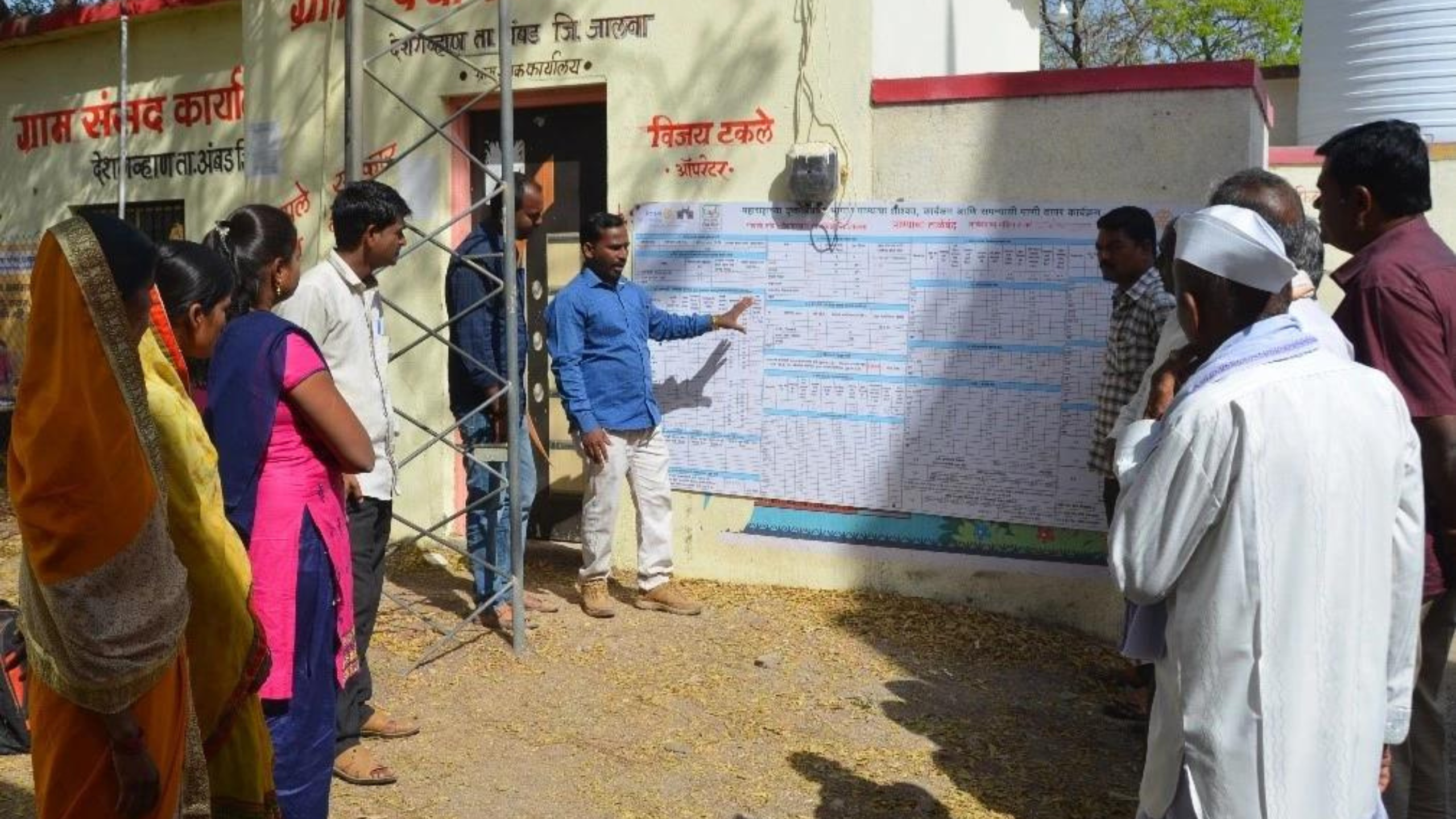
In the complex world of development projects, designing a Monitoring and Evaluation (M&E) Framework is a critical step towards ensuring successful outcomes. This framework not only tracks progress but also ensures that the intended benefits reach the targeted communities effectively.
In a landmark move poised to transform water stewardship across Maharashtra’s vulnerable regions, the Water Supply & Sanitation Department (WSSD), under the Government of Maharashtra, has inked a Memorandum of Understanding (MOU) with the Watershed Organisation Trust (WOTR), Pune.
The Government of Maharashtra, through its Department of Environment and Climate Change (DoE-CC), has joined forces with the Watershed Organisation Trust (WOTR), a renowned non-profit organisation and think tank, to forge a path toward sustainable and resilient development.
The Department of Agriculture, Government of Maharashtra, and the Watershed Organisation Trust (WOTR), Pune, have come together in a pioneering non-financial agreement to spearhead the “Building Resilience in Agriculture and Allied Sectors in Rural Maharashtra” project that is aided by the India Climate Collaborative (ICC).
This blog explores the challenges and solutions towards achieving Sustainable Development Goal 6 (Clean Water and Sanitation for All) in India, emphasizing the importance of collective action and innovative approaches.
A new chapter opens for India’s drylands with a strategic Memorandum of Understanding (MoU) between the Watershed Organisation Trust (WOTR) and the Central Research Institute for Dryland Agriculture (CRIDA).
Last week, Finance Minister Nirmala Sitharaman presented the Interim Budget in the Lok Sabha, outlining key initiatives and their impact on rural India. Here are the major highlights and figures.
In the face of escalating climate challenges, the agriculture sector stands at a crucial crossroad. Recognising the demand for expertise in this realm, WOTR presents a comprehensive training program on Climate-Resilient Agriculture (CRA) Practices from March 11-15, 2024.
Madhya Pradesh, with over 72% rural population, relies heavily on groundwater, vital for agriculture and daily life. The 2022 Dynamic Groundwater Assessment shows a complex pattern of usage, recharge, and depletion, demanding urgent attention and action.
In rural India, communities grapple with climate change, erratic rainfall, and water scarcity. WOTR and HDFC Bank Parivartan’s 14-year partnership aims to tackle these challenges, impacting over 14,500 households across Jharkhand, Chhattisgarh, Maharashtra, and Odisha.
In the complex world of development projects, designing a Monitoring and Evaluation (M&E) Framework is a critical step towards ensuring successful outcomes. This framework not only tracks progress but also ensures that the intended benefits reach the targeted communities effectively.
By Categories
By Tags
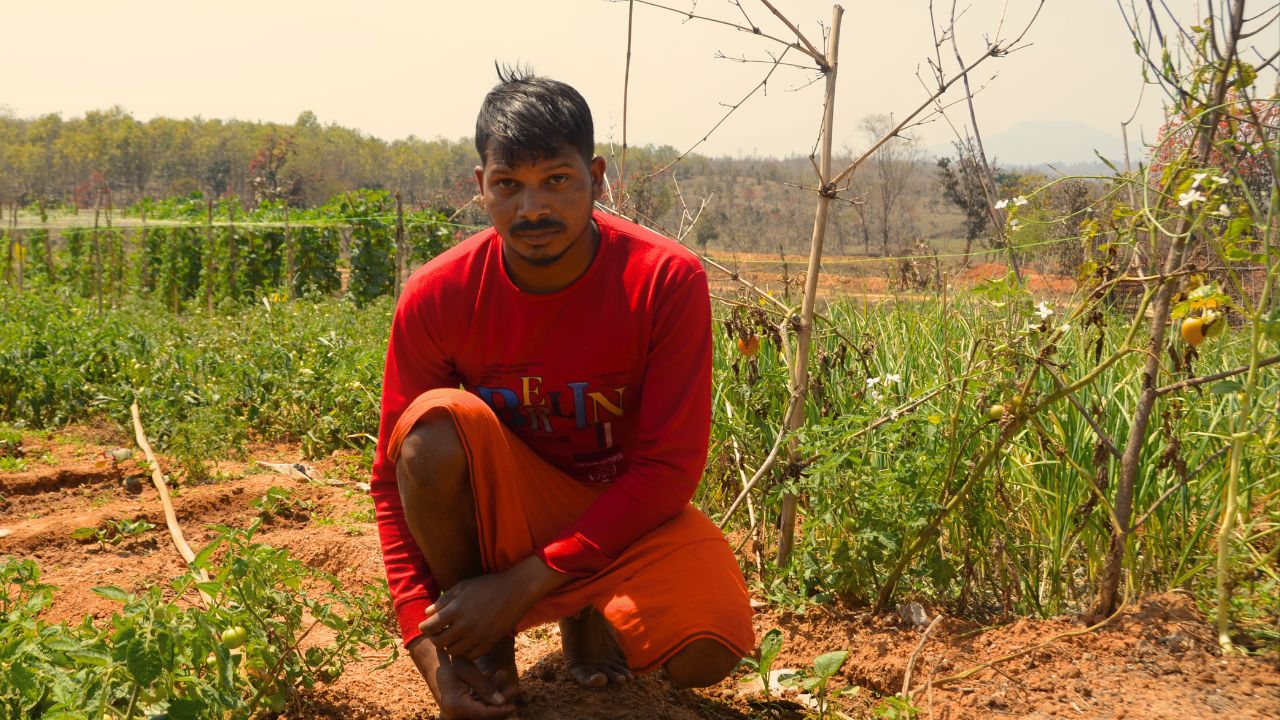
With WOTR’s support, Ravi Singh Marabi and Man Singh levelled their land, transforming their farming practices and boosting productivity.
Sahulia Singh’s family, once reliant on a limited diet of rice and potatoes, now grows a variety of vegetables through WOTR’s kitchen garden initiative, improving their nutrition and reducing dependence on distant markets.
Phulman Singh and Ravi Marabi transformed their barren lands into thriving farms, bringing them closer to realising their dreams of building homes for their families.
Urbanization and water scarcity are escalating challenges, but often overlooked, urban wetlands, offer crucial solutions. These vibrant ecosystems, found within or near cities, provide vital environmental benefits.
Pandarinath Shinde, a jal sevak with WOTR, helps farmers adapt to climate change by teaching efficient water management and farming practices. He has implemented techniques like micro-irrigation and soil testing on his farm, increasing his income and assisting other farmers in improving their crop yields.
Krushiputra FPC, established in 2019, improved water conservation and farming practices in Subhanpur village, increasing crop yields by 30-40%. The FPC promotes micro-irrigation and offers resources, leading to collective profits and sustainable growth.
Maharashtra, leads in implementing water harvesting initiatives, with over 99% of its 97,062 water bodies being artificial. W-CReS collaborated with ATE Chandra Foundation to assess the impact of rejuvenation of water bodies five years after implementation.
Borgaon Budruk’s Village Development Committee (VDC) and Village Water Management Teams (VWMT) have successfully addressed water scarcity through community-driven water conservation efforts, significantly improving local conditions.