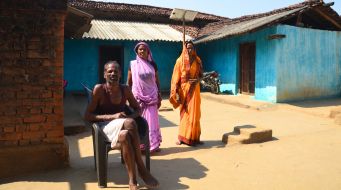
The Group Micro Irrigation (GMI) model promotes equitable groundwater access and encourages the adoption of efficient micro-irrigation systems among farmers.
A Better Tomorrow
Stories, Practices, and Solutions
Odisha’s geothermal landscape holds immense potential, with untapped resources and exciting future prospects. Various initiatives are underway to explore and harness this energy, paving the way for sustainable development in the region.
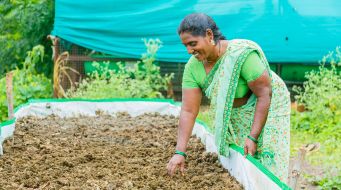
India’s agricultural sector faces challenges from conventional practices, but adopting natural farming can enhance soil quality, promote biodiversity, and improve food security while benefiting farmers economically.
Amidst the challenges of the Covid-19 lockdown, Rayagada district in Odisha harnessed community strength to drive change. Through initiatives like sustainable agriculture, alternative livelihoods, and the construction of watershed structures, villagers collaborated to improve water management, boost incomes, and enhance resilience against climate and economic hardships.
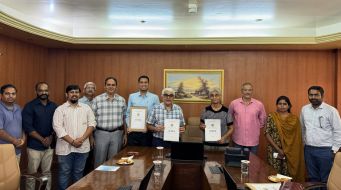
WOTR Centre for Resilience Studies (W-CReS) and the Indian Institute of Tropical Meteorology (IITM) partner to combine advanced climate science research with community-focused initiatives.
Decoding the effect of heat waves and temperature extremes on Indian chilli farmers in 2024
With WOTR’s support, Ravi Singh Marabi and Man Singh levelled their land, transforming their farming practices and boosting productivity.
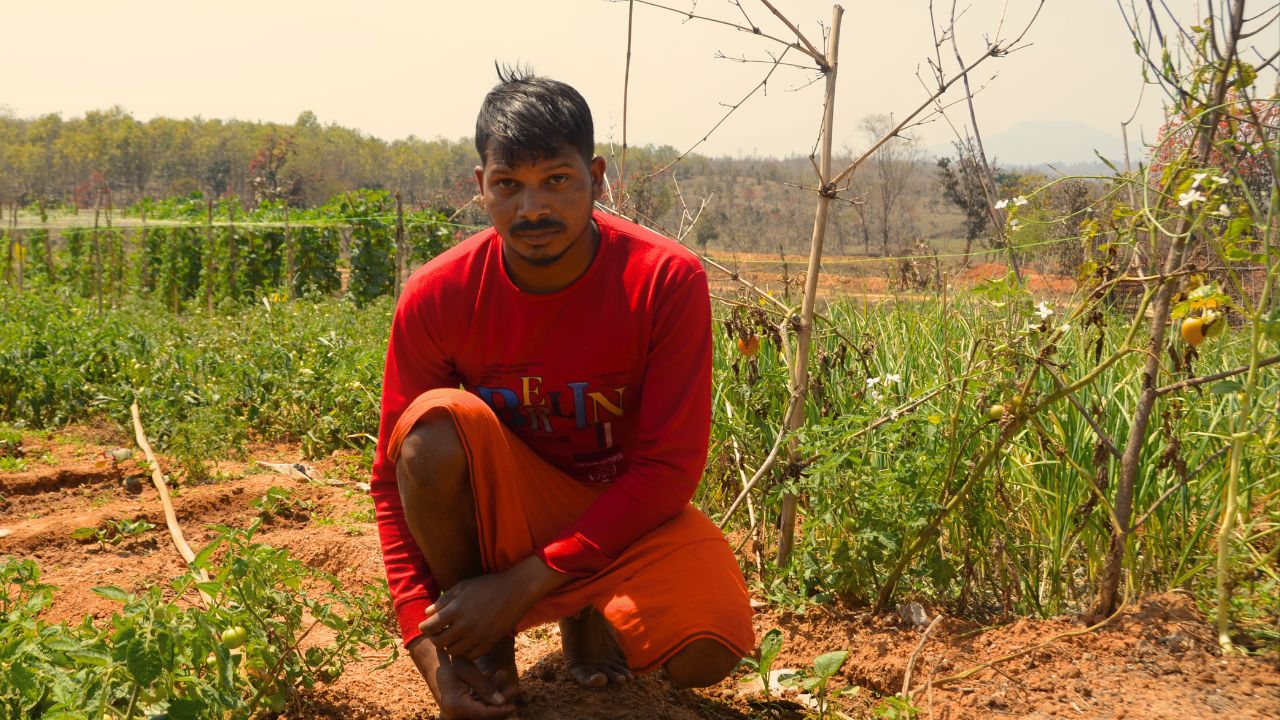
Sahulia Singh’s family, once reliant on a limited diet of rice and potatoes, now grows a variety of vegetables through WOTR’s kitchen garden initiative, improving their nutrition and reducing dependence on distant markets.
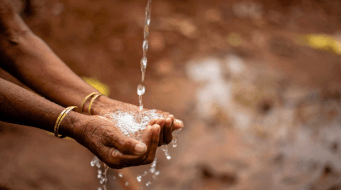
Urbanization and water scarcity are escalating challenges, but often overlooked, urban wetlands, offer crucial solutions. These vibrant ecosystems, found within or near cities, provide vital environmental benefits.
Pandarinath Shinde, a jal sevak with WOTR, helps farmers adapt to climate change by teaching efficient water management and farming practices. He has implemented techniques like micro-irrigation and soil testing on his farm, increasing his income and assisting other farmers in improving their crop yields.
The Group Micro Irrigation (GMI) model promotes equitable groundwater access and encourages the adoption of efficient micro-irrigation systems among farmers.
Odisha’s geothermal landscape holds immense potential, with untapped resources and exciting future prospects. Various initiatives are underway to explore and harness this energy, paving the way for sustainable development in the region.
India’s agricultural sector faces challenges from conventional practices, but adopting natural farming can enhance soil quality, promote biodiversity, and improve food security while benefiting farmers economically.
Amidst the challenges of the Covid-19 lockdown, Rayagada district in Odisha harnessed community strength to drive change. Through initiatives like sustainable agriculture, alternative livelihoods, and the construction of watershed structures, villagers collaborated to improve water management, boost incomes, and enhance resilience against climate and economic hardships.

WOTR Centre for Resilience Studies (W-CReS) and the Indian Institute of Tropical Meteorology (IITM) partner to combine advanced climate science research with community-focused initiatives.
Decoding the effect of heat waves and temperature extremes on Indian chilli farmers in 2024
With WOTR’s support, Ravi Singh Marabi and Man Singh levelled their land, transforming their farming practices and boosting productivity.
Sahulia Singh’s family, once reliant on a limited diet of rice and potatoes, now grows a variety of vegetables through WOTR’s kitchen garden initiative, improving their nutrition and reducing dependence on distant markets.
Urbanization and water scarcity are escalating challenges, but often overlooked, urban wetlands, offer crucial solutions. These vibrant ecosystems, found within or near cities, provide vital environmental benefits.
Pandarinath Shinde, a jal sevak with WOTR, helps farmers adapt to climate change by teaching efficient water management and farming practices. He has implemented techniques like micro-irrigation and soil testing on his farm, increasing his income and assisting other farmers in improving their crop yields.
By Categories
By Tags
Indigenous food systems sustain generations through women’s forest knowledge, biodiversity, and seasonal wisdom—now threatened by climate change. Discover their resilience.
Pastoralism has shaped India’s rangelands for centuries. Here’s why pastoralists are key to protecting biodiversity and healthy ecosystems.
Water security remains elusive in Shahapur despite heavy rains. Discover why hard rock terrain stops groundwater recharge in this Konkan story.
An analogy for climate adaptation, showing that scientific expertise alone is not enough. It reminds us that the knowledge on the ground is equally important in making informed decisions
Maharashtra village, Gosasi, transforms chronic water scarcity into year-round security through watershed structures, women-led savings groups, and sustainable farming practices.
सिलाई उद्यमी से VDC अध्यक्ष तक, मनबसिया सिंह अपने छत्तीसगढ़ के गाँव को बेहतर भविष्य की ओर अग्रसर कर रही हैं।
From tailoring entrepreneur to VDC Chairman, Manbasiya Singh is leading her village in Chhattisgarh towards a better future.
A tribute to World Nature Conservation Day, where we are reminded that conservation must extend beyond conventional models.