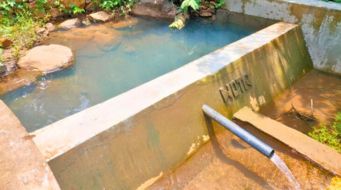
Borewell recharge structures are vital for communities to achieving sustainable water management practices that can mitigate groundwater depletion and ensure reliable access to clean water.
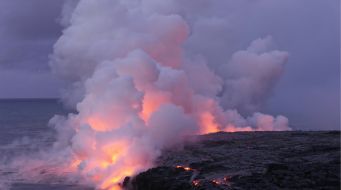
Odisha’s geothermal landscape holds immense potential, with untapped resources and exciting future prospects. Various initiatives are underway to explore and harness this energy, paving the way for sustainable development in the region.
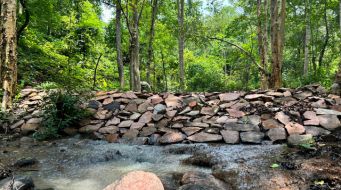
Soil erosion in Koriya, Chhattisgarh, threatens agriculture and infrastructure, requiring solutions like Loose Boulder Structures (LBS). LBS, a cost-effective method, controls erosion, conserves water, and supports local ecosystems.
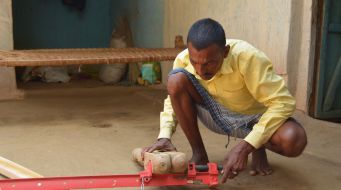
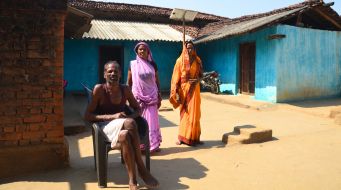
Suraj Lal turned his carpentry passion into a business, crafting furniture for his village with WOTR and AHB’s support. Similarly, Bir Singh and his team in Dungripara built a successful construction enterprise, creating a path to self-sufficiency.
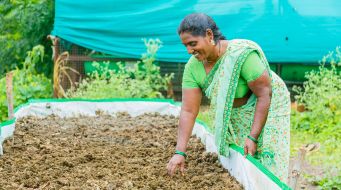
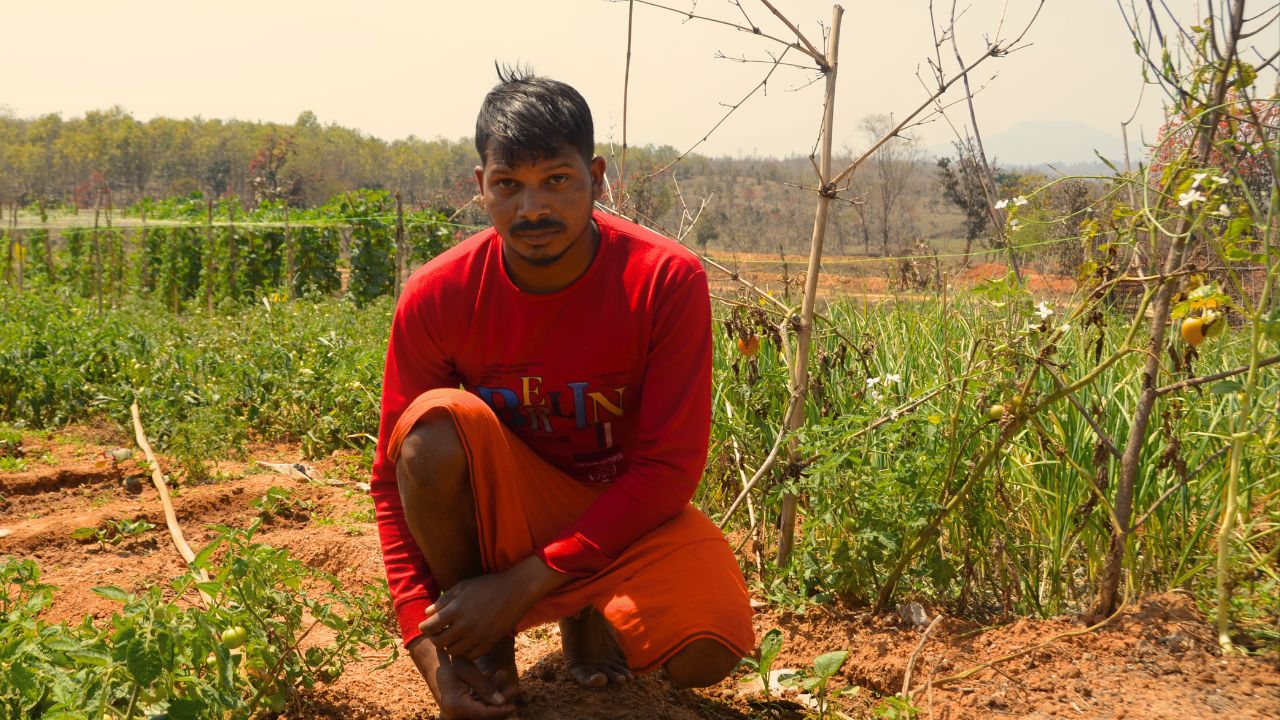
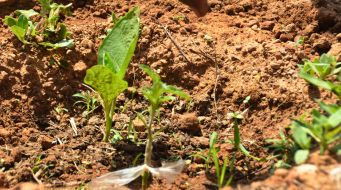
Sahulia Singh’s family, once reliant on a limited diet of rice and potatoes, now grows a variety of vegetables through WOTR’s kitchen garden initiative, improving their nutrition and reducing dependence on distant markets.
Phulman Singh and Ravi Marabi transformed their barren lands into thriving farms, bringing them closer to realising their dreams of building homes for their families.
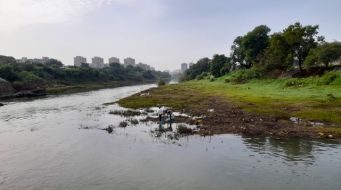
Urbanization and water scarcity are escalating challenges, but often overlooked, urban wetlands, offer crucial solutions. These vibrant ecosystems, found within or near cities, provide vital environmental benefits.
Diversion-Based Irrigation (DBI) merges ancient practices with modern technology, using gravity and slope to water crops without external energy. Understanding site conditions is crucial for successful DBI implementation, supporting sustainable agriculture.
Indigenous food systems sustain generations through women’s forest knowledge, biodiversity, and seasonal wisdom—now threatened by climate change. Discover their resilience.
An analogy for climate adaptation, showing that scientific expertise alone is not enough. It reminds us that the knowledge on the ground is equally important in making informed decisions
Maharashtra village, Gosasi, transforms chronic water scarcity into year-round security through watershed structures, women-led savings groups, and sustainable farming practices.