A Better Tomorrow

Stories, Practices, and Solutions

India, predominantly an agricultural nation, is currently facing a significant challenge in ensuring food security for its ever-growing population. With agriculture accounting for about 70% of the country’s water consumption, efficient water
As we celebrate World Water Day, it’s crucial to recognize the importance of accelerating change to solve the water and sanitation crisis that affects millions of people worldwide. With this year’s theme focusing on the need for urgent action, the Water

By Categories

By Tags

Paddy is the staple food for the majority of Narayanpet’s population and is grown in these parts extensively. Its cultivation has always been traditional, with farmers flooding the fields to grow it. Given the severe land and water constraints, WOTR decided to promote System of Rice Intensification (SRI) and System of Crop Intensification (SCI) amongst farmers under Axis Bank Foundation’s Sustainable Livelihoods Programme.
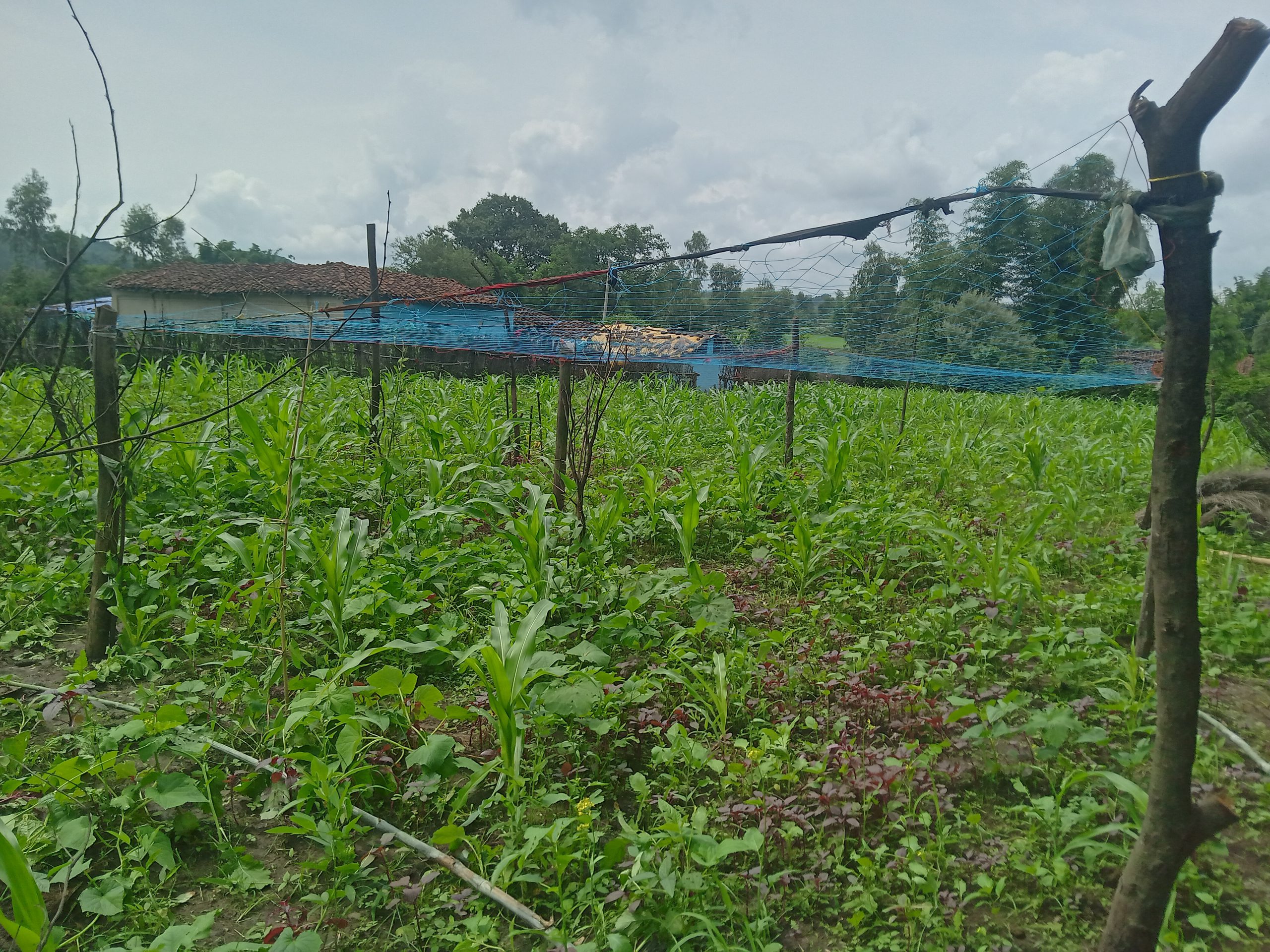
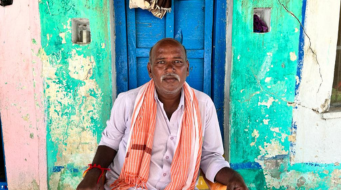
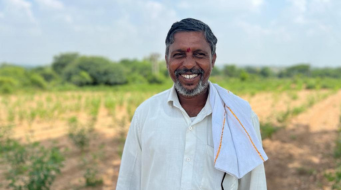
Singaram Budhundu, 58, is a marginal farmer who lives with his family of 8 in Chinnajetram village in Narayanpet, Telangana. He owns 2 acres of land, where he grows rice and red gram. Within a small place, Budhundu and his family members manage a small kitchen garden and grow vegetables like red chillies, brinjal, tomatoes, okra and cauliflower using water from the household tap.
Water is essential for life and a cornerstone of sustainable development. Climate change, population growth, increasing urbanisation, and unsustainable practices are placing unprecedented strain on global water resources. Achieving water security – the ability to ensure sufficient, safe and accessible water for everyone’s needs – has become a pressing challenge in the 21st century.
In many parts of rural India, patriarchal norms and social stigma confine women to the default role of a homemaker. HSBC’s ‘Promoting Entrepreneurship, Employment Opportunities, and Increased Incomes in Maharashtra’ programme, changed the lives of 1,700 women across 20 villages in Karjat and Shrigonda in Maharashtra, empowering them to become entrepreneurs. Defying tradition, these women today are building successful businesses and transforming their communities.
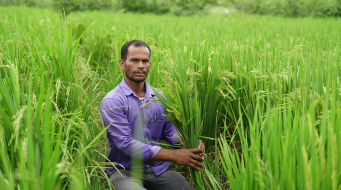
Kavili Bal Reddy, a farmer from Appireddipally in Narayanpet mandal owns 7.5 acres of land on which he has been growing paddy in both Kharif and Rabi season for decades. That’s when Reddy decided to do something different. As part of the Farmer Field School (FFS) organised by WOTR under the Axis Bank Foundation’s Sustainable Livelihoods Programme, Reddy learnt about the concept of cultivating Green Manure Crops (GMCs).
Bingi Ramulu, a 52-year-old farmer from Ammireddipally village in Narayanpet, had lost hope in his eleven-acre rainfed plot ever turning a profit. Determined for solutions, he joined one of the 15 Farmer Field Schools (FFSs) in Ammireddipally, part of the Axis Bank Foundation’s Sustainable Livelihoods Programme, run by WOTR.