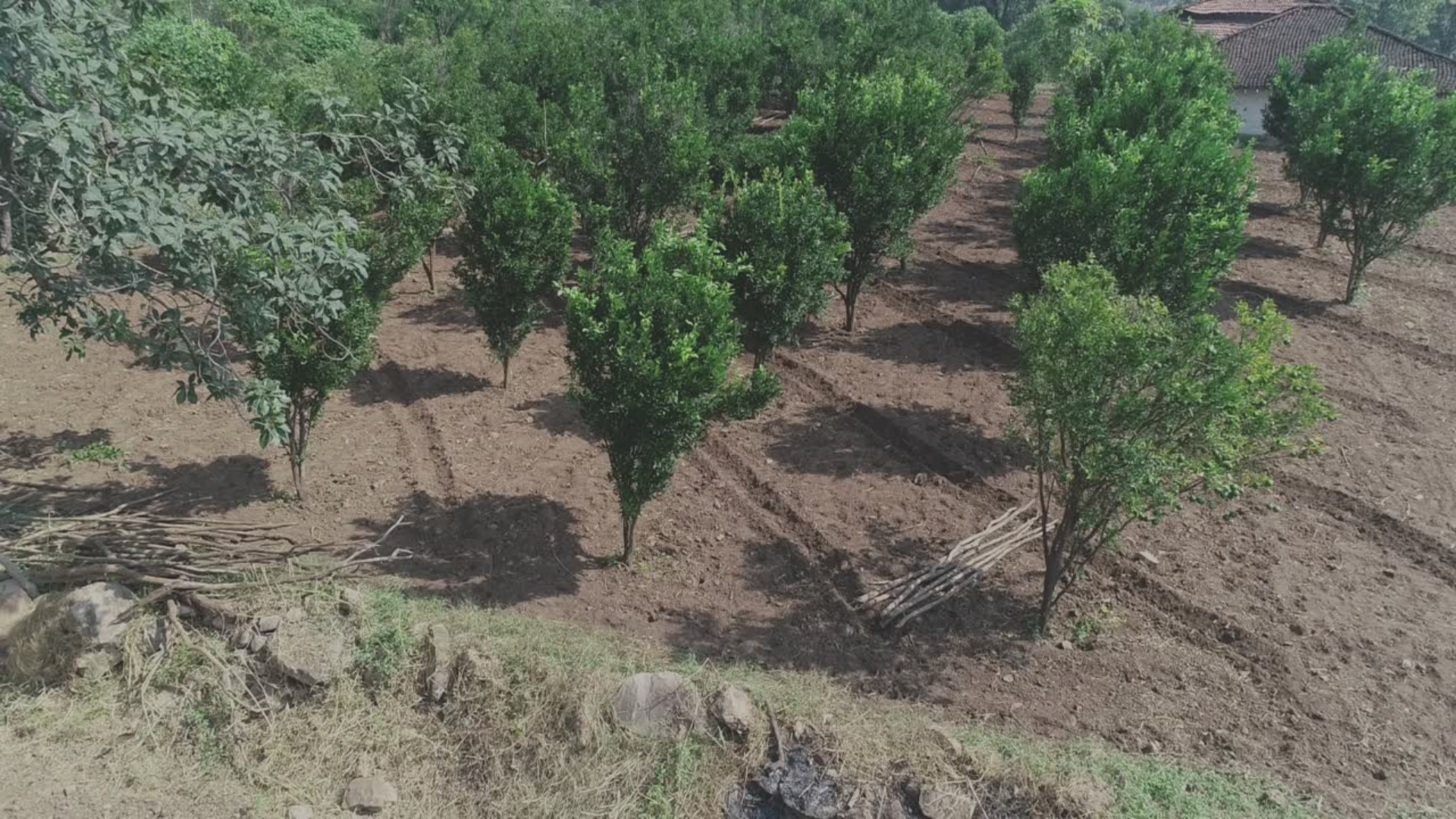
Deva Bhil’s journey with multilayer farming, supported by WOTR and funded by NABARD’s Farm Sector Promotion Fund, transformed his land into a sustainable source of nutritious vegetables and fruits, addressing his family’s nutritional challenges and boosting their income.
A Better Tomorrow
Stories, Practices, and Solutions
This story is from the booklet ‘Seeding Entrepreneurs: Stories of Women Entrepreneurs from Karjat and Shrigonda Blocks in Ahmednagar District, Maharashtra,’ published as a part of the ‘Promoting Entrepreneurship, Employment Opportunities, and Increased Incomes in Maharashtra’ programme of HSBC
This story is from the booklet ‘Seeding Entrepreneurs: Stories of Women Entrepreneurs from Karjat and Shrigonda Blocks in Ahmednagar District, Maharashtra,’ published as a part of the ‘Promoting Entrepreneurship, Employment Opportunities, and Increased Incomes in Maharashtra’ programme of HSBC.
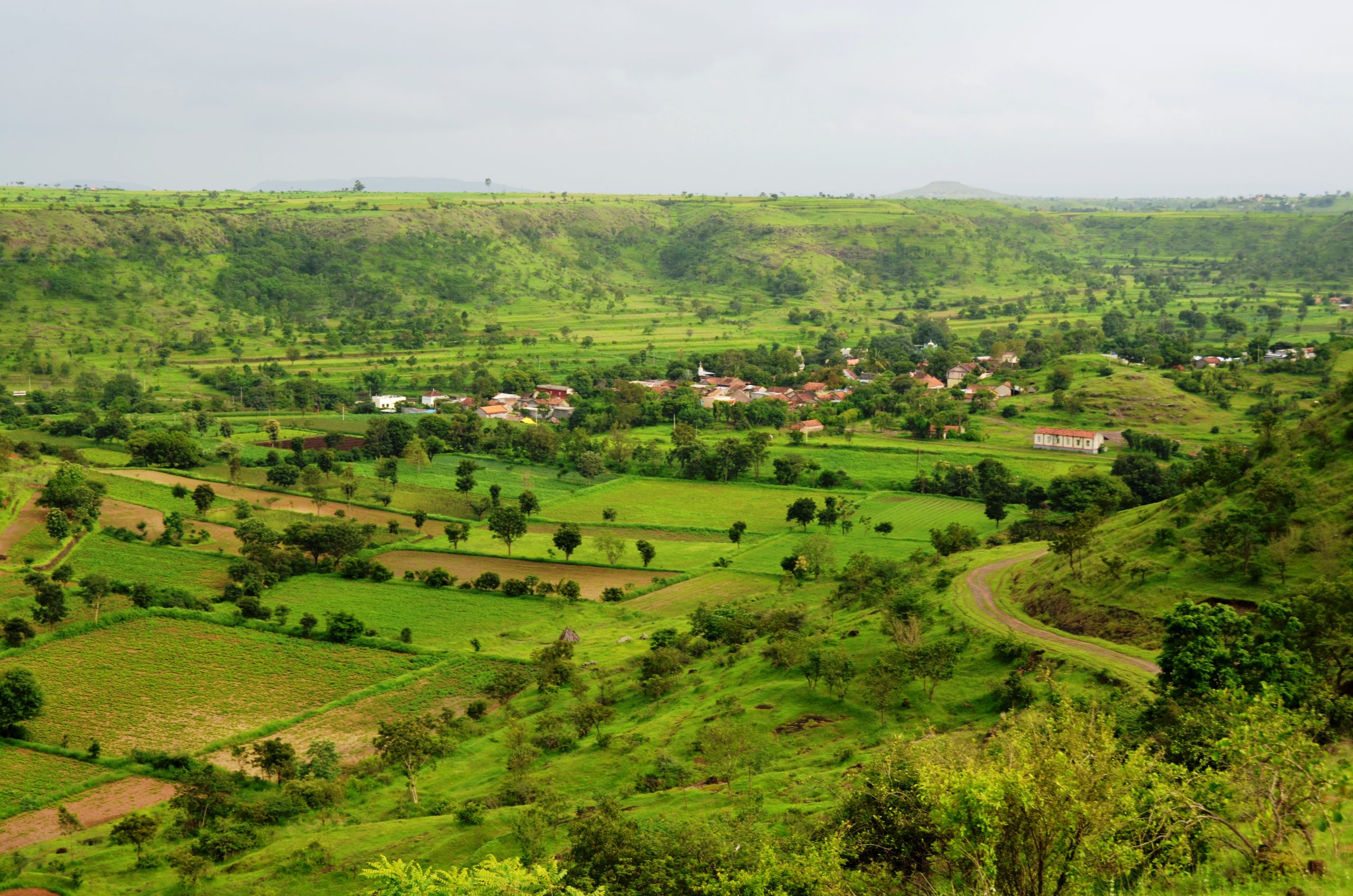
Rural communities in Jharkhand and Telangana, struggling to sustain their livelihoods, find hope through the Sustainable Livelihoods Programme, supported by Axis Bank Foundation. With diversified income streams, these communities now thrive, rewriting their stories of resilience and progress.
WOTR is tackling the devastating impact of climate change on rural livelihoods in India. With their project ‘Natural Resource Management and Improving Sustainable Livelihood Opportunities,’ they’re enhancing water conservation, livestock management, and microfinance in eight Chhindwara district villages. This initiative
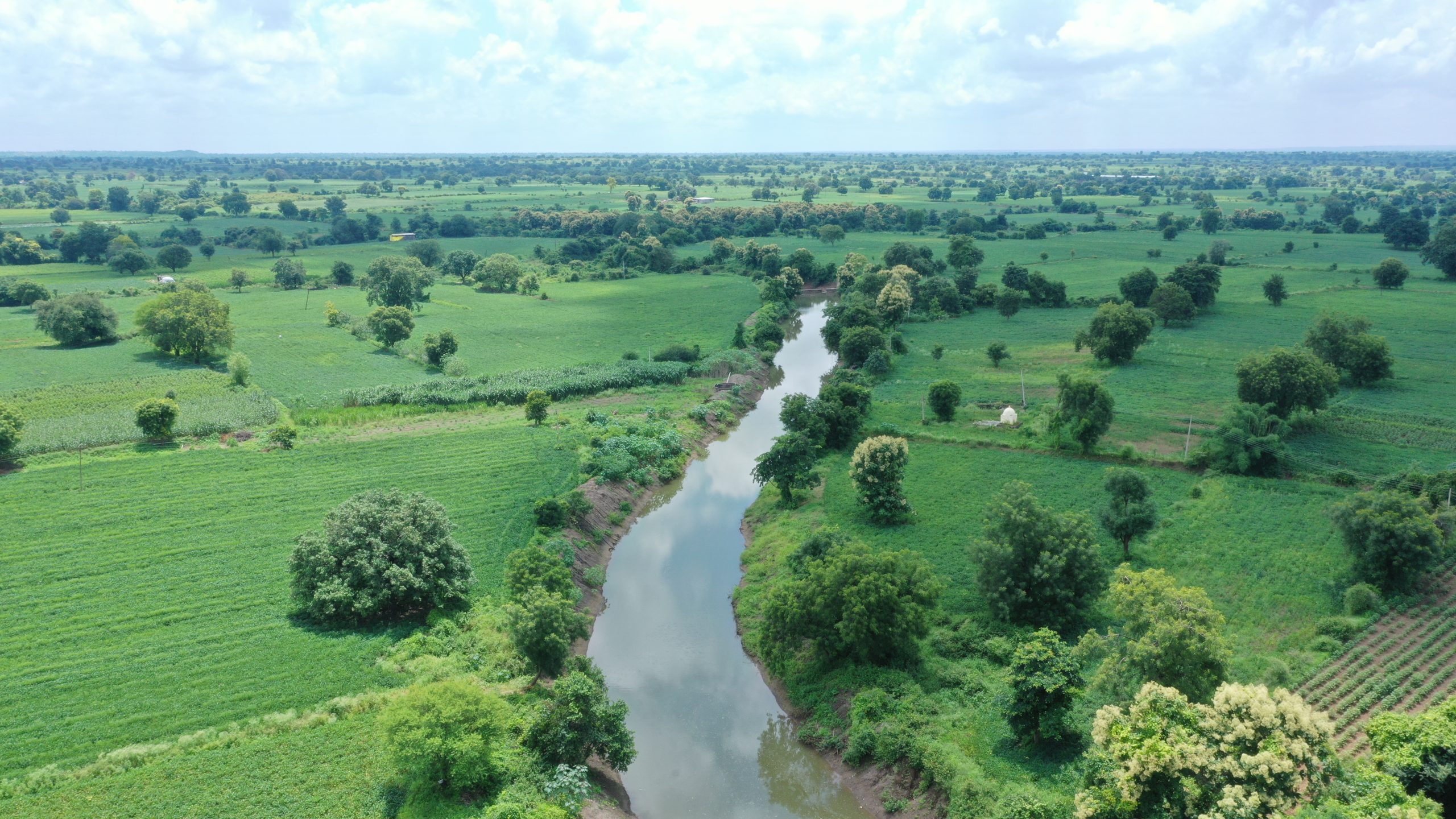
Jalna’s water-scarce rural communities found hope through the transformative PPCP project. Between 2014 and 2019, WOTR, in collaboration with Hindustan Unilever Foundation and the Maharashtra government, undertook an integrated watershed development initiative, leading to the empowerment of local communities. As a result, water levels have significantly improved, soil productivity has been revived, and farmers have gained newfound empowerment.
A study of the effectiveness of nearly two decades of nature based and human-centered interventions exemplifying the Ecosystem-based Adaptation (EbA) approach. by Shreya Banerjee
A study of the effectiveness of nearly two decades of nature based and human centered interventions exemplifying the Ecosystem-based Adaptation (EbA) approach. by Dada
Deva Bhil’s journey with multilayer farming, supported by WOTR and funded by NABARD’s Farm Sector Promotion Fund, transformed his land into a sustainable source of nutritious vegetables and fruits, addressing his family’s nutritional challenges and boosting their income.
This story is from the booklet ‘Seeding Entrepreneurs: Stories of Women Entrepreneurs from Karjat and Shrigonda Blocks in Ahmednagar District, Maharashtra,’ published as a part of the ‘Promoting Entrepreneurship, Employment Opportunities, and Increased Incomes in Maharashtra’ programme of HSBC
This story is from the booklet ‘Seeding Entrepreneurs: Stories of Women Entrepreneurs from Karjat and Shrigonda Blocks in Ahmednagar District, Maharashtra,’ published as a part of the ‘Promoting Entrepreneurship, Employment Opportunities, and Increased Incomes in Maharashtra’ programme of HSBC.
Rural communities in Jharkhand and Telangana, struggling to sustain their livelihoods, find hope through the Sustainable Livelihoods Programme, supported by Axis Bank Foundation. With diversified income streams, these communities now thrive, rewriting their stories of resilience and progress.
WOTR is tackling the devastating impact of climate change on rural livelihoods in India. With their project ‘Natural Resource Management and Improving Sustainable Livelihood Opportunities,’ they’re enhancing water conservation, livestock management, and microfinance in eight Chhindwara district villages. This initiative
Jalna’s water-scarce rural communities found hope through the transformative PPCP project. Between 2014 and 2019, WOTR, in collaboration with Hindustan Unilever Foundation and the Maharashtra government, undertook an integrated watershed development initiative, leading to the empowerment of local communities. As a result, water levels have significantly improved, soil productivity has been revived, and farmers have gained newfound empowerment.
A study of the effectiveness of nearly two decades of nature based and human-centered interventions exemplifying the Ecosystem-based Adaptation (EbA) approach. by Shreya Banerjee
A study of the effectiveness of nearly two decades of nature based and human centered interventions exemplifying the Ecosystem-based Adaptation (EbA) approach. by Dada
By Categories
By Tags
A story of how water stewardship empowered Bhagwat Gavande to become a trusted rural resource leader in his village
El Niño exposes hidden economic costs of degraded ecosystems, revealing why water stewardship and natural capital investment strengthen rural climate resilience.
Crop simulation reveals a startling truth: without adaptation, South Asian farmers could lose up to half their harvest by 2047. How can simulation help with adaptation?
Explore how 3D mapping of aquifers changed how Mhaswandi and Masai practice water stewardship.
Mangroves do far more than store carbon. They’re coastal shields, fish nurseries, biodiversity havens, and living systems tied to millions of lives.
How climate change affects women farmers in India, and the solutions they are building for a more resilient future.
Observed every year on 16 July, World Snake Day aims to dispel myths and raise awareness about one of the most misunderstood creatures on Earth.
This film tells the story of what changed when over 11,800 farmers came together to build their own Farmer Producer Companies