India faced severe heatwaves in 2024, with record-breaking temperatures and prolonged heat spells from April to May. Contributing factors included El Niño conditions, lack of pre-monsoon rains, and persistent anticyclones. Rising greenhouse gas emissions and climate change further intensified the heatwave’s severity, highlighting the urgent need for sustainable solutions.
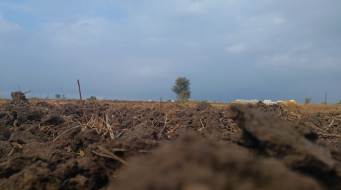
The fertile soil that sustains Indian agriculture is under siege. Unsustainable land-use practices have long contributed to its decline. Today, climate change is a powerful catalyst, intensifying soil degradation and erosion with alarming consequences. Safeguarding India’s soils is a fight against both climate change and food insecurity.
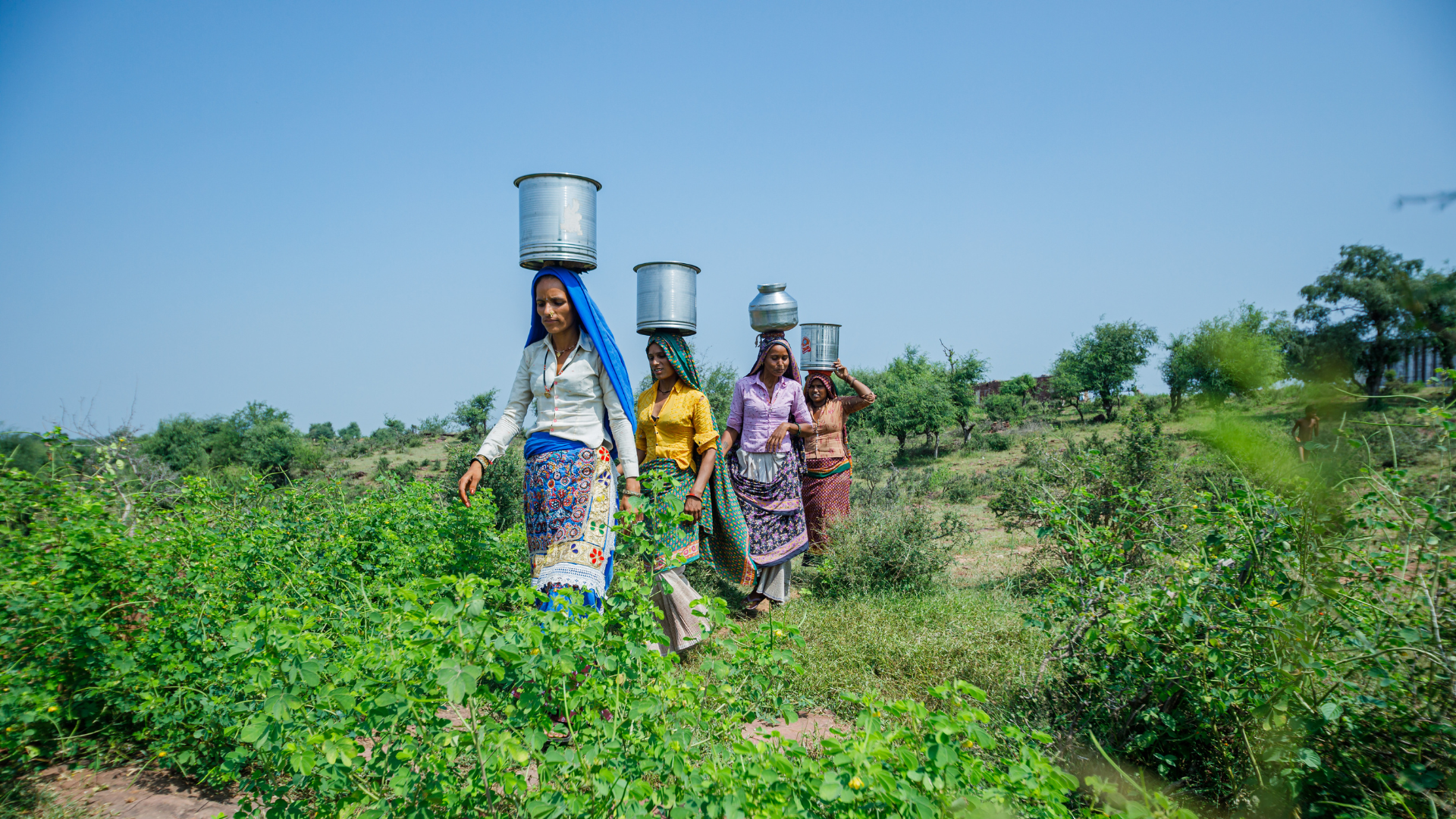
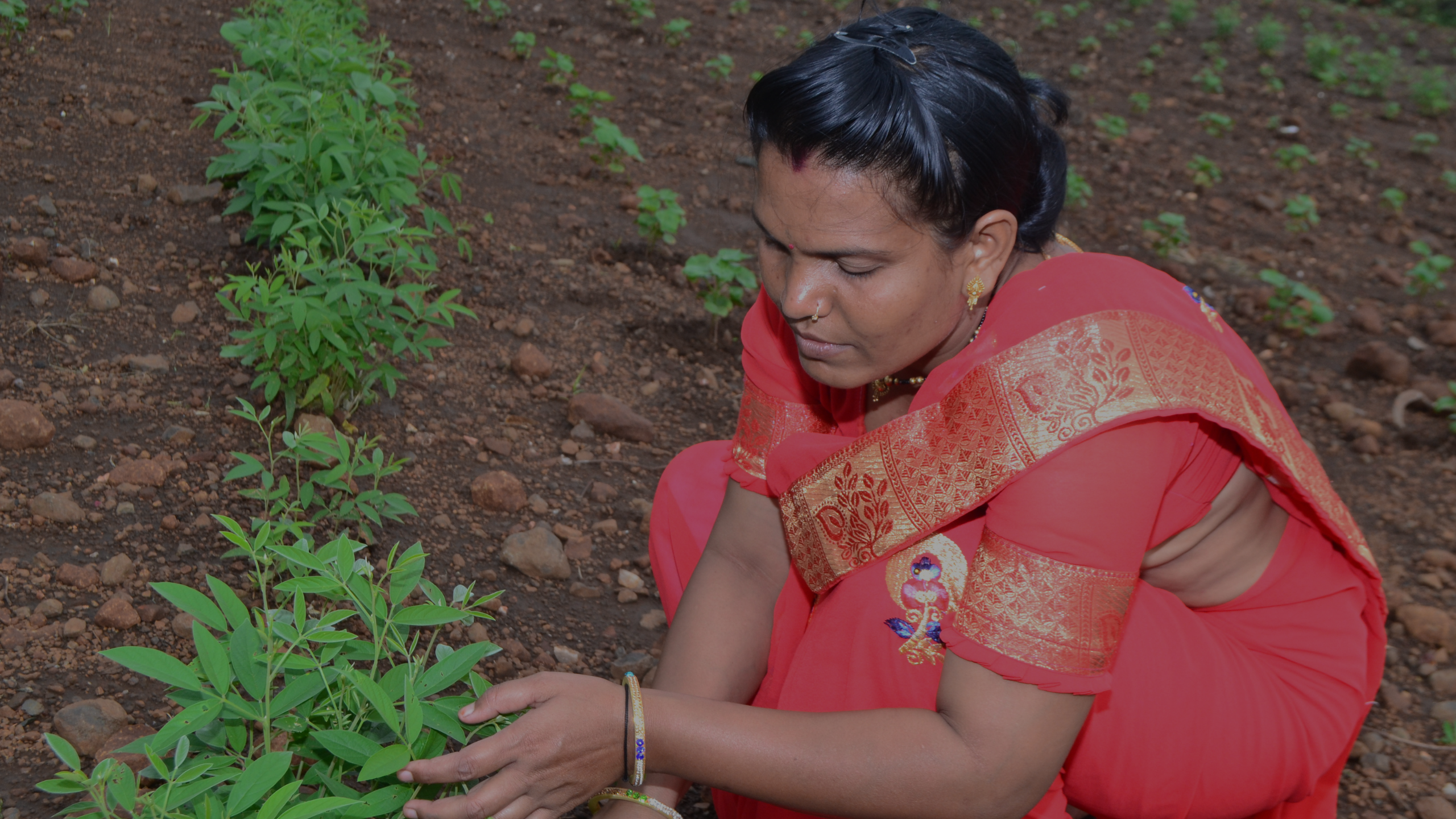
Beneath climate change’s disproportionate burden on rural women lies a story of strength, collaboration, and empowerment. On this International Day of Rural Women, let’s shift the narrative and applaud incredible tales of resilience like those we discovered in WOTR’s project villages in Ahmednagar
Every October 13th marks a pivotal moment of unity across the globe: The United Nations International Day for Natural Disaster Reduction. WOTR remains committed to transforming rural lives through sustainable water and climate-resilient practices, using EbA
In a momentous celebration that brought together communities, stakeholders, and visionaries, the ‘Climate Change Adaptation in Jafrabad’ project, a collaborative initiative between HDFC Bank Parivartan and WOTR marked its successful
Plankton, specifically cyanobacteria (a type of phytoplankton), are the pioneers of photosynthesis on Earth. Yet, when we think of aquatic life, our minds often jump to fish, birds, crabs, and plants. Rarely do we give a thought to plankton, the
India experiences diverse rainfall patterns due to its agro-climatic and ecological variations. Maharashtra, in particular, faces challenges related to erratic and insufficient rainfall, leading to vulnerability in agriculture. The onset of the
Tracing the historical evolution of global warming awareness from its origins in the late 1930s to its current status, it is a pressing global concern due to human activities like burning fossil fuels. The
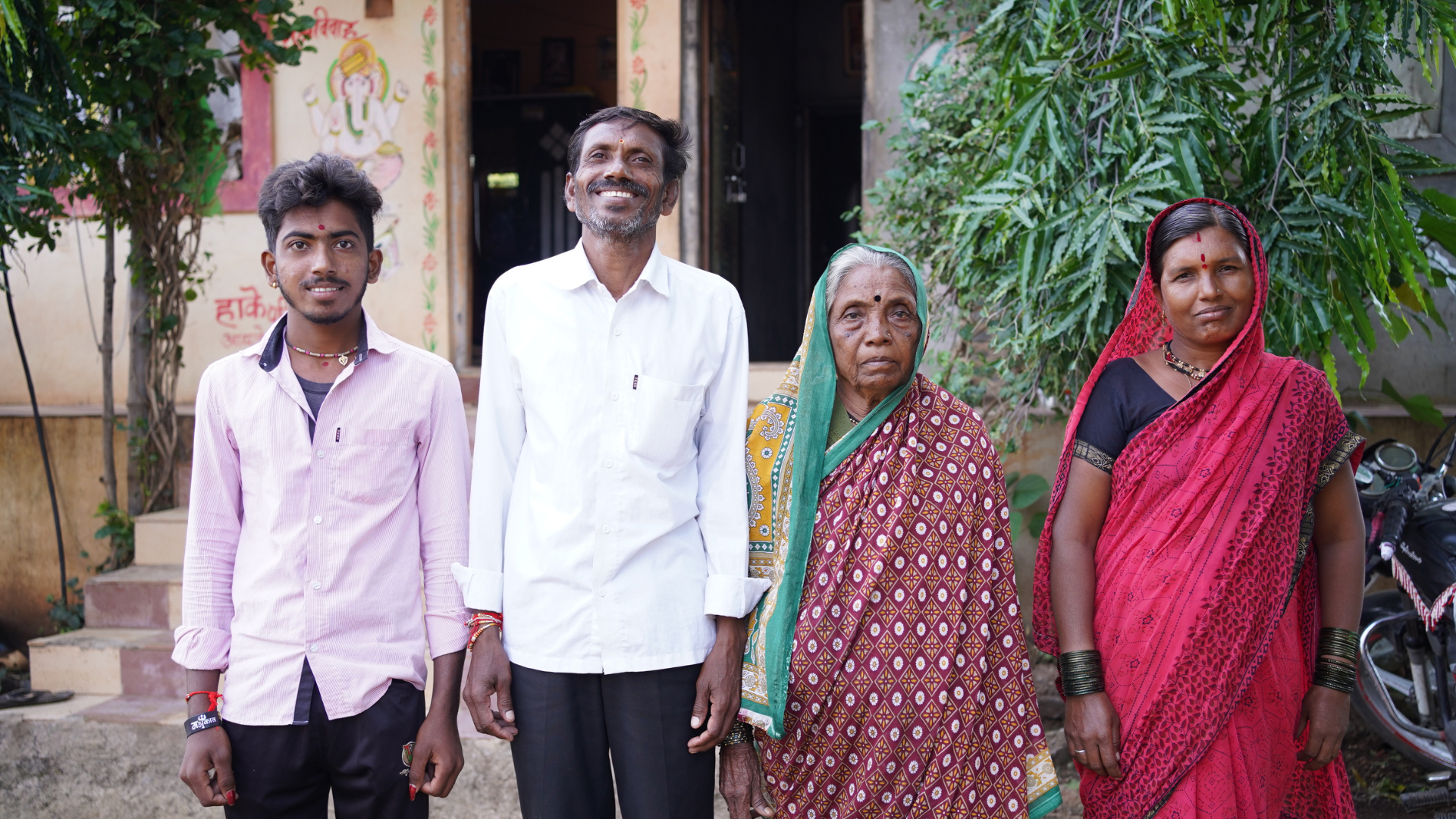
Kanta Golayit always harboured a deep-seated desire to cultivate her own land and reap a bountiful harvest. Despite the vast land she owned, the yield was dishearteningly meagre. With acute water scarcity and inadequate irrigation facilities
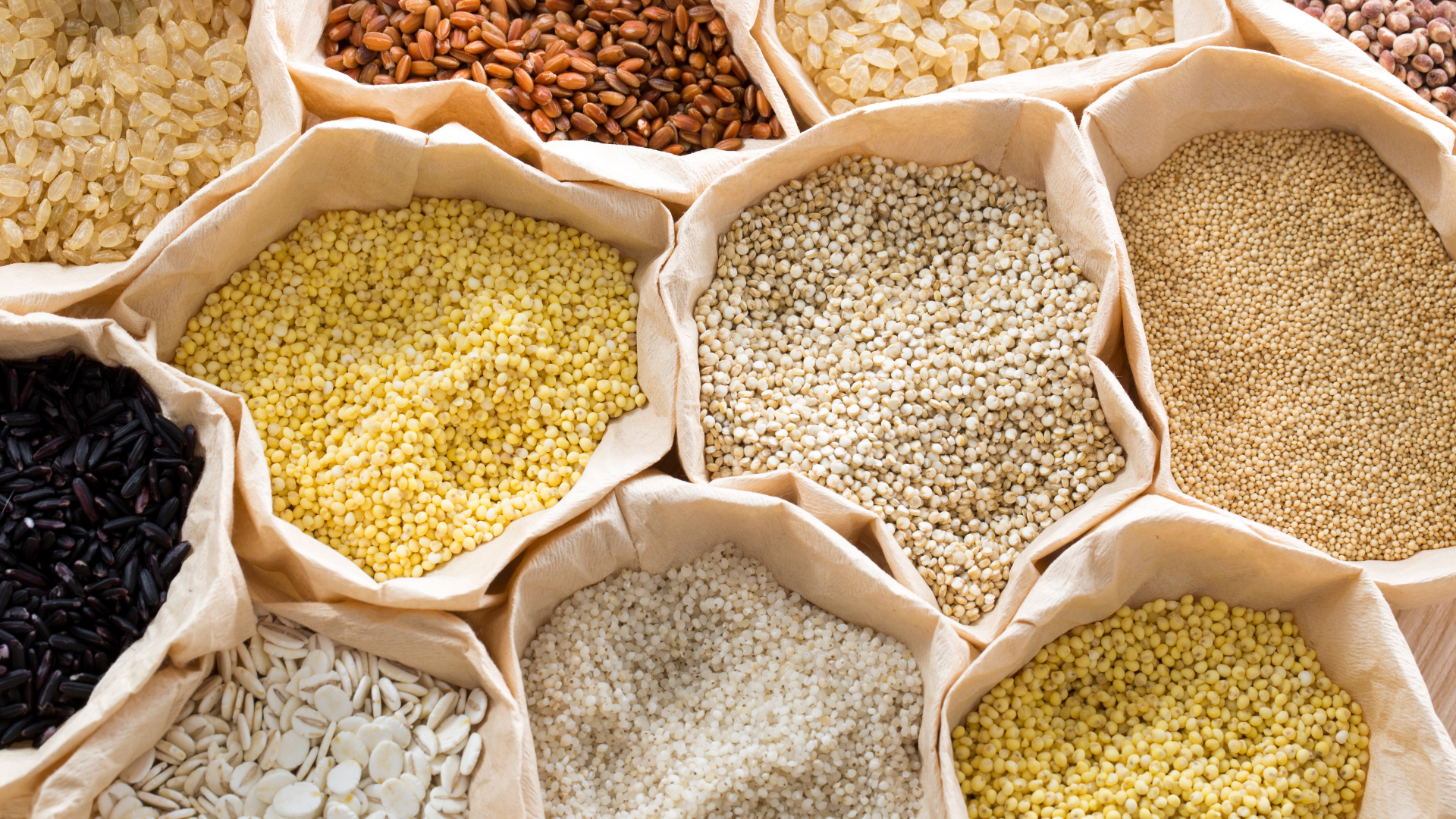
In a significant global acknowledgment, the Food and Agriculture Organization in conjunction with the United Nations, has declared 2023 as the International Year of Millets. This worldwide recognition serves to highlight the immense
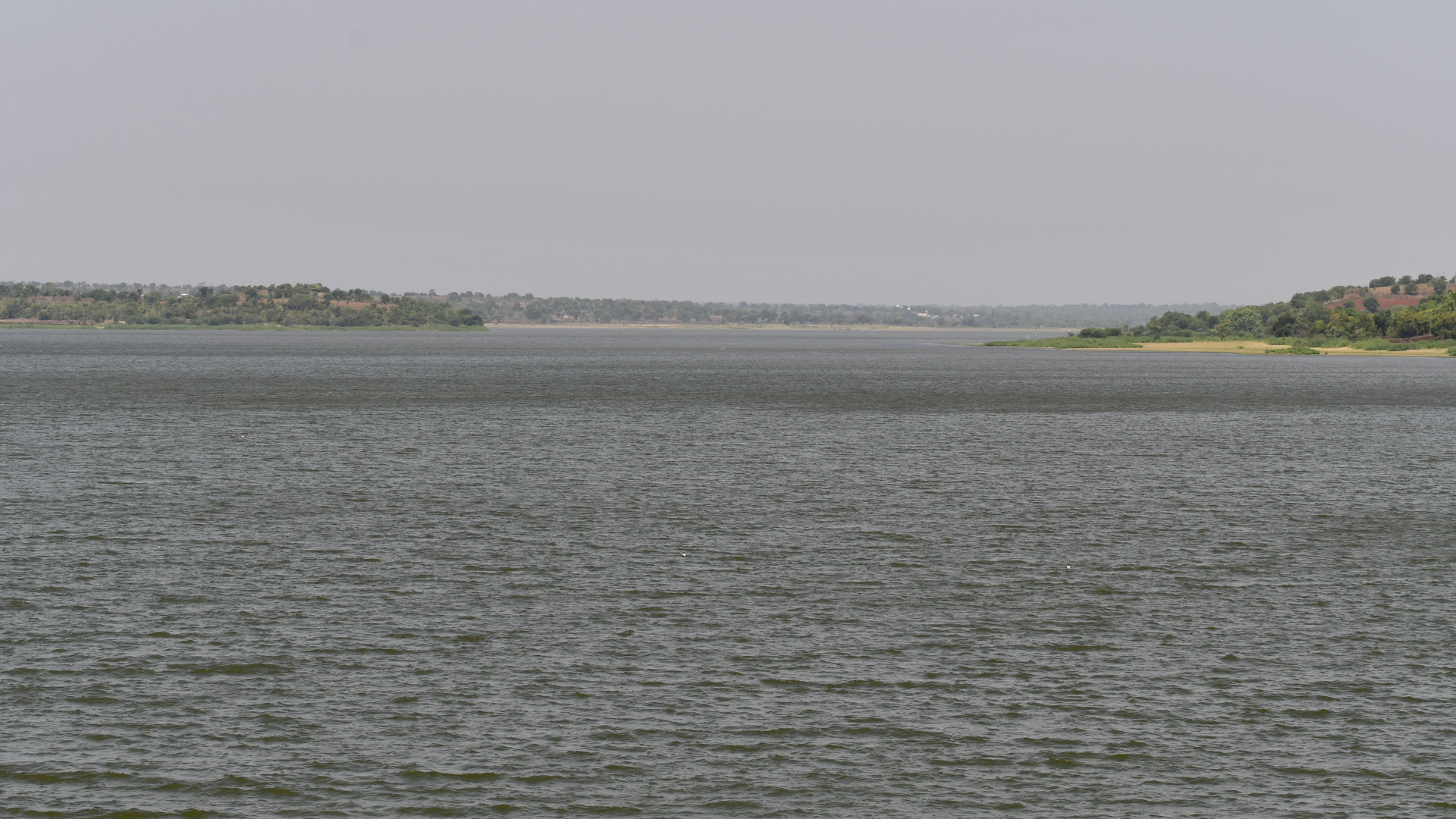
El Niño exposes hidden economic costs of degraded ecosystems, revealing why water stewardship and natural capital investment strengthen rural climate resilience.
Crop simulation reveals a startling truth: without adaptation, South Asian farmers could lose up to half their harvest by 2047. How can simulation help with adaptation?