Maharashtra, leads in implementing water harvesting initiatives, with over 99% of its 97,062 water bodies being artificial. W-CReS collaborated with ATE Chandra Foundation to assess the impact of rejuvenation of water bodies five years after implementation.
A Better Tomorrow
Stories, Practices, and Solutions
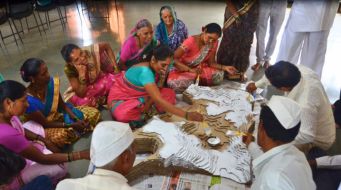
Borgaon Budruk’s Village Development Committee (VDC) and Village Water Management Teams (VWMT) have successfully addressed water scarcity through community-driven water conservation efforts, significantly improving local conditions.
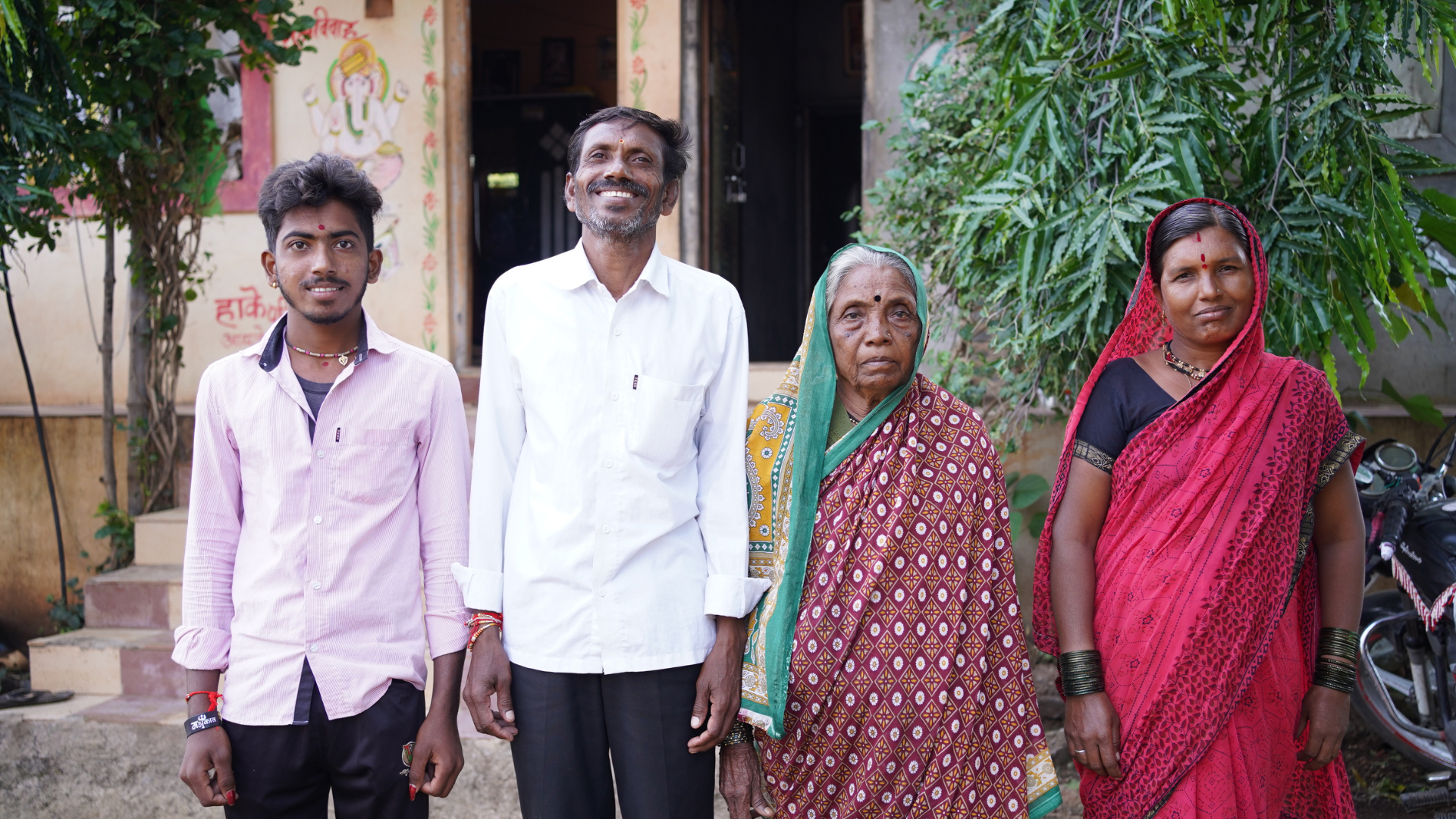
Shyam Motiram Jadhav and his wife, Vaishali Jadhav, have successfully increased their farm’s productivity and earnings by using a sprinkler system to grow brinjals, which require less water and yield higher profits compared to maize.
In rural Maharashtra, communities have become water stewards with support from WOTR. Villages like Borgaon Math and Bori Khurd have adopted rainwater harvesting, micro-irrigation, and organic farming, boosting water availability and crop yields.
India faced severe heatwaves in 2024, with record-breaking temperatures and prolonged heat spells from April to May. Contributing factors included El Niño conditions, lack of pre-monsoon rains, and persistent anticyclones. Rising greenhouse gas emissions and climate change further intensified the heatwave’s severity, highlighting the urgent need for sustainable solutions.
As scorching heatwaves become increasingly common in India, rural communities face heightened risks from heat stress. This blog post explores the nature of heatwaves, the impact of moist and dry heat stress, and the specific challenges rural India confronts. With limited infrastructure, reliance on outdoor labor, and water scarcity exacerbating the situation, the health and economic consequences are severe.
Adaptation to climate change is vital for resilience amidst rising sea levels and erratic weather patterns. Key strategies include protecting coastlines, ensuring food security, conserving water, investing in renewable energy, disaster preparedness, and protecting ecosystems.
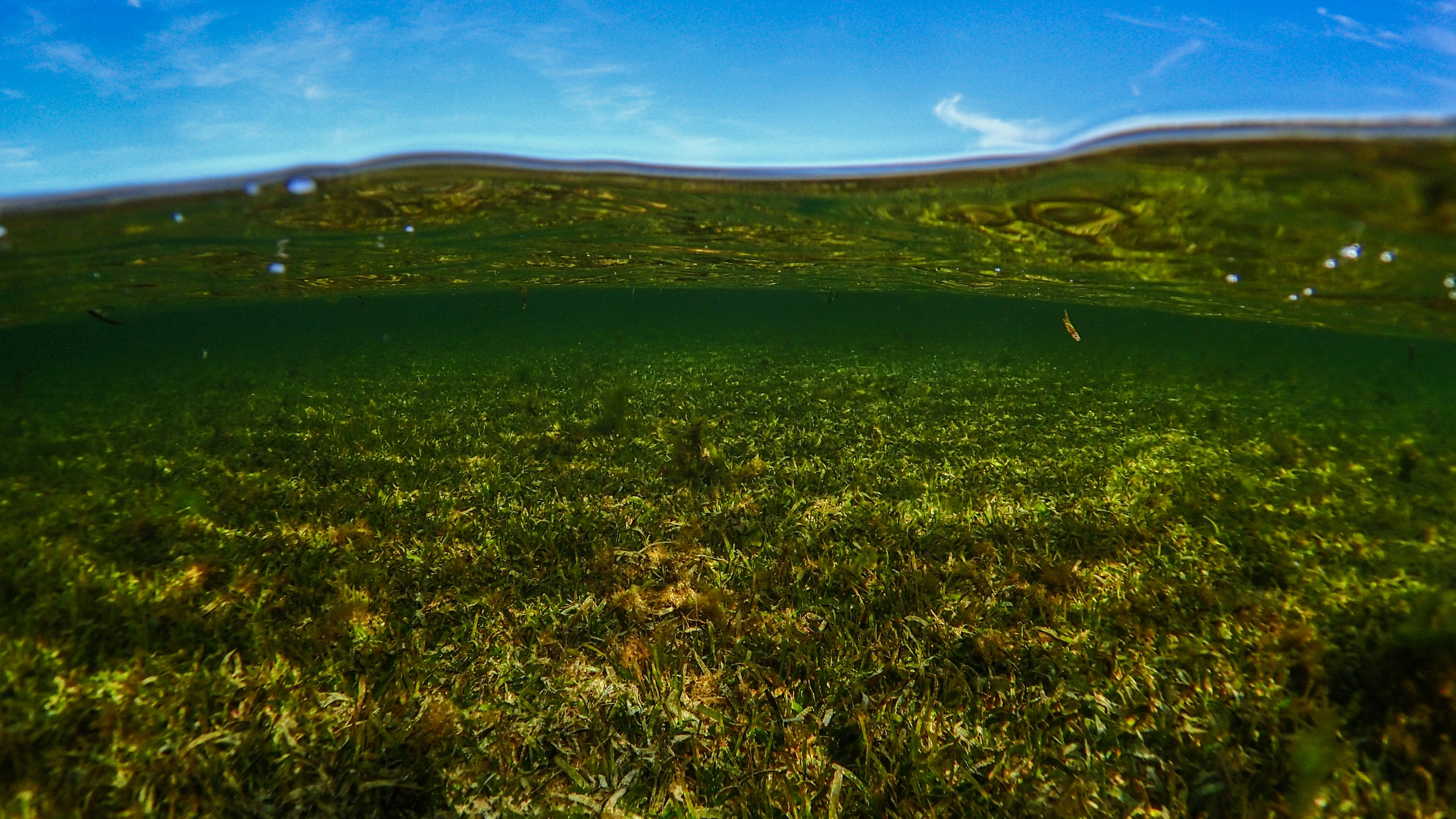
This blog will cover blue carbon, highlighting its role in climate change mitigation and adaptation. It will help us understand its significance in combatting climate change and protecting the planet.
Rural communities in Jharkhand and Telangana, struggling to sustain their livelihoods, find hope through the Sustainable Livelihoods Programme, supported by Axis Bank Foundation. With diversified income streams, these communities now thrive, rewriting their stories of resilience and progress.
Every October 13th marks a pivotal moment of unity across the globe: The United Nations International Day for Natural Disaster Reduction. WOTR remains committed to transforming rural lives through sustainable water and climate-resilient practices, using EbA
Maharashtra, leads in implementing water harvesting initiatives, with over 99% of its 97,062 water bodies being artificial. W-CReS collaborated with ATE Chandra Foundation to assess the impact of rejuvenation of water bodies five years after implementation.
Borgaon Budruk’s Village Development Committee (VDC) and Village Water Management Teams (VWMT) have successfully addressed water scarcity through community-driven water conservation efforts, significantly improving local conditions.
Shyam Motiram Jadhav and his wife, Vaishali Jadhav, have successfully increased their farm’s productivity and earnings by using a sprinkler system to grow brinjals, which require less water and yield higher profits compared to maize.
In rural Maharashtra, communities have become water stewards with support from WOTR. Villages like Borgaon Math and Bori Khurd have adopted rainwater harvesting, micro-irrigation, and organic farming, boosting water availability and crop yields.
India faced severe heatwaves in 2024, with record-breaking temperatures and prolonged heat spells from April to May. Contributing factors included El Niño conditions, lack of pre-monsoon rains, and persistent anticyclones. Rising greenhouse gas emissions and climate change further intensified the heatwave’s severity, highlighting the urgent need for sustainable solutions.
As scorching heatwaves become increasingly common in India, rural communities face heightened risks from heat stress. This blog post explores the nature of heatwaves, the impact of moist and dry heat stress, and the specific challenges rural India confronts. With limited infrastructure, reliance on outdoor labor, and water scarcity exacerbating the situation, the health and economic consequences are severe.
Adaptation to climate change is vital for resilience amidst rising sea levels and erratic weather patterns. Key strategies include protecting coastlines, ensuring food security, conserving water, investing in renewable energy, disaster preparedness, and protecting ecosystems.
This blog will cover blue carbon, highlighting its role in climate change mitigation and adaptation. It will help us understand its significance in combatting climate change and protecting the planet.
Rural communities in Jharkhand and Telangana, struggling to sustain their livelihoods, find hope through the Sustainable Livelihoods Programme, supported by Axis Bank Foundation. With diversified income streams, these communities now thrive, rewriting their stories of resilience and progress.
Every October 13th marks a pivotal moment of unity across the globe: The United Nations International Day for Natural Disaster Reduction. WOTR remains committed to transforming rural lives through sustainable water and climate-resilient practices, using EbA
By Categories
By Tags
A story of how water stewardship empowered Bhagwat Gavande to become a trusted rural resource leader in his village
El Niño exposes hidden economic costs of degraded ecosystems, revealing why water stewardship and natural capital investment strengthen rural climate resilience.
Crop simulation reveals a startling truth: without adaptation, South Asian farmers could lose up to half their harvest by 2047. How can simulation help with adaptation?
Explore how 3D mapping of aquifers changed how Mhaswandi and Masai practice water stewardship.
Mangroves do far more than store carbon. They’re coastal shields, fish nurseries, biodiversity havens, and living systems tied to millions of lives.
How climate change affects women farmers in India, and the solutions they are building for a more resilient future.
Observed every year on 16 July, World Snake Day aims to dispel myths and raise awareness about one of the most misunderstood creatures on Earth.
This film tells the story of what changed when over 11,800 farmers came together to build their own Farmer Producer Companies