Despite its humble beginnings, WOTR has carved out its identity as one of the most trusted Indian non-profits in Integrated Watershed Development, Water Resources Management, environment conservation and climate change adaptation.
A Better Tomorrow
Stories, Practices, and Solutions
India is mostly a rural country. According to the 2011 Census, 68.8% of the population and 72.4% of the work force live in rural areas (Chand et al., 2017). 46% of the country’s income comes from the rural economy (Economic Times, 2021). 46% of the country’s income
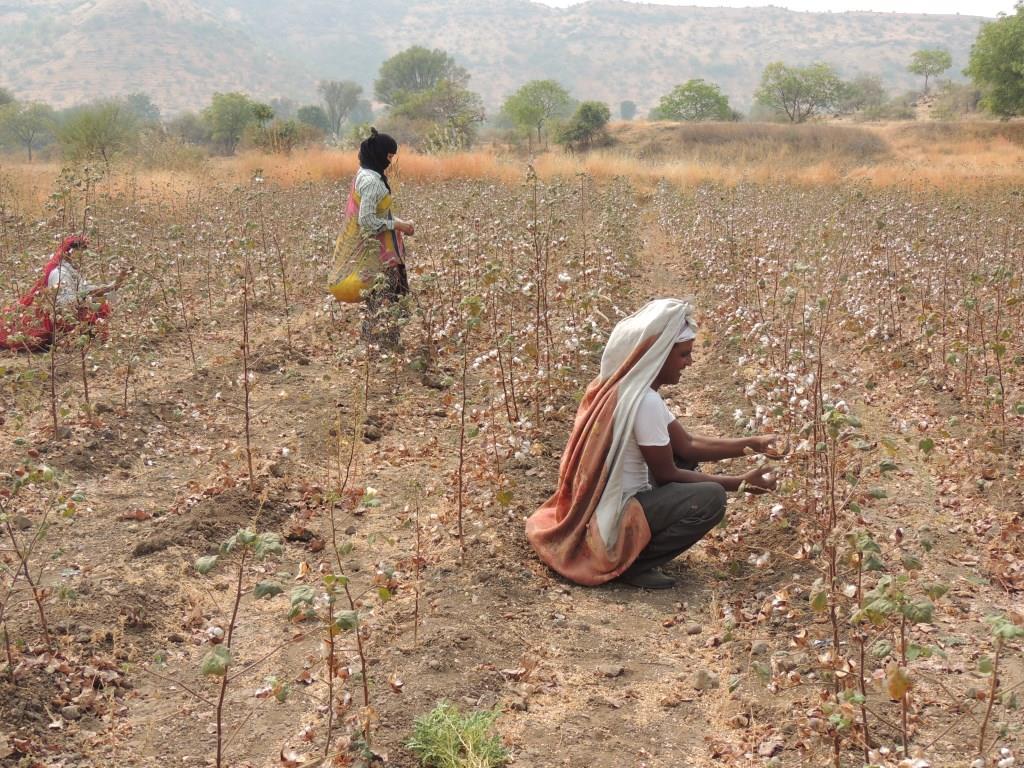
India is the second largest producer of rice, wheat, sugarcane, groundnut, vegetables, fruit, and cotton and the largest producer of milk, pulses, and jute in the world. As an agrarian country, 70% of India’s rural population depends on agriculture as their
Enough has been said about the looming water crisis that is getting worse with each passing day. Despite all the warnings, the efforts for water conservation and management have been abysmally sluggish. The situation is even more
The repercussions of climate change are becoming increasingly real and frightening with each passing day. While global warming has had a significant impact on modern agriculture, interestingly, the sector is also one of the contributors to climate
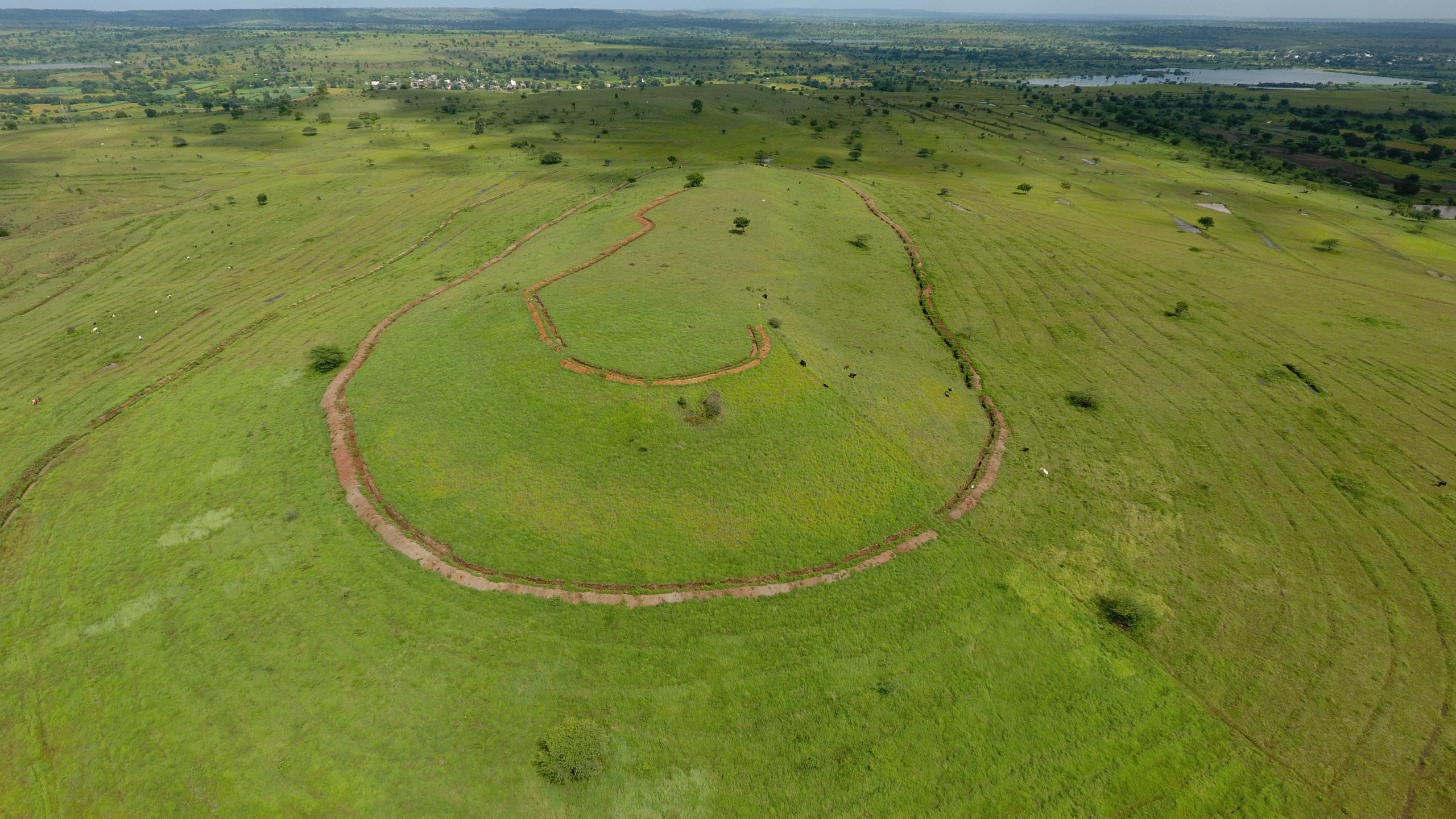
Land resources are vital in supporting physical, social, and economic infrastructure and activities. Functions such as agriculture, watershed management, forestation, mining, transport, and development
We only have one earth – only one place in the whole wide world that we can call home. An earth to live, laugh, grow, and breathe in. The slogan, ‘Only One Earth’, at the 1972 Stockholm conference rings true even today, fifty years later. Yet, like
Well-functioning ecosystems form the bedrock of planetary health and human survival. With increased degradation of habitats and waning ecosystem functions, the threat of ecosystem collapse is more real than ever. Research shows a
Just like art and music, nature is the common thread that frees us from all physical and social boundaries, connecting us to the larger aspects of life. The vastness of forests and deserts, the depth of oceans, and the dynamism of biological diversity
Despite its humble beginnings, WOTR has carved out its identity as one of the most trusted Indian non-profits in Integrated Watershed Development, Water Resources Management, environment conservation and climate change adaptation.
India is mostly a rural country. According to the 2011 Census, 68.8% of the population and 72.4% of the work force live in rural areas (Chand et al., 2017). 46% of the country’s income comes from the rural economy (Economic Times, 2021). 46% of the country’s income
India is the second largest producer of rice, wheat, sugarcane, groundnut, vegetables, fruit, and cotton and the largest producer of milk, pulses, and jute in the world. As an agrarian country, 70% of India’s rural population depends on agriculture as their
Enough has been said about the looming water crisis that is getting worse with each passing day. Despite all the warnings, the efforts for water conservation and management have been abysmally sluggish. The situation is even more
The repercussions of climate change are becoming increasingly real and frightening with each passing day. While global warming has had a significant impact on modern agriculture, interestingly, the sector is also one of the contributors to climate
Land resources are vital in supporting physical, social, and economic infrastructure and activities. Functions such as agriculture, watershed management, forestation, mining, transport, and development
We only have one earth – only one place in the whole wide world that we can call home. An earth to live, laugh, grow, and breathe in. The slogan, ‘Only One Earth’, at the 1972 Stockholm conference rings true even today, fifty years later. Yet, like
Well-functioning ecosystems form the bedrock of planetary health and human survival. With increased degradation of habitats and waning ecosystem functions, the threat of ecosystem collapse is more real than ever. Research shows a
Just like art and music, nature is the common thread that frees us from all physical and social boundaries, connecting us to the larger aspects of life. The vastness of forests and deserts, the depth of oceans, and the dynamism of biological diversity
By Categories
By Tags
A story of how water stewardship empowered Bhagwat Gavande to become a trusted rural resource leader in his village
El Niño exposes hidden economic costs of degraded ecosystems, revealing why water stewardship and natural capital investment strengthen rural climate resilience.
Crop simulation reveals a startling truth: without adaptation, South Asian farmers could lose up to half their harvest by 2047. How can simulation help with adaptation?
Explore how 3D mapping of aquifers changed how Mhaswandi and Masai practice water stewardship.
Mangroves do far more than store carbon. They’re coastal shields, fish nurseries, biodiversity havens, and living systems tied to millions of lives.
How climate change affects women farmers in India, and the solutions they are building for a more resilient future.
Observed every year on 16 July, World Snake Day aims to dispel myths and raise awareness about one of the most misunderstood creatures on Earth.
This film tells the story of what changed when over 11,800 farmers came together to build their own Farmer Producer Companies