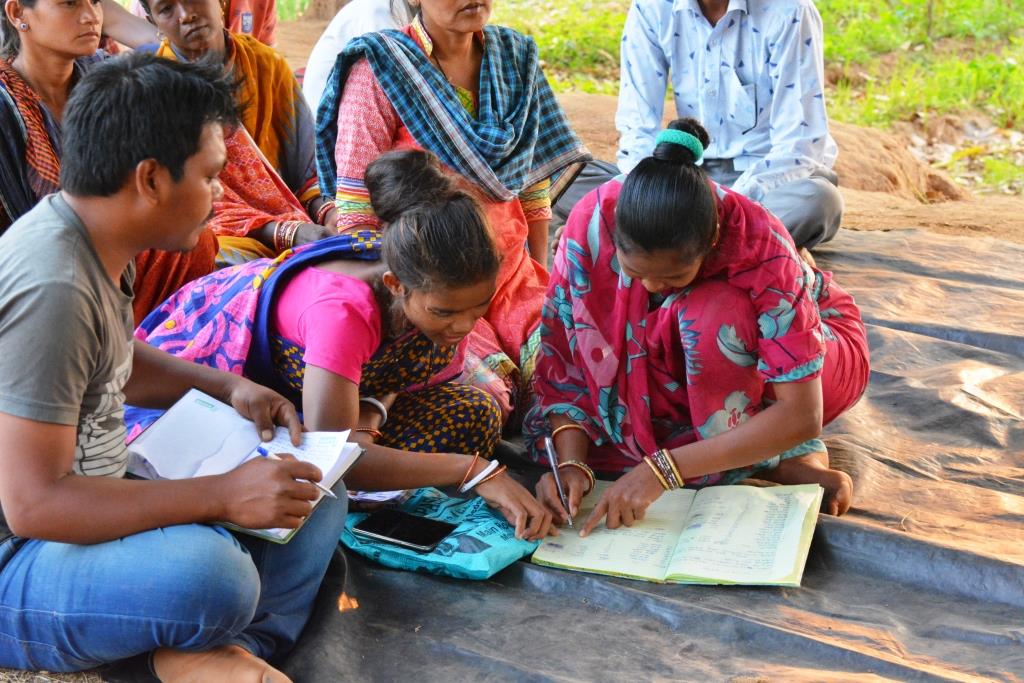
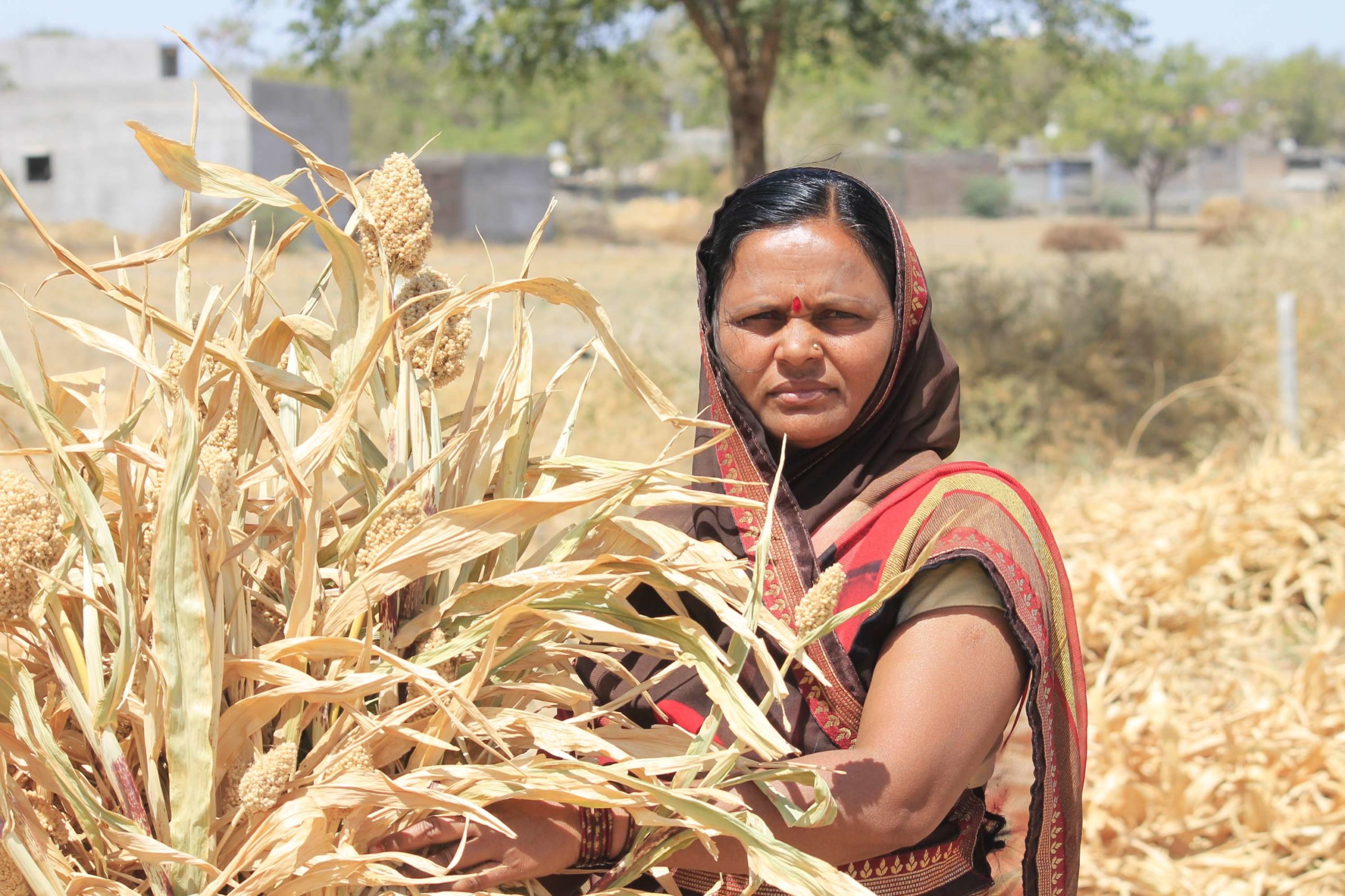
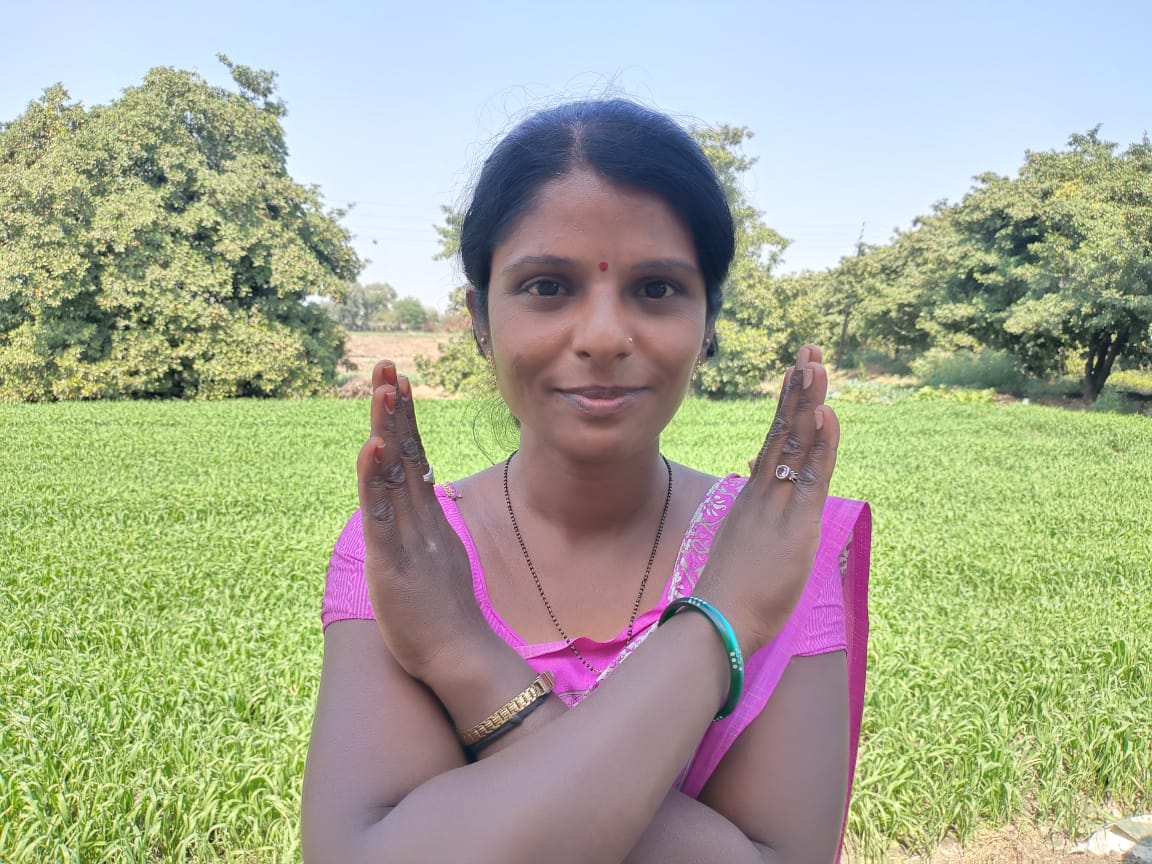
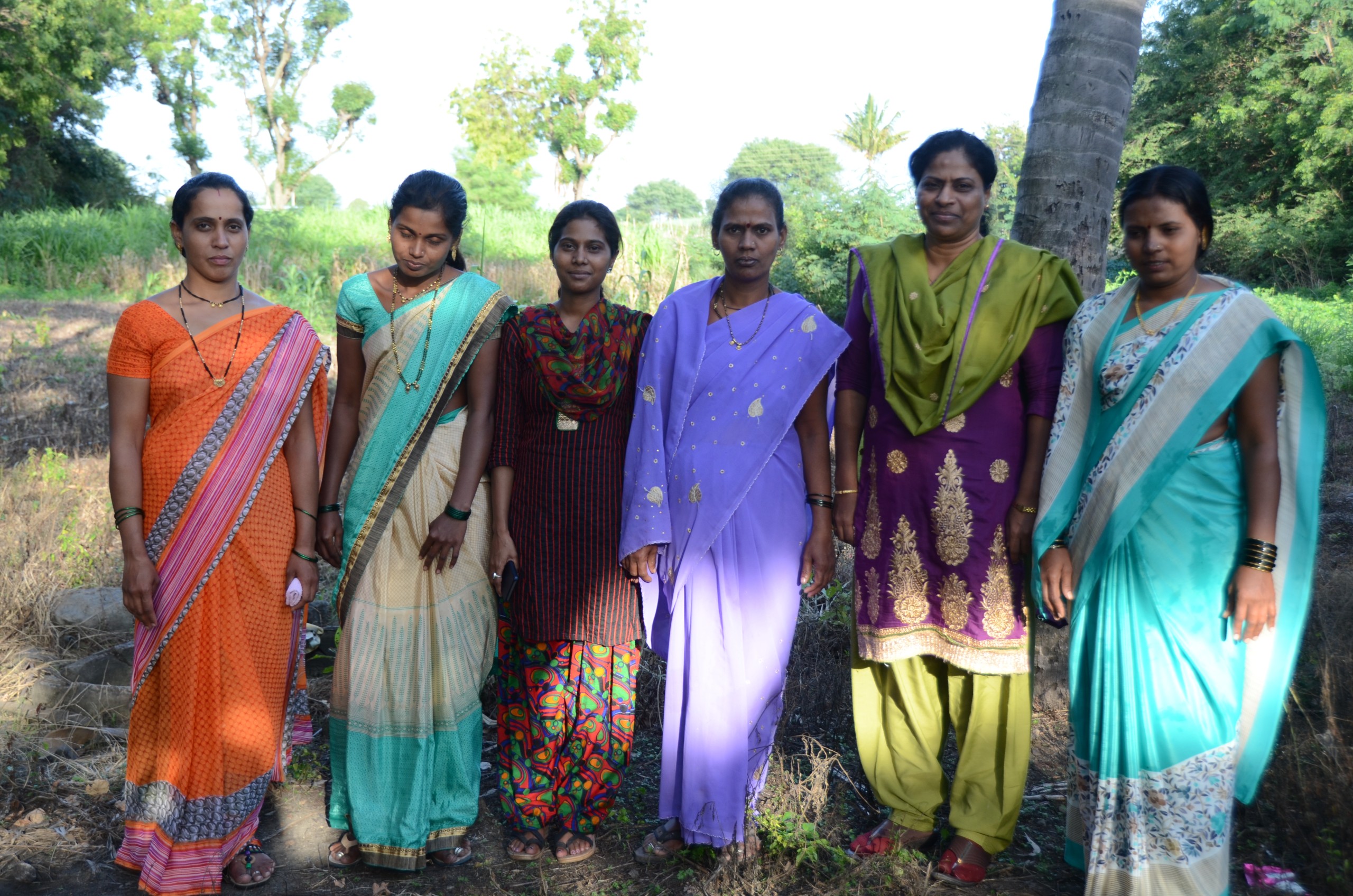
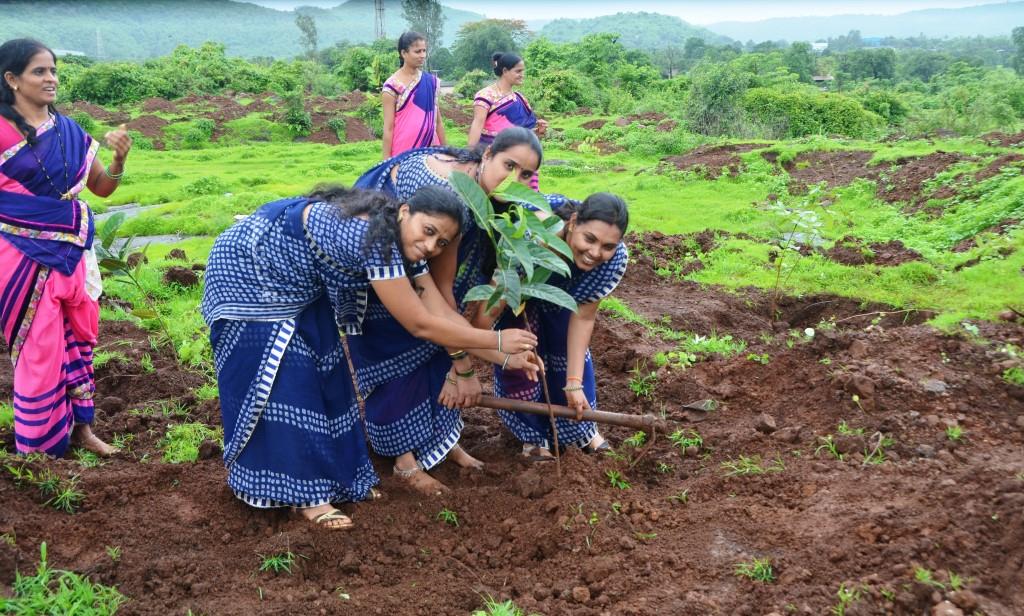
In this context, the ‘Pashu Sakhis’ programme trains local women to become Community Animal Care Service Providers (CASP). These Pashu Sakhis offer essential livestock care and guidance, empowering rural women and improving animal health.
A Better Tomorrow
Stories, Practices, and Solutions
Kanta Golayit always harboured a deep-seated desire to cultivate her own land and reap a bountiful harvest. Despite the vast land she owned, the yield was dishearteningly meagre. With acute water scarcity and inadequate irrigation facilities
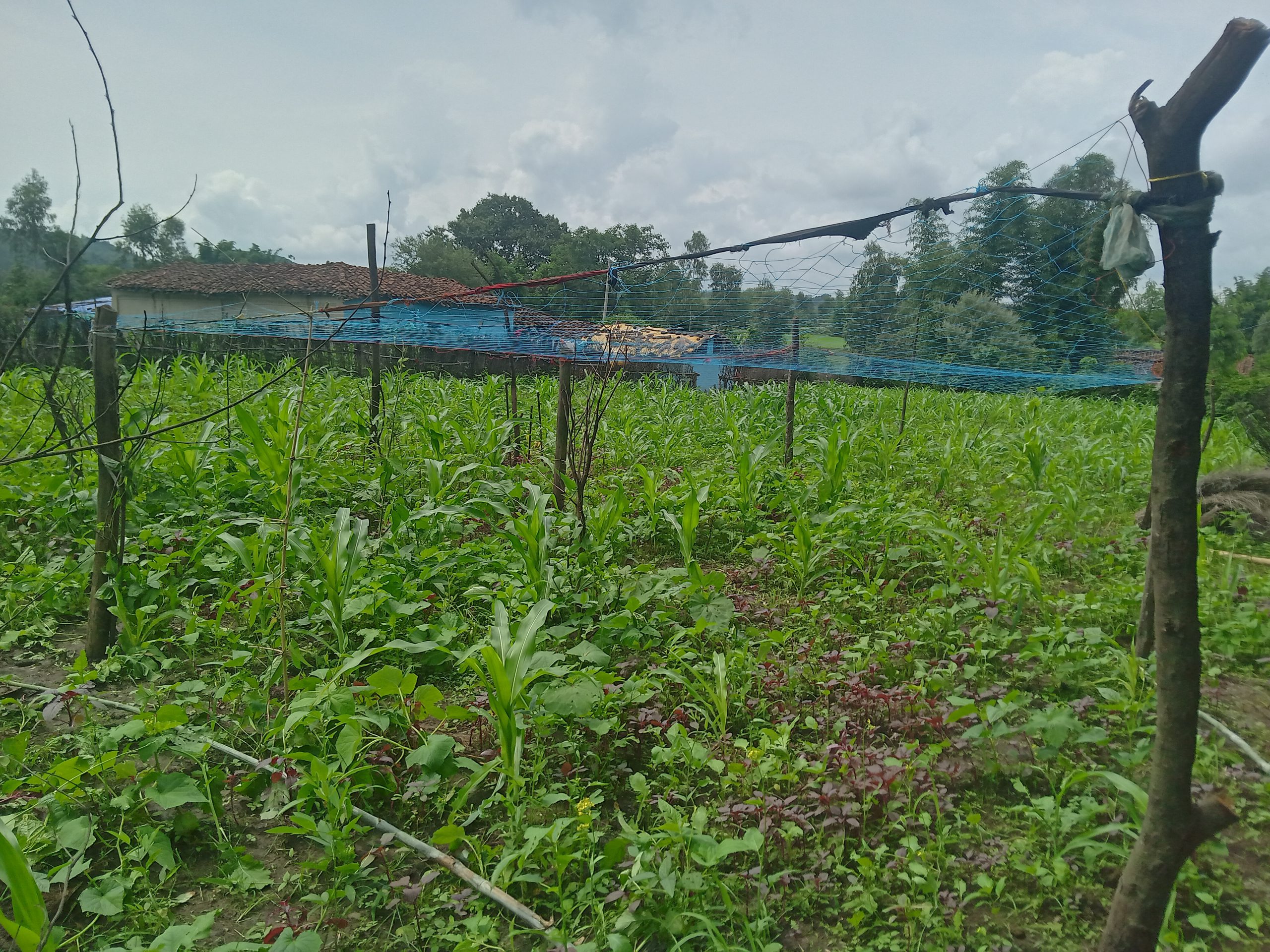
Nestled in the backyards of homes, kitchen gardens—often known as backyard gardens—serve as intimate, small-scale havens for growing an enchanting array of vegetables, herbs, fruits, and occasionally even flowers. With a focus on
International Women’s Day, celebrated on March 8th every year, is a day to recognise the social, economic, cultural, and political achievements of women, while also highlighting the ongoing challenges they face in achieving gender equality.
The evolution of India’s rural areas and change in the rural economic structure has garnered much attention. Driven by government policies and private sector initiatives, rural India has witnessed progress on several fronts, including education,
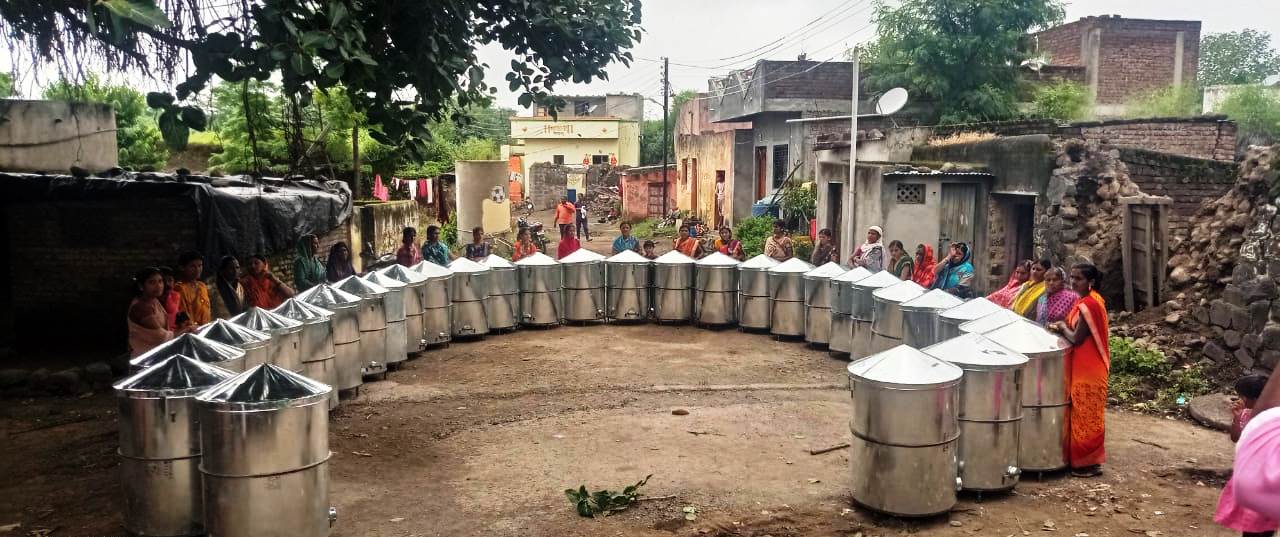
For rural households that are primarily dependent on agriculture, grain storage units made from steel and aluminium offer relief from time poverty and save women the effort of continuous grain monitoring. The time gained
Gender stereotypes have shaped expectations and defined roles that have been stitched tightly into the seam of rural fabric. Given the centrality of gender equality to climate or development goals, ripping the biases out will be imperative. While there’s no quick fix to this, addressing the following overarching biases could be a start
Gender inclusiveness and women empowerment has garnered strong support globally, especially in the last couple of decades, and rightly so. Women are pivotal to the progress of a nation and play a key role in defining the culture of a society.
Climate change itself may be gender-neutral, but any action we need to take for adaptation cannot be anything but women-centric. Climate action cannot do without women. The reasons are endless, but let me bring out the five specific ones, and all of them have to do with every day and straightforward logic.
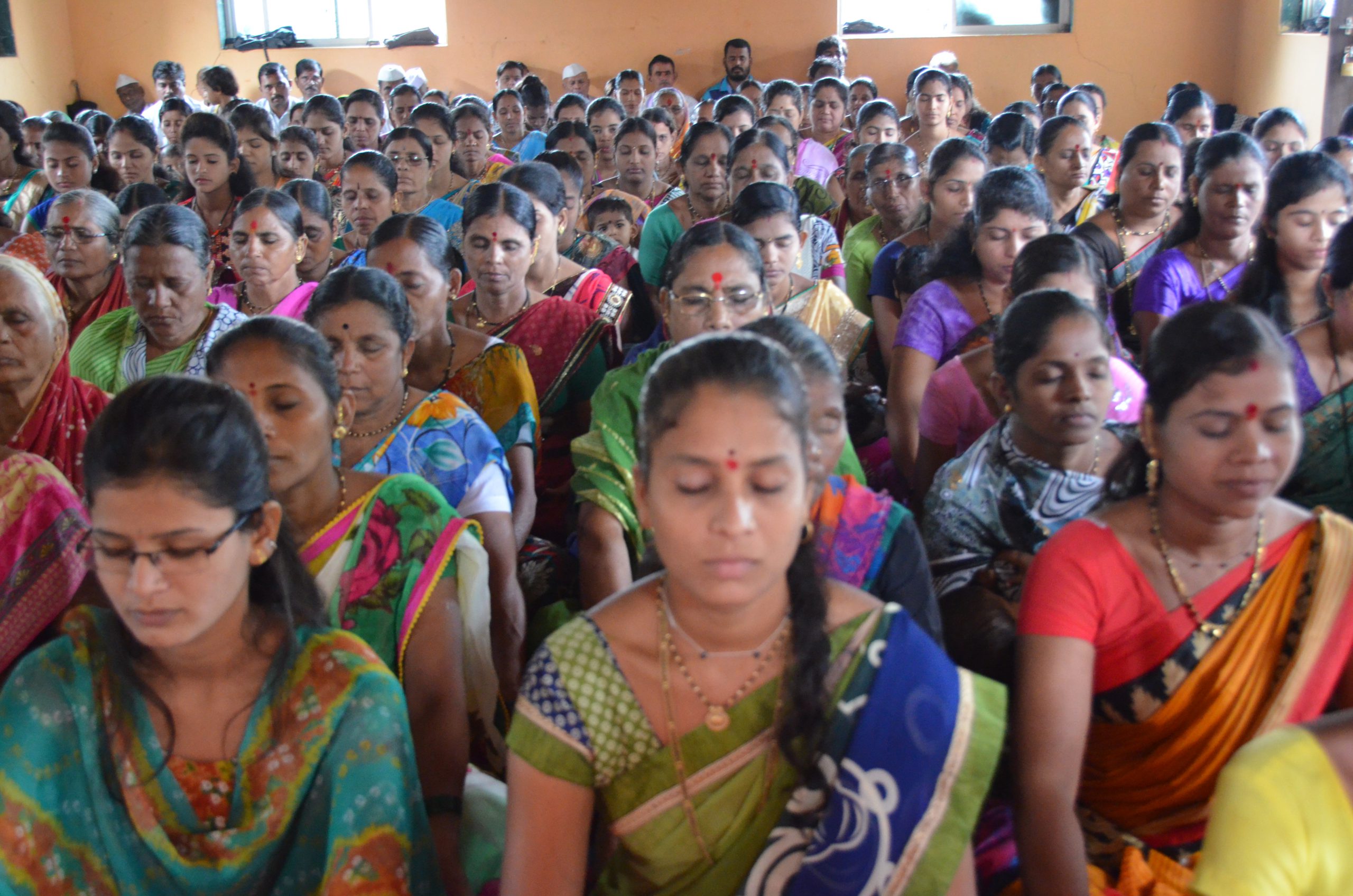
Over 48% of India’s rural population comprises of the female gender. They play an essential role in the rural economy by working as farmers, daily wage workers, traditional knowledge disseminators, entrepreneurs etc.They often also serve a significant role in managing household work, childcare, elderly care, taking care of ill ones
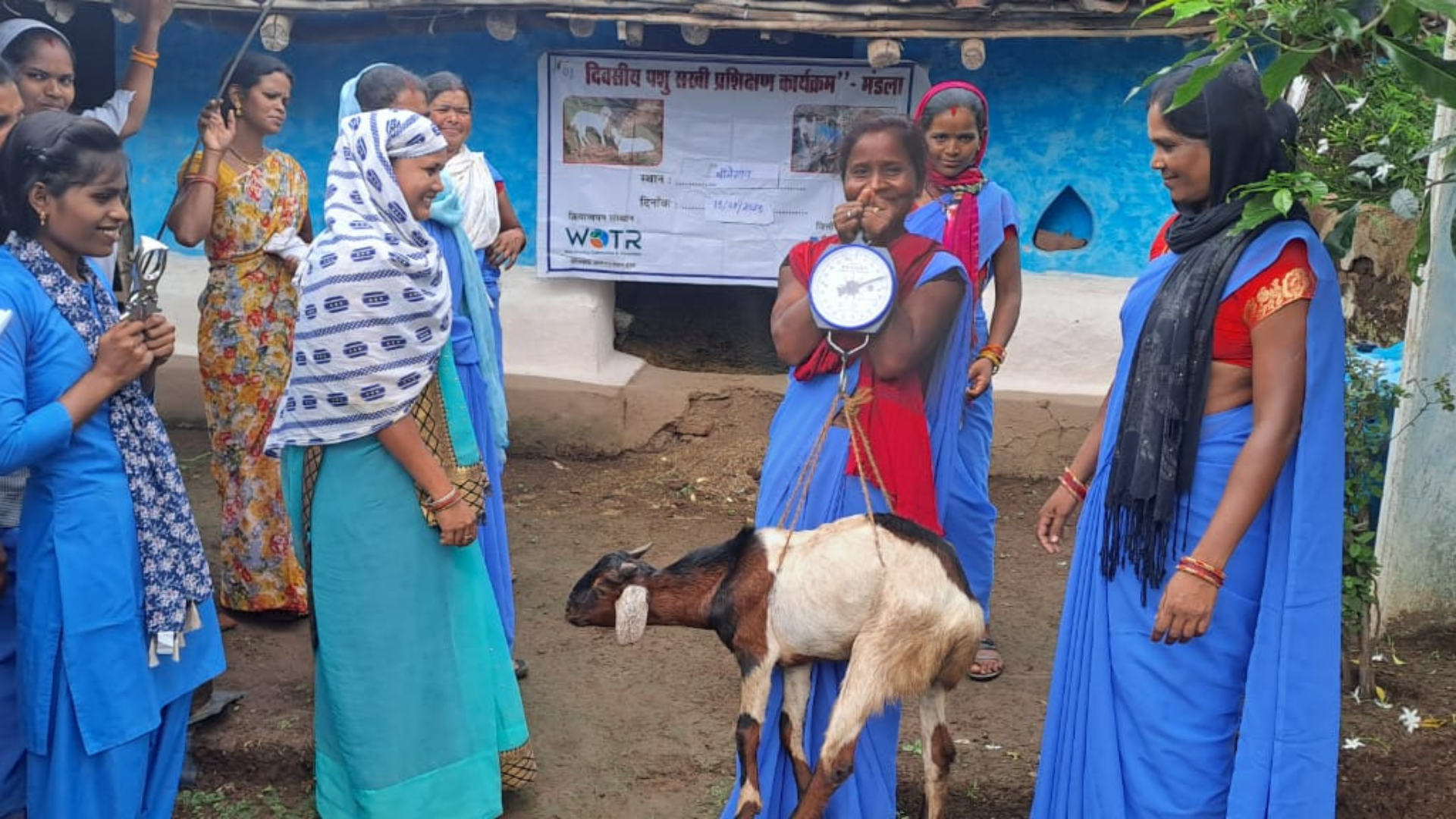
In this context, the ‘Pashu Sakhis’ programme trains local women to become Community Animal Care Service Providers (CASP). These Pashu Sakhis offer essential livestock care and guidance, empowering rural women and improving animal health.
Kanta Golayit always harboured a deep-seated desire to cultivate her own land and reap a bountiful harvest. Despite the vast land she owned, the yield was dishearteningly meagre. With acute water scarcity and inadequate irrigation facilities
Nestled in the backyards of homes, kitchen gardens—often known as backyard gardens—serve as intimate, small-scale havens for growing an enchanting array of vegetables, herbs, fruits, and occasionally even flowers. With a focus on
International Women’s Day, celebrated on March 8th every year, is a day to recognise the social, economic, cultural, and political achievements of women, while also highlighting the ongoing challenges they face in achieving gender equality.
The evolution of India’s rural areas and change in the rural economic structure has garnered much attention. Driven by government policies and private sector initiatives, rural India has witnessed progress on several fronts, including education,
For rural households that are primarily dependent on agriculture, grain storage units made from steel and aluminium offer relief from time poverty and save women the effort of continuous grain monitoring. The time gained
Gender stereotypes have shaped expectations and defined roles that have been stitched tightly into the seam of rural fabric. Given the centrality of gender equality to climate or development goals, ripping the biases out will be imperative. While there’s no quick fix to this, addressing the following overarching biases could be a start
Gender inclusiveness and women empowerment has garnered strong support globally, especially in the last couple of decades, and rightly so. Women are pivotal to the progress of a nation and play a key role in defining the culture of a society.
Climate change itself may be gender-neutral, but any action we need to take for adaptation cannot be anything but women-centric. Climate action cannot do without women. The reasons are endless, but let me bring out the five specific ones, and all of them have to do with every day and straightforward logic.
Over 48% of India’s rural population comprises of the female gender. They play an essential role in the rural economy by working as farmers, daily wage workers, traditional knowledge disseminators, entrepreneurs etc.They often also serve a significant role in managing household work, childcare, elderly care, taking care of ill ones
By Categories
By Tags
A story of how water stewardship empowered Bhagwat Gavande to become a trusted rural resource leader in his village
El Niño exposes hidden economic costs of degraded ecosystems, revealing why water stewardship and natural capital investment strengthen rural climate resilience.
Crop simulation reveals a startling truth: without adaptation, South Asian farmers could lose up to half their harvest by 2047. How can simulation help with adaptation?
Explore how 3D mapping of aquifers changed how Mhaswandi and Masai practice water stewardship.
Mangroves do far more than store carbon. They’re coastal shields, fish nurseries, biodiversity havens, and living systems tied to millions of lives.
How climate change affects women farmers in India, and the solutions they are building for a more resilient future.
Observed every year on 16 July, World Snake Day aims to dispel myths and raise awareness about one of the most misunderstood creatures on Earth.
This film tells the story of what changed when over 11,800 farmers came together to build their own Farmer Producer Companies