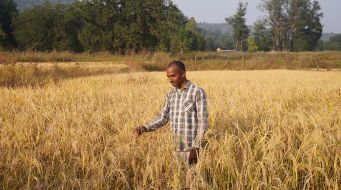
Madhya Pradesh, with over 72% rural population, relies heavily on groundwater, vital for agriculture and daily life. The 2022 Dynamic Groundwater Assessment shows a complex pattern of usage, recharge, and depletion, demanding urgent attention and action.
A Better Tomorrow
Stories, Practices, and Solutions
Can we rise to the challenge and become the custodians of water-the precious pearl, the lifeblood of our planet?
If you’re able to fill your bottle with clean drinking water at any given time of the day, clearly you are not amongst the 163 million Indians with no access to this privilege. India is one of the most water-stressed countries in the world
Deficit irrigation is the way towards sustainable agriculture in India, particularly in regions with uncertain and uneven rainfall patterns. There are several challenges posed by climate change, urbanisation, and industrialisation on agricultural
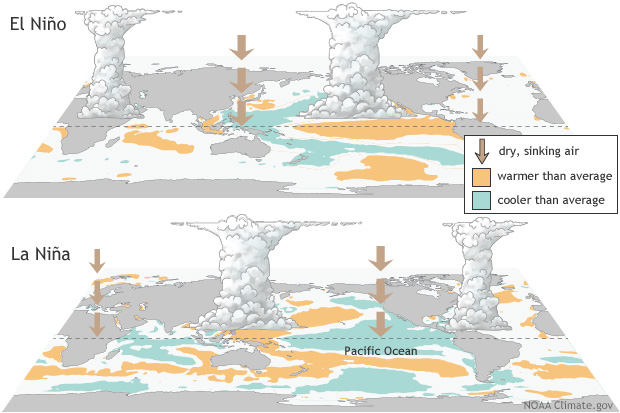
The Indian Meteorological Department (IMD) has predicted a normal monsoon for 2023, estimating rainfall at 96% of the long-term average. Despite this, the IMD also cautions that El Niño conditions are likely to emerge during the monsoon season. In
India, predominantly an agricultural nation, is currently facing a significant challenge in ensuring food security for its ever-growing population. With agriculture accounting for about 70% of the country’s water consumption, efficient water
Groundwater resources in India, a lifeline for millions of people and a driving force behind its economic growth, are under immense pressure due to population growth, climate change, and unregulated exploitation. The availability and
As we celebrate World Water Day, it’s crucial to recognize the importance of accelerating change to solve the water and sanitation crisis that affects millions of people worldwide. With this year’s theme focusing on the need for urgent action, the Water
India is on the brink of a water crisis, with over 600 million people facing high to extreme water stress. The dwindling freshwater reserves are a wake-up call for us to act now and ensure sustainable use of our natural resources. To address this grave concern,
India is the second largest producer of rice, wheat, sugarcane, groundnut, vegetables, fruit, and cotton and the largest producer of milk, pulses, and jute in the world. As an agrarian country, 70% of India’s rural population depends on agriculture as their
Madhya Pradesh, with over 72% rural population, relies heavily on groundwater, vital for agriculture and daily life. The 2022 Dynamic Groundwater Assessment shows a complex pattern of usage, recharge, and depletion, demanding urgent attention and action.
Can we rise to the challenge and become the custodians of water-the precious pearl, the lifeblood of our planet?
If you’re able to fill your bottle with clean drinking water at any given time of the day, clearly you are not amongst the 163 million Indians with no access to this privilege. India is one of the most water-stressed countries in the world
Deficit irrigation is the way towards sustainable agriculture in India, particularly in regions with uncertain and uneven rainfall patterns. There are several challenges posed by climate change, urbanisation, and industrialisation on agricultural
The Indian Meteorological Department (IMD) has predicted a normal monsoon for 2023, estimating rainfall at 96% of the long-term average. Despite this, the IMD also cautions that El Niño conditions are likely to emerge during the monsoon season. In
India, predominantly an agricultural nation, is currently facing a significant challenge in ensuring food security for its ever-growing population. With agriculture accounting for about 70% of the country’s water consumption, efficient water
Groundwater resources in India, a lifeline for millions of people and a driving force behind its economic growth, are under immense pressure due to population growth, climate change, and unregulated exploitation. The availability and
As we celebrate World Water Day, it’s crucial to recognize the importance of accelerating change to solve the water and sanitation crisis that affects millions of people worldwide. With this year’s theme focusing on the need for urgent action, the Water
India is on the brink of a water crisis, with over 600 million people facing high to extreme water stress. The dwindling freshwater reserves are a wake-up call for us to act now and ensure sustainable use of our natural resources. To address this grave concern,
India is the second largest producer of rice, wheat, sugarcane, groundnut, vegetables, fruit, and cotton and the largest producer of milk, pulses, and jute in the world. As an agrarian country, 70% of India’s rural population depends on agriculture as their
By Categories
By Tags
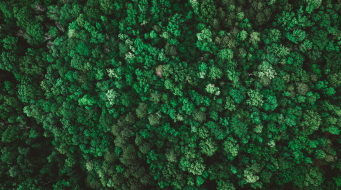
A tree planted is not a tree grown. The 6R approach helps turn plantation drives into lasting forests.
वैज्ञानिक बकरीशेड और WOTR के प्रशिक्षण ने सुमन सिंह की जिंदगी बदल दी। उनके दृढ़ संकल्प ने संघर्ष को आजीविका के एक टिकाऊ ग्रामीण स्रोत में बदल दिया।
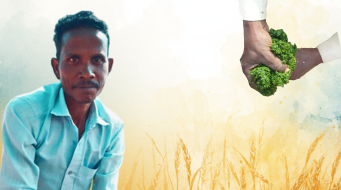
How one irrigation structure gave Ramgarh its first Rabi harvest and local farmer Fulsai Pandu his land back
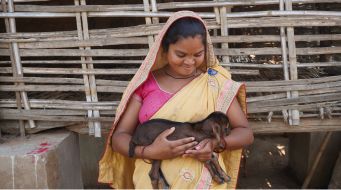
Goat rearing changed Suman Singh’s fortunes with scientific shed design and, WOTR training. Her grit turned struggle into sustainable rural income.
रामगढ़ में एक सिंचाई संरचना ने कैसे पहली बार रबी की फसल दी और किसान फुलसाई पांडू को उसकी ज़मीन वापस लौटाई
A reflection on the sustainability of food and climate programs in the social sector
Ecolinguistics reminds us that language is not neutral; it shapes how we understand and engage with the world.
डायवर्जन आधारित सिंचाई ने रामगढ़ में सालभर पानी, दोहरी खेती, फसल विविधता और किसानों की आय बढ़ाने वाली सामूहिक पहल को संभव बनाया।