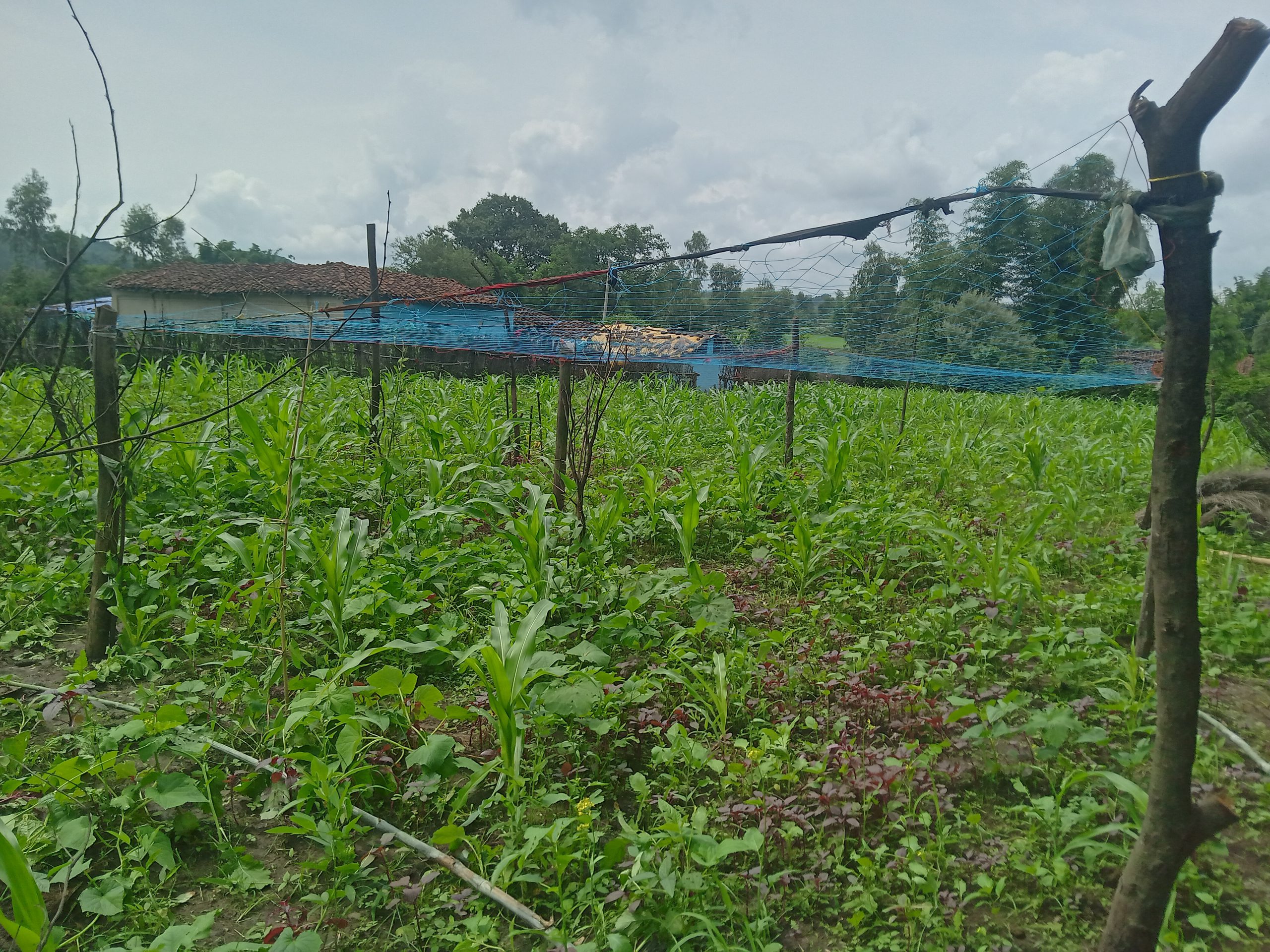
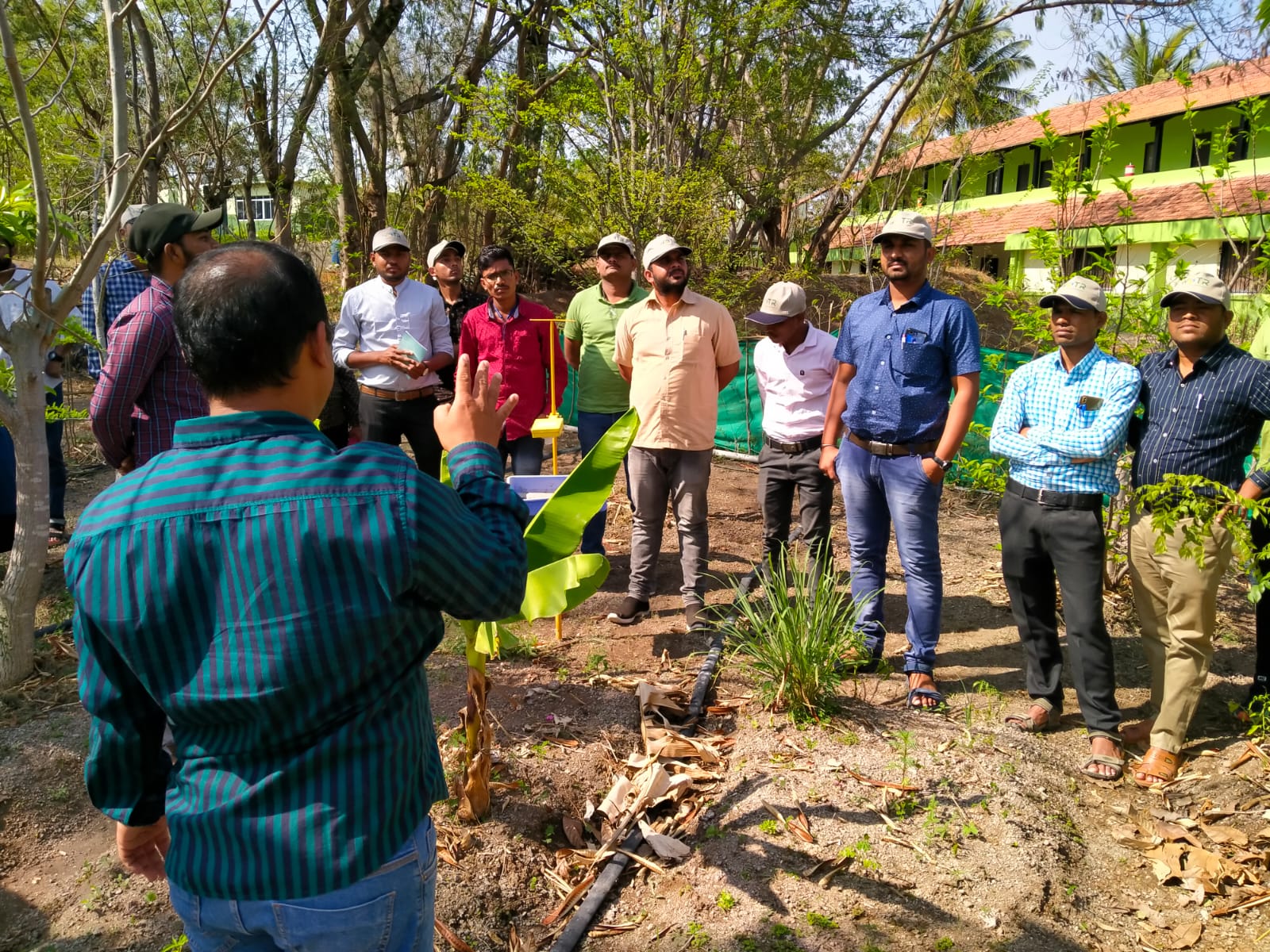
Nestled in the backyards of homes, kitchen gardens—often known as backyard gardens—serve as intimate, small-scale havens for growing an enchanting array of vegetables, herbs, fruits, and occasionally even flowers. With a focus on
India, predominantly an agricultural nation, is currently facing a significant challenge in ensuring food security for its ever-growing population. With agriculture accounting for about 70% of the country’s water consumption, efficient water
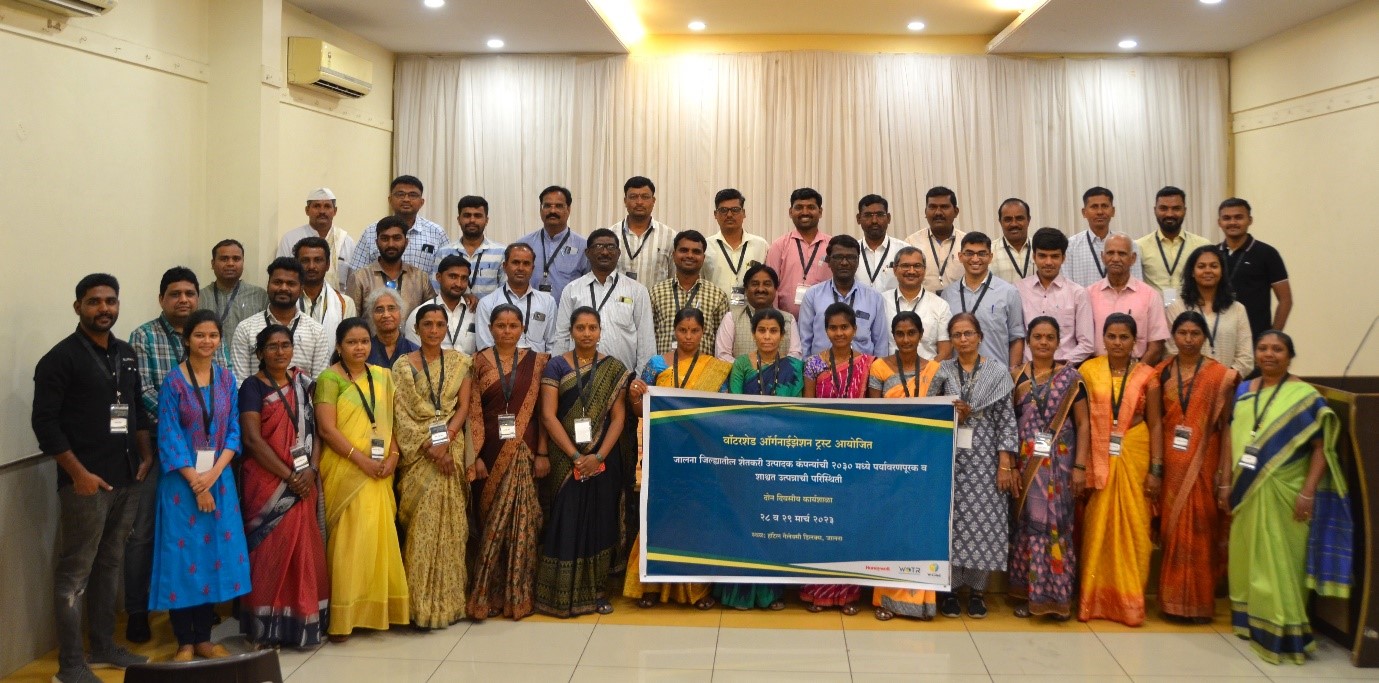
The Indian Government has already established an ambitious target of registering 10,000 FPOs, bringing together more than 1 million farmers as members. These FPOs serve as a critical catalyst in not only doubling farmers’ income from agriculture
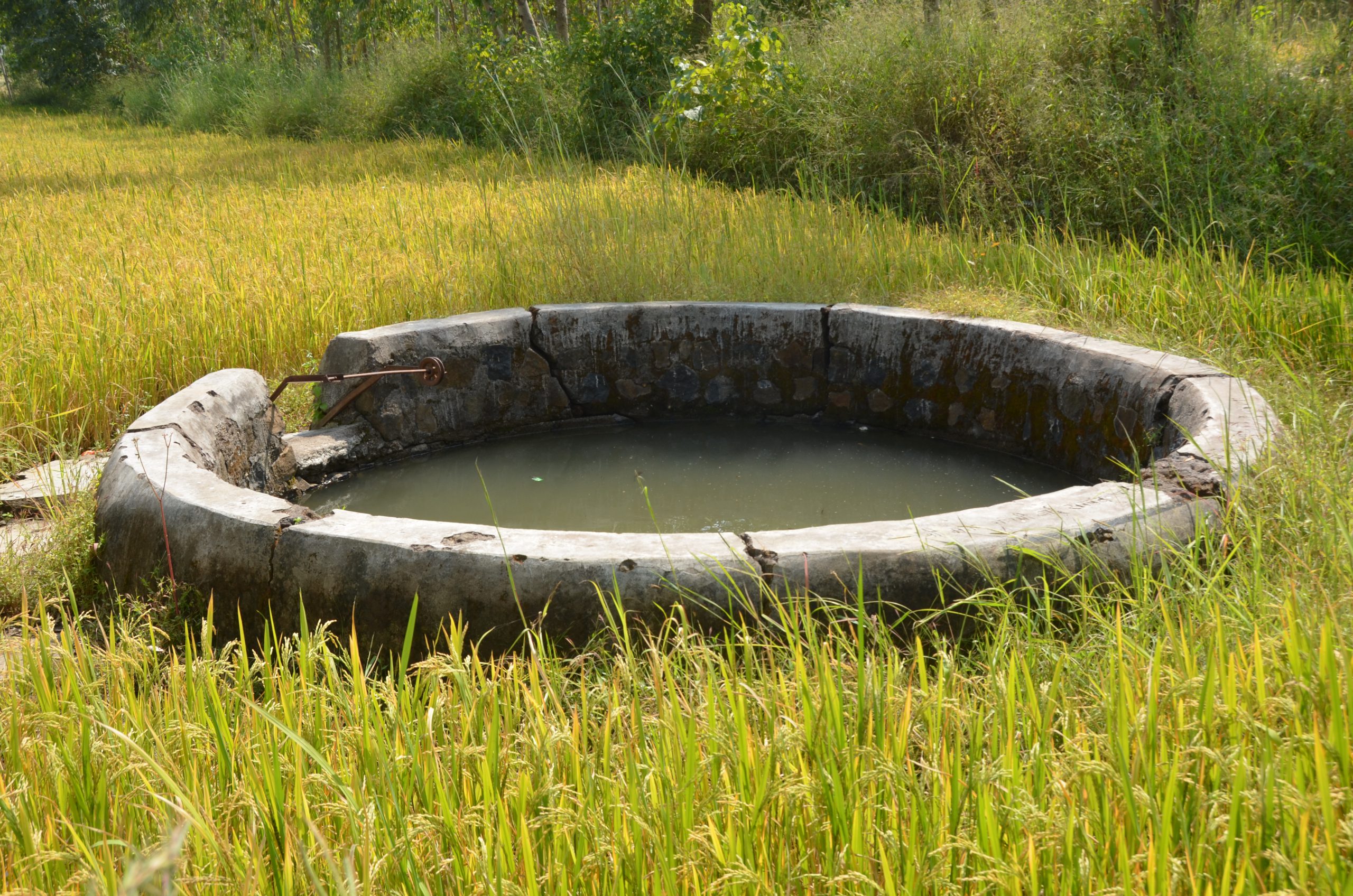
Groundwater resources in India, a lifeline for millions of people and a driving force behind its economic growth, are under immense pressure due to population growth, climate change, and unregulated exploitation. The availability and
Climate resilient agriculture is an essential component of food security in India, a country that relies heavily on agriculture for its economic growth and livelihoods. India’s diverse agro-climatic zones, coupled with its monsoon-based agriculture, make
Achieving food security in India with 17.7% of the world’s population but only 2.4% of its land1 is a daunting task. Despite an estimated food production of 314 million metric tons in 2021-2022, the country still faces the challenge of feeding its
In India, climate change is a serious concern for the agriculture sector. Changing weather patterns and extreme weather events, such as droughts and floods, have a direct impact on farmers’ livelihoods. As climate change continues to pose a threat to the
Despite its humble beginnings, WOTR has carved out its identity as one of the most trusted Indian non-profits in Integrated Watershed Development, Water Resources Management, environment conservation and climate change adaptation.
India is mostly a rural country. According to the 2011 Census, 68.8% of the population and 72.4% of the work force live in rural areas (Chand et al., 2017). 46% of the country’s income comes from the rural economy (Economic Times, 2021). 46% of the country’s income
A webinar on ‘Promoting FPOs for resilient incomes and sustainable farming practices in India’ brought together practitioners and experts to discuss emergent challenges and opportunities related to Farmer Producer Organisations (FPOs) and
Sindhu’s 15-year journey reveals how widow property rights remain unclaimed without awareness, community support, and institutional guidance in rural India.
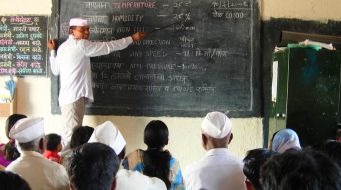
Capacity Building as a cornerstone of rural development strengthens leadership, resilience, sustainability, and community-driven solutions through inclusive training initiatives.
Participatory systems thinking empowers community-led development by integrating local knowledge, strengthening resilience, sustainability, and enabling adaptive, inclusive, long-term rural solutions.
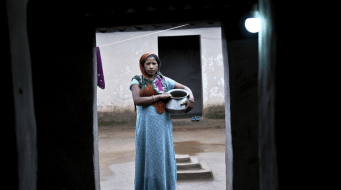
In Chhattisgarh, solar solutions bring water, irrigation, and light to villages, boosting livelihoods and building resilient, self-reliant communities.
In Rayagada district, crescent bunds help cashew trees retain water on hilly slopes, improving yields. A simple solution strengthening tribal livelihoods and climate resilience.
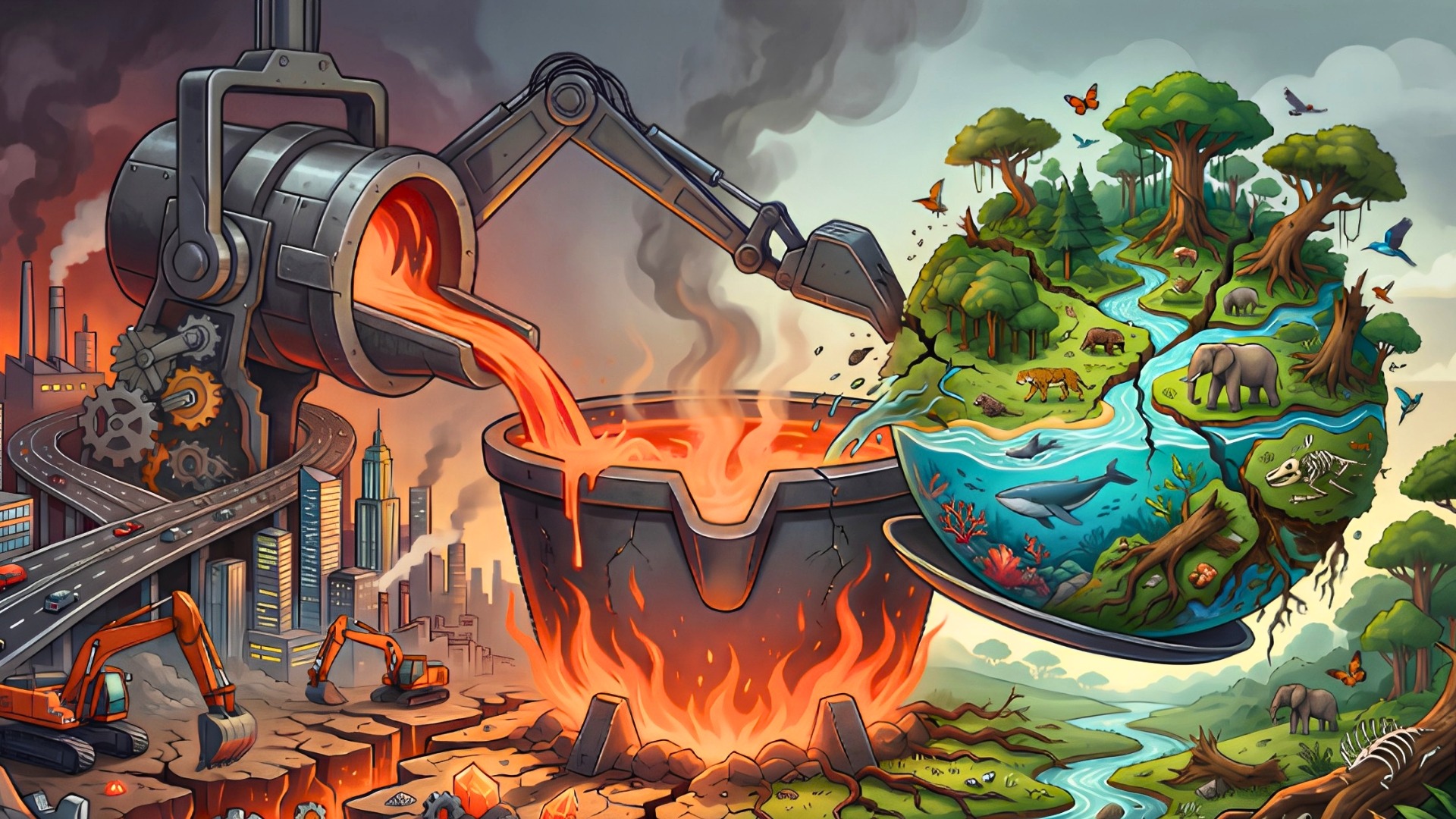
In Karauli district, revived pokhars and pagaras are conserving rainwater and restoring agriculture. These community-led efforts are reducing dependence on hazardous mining while improving livelihoods and health.
Circular economy keeps resources in use for as long as possible, extracts maximum value from them, and then recovers and regenerates products at the end of service life.