Climate resilience is the ability of communities, ecosystems, and systems to prepare for, adapt to, and recover from climate-related challenges. It helps reduce the impact of events like droughts, floods, and changing weather patterns.
Climate resilience helps communities protect their livelihoods, natural resources, and ecosystems from climate risks. It supports long-term sustainability by improving preparedness and helping people adapt to environmental changes.
Communities can build climate resilience through water conservation, sustainable agriculture, ecosystem restoration, and better resource management. Local participation and climate-smart practices help communities prepare for future challenges.
Climate change affects communities through changing rainfall patterns, rising temperatures, droughts, floods, and extreme weather events. These changes can reduce water availability, threaten food security, and impact livelihoods.
Ecosystem restoration helps improve climate resilience by protecting natural resources, restoring biodiversity, and improving soil and water systems. Healthy ecosystems help communities manage climate risks and support sustainable livelihoods.
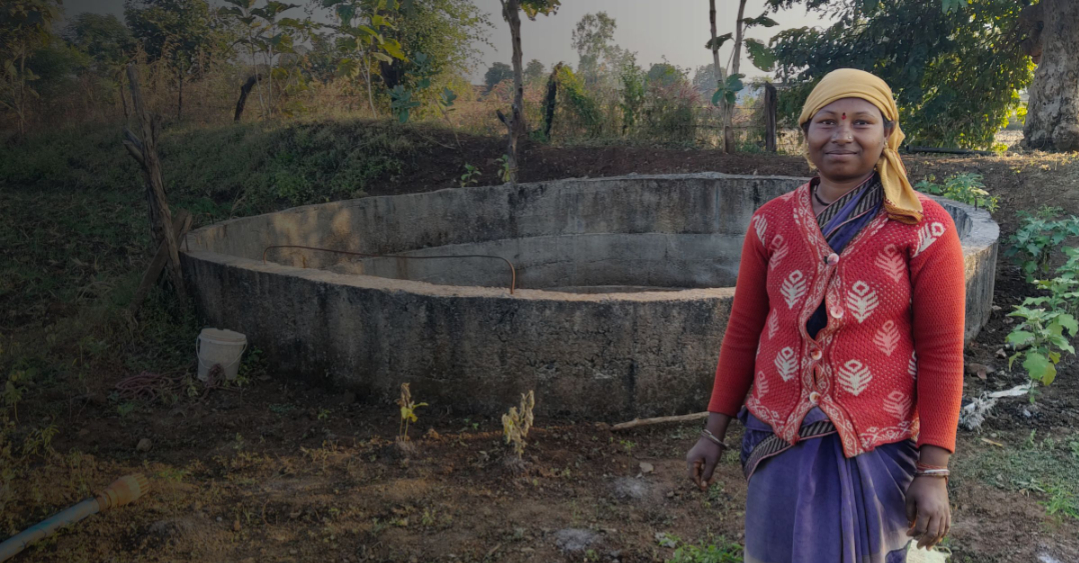
How access to water helped Draupati turn her skills and ambition into opportunity, diversify her farming, and build a more secure livelihood for her family.
India drylands face mounting climate pressures. Discover how IDIA is carrying integrated research, regional consultations and community knowledge to guide informed decisions and strengthen resilience.
Farmer Producer Companies help smallholders access dairy schemes, productive assets, digital services and local support to strengthen rural livelihoods and incomes.