A weather forecast is a scientific prediction of future atmospheric conditions such as temperature, rainfall, wind, humidity, and extreme events.
Weather forecasts help farmers, governments, and industries make decisions related to agriculture, disaster management, and daily operations.
Farmers use forecasts to decide when to sow crops, irrigate fields, apply fertilisers or pesticides, and harvest crops.
Weather forecasts include nowcasting (0–6 hours), short-range (1–3 days), medium-range (3–10 days), extended-range (10–30 days), and seasonal forecasts (1–6 months).
Forecasts are created using observations from satellites, radars, and weather stations, combined with data assimilation, numerical models, and expert analysis by meteorologists.
Rainfall prediction is challenging due to monsoon complexity, global climate influences, diverse geography, and short-lived local storms.
They provide early warnings for events like cyclones, floods, and heatwaves, allowing timely preparation and evacuation.
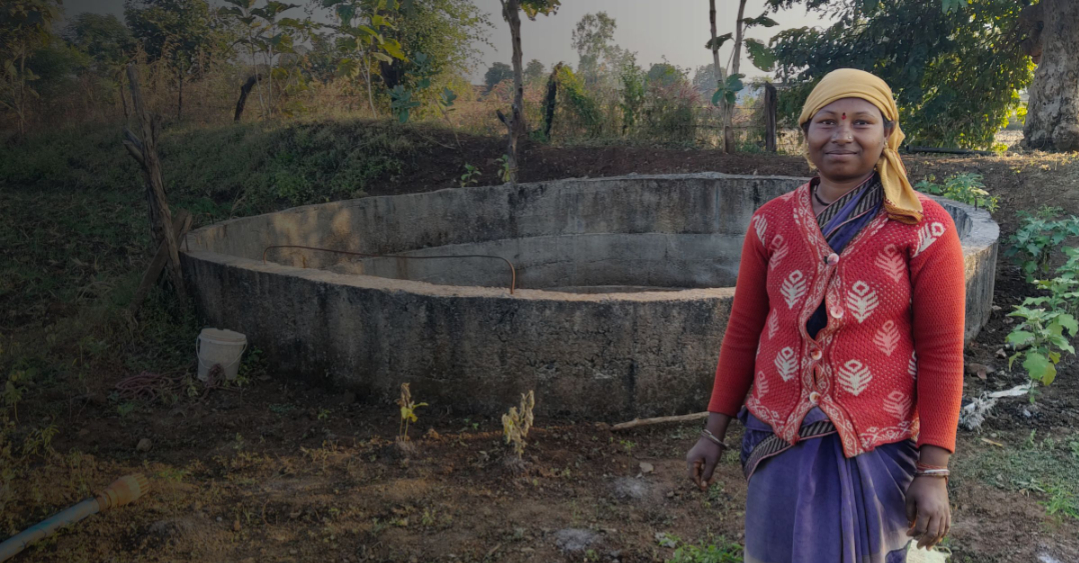
How access to water helped Draupati turn her skills and ambition into opportunity, diversify her farming, and build a more secure livelihood for her family.
India drylands face mounting climate pressures. Discover how IDIA is carrying integrated research, regional consultations and community knowledge to guide informed decisions and strengthen resilience.
Farmer Producer Companies help smallholders access dairy schemes, productive assets, digital services and local support to strengthen rural livelihoods and incomes.