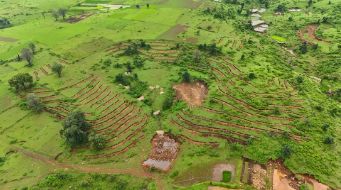
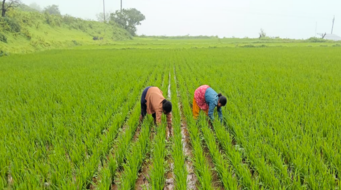
Discover how integrated watershed management in Chhattisgarh is restoring degraded lands, conserving water, improving agricultural productivity and strengthening rural livelihoods.
Frequently Asked Questions (FAQs)
Rapid urbanisation, industrialisation, and agriculture are increasing demand, while climate change disrupts water availability.
It is an approach that focuses on reusing, recycling, and regenerating water to improve efficiency and sustainability.
Untreated sewage, industrial discharge, and agricultural runoff have made a large share of water sources unsafe.
Reusing treated wastewater can support irrigation, reduce freshwater demand, and improve water availability.
They are eco-friendly methods like wetlands and bio-filtration that treat water naturally and support groundwater recharge.
They waste large amounts of water and are often misused for sources that do not require such filtration.
Government rules now aim to control misuse and ensure proper management of rejected water.
AI and IoT tools help optimise irrigation, reducing water use while improving crop yields.
A shift to circular water management can improve efficiency, sustainability, and resilience.
Recent Posts
Project Jal Samruddhi was implemented across 11,840 acres reaching 2,064 households and 10,500+ people in six villages. Read to know more.
Discover how farmers can grow chia, from seed selection and sowing to irrigation, crop care and harvesting.