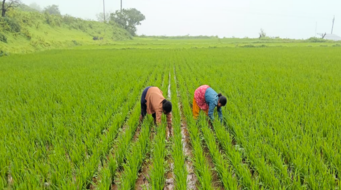
Discover how integrated watershed management in Chhattisgarh is restoring degraded lands, conserving water, improving agricultural productivity and strengthening rural livelihoods.
Frequently Asked Questions (FAQs)
An Integrated Farming System (IFS) is a holistic farming approach where water, crops, livestock, fisheries, and trees are interconnected to support each other. Instead of operating separately, each component recycles resources, reduces waste, improves soil health, and creates multiple sources of food and income throughout the year.
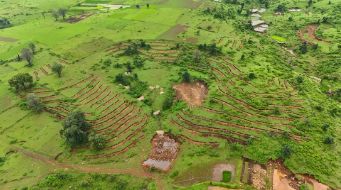
Integrated Farming Systems positively impact the environment by improving soil fertility through organic inputs, enhancing groundwater recharge via water harvesting, increasing biodiversity, and reducing waste through nutrient recycling. By treating farms as ecosystems, IFS restores degraded land while strengthening ecological balance and long-term sustainability.
Recent Posts
Project Jal Samruddhi was implemented across 11,840 acres reaching 2,064 households and 10,500+ people in six villages. Read to know more.
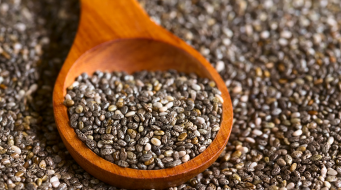
Discover how farmers can grow chia, from seed selection and sowing to irrigation, crop care and harvesting.