Presence

Transforming communities across India through strategic initiatives and sustainable impact

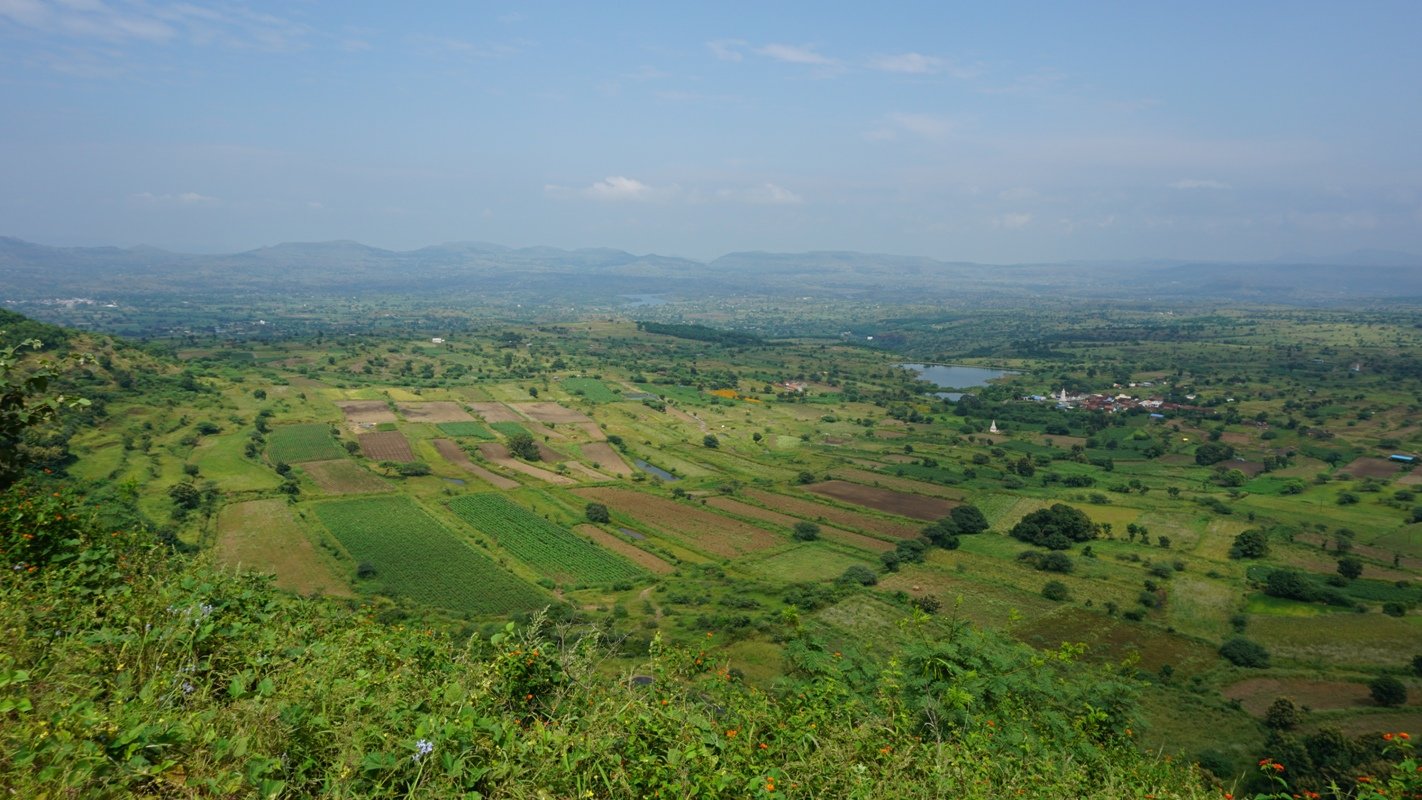
Maharashtra

About 80% of Maharashtra is classified as rainfed and susceptible to land degradation. About half of its people depend directly or indirectly on agriculture for their livelihoods; of these, 80% are small and marginal farmers.

165K

Beneficiaries

781+

Villages

15

Districts

41

Blocks

Maharashtra

Madhya Pradesh

The rural and tribal regions of Madhya Pradesh are facing the impacts of climate change, severely affecting agriculture and forestry – the main sources of livelihood for the communities.

32.5K

Beneficiaries

139+

Villages

11+

Blocks

7

Districts

Rajasthan

Rajasthan’s geography spans four distinct regions: the Western Desert, the Aravalli Hills, the Eastern Plains, and the South-Eastern Plateau. The hilly regions and undulating terrain in some parts of the state can cause rainwater runoff, leading to water shortages, while increased desertification is reducing fertile land available for cultivation.

620

Beneficiaries

387

Villages

960 h

Land Restored

6

Districts

Chhattisgarh

Largely rural and tribal, the state of Chhattisgarh is dependent on agriculture and forest resources to a large extent. Most families in this region fall in the low-income category and face the repercussions of land degradation

8,000

Beneficiaries

92

Villages

3,000 h

Land Restored

4

Districts

Telangana

The western and southern parts of Telangana receive scanty rainfall that makes the region highly prone to droughts. Climate change has led to uncertain weather and degradation of natural resources, which is adversely impacting agriculture in the region. Moreover, farmers adopt unsustainable farming practices due to a lack of awareness and access to technical knowledge.

900 H

Land Restored

91

Villages

5

Blocks

4

Districts

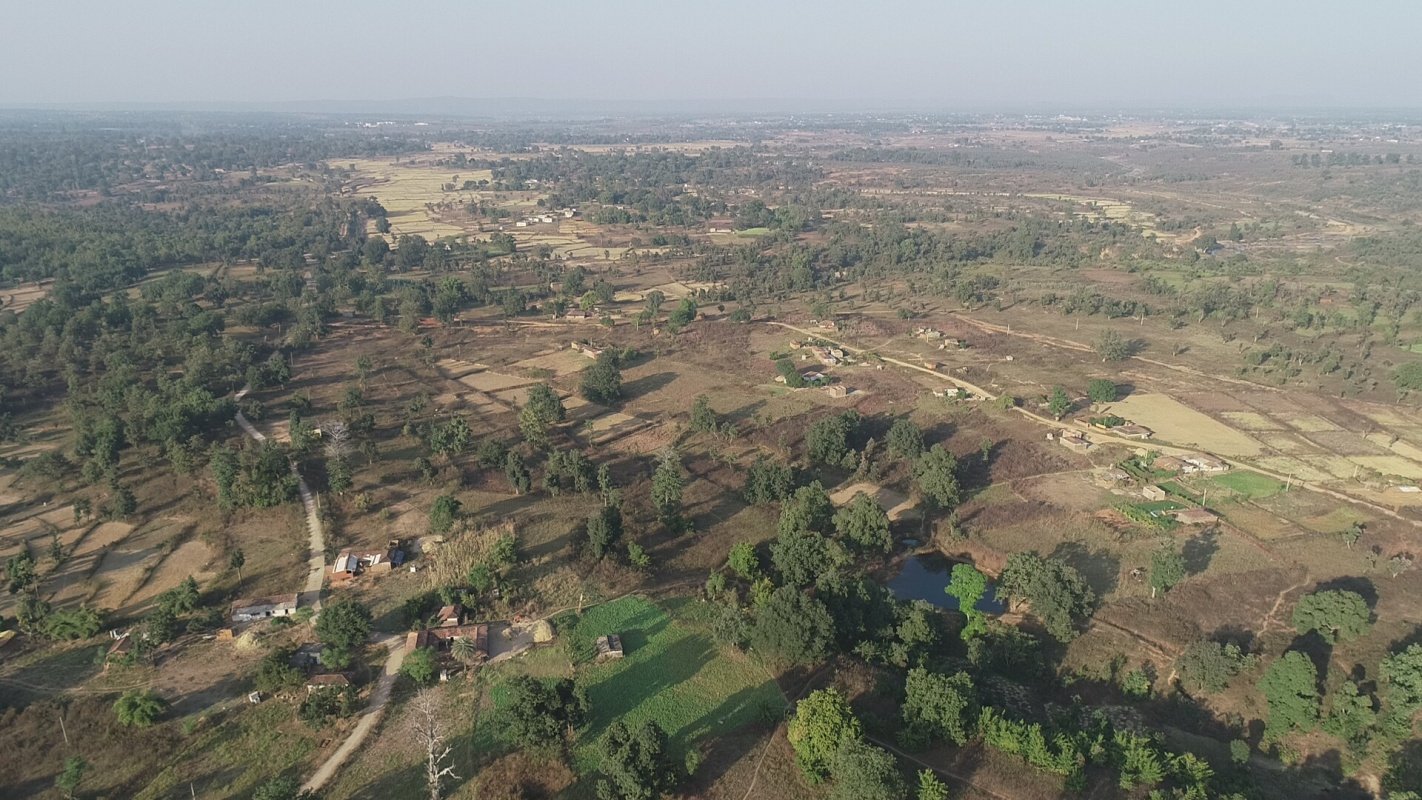
Jharkhand

Parts of Jharkhand are highly vulnerable to climate change, with erratic rainfall patterns, severe droughts and heavy winds wreaking havoc on already vulnerable tribal populations. A lack of knowledge on water and soil conservation, has led to severe soil erosion and sedimentation – impacting livelihoods and driving families further into poverty.

20K h

Land Restored

600

Villages

8

Blocks

4

Districts

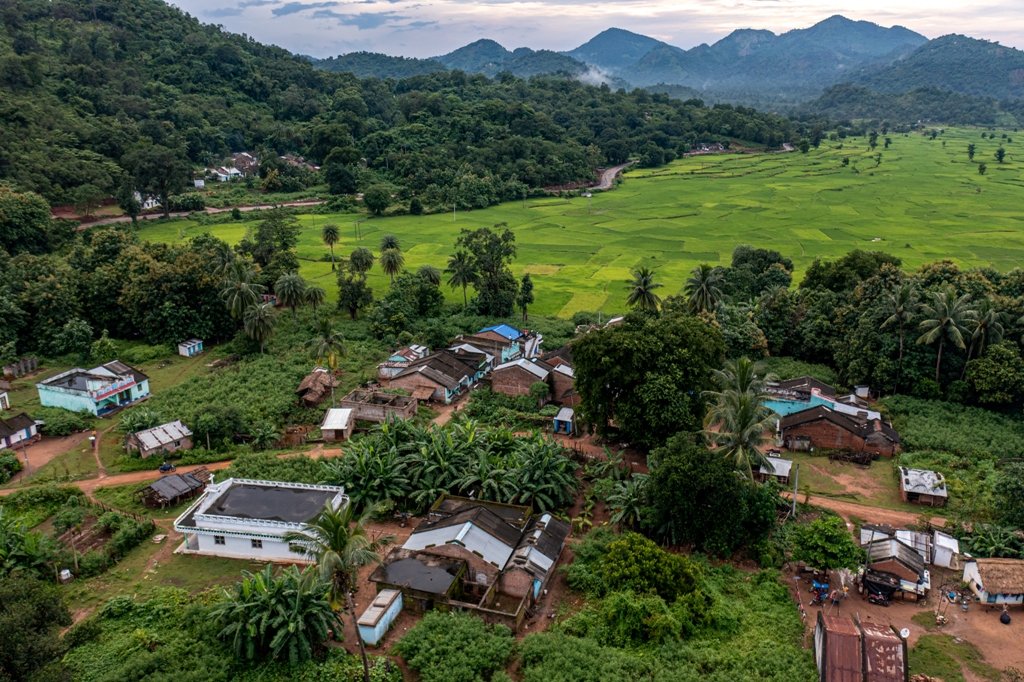
Odisha

The erratic rainfall pattern in Odisha makes the region vulnerable to frequent spells of droughts and floods. Deforestation is now making the situation worse and leading to soil erosion and declining land fertility.

508 H

Land Irrigation

150

Villages

9

Blocks

3

Districts

Karnataka

Rural communities in Karnataka grapple with climate change, facing severe water scarcity which affects agriculture, their primary livelihood. Unpredictable rainfall patterns, rising temperatures, and frequent droughts compound these issues.

1550 h

Watershed Initiatives

8

Villages

1

Block

1

District