Frequently Asked Questions (FAQs)

Agriculture is deeply connected with labour markets, wage rates, climate change, distress migration, nutrition, and education. How India grows its food influences many social and economic outcomes.

Agricultural policymaking involves balancing competing goals, such as increasing farmers’ incomes, maintaining healthy ecosystems, providing healthy food for farmers, and keeping food affordable for the urban poor. Achieving all these goals at the same time is difficult and requires recognising trade-offs.

The adoption gap refers to the difference between scientific trials and what actually works on farms. When farmers do not adopt an intervention, it may indicate that the solution does not work effectively in their real farming context.

Agricultural systems are complex, with soil, labour, livestock, markets, and weather constantly interacting. The blog argues that solutions cannot simply be universalised because experience and solutions from one place may not translate effectively to another.
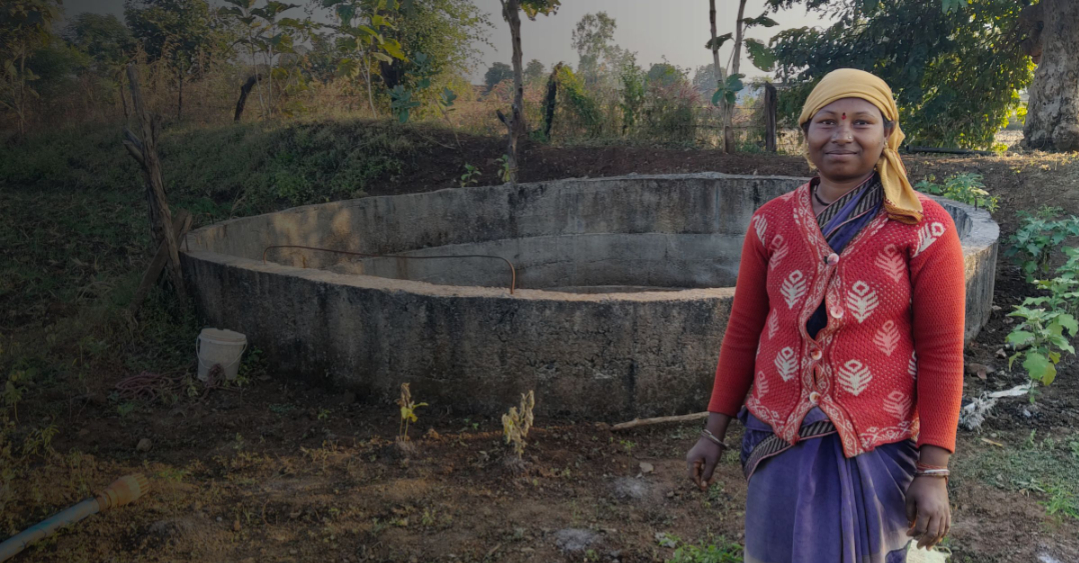

About 5-10% of farmers are early adopters willing to take risks, a small fraction resist change entirely, and the vast majority nearly 80% adopt new practices only after seeing neighbors succeed and knowing their basic needs are met.

Recent Posts