Odisha’s geothermal landscape holds immense potential, with untapped resources and exciting future prospects. Various initiatives are underway to explore and harness this energy, paving the way for sustainable development in the region.
A Better Tomorrow
Stories, Practices, and Solutions
Decoding the effect of heat waves and temperature extremes on Indian chilli farmers in 2024
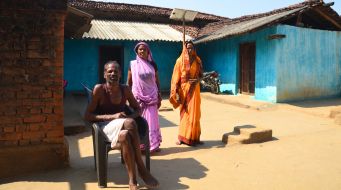
Sahulia Singh’s family, once reliant on a limited diet of rice and potatoes, now grows a variety of vegetables through WOTR’s kitchen garden initiative, improving their nutrition and reducing dependence on distant markets.
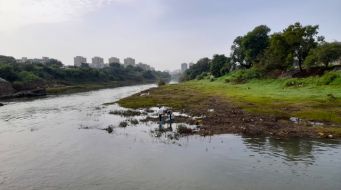
Urbanization and water scarcity are escalating challenges, but often overlooked, urban wetlands, offer crucial solutions. These vibrant ecosystems, found within or near cities, provide vital environmental benefits.
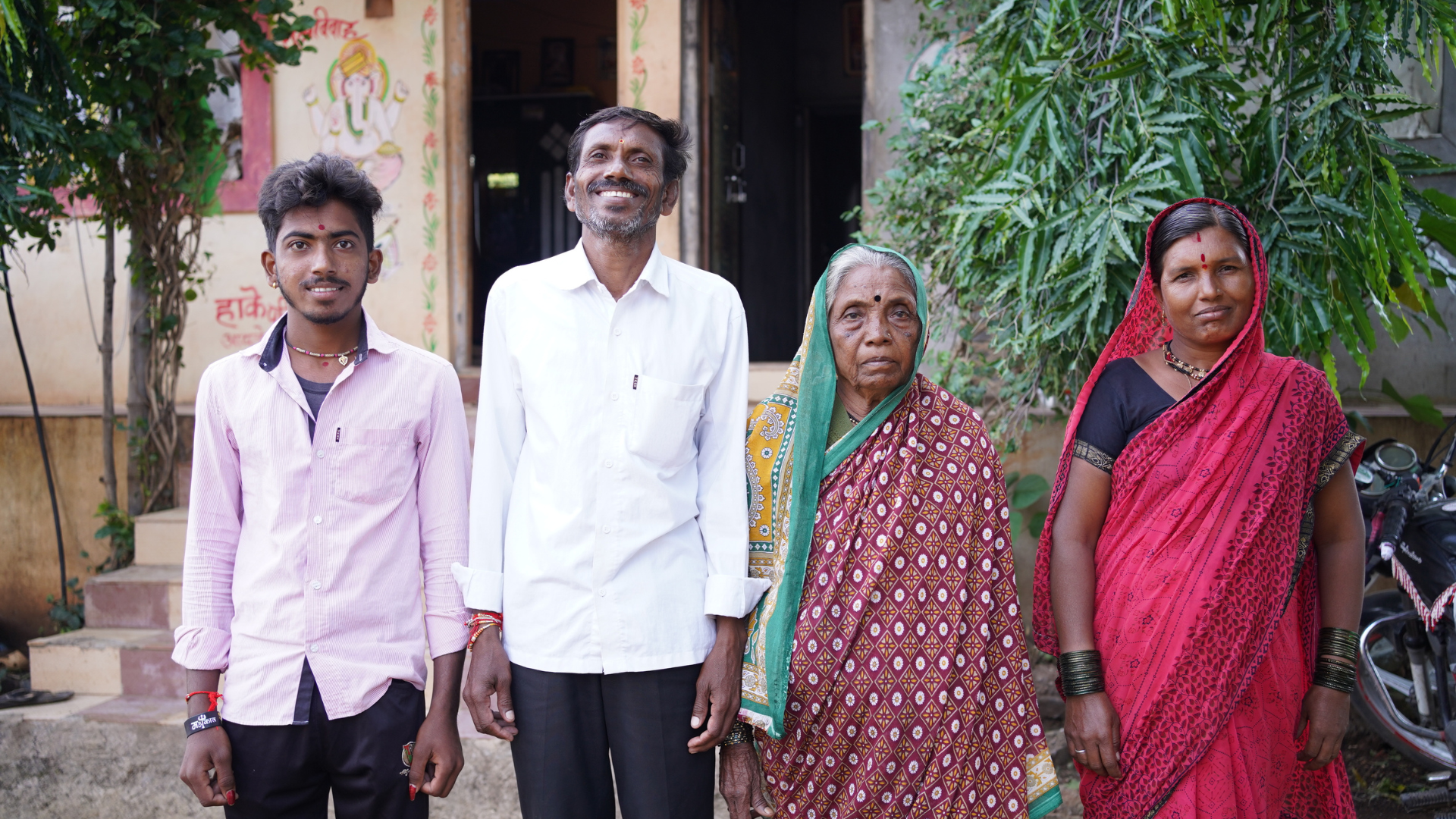
Shyam Motiram Jadhav and his wife, Vaishali Jadhav, have successfully increased their farm’s productivity and earnings by using a sprinkler system to grow brinjals, which require less water and yield higher profits compared to maize.
India faced severe heatwaves in 2024, with record-breaking temperatures and prolonged heat spells from April to May. Contributing factors included El Niño conditions, lack of pre-monsoon rains, and persistent anticyclones. Rising greenhouse gas emissions and climate change further intensified the heatwave’s severity, highlighting the urgent need for sustainable solutions.
As scorching heatwaves become increasingly common in India, rural communities face heightened risks from heat stress. This blog post explores the nature of heatwaves, the impact of moist and dry heat stress, and the specific challenges rural India confronts. With limited infrastructure, reliance on outdoor labor, and water scarcity exacerbating the situation, the health and economic consequences are severe.

Adaptation to climate change is vital for resilience amidst rising sea levels and erratic weather patterns. Key strategies include protecting coastlines, ensuring food security, conserving water, investing in renewable energy, disaster preparedness, and protecting ecosystems.
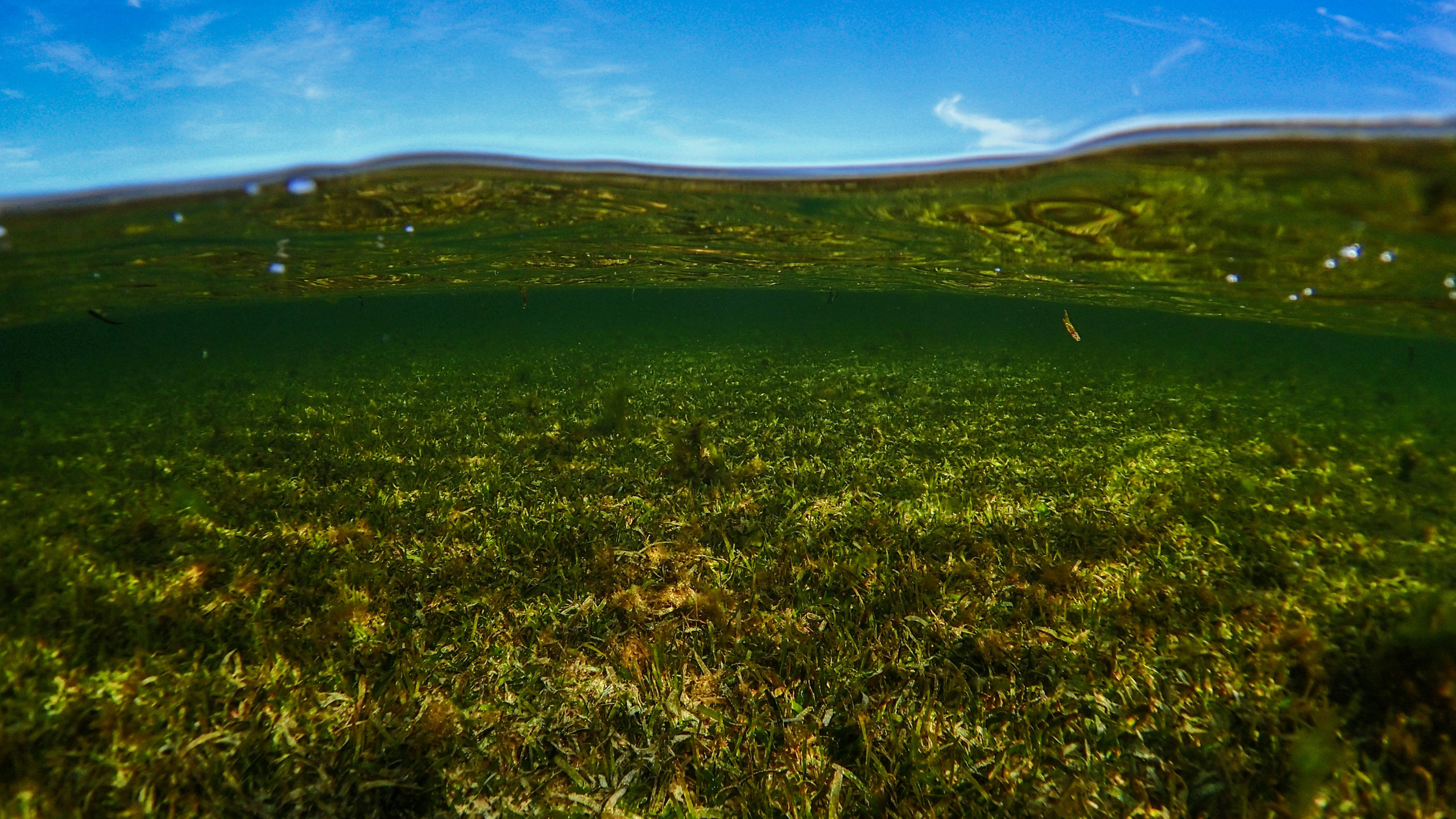
This blog will cover blue carbon, highlighting its role in climate change mitigation and adaptation. It will help us understand its significance in combatting climate change and protecting the planet.
Every October 13th marks a pivotal moment of unity across the globe: The United Nations International Day for Natural Disaster Reduction. WOTR remains committed to transforming rural lives through sustainable water and climate-resilient practices, using EbA
Odisha’s geothermal landscape holds immense potential, with untapped resources and exciting future prospects. Various initiatives are underway to explore and harness this energy, paving the way for sustainable development in the region.
Decoding the effect of heat waves and temperature extremes on Indian chilli farmers in 2024
Sahulia Singh’s family, once reliant on a limited diet of rice and potatoes, now grows a variety of vegetables through WOTR’s kitchen garden initiative, improving their nutrition and reducing dependence on distant markets.
Urbanization and water scarcity are escalating challenges, but often overlooked, urban wetlands, offer crucial solutions. These vibrant ecosystems, found within or near cities, provide vital environmental benefits.
Shyam Motiram Jadhav and his wife, Vaishali Jadhav, have successfully increased their farm’s productivity and earnings by using a sprinkler system to grow brinjals, which require less water and yield higher profits compared to maize.
India faced severe heatwaves in 2024, with record-breaking temperatures and prolonged heat spells from April to May. Contributing factors included El Niño conditions, lack of pre-monsoon rains, and persistent anticyclones. Rising greenhouse gas emissions and climate change further intensified the heatwave’s severity, highlighting the urgent need for sustainable solutions.
As scorching heatwaves become increasingly common in India, rural communities face heightened risks from heat stress. This blog post explores the nature of heatwaves, the impact of moist and dry heat stress, and the specific challenges rural India confronts. With limited infrastructure, reliance on outdoor labor, and water scarcity exacerbating the situation, the health and economic consequences are severe.

Adaptation to climate change is vital for resilience amidst rising sea levels and erratic weather patterns. Key strategies include protecting coastlines, ensuring food security, conserving water, investing in renewable energy, disaster preparedness, and protecting ecosystems.
This blog will cover blue carbon, highlighting its role in climate change mitigation and adaptation. It will help us understand its significance in combatting climate change and protecting the planet.
Every October 13th marks a pivotal moment of unity across the globe: The United Nations International Day for Natural Disaster Reduction. WOTR remains committed to transforming rural lives through sustainable water and climate-resilient practices, using EbA
By Categories
By Tags
Pastoralism has shaped India’s rangelands for centuries. Here’s why pastoralists are key to protecting biodiversity and healthy ecosystems.
Water security remains elusive in Shahapur despite heavy rains. Discover why hard rock terrain stops groundwater recharge in this Konkan story.
An analogy for climate adaptation, showing that scientific expertise alone is not enough. It reminds us that the knowledge on the ground is equally important in making informed decisions
Maharashtra village, Gosasi, transforms chronic water scarcity into year-round security through watershed structures, women-led savings groups, and sustainable farming practices.
सिलाई उद्यमी से VDC अध्यक्ष तक, मनबसिया सिंह अपने छत्तीसगढ़ के गाँव को बेहतर भविष्य की ओर अग्रसर कर रही हैं।
From tailoring entrepreneur to VDC Chairman, Manbasiya Singh is leading her village in Chhattisgarh towards a better future.
A tribute to World Nature Conservation Day, where we are reminded that conservation must extend beyond conventional models.
A story of how water stewardship empowered Bhagwat Gavande to become a trusted rural resource leader in his village