Water security remains elusive in Shahapur despite heavy rains. Discover why hard rock terrain stops groundwater recharge in this Konkan story.
A Better Tomorrow
Stories, Practices, and Solutions
Maharashtra village, Gosasi, transforms chronic water scarcity into year-round security through watershed structures, women-led savings groups, and sustainable farming practices.
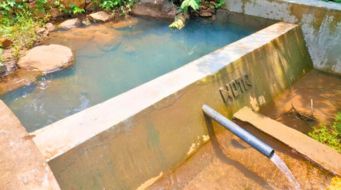
Community well improves water access in Samlai, reducing hardship for women, supporting farming livelihoods, and bringing dignity, convenience, and renewed hope
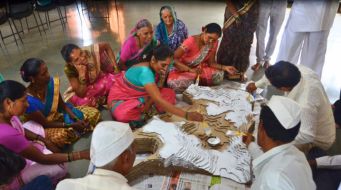
In the rain-fed villages of Maharashtra, people are finding new ways to understand their land and groundwater — not with satellites or dashboards, but with cardboard, shared knowledge, and a fresh look at the soil beneath their feet.
The Kadasi Revenue village in Odisha, which gets water from five springs, provided a closer look at the interplay between nature, community, and water resources to W-CReS researcher Navnath Ghodake during his field visit.
Read how ecohydrology provides the scientific foundation needed to link ecosystem restoration with reliable water outcomes.
A socio-technical watershed approach helped communities restore ecosystems, strengthen institutions and secure livelihoods, creating resilience that has endured for generations.
The springs in Akole, Maharashtra, are more than just utility points for humans; they are the ecological heartbeat of the region
Recently, multiple large-scale awareness campaigns were conducted in 15 villages across diverse regions of Rangareddy and Jalna districts in Telangana and Maharashtra, respectively, where the Water Stewardship Initiative (WSI) is being implemented.
Small, locally managed ponds are quietly transforming how rural communities store rainwater, recharge groundwater, and sustain agriculture in India
Water security remains elusive in Shahapur despite heavy rains. Discover why hard rock terrain stops groundwater recharge in this Konkan story.
Maharashtra village, Gosasi, transforms chronic water scarcity into year-round security through watershed structures, women-led savings groups, and sustainable farming practices.
Community well improves water access in Samlai, reducing hardship for women, supporting farming livelihoods, and bringing dignity, convenience, and renewed hope
In the rain-fed villages of Maharashtra, people are finding new ways to understand their land and groundwater — not with satellites or dashboards, but with cardboard, shared knowledge, and a fresh look at the soil beneath their feet.
The Kadasi Revenue village in Odisha, which gets water from five springs, provided a closer look at the interplay between nature, community, and water resources to W-CReS researcher Navnath Ghodake during his field visit.
Read how ecohydrology provides the scientific foundation needed to link ecosystem restoration with reliable water outcomes.
A socio-technical watershed approach helped communities restore ecosystems, strengthen institutions and secure livelihoods, creating resilience that has endured for generations.
The springs in Akole, Maharashtra, are more than just utility points for humans; they are the ecological heartbeat of the region
Recently, multiple large-scale awareness campaigns were conducted in 15 villages across diverse regions of Rangareddy and Jalna districts in Telangana and Maharashtra, respectively, where the Water Stewardship Initiative (WSI) is being implemented.
Small, locally managed ponds are quietly transforming how rural communities store rainwater, recharge groundwater, and sustain agriculture in India
By Categories
By Tags
Raghubir’s story shows how entrepreneurship can begin with a simple idea, the right support, and a little confidence creating a thriving livelihood.
Indigenous food systems sustain generations through women’s forest knowledge, biodiversity, and seasonal wisdom—now threatened by climate change. Discover their resilience.
Pastoralism has shaped India’s rangelands for centuries. Here’s why pastoralists are key to protecting biodiversity and healthy ecosystems.
Water security remains elusive in Shahapur despite heavy rains. Discover why hard rock terrain stops groundwater recharge in this Konkan story.
An analogy for climate adaptation, showing that scientific expertise alone is not enough. It reminds us that the knowledge on the ground is equally important in making informed decisions
Maharashtra village, Gosasi, transforms chronic water scarcity into year-round security through watershed structures, women-led savings groups, and sustainable farming practices.
सिलाई उद्यमी से VDC अध्यक्ष तक, मनबसिया सिंह अपने छत्तीसगढ़ के गाँव को बेहतर भविष्य की ओर अग्रसर कर रही हैं।
From tailoring entrepreneur to VDC Chairman, Manbasiya Singh is leading her village in Chhattisgarh towards a better future.