Bees provide important pollination services that support the productivity and quality of crops such as mustard, sunflower, coffee, berries, cucurbits, onion, cotton, and many fruit and vegetable crops.
Bees play an essential role in pollination, which supports crop production and food security. They also contribute to biodiversity, livelihoods, and local economies, making the future of bees closely connected to the future of humanity.
It is a symbiotic relationship: honey bees provide pollination services essential for crop production, while human-managed landscapes often provide nesting spaces and floral resources for managed bee colonies.
India’s native species include the Indian hive bee (Apis cerana indica), Rock bee (Apis dorsata), Little bee (Apis florea), and stingless bees such as Tetragonula iridipennis.
According to the FAO, nearly 75% of global food crops depend on pollination, primarily by bees, with honeybees occupying a uniquely important position.
Crops such as mustard, sunflower, coffee, berries, cucurbits, onion, cotton, and numerous fruit and vegetable crops depend significantly on bees.
Climate change is altering flowering cycles, rainfall patterns, and seasonal synchrony between plants and pollinators, with heat stress and prolonged droughts increasingly affecting colony survival and reproductive behaviour.
WOTR, under the guidance of the Central Bee Research and Training Institute (CBRTI), Pune, organised a five-day hands-on apiculture training programme for 25 farmers from the Akole block of Maharashtra, focused on scientific hive management and honey processing.
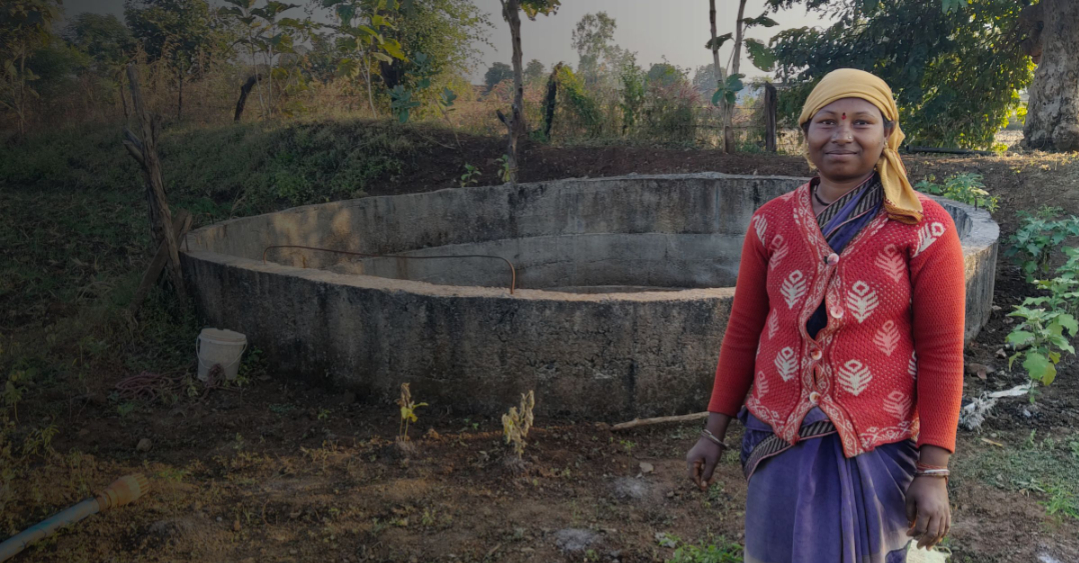
How access to water helped Draupati turn her skills and ambition into opportunity, diversify her farming, and build a more secure livelihood for her family.
India drylands face mounting climate pressures. Discover how IDIA is carrying integrated research, regional consultations and community knowledge to guide informed decisions and strengthen resilience.
Farmer Producer Companies help smallholders access dairy schemes, productive assets, digital services and local support to strengthen rural livelihoods and incomes.