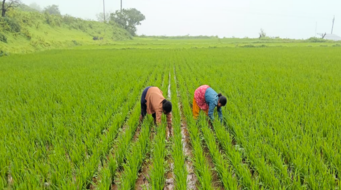
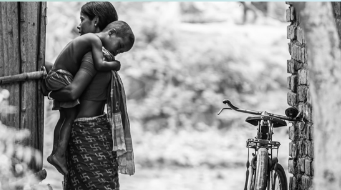
Yavatmal district of Maharashtra has numerous such heartbreaking stories. Women, after the death of their husbands, are left in the lurch. Chanda and her sister-in-law Ramkala live in Baradgaon village and could survive on a meager income of
A Better Tomorrow
Stories, Practices, and Solutions
The world came crashing down for Kamalakola when she lost her husband to malaria. “He worked in a textile mill in Surat. His income was huge support for the family,” said Kamalakola Nayak, resident of Luduludi village in Ganjam district of Odisha.
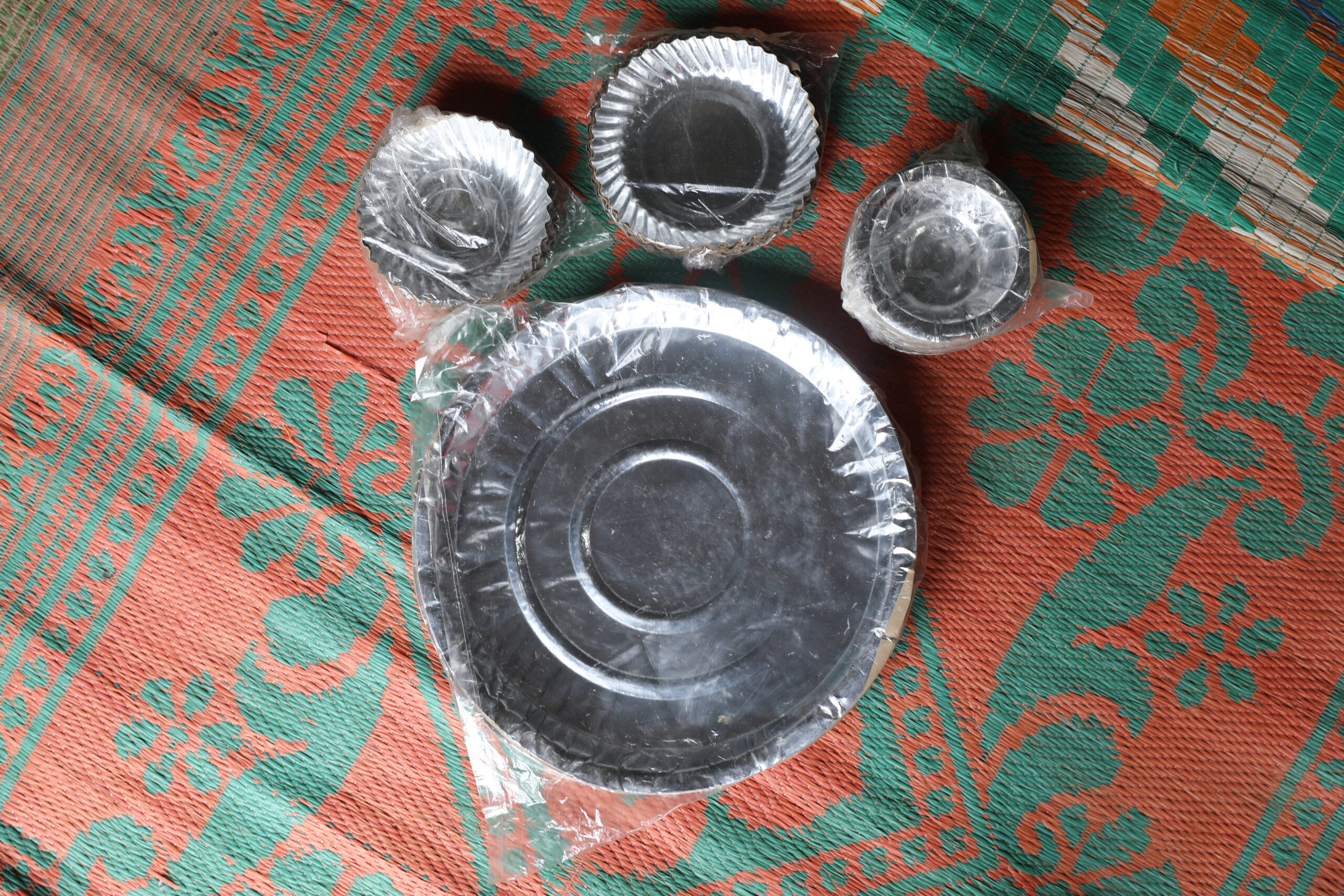
Making dona-pattal (dishes) out of tree leaves is a common activity for several tribal villages in Madhya Pradesh. Women are often seen doing this activity which is not only eco-friendly but also a source of income generation for many families.
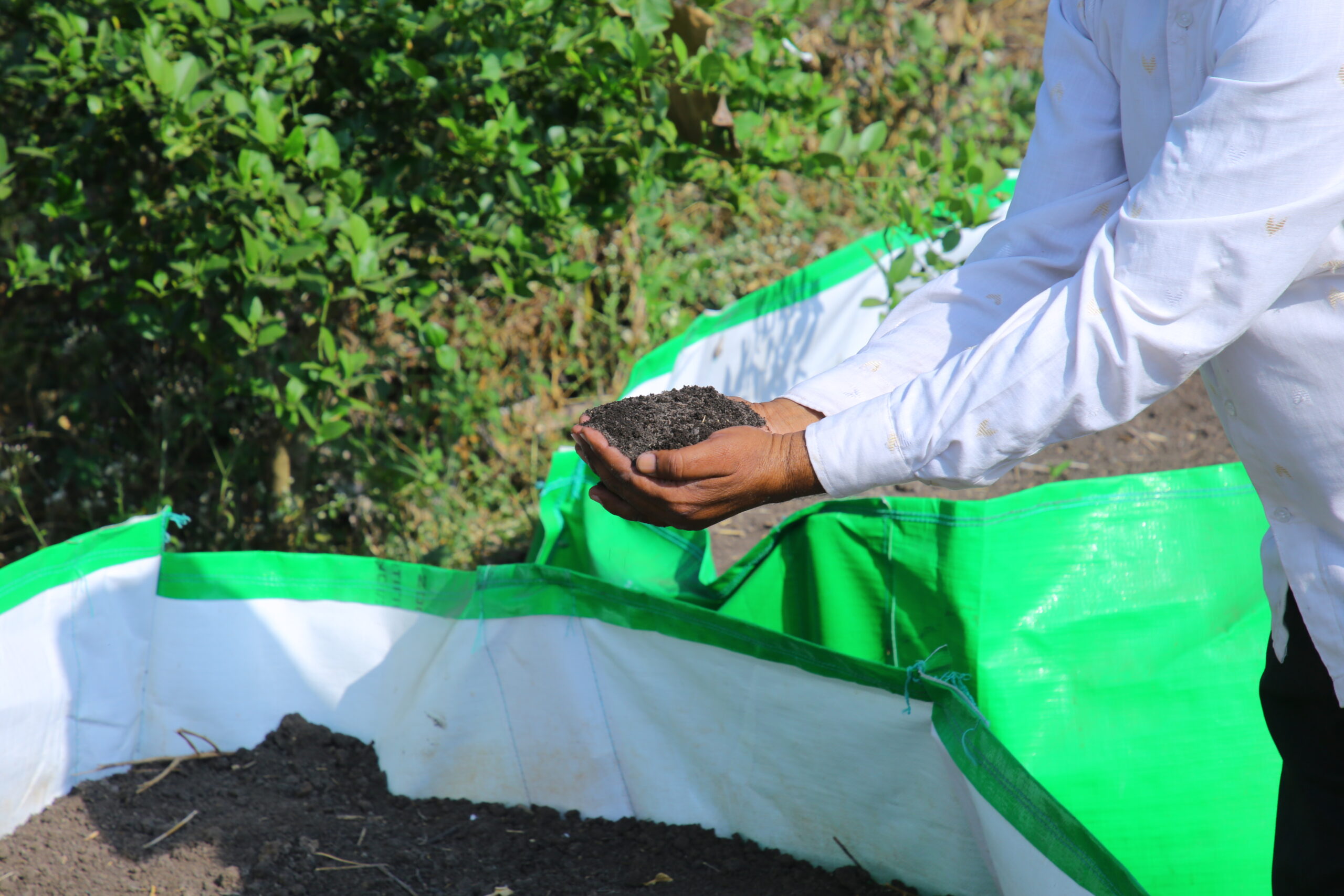
Santosh Salve was on cloud nine when WOTR began its work in the Ambad block of Jalna district in Maharashtra. As WOTR started working with the local community to promote climate-resilient agriculture, Santosh approached the team with a specific interest – building a low-cost setup to prepare vermicompost.
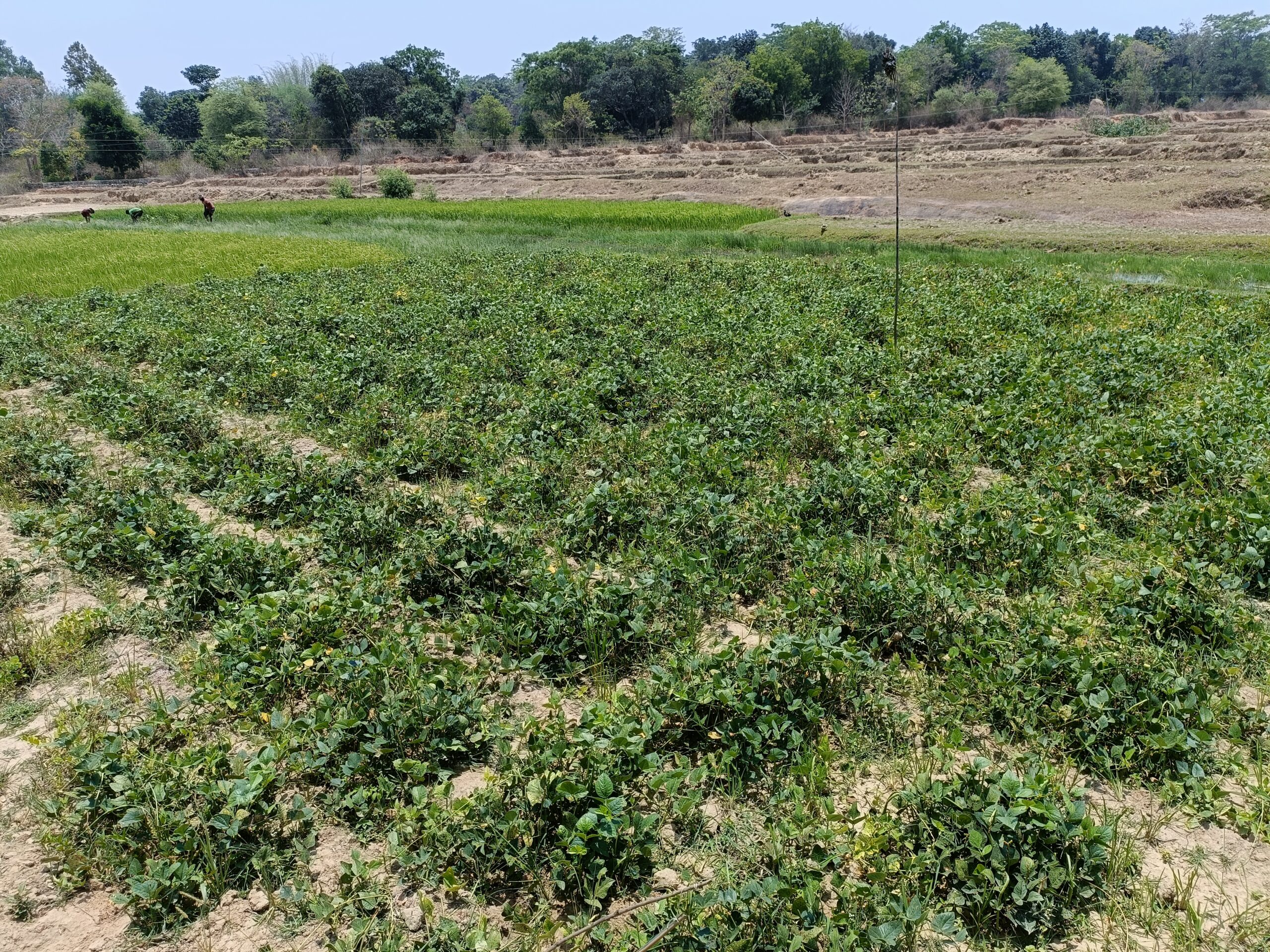
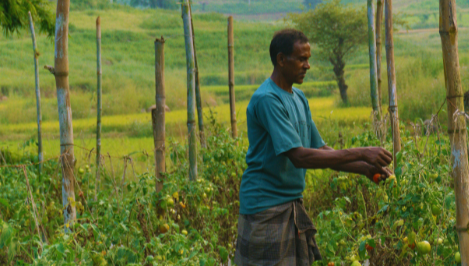
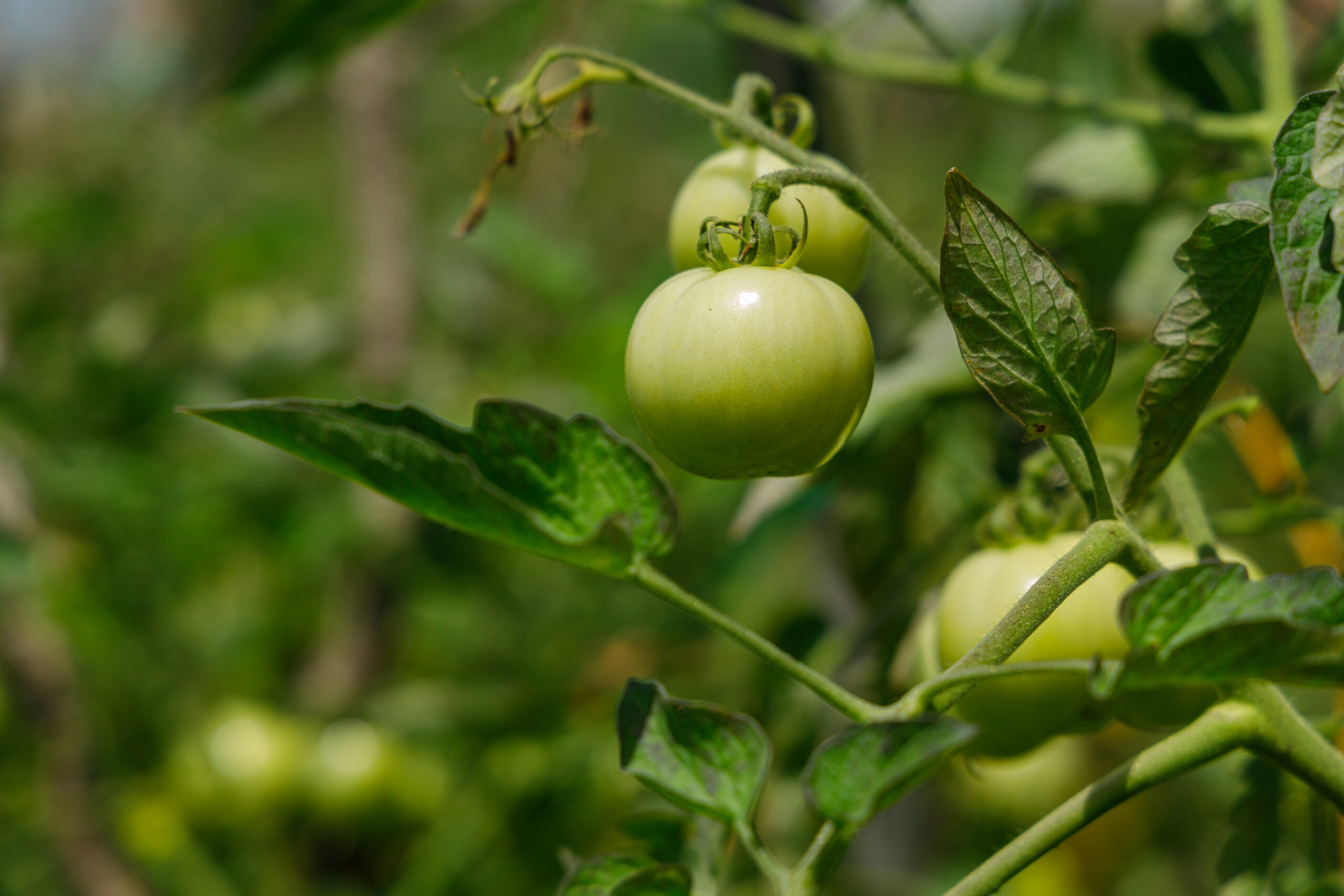
The villages in the Murhu block of Jharkhand are mainly occupied by members of the Munda tribe. Traditionally, these small landholding farmers cultivate paddy and lac—a natural resin secreted by the lac insect. However, in recent years they have also adapted to the cultivation of tomatoes, watermelon and potatoes.
Yavatmal district of Maharashtra has numerous such heartbreaking stories. Women, after the death of their husbands, are left in the lurch. Chanda and her sister-in-law Ramkala live in Baradgaon village and could survive on a meager income of
The world came crashing down for Kamalakola when she lost her husband to malaria. “He worked in a textile mill in Surat. His income was huge support for the family,” said Kamalakola Nayak, resident of Luduludi village in Ganjam district of Odisha.
Making dona-pattal (dishes) out of tree leaves is a common activity for several tribal villages in Madhya Pradesh. Women are often seen doing this activity which is not only eco-friendly but also a source of income generation for many families.
Santosh Salve was on cloud nine when WOTR began its work in the Ambad block of Jalna district in Maharashtra. As WOTR started working with the local community to promote climate-resilient agriculture, Santosh approached the team with a specific interest – building a low-cost setup to prepare vermicompost.
The villages in the Murhu block of Jharkhand are mainly occupied by members of the Munda tribe. Traditionally, these small landholding farmers cultivate paddy and lac—a natural resin secreted by the lac insect. However, in recent years they have also adapted to the cultivation of tomatoes, watermelon and potatoes.
By Categories
By Tags
An initiative to work with 40 Farmer Producer Organisations across five districts, strengthening climate-resilient agriculture, farmer-owned enterprises and market access.
Discover how integrated watershed management in Chhattisgarh is restoring degraded lands, conserving water, improving agricultural productivity and strengthening rural livelihoods.
Project Jal Samruddhi was implemented across 11,840 acres reaching 2,064 households and 10,500+ people in six villages. Read to know more.
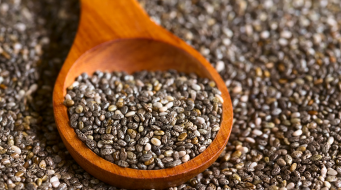
Discover how farmers can grow chia, from seed selection and sowing to irrigation, crop care and harvesting.
Project Samruddhi demonstrates how an integrated approach to rural development can strengthen community resilience and create lasting change across 16 villages.
Farming sustained Ramesh’s family of eleven, but limited water kept his land productive for only one season. Drip irrigation changed what was possible.
Shanti’s journey with her daughter Ishvi began with the challenges of malnutrition, and a long road towards better health and nourishment.
Explore key insights from our new book on water governance, women’s leadership and locally relevant climate solutions in Maharashtra