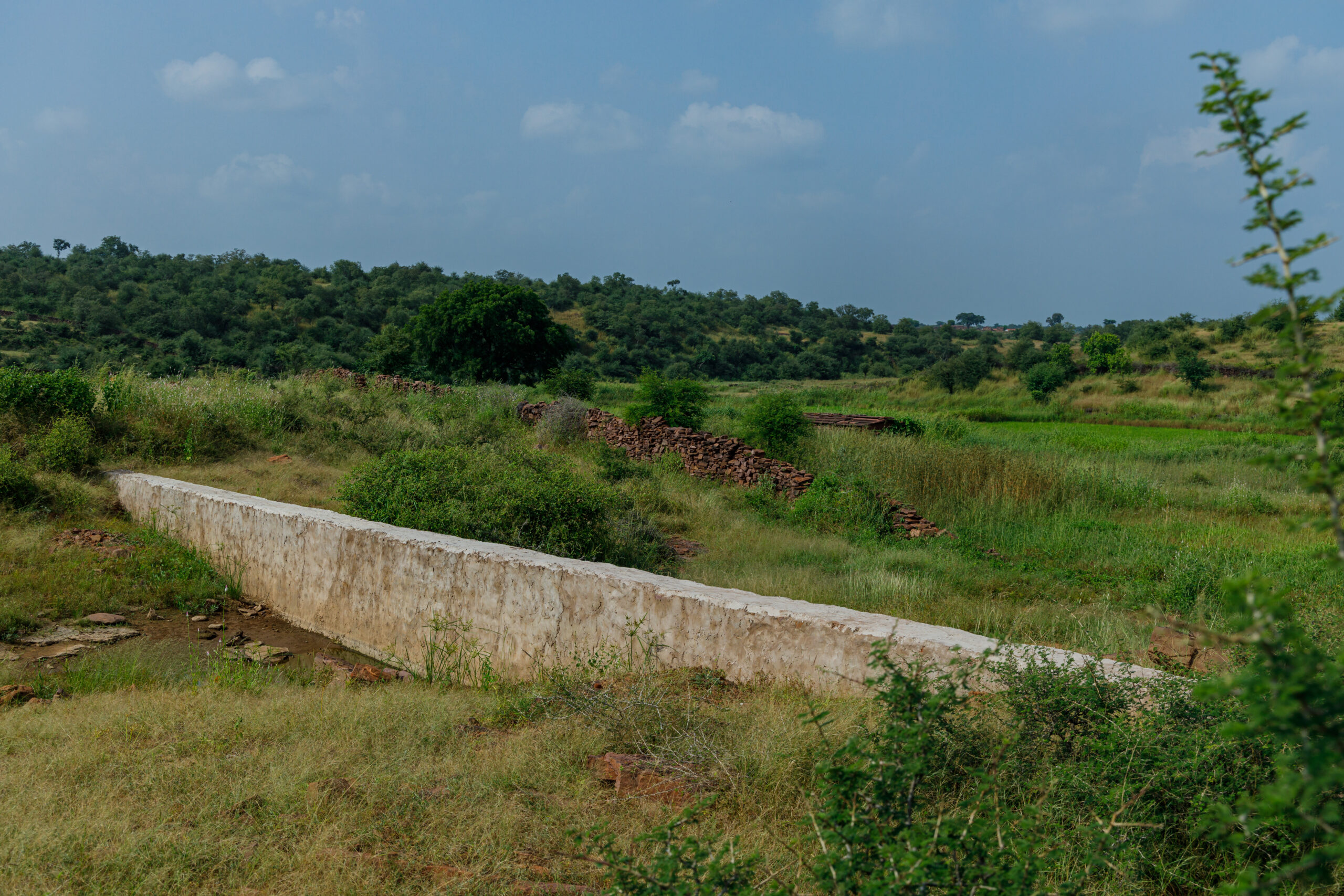
Drinking water availability was always a challenge in the village Modwa, in Udaipur district of Rajasthan. The only source of potable water was the old well in the village. Years of poor maintenance of this well had made its boundary walls crumble
A Better Tomorrow
Stories, Practices, and Solutions
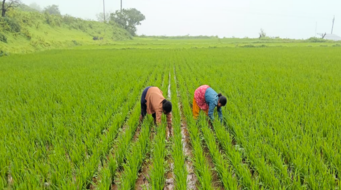
Until about five years back cotton, paddy and red gram were considered the only profitable crops by the farmers of Kamsanpally village in Damargidda Mandal, Narayanpet district of Telangana. Water scarcity and extreme climatic conditions
For years, Ramnarayan Meena had been only limited to millets, paddy and wheat from his 9 bigha land. The limited water for irrigation left him with not many options. The income was meagre, just adequate to run his family.
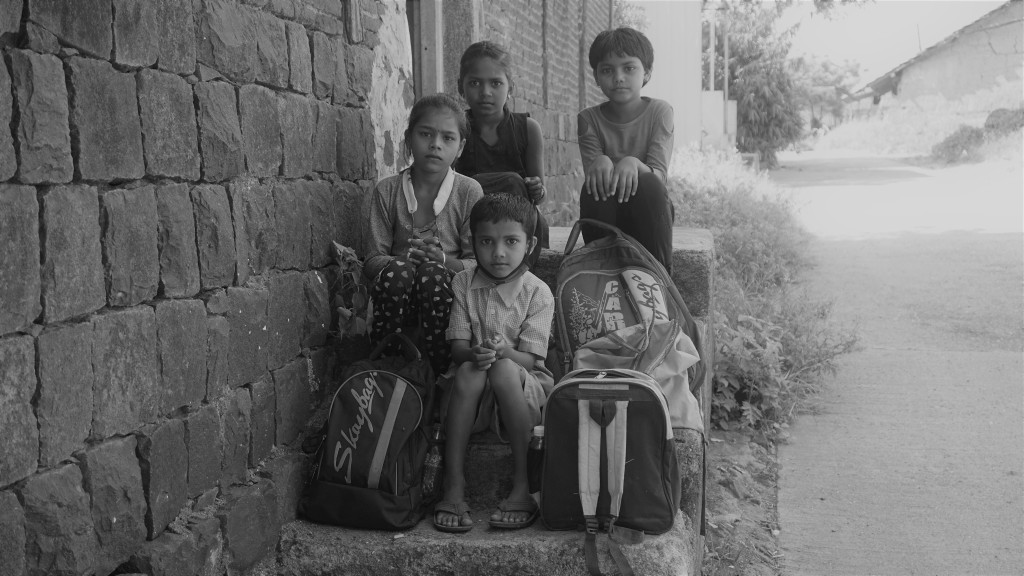
According to the HUNGaMA (Hunger and Malnutrition) Survey, almost one in every five children in 112 districts of India is at risk of malnutrition. Rayagada in Odisha is one such district that is majorly occupied by the Khonds and Lanjia Soras tribes.
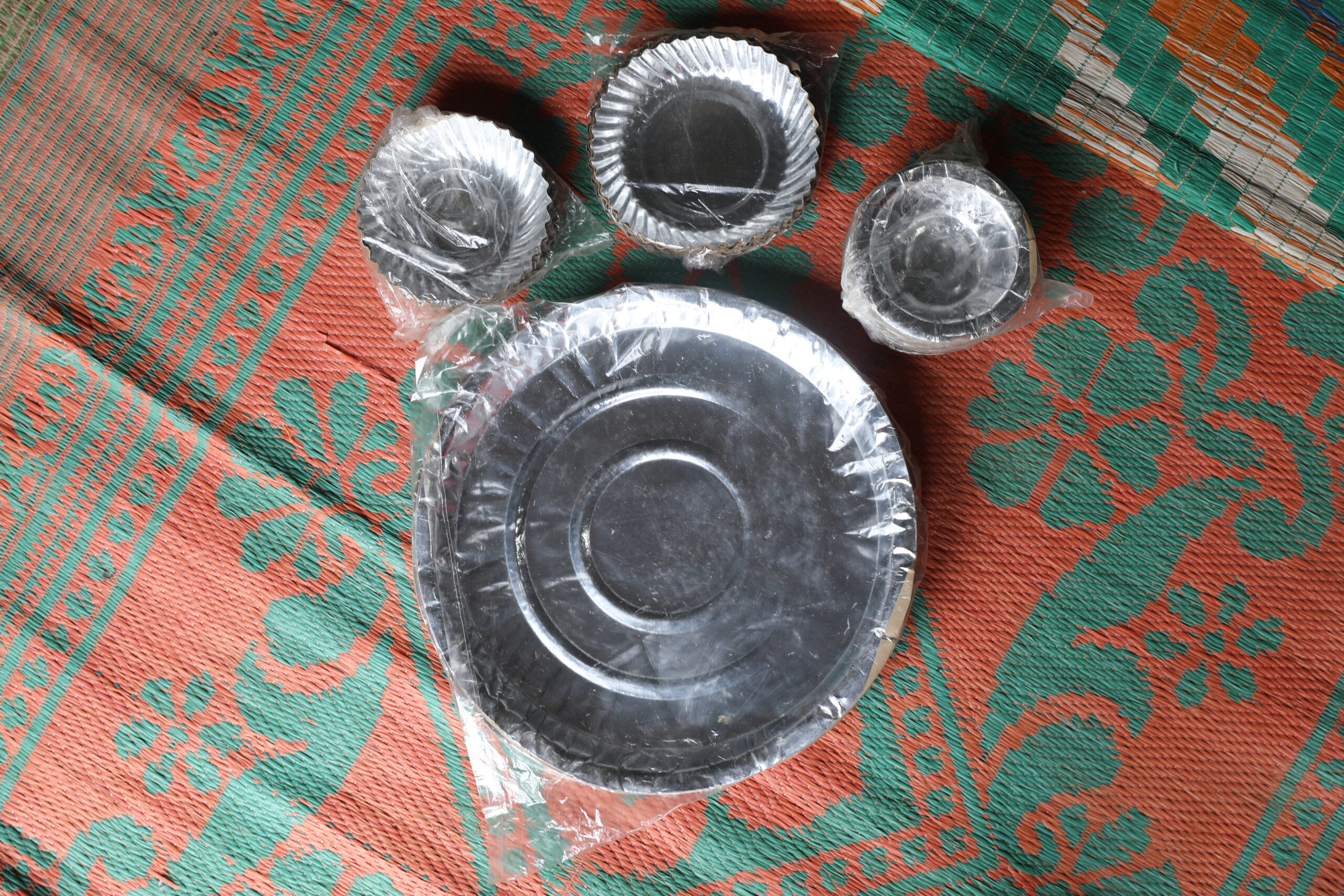
Making dona-pattal (dishes) out of tree leaves is a common activity for several tribal villages in Madhya Pradesh. Women are often seen doing this activity which is not only eco-friendly but also a source of income generation for many families.
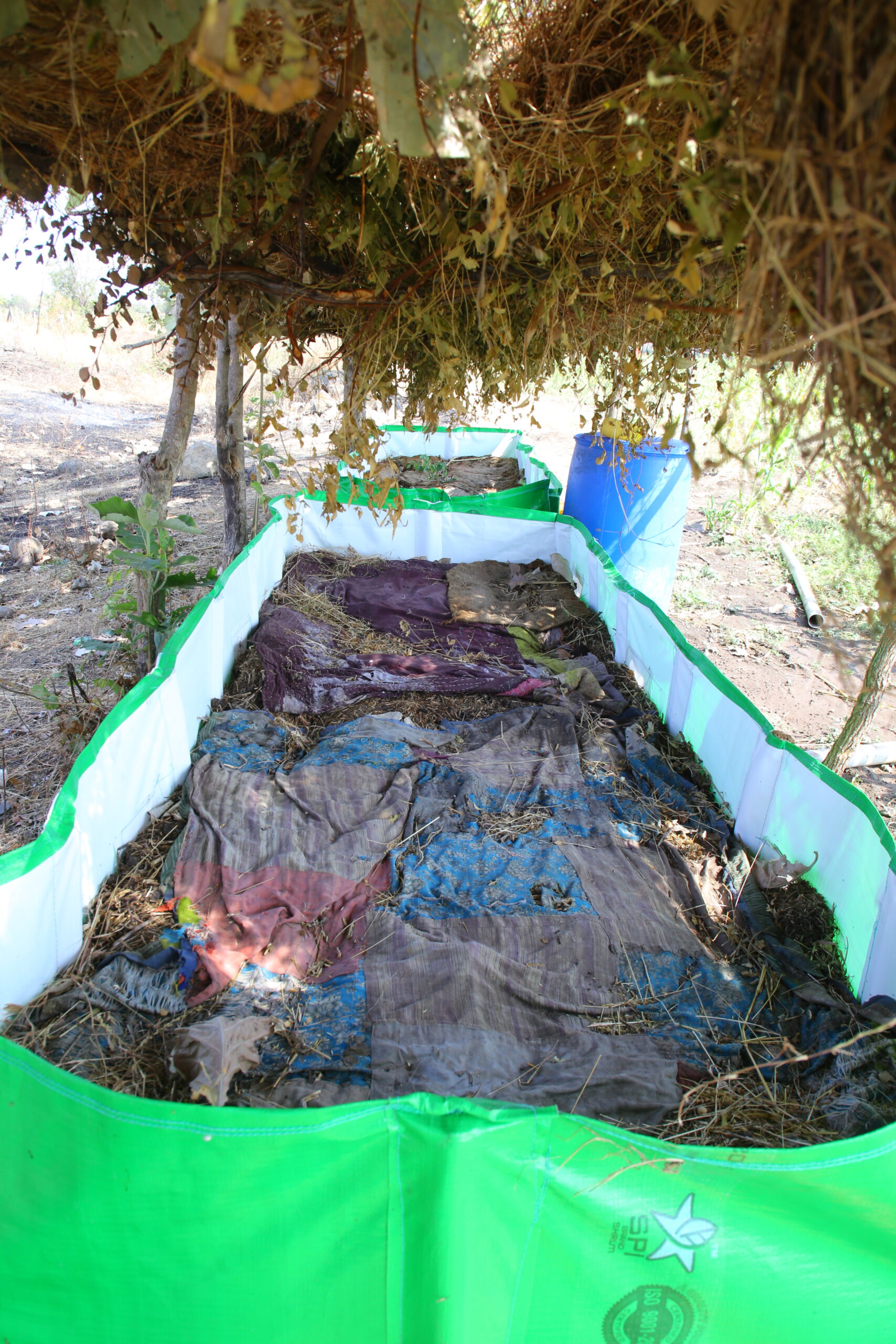
Three years back when Meena suggested replacing chemical fertilizers with vermicompost, she was ridiculed and strongly opposed. “My husband and son were not at all convinced to use organic manure. For them, it was a huge risk and could lead to losses,” said Meena Atmaram Hazare
Groundwater resources, considered a replenishable resource, are often overexploited to meet the growing demand of agriculture, domestic, industrial purposes, and inhabitants. Its depletion has hugely affected the economic and social sector, forcing farmers in Maharashtra to construct new wells.
As we all know, in the early stages of COVID-19 in 2020, there was no vaccine or treatment available to protect people against infection. As infections increased, the government implemented lockdowns, closed borders, and imposed travel limits
The state of Maharashtra has a wide range of rainfall patterns, ranging from 6000mm to 500mm. With 82 percent of the rural population reliant on agriculture for a living, even small changes in this diversified regional and yearly rainfall
Raising daily wage work is the second-highest source of income, followed by agriculture. However, as agriculture becomes less remunerative due to an increase in the cost of cultivation and fewer crop returns from climate change, alternate livelihoods f
Drinking water availability was always a challenge in the village Modwa, in Udaipur district of Rajasthan. The only source of potable water was the old well in the village. Years of poor maintenance of this well had made its boundary walls crumble
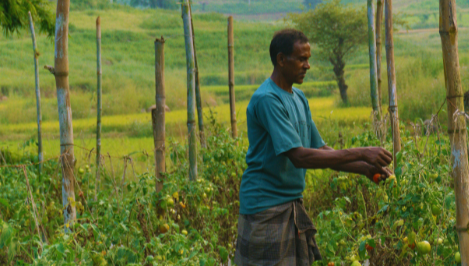
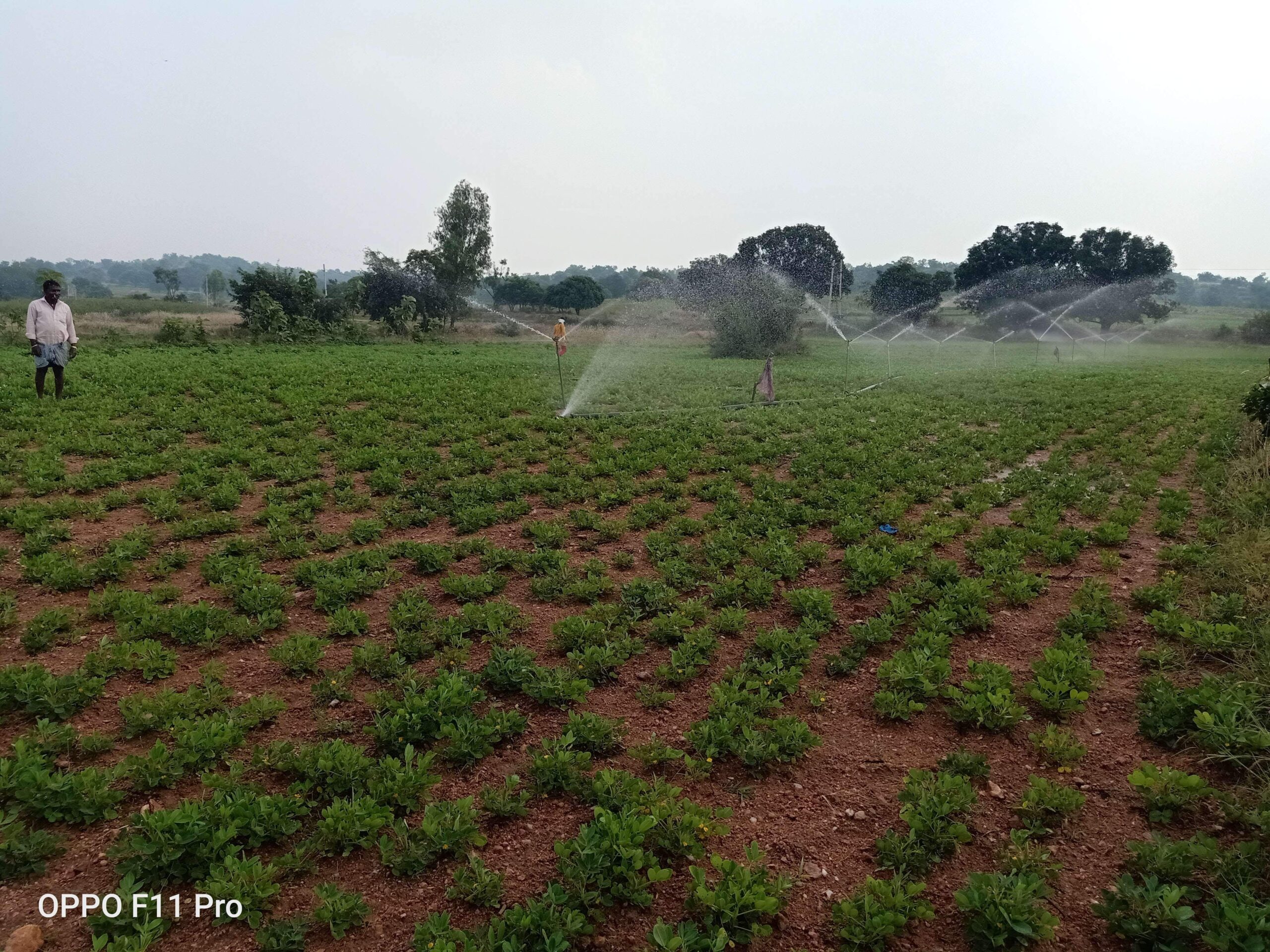
Until about five years back cotton, paddy and red gram were considered the only profitable crops by the farmers of Kamsanpally village in Damargidda Mandal, Narayanpet district of Telangana. Water scarcity and extreme climatic conditions
For years, Ramnarayan Meena had been only limited to millets, paddy and wheat from his 9 bigha land. The limited water for irrigation left him with not many options. The income was meagre, just adequate to run his family.
According to the HUNGaMA (Hunger and Malnutrition) Survey, almost one in every five children in 112 districts of India is at risk of malnutrition. Rayagada in Odisha is one such district that is majorly occupied by the Khonds and Lanjia Soras tribes.
Making dona-pattal (dishes) out of tree leaves is a common activity for several tribal villages in Madhya Pradesh. Women are often seen doing this activity which is not only eco-friendly but also a source of income generation for many families.
Three years back when Meena suggested replacing chemical fertilizers with vermicompost, she was ridiculed and strongly opposed. “My husband and son were not at all convinced to use organic manure. For them, it was a huge risk and could lead to losses,” said Meena Atmaram Hazare
Groundwater resources, considered a replenishable resource, are often overexploited to meet the growing demand of agriculture, domestic, industrial purposes, and inhabitants. Its depletion has hugely affected the economic and social sector, forcing farmers in Maharashtra to construct new wells.
As we all know, in the early stages of COVID-19 in 2020, there was no vaccine or treatment available to protect people against infection. As infections increased, the government implemented lockdowns, closed borders, and imposed travel limits
The state of Maharashtra has a wide range of rainfall patterns, ranging from 6000mm to 500mm. With 82 percent of the rural population reliant on agriculture for a living, even small changes in this diversified regional and yearly rainfall
Raising daily wage work is the second-highest source of income, followed by agriculture. However, as agriculture becomes less remunerative due to an increase in the cost of cultivation and fewer crop returns from climate change, alternate livelihoods f
By Categories
By Tags
An initiative to work with 40 Farmer Producer Organisations across five districts, strengthening climate-resilient agriculture, farmer-owned enterprises and market access.
Discover how integrated watershed management in Chhattisgarh is restoring degraded lands, conserving water, improving agricultural productivity and strengthening rural livelihoods.
Project Jal Samruddhi was implemented across 11,840 acres reaching 2,064 households and 10,500+ people in six villages. Read to know more.
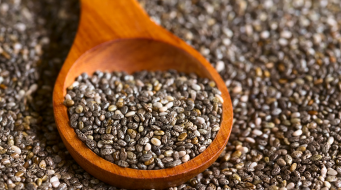
Discover how farmers can grow chia, from seed selection and sowing to irrigation, crop care and harvesting.
Project Samruddhi demonstrates how an integrated approach to rural development can strengthen community resilience and create lasting change across 16 villages.
Farming sustained Ramesh’s family of eleven, but limited water kept his land productive for only one season. Drip irrigation changed what was possible.
Shanti’s journey with her daughter Ishvi began with the challenges of malnutrition, and a long road towards better health and nourishment.
Explore key insights from our new book on water governance, women’s leadership and locally relevant climate solutions in Maharashtra