The evolution of India’s rural areas and change in the rural economic structure has garnered much attention. Driven by government policies and private sector initiatives, rural India has witnessed progress on several fronts, including education,
A Better Tomorrow
Stories, Practices, and Solutions
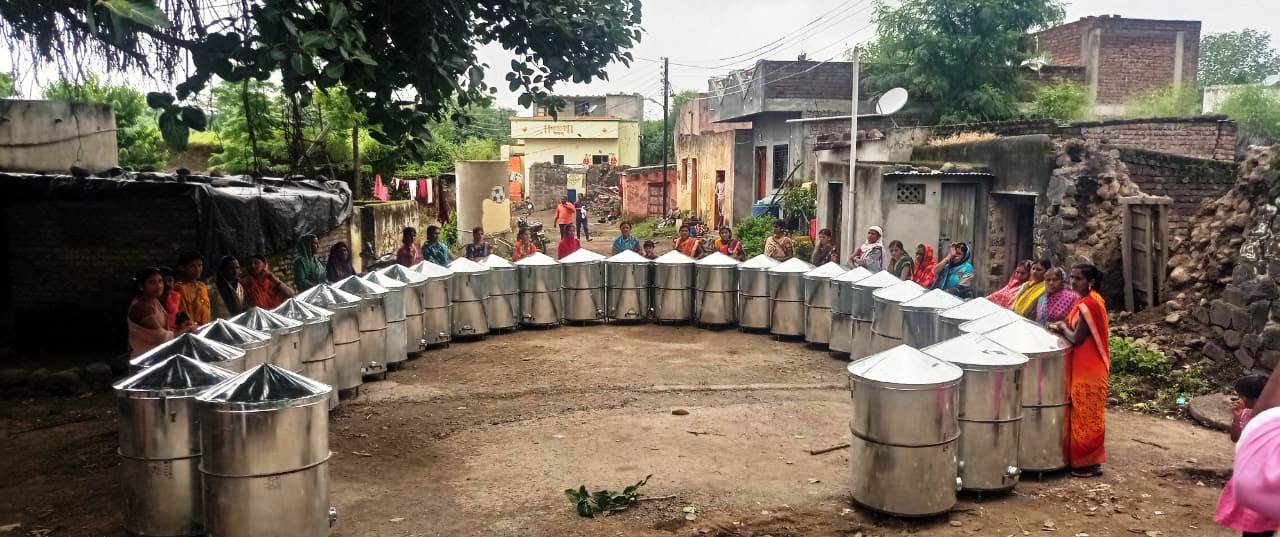
For rural households that are primarily dependent on agriculture, grain storage units made from steel and aluminium offer relief from time poverty and save women the effort of continuous grain monitoring. The time gained
Gender stereotypes have shaped expectations and defined roles that have been stitched tightly into the seam of rural fabric. Given the centrality of gender equality to climate or development goals, ripping the biases out will be imperative. While there’s no quick fix to this, addressing the following overarching biases could be a start
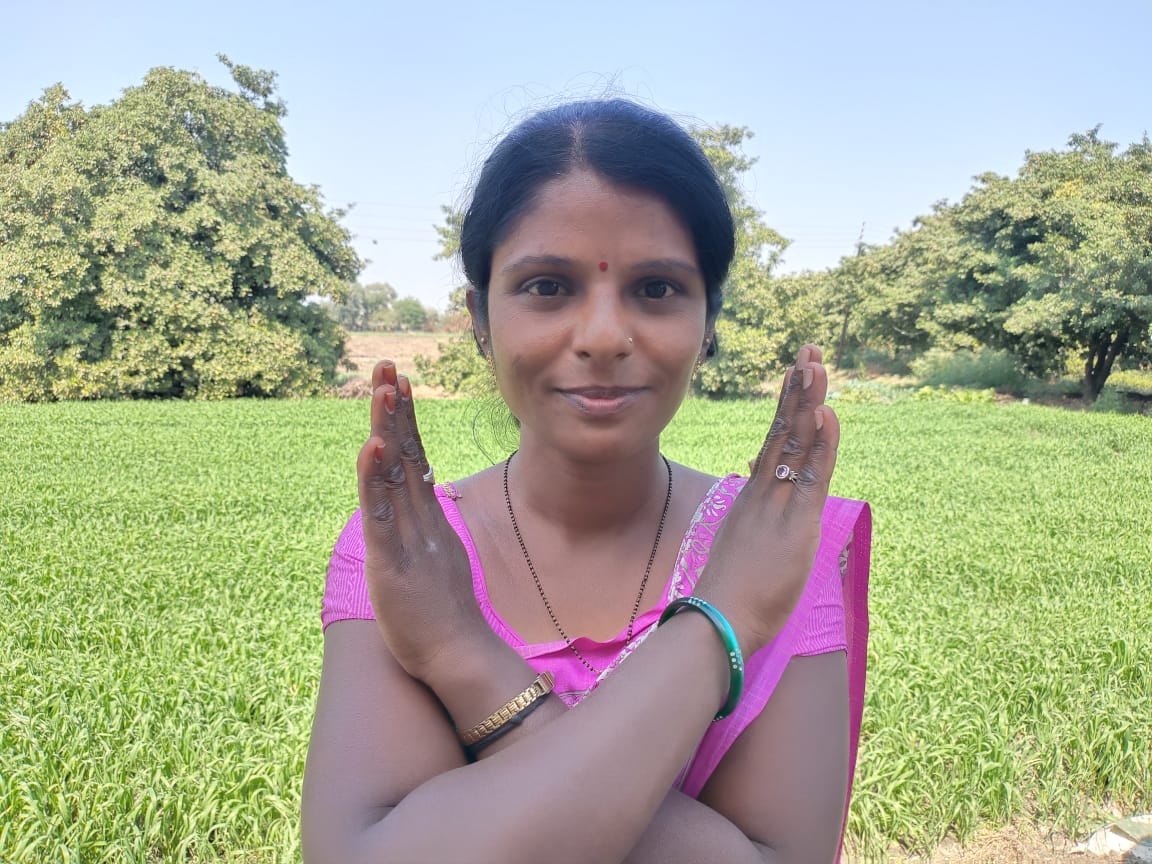
Gender inclusiveness and women empowerment has garnered strong support globally, especially in the last couple of decades, and rightly so. Women are pivotal to the progress of a nation and play a key role in defining the culture of a society.
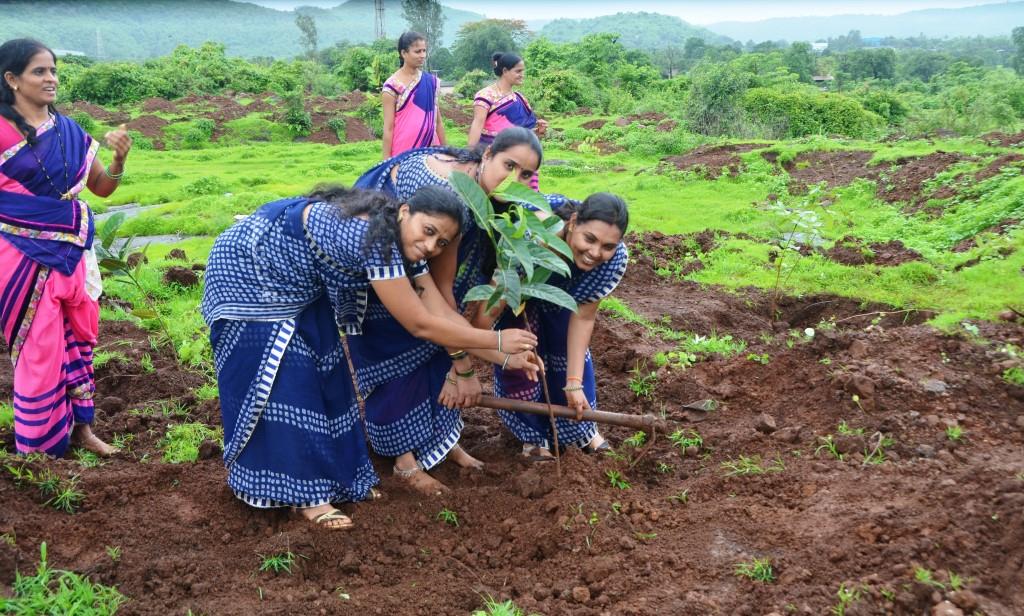
Climate change itself may be gender-neutral, but any action we need to take for adaptation cannot be anything but women-centric. Climate action cannot do without women. The reasons are endless, but let me bring out the five specific ones, and all of them have to do with every day and straightforward logic.
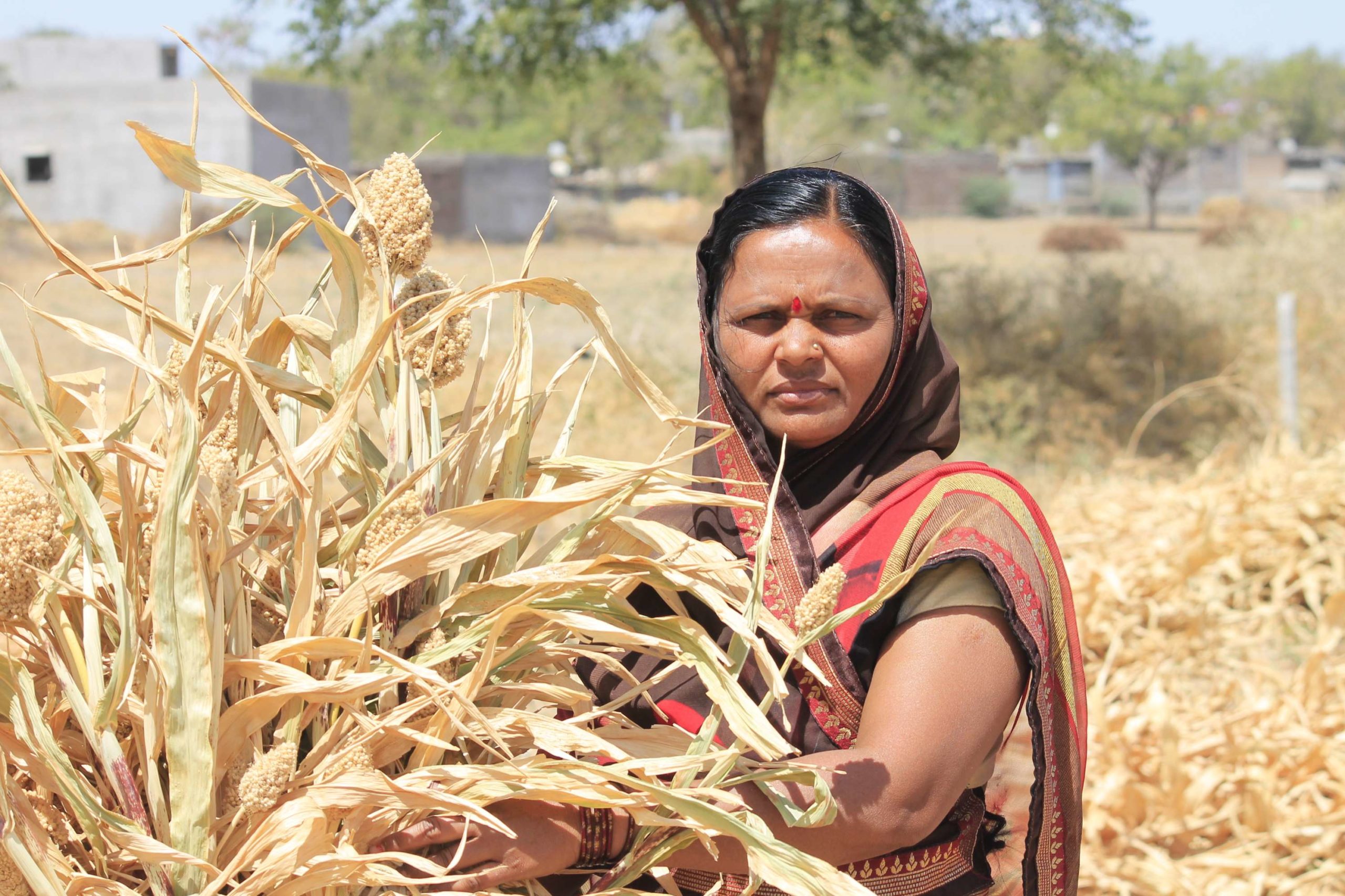
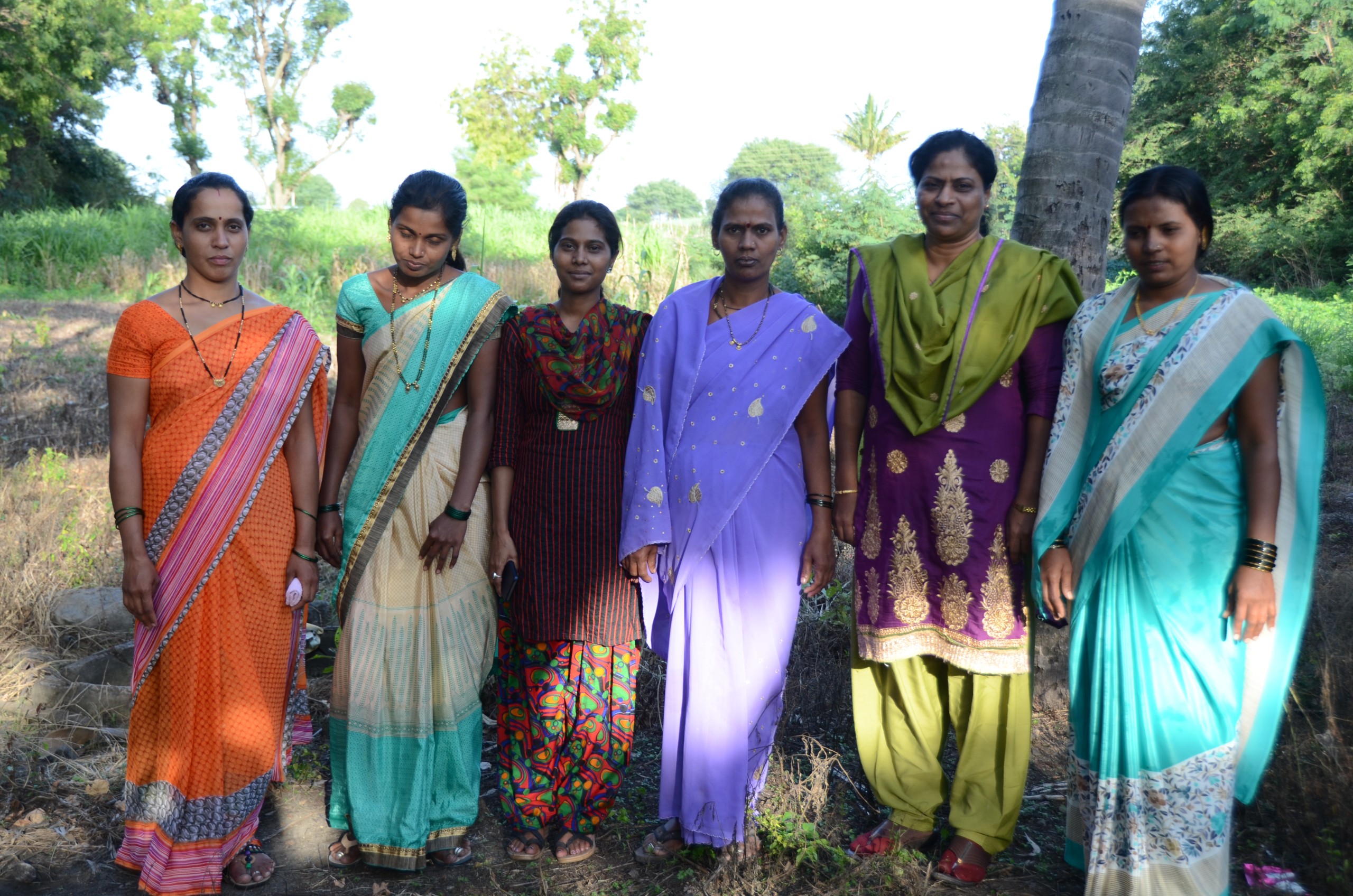
Over 48% of India’s rural population comprises of the female gender. They play an essential role in the rural economy by working as farmers, daily wage workers, traditional knowledge disseminators, entrepreneurs etc.They often also serve a significant role in managing household work, childcare, elderly care, taking care of ill ones
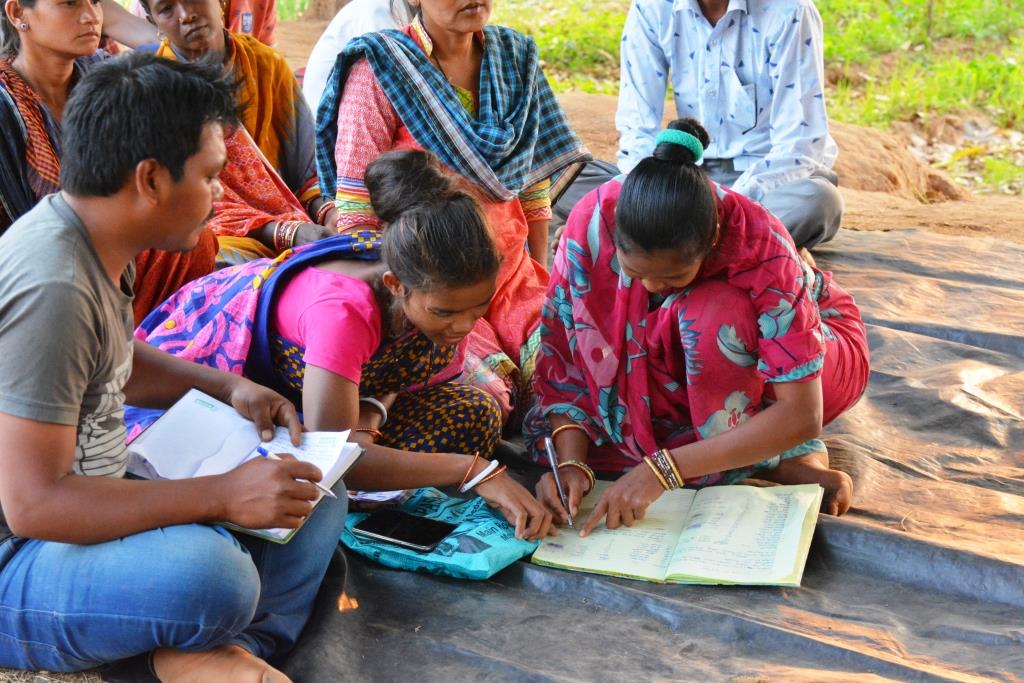
Today is National Girl Child Day and is celebrated on January 24 every year. It is primarily aimed at promoting awareness about the rights of the girl child, and increasing awareness on the importance of girls’ education, health and nutrition
The evolution of India’s rural areas and change in the rural economic structure has garnered much attention. Driven by government policies and private sector initiatives, rural India has witnessed progress on several fronts, including education,
For rural households that are primarily dependent on agriculture, grain storage units made from steel and aluminium offer relief from time poverty and save women the effort of continuous grain monitoring. The time gained
Gender stereotypes have shaped expectations and defined roles that have been stitched tightly into the seam of rural fabric. Given the centrality of gender equality to climate or development goals, ripping the biases out will be imperative. While there’s no quick fix to this, addressing the following overarching biases could be a start
Gender inclusiveness and women empowerment has garnered strong support globally, especially in the last couple of decades, and rightly so. Women are pivotal to the progress of a nation and play a key role in defining the culture of a society.
Climate change itself may be gender-neutral, but any action we need to take for adaptation cannot be anything but women-centric. Climate action cannot do without women. The reasons are endless, but let me bring out the five specific ones, and all of them have to do with every day and straightforward logic.
Over 48% of India’s rural population comprises of the female gender. They play an essential role in the rural economy by working as farmers, daily wage workers, traditional knowledge disseminators, entrepreneurs etc.They often also serve a significant role in managing household work, childcare, elderly care, taking care of ill ones
Today is National Girl Child Day and is celebrated on January 24 every year. It is primarily aimed at promoting awareness about the rights of the girl child, and increasing awareness on the importance of girls’ education, health and nutrition
By Categories
By Tags
वैज्ञानिक बकरीशेड और WOTR के प्रशिक्षण ने सुमन सिंह की जिंदगी बदल दी। उनके दृढ़ संकल्प ने संघर्ष को आजीविका के एक टिकाऊ ग्रामीण स्रोत में बदल दिया।
How one irrigation structure gave Ramgarh its first Rabi harvest and local farmer Fulsai Pandu his land back
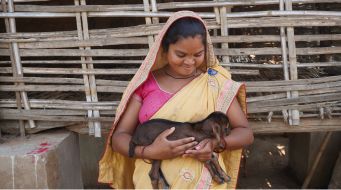
Goat rearing changed Suman Singh’s fortunes with scientific shed design and, WOTR training. Her grit turned struggle into sustainable rural income.
रामगढ़ में एक सिंचाई संरचना ने कैसे पहली बार रबी की फसल दी और किसान फुलसाई पांडू को उसकी ज़मीन वापस लौटाई
A reflection on the sustainability of food and climate programs in the social sector
Ecolinguistics reminds us that language is not neutral; it shapes how we understand and engage with the world.
डायवर्जन आधारित सिंचाई ने रामगढ़ में सालभर पानी, दोहरी खेती, फसल विविधता और किसानों की आय बढ़ाने वाली सामूहिक पहल को संभव बनाया।
A visual journey into how rural Maharashtra is coping with intensifying summer heat and climate change.