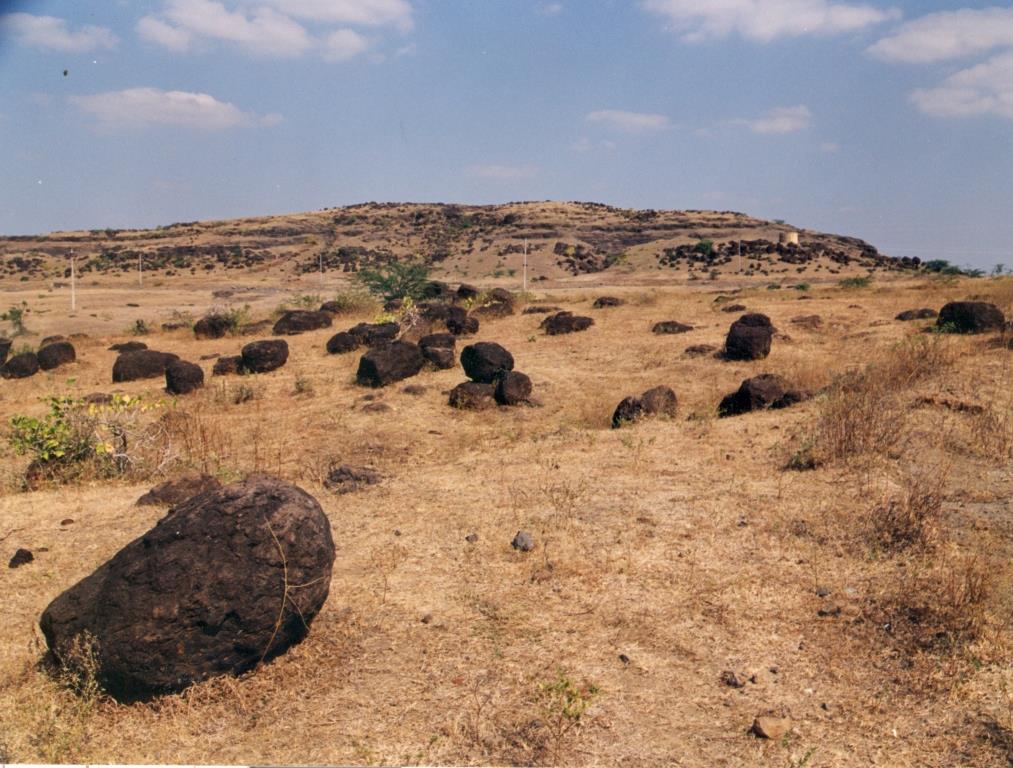
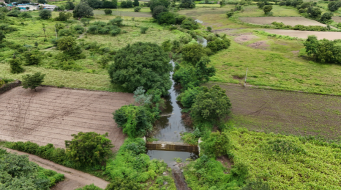
Land resources are vital in supporting physical, social, and economic infrastructure and activities. Functions such as agriculture, watershed management, forestation, mining, transport, and development
An Environment is a setting in which plants, animals, humans, bacteria, etc. (biotic components) interact with abiotic components such as water, soil, and atmosphere. The interaction happens as per each component’s characteristics, features
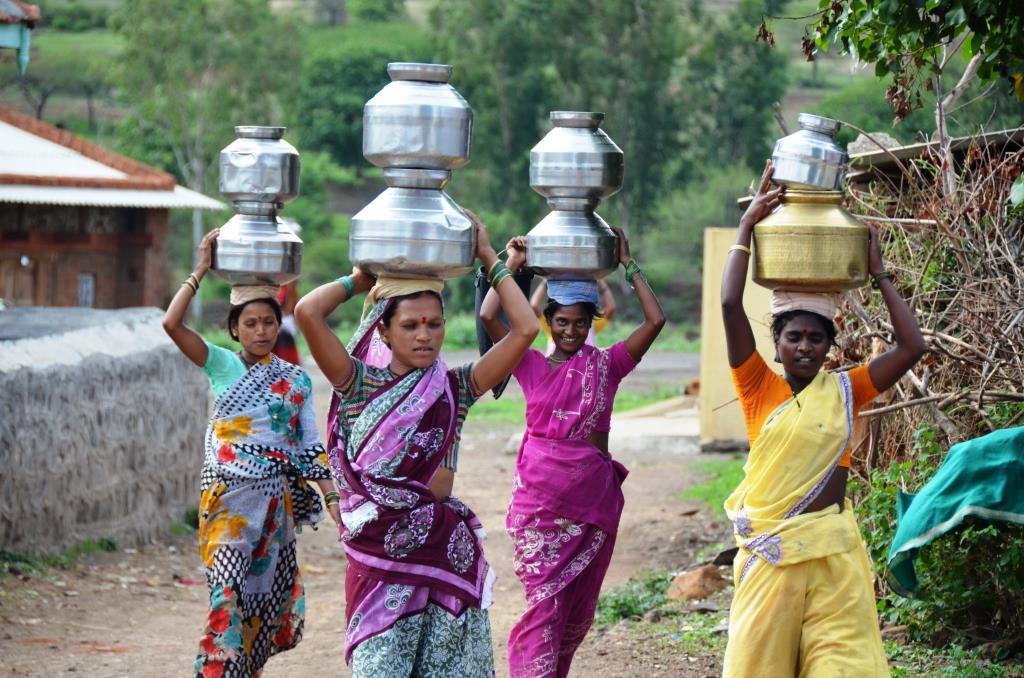
Water is a finite resource. Perhaps a tad difficult to believe, when each year, the dark clouds gather to bring in the fresh, glorious monsoon rains and the rivers and lakes gurgle and overflow bountifully. But this is nature at its efficient best, recycling and
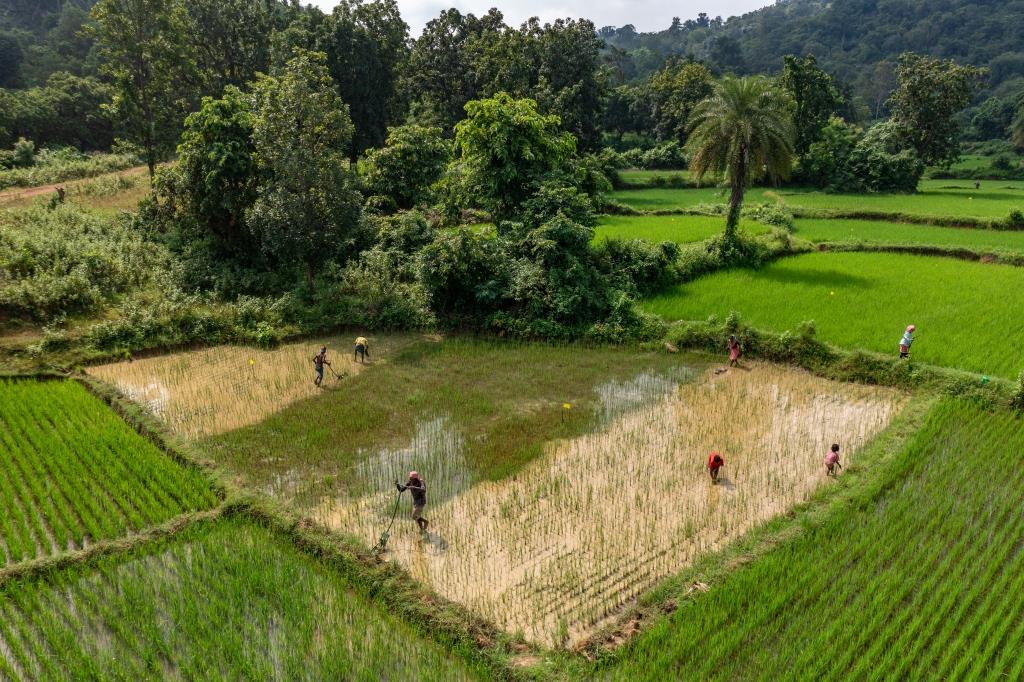
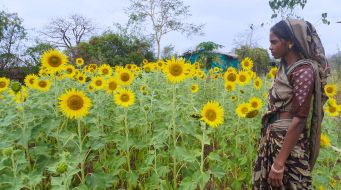
In the context of achieving sustainability in agriculture, this is especially pertinent as over indulgence in natural resources to maximize benefits in terms of utility and income for the present means farmers are paying less heed to future consequences.
Climate change is already happening. Rising temperatures leading to rise in natural disasters are already making headlines. This shifting phenomenon presents a considerable risk on the health of people, natural capital (like clean water and food) and world economies
Land resources are vital in supporting physical, social, and economic infrastructure and activities. Functions such as agriculture, watershed management, forestation, mining, transport, and development
An Environment is a setting in which plants, animals, humans, bacteria, etc. (biotic components) interact with abiotic components such as water, soil, and atmosphere. The interaction happens as per each component’s characteristics, features
Water is a finite resource. Perhaps a tad difficult to believe, when each year, the dark clouds gather to bring in the fresh, glorious monsoon rains and the rivers and lakes gurgle and overflow bountifully. But this is nature at its efficient best, recycling and
In the context of achieving sustainability in agriculture, this is especially pertinent as over indulgence in natural resources to maximize benefits in terms of utility and income for the present means farmers are paying less heed to future consequences.
Climate change is already happening. Rising temperatures leading to rise in natural disasters are already making headlines. This shifting phenomenon presents a considerable risk on the health of people, natural capital (like clean water and food) and world economies
El Niño is often blamed for weak monsoons and droughts. Discover how it really influences India’s rainfall, agriculture, water security, and resilience.
Climate adaptation needs collective action. ECOBARI unites ecosystems, livelihoods, and communities to build nature-based resilience across rural India.
Climate Resilience is possible when people work with nature. Learn how wetlands, forests, renewable energy, and communities are shaping a sustainable future.