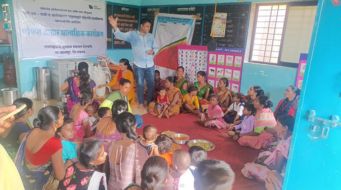
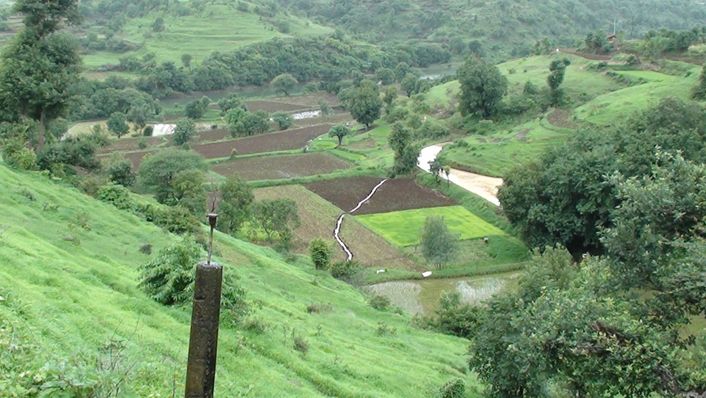
A three-year project by WOTR and HDFC Bank Parivartan aims to uplift 11,700 people in 40 tribal villages of Gadchiroli through sustainable agriculture, water conservation, and livelihood development.
A Better Tomorrow
Stories, Practices, and Solutions
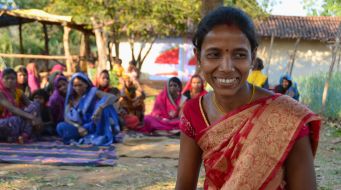
The vital contributions of women farmers in India’s agricultural sector remain largely unseen because of various societal and structural barriers, even though they are the backbone of many rural communities.
Community support and dedicated intervention can effectively combat malnutrition, as highlighted by the inspiring stories of girl children
Amidst the challenges of the Covid-19 lockdown, Rayagada district in Odisha harnessed community strength to drive change. Through initiatives like sustainable agriculture, alternative livelihoods, and the construction of watershed structures, villagers collaborated to improve water management, boost incomes, and enhance resilience against climate and economic hardships.
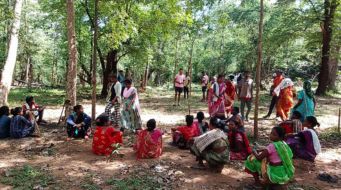
In the remote village of Kolhua, Saroj Singh, a Mahila Pravartak, is transforming healthcare by promoting immunisation and improving nutrition, overcoming challenges and gaining the community’s trust.
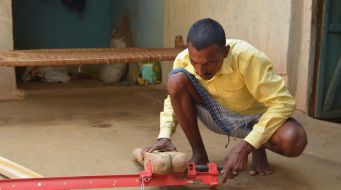
Suraj Lal turned his carpentry passion into a business, crafting furniture for his village with WOTR and AHB’s support. Similarly, Bir Singh and his team in Dungripara built a successful construction enterprise, creating a path to self-sufficiency.
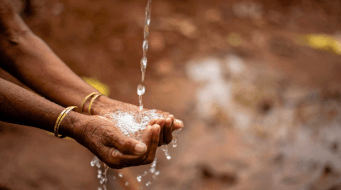
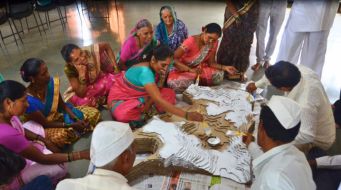
Borgaon Budruk’s Village Development Committee (VDC) and Village Water Management Teams (VWMT) have successfully addressed water scarcity through community-driven water conservation efforts, significantly improving local conditions.
The village of Borgaon Math relied on one hand pump, leading to shortages and conflicts. Bhagirathi, a farmer, often traveled long distances for water, impacting daily life and her children’s education .WOTR’s efforts have provided reliable water access, improving living conditions and education.
In rural Maharashtra, communities have become water stewards with support from WOTR. Villages like Borgaon Math and Bori Khurd have adopted rainwater harvesting, micro-irrigation, and organic farming, boosting water availability and crop yields.
People in the rural rainfed areas of India are facing multiple challenges- degradation of land and other natural resources, water scarcity, lack of social empowerment and welfare, unequal distribution of the wealth, high level of vulnerability to climate change,
A three-year project by WOTR and HDFC Bank Parivartan aims to uplift 11,700 people in 40 tribal villages of Gadchiroli through sustainable agriculture, water conservation, and livelihood development.
The vital contributions of women farmers in India’s agricultural sector remain largely unseen because of various societal and structural barriers, even though they are the backbone of many rural communities.
Community support and dedicated intervention can effectively combat malnutrition, as highlighted by the inspiring stories of girl children
Amidst the challenges of the Covid-19 lockdown, Rayagada district in Odisha harnessed community strength to drive change. Through initiatives like sustainable agriculture, alternative livelihoods, and the construction of watershed structures, villagers collaborated to improve water management, boost incomes, and enhance resilience against climate and economic hardships.
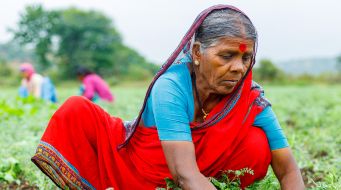
In the remote village of Kolhua, Saroj Singh, a Mahila Pravartak, is transforming healthcare by promoting immunisation and improving nutrition, overcoming challenges and gaining the community’s trust.
Suraj Lal turned his carpentry passion into a business, crafting furniture for his village with WOTR and AHB’s support. Similarly, Bir Singh and his team in Dungripara built a successful construction enterprise, creating a path to self-sufficiency.
Borgaon Budruk’s Village Development Committee (VDC) and Village Water Management Teams (VWMT) have successfully addressed water scarcity through community-driven water conservation efforts, significantly improving local conditions.
The village of Borgaon Math relied on one hand pump, leading to shortages and conflicts. Bhagirathi, a farmer, often traveled long distances for water, impacting daily life and her children’s education .WOTR’s efforts have provided reliable water access, improving living conditions and education.
In rural Maharashtra, communities have become water stewards with support from WOTR. Villages like Borgaon Math and Bori Khurd have adopted rainwater harvesting, micro-irrigation, and organic farming, boosting water availability and crop yields.
People in the rural rainfed areas of India are facing multiple challenges- degradation of land and other natural resources, water scarcity, lack of social empowerment and welfare, unequal distribution of the wealth, high level of vulnerability to climate change,
By Categories
By Tags
Explore how 3D mapping of aquifers changed how Mhaswandi and Masai practice water stewardship.
Mangroves do far more than store carbon. They’re coastal shields, fish nurseries, biodiversity havens, and living systems tied to millions of lives.
How climate change affects women farmers in India, and the solutions they are building for a more resilient future.
Observed every year on 16 July, World Snake Day aims to dispel myths and raise awareness about one of the most misunderstood creatures on Earth.
This film tells the story of what changed when over 11,800 farmers came together to build their own Farmer Producer Companies
A tree planted is not a tree grown. The 6R approach helps turn plantation drives into lasting forests.
वैज्ञानिक बकरीशेड और WOTR के प्रशिक्षण ने सुमन सिंह की जिंदगी बदल दी। उनके दृढ़ संकल्प ने संघर्ष को आजीविका के एक टिकाऊ ग्रामीण स्रोत में बदल दिया।
How one irrigation structure gave Ramgarh its first Rabi harvest and local farmer Fulsai Pandu his land back